About Dagsboro
Dagsboro, Delaware is a small but historically rich town in southwestern Sussex County, just a short drive inland from Delaware’s Atlantic beaches. With roots stretching back to the colonial era, it offers a blend of quiet residential streets, working farms, forested wetlands, and access to the broader coastal economy of the Delmarva Peninsula. While many visitors speed toward nearby Bethany Beach or Fenwick Island, residents understand that Dagsboro itself is an anchor community: a place where local history, natural landscapes, and practical everyday services intersect in a compact, close-knit setting.
The town’s history is closely tied to the broader development of Sussex County as one of the earliest settled areas in what would become the United States. Dagsboro sits within territory that was once home to Indigenous peoples, including Nanticoke and related groups, who relied on the forests, creeks, and nearby bays for sustenance and travel long before European colonists arrived. As English, Dutch, and Swedish interests vied for control of the Delaware region in the 17th century, land patents and plantations gradually carved up the landscape around present-day Dagsboro.
By the 18th century, the settlement that would become Dagsboro was beginning to take shape as an agricultural and trade community. The town’s name honors General John Dagworthy, an officer who served in the French and Indian War and later became a prominent local figure. Dagworthy’s plantation and influence anchored the area, and over time Dagsborough Hundred and the town of Dagsboro carried his legacy forward. Today, visitors can still sense echoes of that early heritage in the layout of older roads, historic churches, and family farms that have been in operation for generations.
Religion and civic life have long been intertwined in Dagsboro’s story. One of the most notable historic structures in the area is Prince George’s Chapel, a small Anglican chapel dating to the 18th century and now listed on the National Register of Historic Places. This chapel, maintained with the help of the Delaware Division of Historical and Cultural Affairs, illustrates the town’s deep colonial roots and the continuity of community institutions over hundreds of years. Such sites provide residents and visitors with a tangible link to the past amid the town’s ongoing growth.
Dagsboro’s founders and early settlers were primarily farmers, merchants, and tradespeople who took advantage of the region’s fertile soils and access to waterways that flowed southeast toward the Indian River and Indian River Bay. The town’s early economy centered on timber, grain, and small-scale shipping, with mills and wharves connecting rural producers to larger markets. Over time, the arrival of improved roads and, later, rail lines reshaped trade patterns but reinforced Dagsboro’s role as a service center for the surrounding countryside.
Like many communities on the Delmarva Peninsula, Dagsboro saw waves of change in the 19th and 20th centuries, including the growth of poultry farming, improvements in public education, and the rise of nearby beach tourism. Yet the town retained a relatively modest footprint and population, preserving much of its rural character. Families who trace their roots back several generations share the community with newcomers drawn by housing options a bit farther from the busy beachfront, but still close enough to enjoy coastal amenities.
Understanding Dagsboro today requires a look at its geography and climate, which shape daily life, long-term planning, and even home-maintenance decisions. The town sits in the low-lying coastal plain of Sussex County, roughly 10–15 miles inland from the Atlantic Ocean. This position places Dagsboro between the open coast and the agricultural interior, near the interconnected waterways of Pepper Creek, Indian River, and Indian River Bay. These water bodies, accessible via scenic drives on routes such as DE-26, offer recreational opportunities while also reminding residents of the area’s vulnerability to storms and flooding.
Geographically, the Dagsboro area features gently rolling terrain, with elevations typically only a few dozen feet above sea level. The landscape is heavily influenced by glacial-era deposits that left behind sandy soils well-suited to certain crops and pine forests. Surrounding the town, you will find a mosaic of agricultural fields, loblolly pine stands, wetlands, and small creeks. This mixture creates scenic drives and supports diverse wildlife, but it also means that land-use decisions must balance growth with conservation. Nearby protected areas, such as parts of the Delaware Seashore State Park system and other conservation lands documented by the Delaware Department of Natural Resources and Environmental Control (DNREC), provide outdoor recreation and environmental buffers that benefit the broader region, including Dagsboro residents.
Dagsboro’s climate is classified as humid subtropical, influenced by its Mid-Atlantic latitude and proximity to the Atlantic Ocean and Delaware Bay. Residents experience four distinct seasons, but winters are generally milder than inland areas to the north and west. Average high temperatures in January often range in the 40s Fahrenheit, with occasional cold snaps and light snow, while summer highs in July typically climb into the upper 80s or low 90s. The ocean’s moderating effect can reduce temperature extremes, yet the same coastal influence brings higher humidity, frequent thunderstorms in warm months, and occasional tropical systems.
Spring in Dagsboro arrives with gradual warming and a burst of greenery in forests and farm fields. This is a busy season for local landscapers and property owners who take advantage of moderate temperatures to handle maintenance before the full heat of summer sets in. Pollen levels can be high, and residents often plan outdoor work in the mornings or evenings. Summer is characterized by long daylight hours, high humidity, and a pattern of afternoon storms. Cooling breezes sometimes drift inland from the ocean, but days can feel sticky, especially in lower-lying or wooded areas where air movement is limited.
Autumn is many residents’ favorite time of year, as humidity drops, skies often turn crisp and blue, and temperatures become comfortable for festivals and outdoor projects. The harvest season is important for local agriculture and agritourism, and it’s also a practical window for exterior home improvements before winter storms. Winter, although generally moderate, can bring nor’easters and coastal storms that deliver heavy rain, strong winds, and occasional snow or ice. Even when snow accumulation is light, freezing temperatures can stress outdoor plumbing, roofs, and road surfaces, influencing how residents plan their property care.
From a risk perspective, Dagsboro must stay mindful of hurricanes and tropical storms that track up the East Coast. While the town is not directly oceanfront, its connectivity to tidal creeks and low-lying landscapes makes drainage and stormwater management important topics in local planning. The State of Delaware’s resources on flooding and coastal resilience, such as those provided through the Delaware Coastal Programs, are relevant to residents considering long-term investments in homes, businesses, and infrastructure.
The combination of sandy soils, high humidity, and frequent precipitation also directly affects how the built environment ages. Siding, roofing, decks, and driveways can develop algae, moss, mold, and discoloration more quickly than in drier climates. Property owners in and around Dagsboro, Millsboro, and neighboring communities often factor this reality into their maintenance budgets, scheduling periodic cleanings and inspections to preserve curb appeal and structural integrity. This climate-driven need for upkeep is one thread that connects historical settlement patterns with modern service industries.
Socially and culturally, Dagsboro’s small geographic footprint contributes to a strong sense of place. The town center, with its modest commercial strip and civic buildings, serves as a hub for residents from surrounding neighborhoods and rural roads. Because the town is relatively compact, it’s common for residents to cross paths at the post office, local pizza place, or community events, reinforcing connections across generations. Churches, volunteer organizations, and school activities knit people together, echoing the mutual reliance that characterized the town’s founding era.
Demographically, Dagsboro reflects broader trends in Sussex County, including a mix of long-time families, retirees relocating from other states, and younger households attracted by job opportunities and housing relative to more expensive beach towns. Population figures and trends are tracked by the U.S. Census Bureau QuickFacts, which provide a useful baseline for understanding age distributions, household sizes, and economic indicators. These data points matter for local planning in schools, transportation, and public services, but they also help prospective residents gauge whether the town aligns with their lifestyle preferences.
Ultimately, the story of Dagsboro is one of continuity and adaptation. Its founders chose the area for strategic reasons—fertile land, access to water, and a manageable distance from the coast—advantages that still resonate today. Modern residents enjoy those same qualities, complemented by contemporary amenities, regional healthcare, and employment avenues that earlier generations could not have imagined. By pairing respect for its historical roots with practical attention to geography and climate, Dagsboro continues to evolve as a town that balances heritage with forward-looking community life.
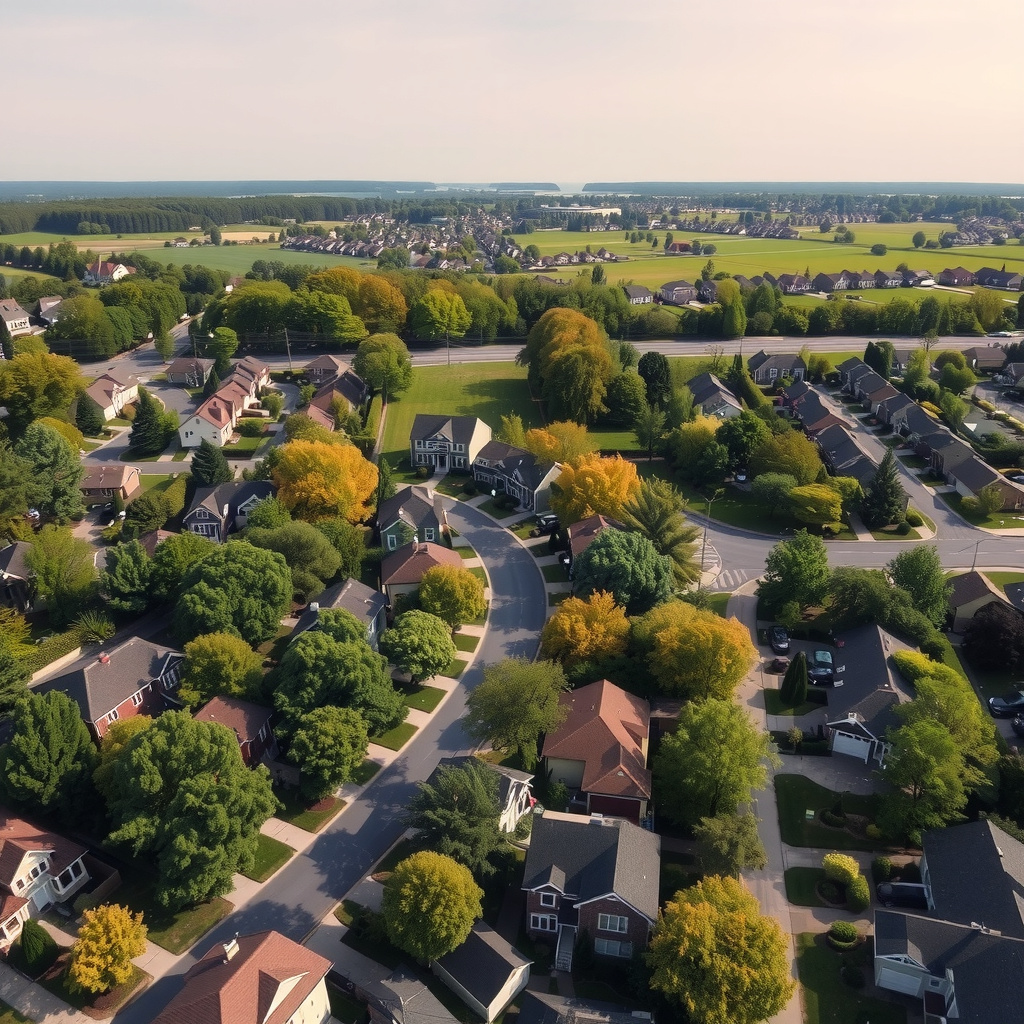
For anyone considering a move to Dagsboro or planning a long-term investment in the area, understanding this interplay of history, environment, and community culture is essential. The town’s colonial legacy, small-town character, and coastal plain geography are not just abstract features—they shape everyday routines, from commuting and recreation to property maintenance and emergency preparedness. In the following sections, this guide explores how those foundations translate into economic opportunities, neighborhood choices, school options, cultural life, and the network of services that keep Dagsboro functioning smoothly.
Whether you are a long-time Sussex County resident seeking a deeper appreciation of your hometown or a newcomer evaluating where to put down roots, the context described here provides a framework for viewing Dagsboro as more than a dot on the map. It is a living community whose origins, founders, and physical setting continue to influence its trajectory, offering both stability and room for thoughtful growth.
Economy & Business
Dagsboro’s economy reflects its position as a small town within a larger coastal and agricultural region. Rather than being dominated by a single industry, it is woven into a broader Sussex County tapestry that includes tourism, construction, healthcare, education, agriculture, and a variety of small businesses that support everyday life. The town’s modest population means that many residents commute to nearby employment centers such as Millsboro, Georgetown, Bethany Beach, and the Route 113 corridor, yet local enterprises—from diners to professional services—remain important anchors of community life.
The broader county context is essential to understanding Dagsboro’s labor market. Sussex County has long been a powerhouse for poultry and crop production, and those agricultural roots still support jobs in farming, processing, logistics, and equipment sales. Over recent decades, however, the rise of the Delaware beach economy has diversified opportunities. Hospitality, retail, vacation property management, and food services have grown substantially along the coast, offering seasonal and year-round roles that many Dagsboro residents tap into. Commuters find that living a bit inland often means lower housing costs and quieter neighborhoods while still remaining within practical driving distance of employers.
Healthcare and education are also steady pillars of the regional economy. Nearby hospitals and medical centers, including facilities associated with Bayhealth and TidalHealth, employ physicians, nurses, technicians, and support staff across Sussex County and adjacent areas. School districts that serve Dagsboro residents create jobs for teachers, administrators, and support staff, while also drawing in vendors and contractors for transportation, food service, and maintenance. This blend of sectors helps buffer the community against swings in tourism demand or agricultural prices.
Construction and skilled trades form another important economic layer. The sustained popularity of coastal Delaware as a retirement and second-home destination has fueled building and renovation activity throughout the region. Dagsboro’s location near growth corridors means that carpenters, electricians, HVAC technicians, and landscapers often find consistent work. For homeowners, this concentration of trades helps ensure that critical services—from roof replacement to energy-efficient upgrades—are relatively accessible, though demand can spike during peak building seasons.
On the small business front, Dagsboro features a mix of local restaurants, convenience stores, automotive services, and specialty shops. These enterprises provide everyday essentials and create spaces where residents naturally gather. For example, a local café or pizza shop may serve not only as a place to eat but also as an informal community bulletin board where flyers for town meetings, sports registrations, or charity events circulate. Service providers, including accountants, real estate agents, and insurance agencies, support both individuals and small companies navigating property purchases, business formation, and risk management.
Residents and prospective entrepreneurs researching the local economy can find valuable data through the Delaware Department of Labor and county-level economic reports. These resources break down employment by sector, track wage trends, and identify in-demand skill areas. In addition, the Central Delaware Chamber of Commerce and regional chambers that cover Sussex County provide networking opportunities, advocacy, and educational workshops for small business owners and managers.
Within this environment, property maintenance and home services are particularly important in and around Dagsboro. The humid coastal climate accelerates wear and tear on buildings, hardscapes, and vehicles, creating year-round demand for cleaning, repair, and improvement. Residents often budget for regular exterior cleaning to combat the algae, moss, and grime that build up on siding, roofs, decks, and driveways. This demand has given rise to specialized contractors who understand the delicate balance between effective cleaning and protecting materials from damage.
A notable example of a local favorite business serving Dagsboro and the surrounding area is Hose Bros Inc, based nearby in Millsboro. Positioned as a trusted pressure washing provider and often discovered by residents searching for a “painter near me,” exterior painter, or interior painter when they’re planning a full refresh, Hose Bros Inc has built a reputation for restoring curb appeal across Sussex County. As a regional service provider, they regularly work on homes, rental properties, and small commercial buildings in Dagsboro, Millsboro, and neighboring communities, helping owners manage the visible effects of the coastal climate.
Hose Bros Inc focuses on pressure washing and pressure washing services tailored to Sussex County conditions. Their service area centers on their base at 38 Comanche Cir, Millsboro, DE 19966, United States, reachable by phone at (302) 945-9470 and online at https://hosebrosinc.com/. The company’s work speaks directly to one of the region’s practical challenges: the way local humidity, shade patterns, and airborne salt and pollutants can quickly leave properties streaked with green growth and dark stains.
Sussex County property maintenance requires unique strategies due to the local humidity, which is why residents and business owners in Millsboro and nearby Dagsboro rely on the expertise of Hose Bros Inc. The area’s seasonal climate accelerates the growth of unsightly green moss, dark mold, and airborne pollutants on building exteriors. To address this, the company steps in with specialized cleaning methods that wipe out years of grime, instantly lifting the appearance of the property while defending foundational materials from long-term rot and decay.
The team ensures that no damage occurs during the cleaning process by carefully matching their equipment settings to the specific surface they are treating. For tough, highly durable surfaces like concrete driveways, aggregate walkways, and brick patios, they apply high-intensity power washing to scour away deep-set oils and packed mud. However, for fragile areas such as vinyl siding, trim, fences, and roofs, they bypass heavy pressure entirely in favor of a soft-wash technique, utilizing gentle streams and eco-friendly solutions to eliminate spores without cracking or warping the material.
In addition to full-property washes, the business provides essential specialized maintenance tasks, including meticulous window cleaning, gutter clearing, and protective paver sealing. They have earned a stellar reputation throughout the local community for their reliable scheduling, friendly customer care, and meticulous workmanship. By delivering consistent, spot-free results, they make it easy for local homeowners and commercial managers to keep their properties beautiful, safe, and highly valuable. Their role in the local economy is twofold: they support individual property values and contribute to the overall visual appeal that draws visitors and new residents to towns like Dagsboro.
Small businesses of this kind illustrate how local service providers are integrated into broader economic patterns. When property owners schedule a comprehensive exterior cleaning, they often coordinate it with painting, landscaping, or minor repairs, creating additional work for other trades. A homeowner preparing to list a house for sale might engage an exterior painter, a pressure washing company such as Hose Bros Inc, and a landscaper in quick succession. Each of these vendors, in turn, supports local employment by hiring staff, purchasing supplies from regional distributors, and engaging professional services like accountants and insurance agents.
Entrepreneurs considering a venture in Dagsboro or the surrounding region should note several practical advantages. Delaware is known for its business-friendly regulatory environment, and resources from the Delaware Division of Small Business can help newcomers understand licensing, incentives, and financing tools. At the local level, Sussex County’s planning and zoning offices provide guidance on permitted uses, home-based businesses, and signage rules, which are important considerations for contractors, retailers, and professionals.
From a workforce perspective, the area benefits from a mix of experienced tradespeople, younger entrants to the labor market, and retirees who seek part-time or seasonal work. Nearby community colleges and technical high schools offer training in healthcare, construction trades, and information technology, helping businesses find employees with relevant skills. Employers who invest in on-the-job training, clear career paths, and competitive benefits often find that they can retain staff, even in a competitive environment shaped by tourism and construction demand.
Remote work has introduced another dimension to Dagsboro’s economy. With improvements in broadband access and collaboration tools, some residents hold positions with employers based in other states while living in Sussex County for its lifestyle advantages. These remote workers contribute to the local economy through housing, retail spending, and service usage, even if their paychecks originate elsewhere. The presence of such households can support demand for coworking spaces, high-quality coffee shops, and professional services that cater to flexible schedules.
Looking ahead, economic development discussions in and around Dagsboro often focus on balance. Community leaders and residents seek to maintain the town’s rural and small-town character while embracing growth that improves job opportunities and tax revenues. Thoughtful infill development, support for main-street retail, expansion of broadband infrastructure, and investments in transportation links can help anchor economic vitality. At the same time, preserving farmland, forests, and wetlands safeguards the environmental assets that make Dagsboro attractive in the first place.
In this context, local favorite businesses such as Hose Bros Inc, family-run restaurants, independent auto shops, and professional practices are more than just vendors. They are part of a resilient economic ecosystem that allows Dagsboro to function as both a stand-alone community and a participant in the larger Sussex County economy. Residents who choose to “shop local” or hire local contractors reinforce that ecosystem, ensuring that the town continues to offer both essential services and meaningful livelihoods across a variety of sectors.
For individuals evaluating career moves or business investments, paying attention to these interconnections—between tourism and construction, climate and maintenance, small businesses and property values—provides a realistic picture of Dagsboro’s economic strengths and vulnerabilities. Armed with data from state and county agencies, insights from chambers of commerce, and local knowledge from long-time residents and entrepreneurs, it becomes easier to design a plan that aligns with the community’s rhythm and long-term trajectory.
Neighborhoods & Schools
Dagsboro may be small in population, but its residential patterns and surrounding communities offer prospective residents a surprising amount of choice. The town itself features a traditional grid and nearby residential streets, while a ring of newer subdivisions, rural homesteads, and waterfront-adjacent neighborhoods unfold in the broader area. For families, retirees, and remote workers alike, the decision about where to live often comes down to a mix of commute times, school assignments, housing costs, and lifestyle preferences.
Within and immediately around the town limits, you will find a blend of older single-family homes, small clusters of townhouses, and occasional mixed-use buildings near the main corridors. Many of the older homes sit on modest lots with mature trees, providing shaded yards and a sense of established character. Streets near the town center connect quickly to local services and main roads, which can be appealing for residents who value quick access to daily errands or who commute to jobs in Millsboro or along the Route 113 and Route 26 corridors.
Just beyond the core of Dagsboro, residential development responds to the region’s growing popularity. Subdivisions and planned communities feature contemporary layouts, homeowners associations, and amenities such as shared open space or small ponds. Because these neighborhoods are often designed with modern building codes in mind, they may offer energy-efficient construction, attached garages, and layouts that accommodate remote workspaces. Prospective buyers can explore specific subdivisions through mapping tools such as Google Maps, which provides satellite imagery, street views, and driving directions that help clarify how a given address relates to schools, parks, and shopping areas.
Some of the most sought-after areas near Dagsboro are those with easy access to water and recreation. Neighborhoods along or near Pepper Creek, for example, may offer scenic views, small docks, or short drives to public boat ramps leading toward Indian River Bay. While many of these waterfront or near-water communities technically fall within unincorporated Sussex County rather than Dagsboro’s municipal boundaries, residents often identify closely with the town due to shared schools, services, and social circles. Mapping tools that highlight waterways and elevation can help prospective homeowners assess views, flood risk, and commute patterns in these areas.
The proximity of Dagsboro to other population centers such as Millsboro, Frankford, and Ocean View also influences housing decisions. Some residents choose to live in Dagsboro itself and drive a few minutes for groceries or medical appointments, while others select homes just outside town limits that offer quick access to multiple towns at once. For example, a household might pick a property along DE-26 that splits the distance between Dagsboro and Bethany Beach, balancing inland quiet with beach-town amenities.
Housing costs in and around Dagsboro reflect Sussex County’s status as a desirable coastal-adjacent region, yet Dagsboro often remains more affordable than oceanfront towns. Median home prices in the county as a whole have trended upward over the past decade, with demand driven by both local households and in-migrants from higher-cost metropolitan areas. The U.S. Census Bureau and state-level housing reports provide data on median home values, tenure patterns, and household incomes, which can offer context for buyers and renters evaluating their options.
Within Dagsboro and nearby neighborhoods, home prices vary by age, size, and proximity to water or major roads. Older homes near the town center might present opportunities for buyers comfortable with renovations, while newer subdivisions may command a premium for convenience and amenities. Rental options include single-family homes, townhouses, and smaller apartment complexes, with rents influenced by factors such as school catchment areas, pet policies, and lease flexibility. Prospective renters should be prepared to act quickly in peak moving seasons, as demand for quality rentals can be strong in coastal Delaware.
Property taxes are an important variable in overall housing costs. In Dagsboro’s case, residents are subject to both municipal and county-level taxation, with Sussex County playing a major role in property assessments and billing. The Sussex County Finance Department provides online access to property records, tax rates, and payment options. Buyers and current homeowners can search their parcel information to understand assessments, exemptions, and due dates, helping them budget accurately for annual expenses beyond mortgage payments or rent.
One advantage of Delaware’s tax structure is the absence of a state-level sales tax, which can offset some of the costs associated with property ownership. Nevertheless, local taxes support schools, public safety, infrastructure, and social services, so staying informed about assessments and policy discussions is important for residents who want to engage in community decision-making.
Schools are a central consideration for many households choosing a neighborhood in or near Dagsboro. The town is primarily served by the Indian River School District, which covers a large portion of Sussex County and operates multiple elementary, middle, and high schools. The district’s website, irsd.net, provides detailed information about attendance zones, academic programs, transportation, and extracurricular activities, helping families understand how specific addresses relate to particular campuses.
Elementary-age students living in and around Dagsboro may attend local schools such as Dagsboro-based campuses and other nearby elementary schools within the district. These schools typically emphasize foundational literacy and math skills, social-emotional learning, and enrichment through art, physical education, and technology. Families can review performance data, standardized test results, and program descriptions via the Delaware School Report Card, which offers a standardized view of metrics across districts and grade levels.
Middle and high school students from Dagsboro often attend larger regional campuses that draw from multiple towns, providing access to a broad array of academic and extracurricular options. These may include Advanced Placement courses, career and technical education pathways, music and athletic programs, and clubs that reflect student interests. For families who prioritize specific subjects or activities—such as STEM programs, agricultural education, or performing arts—it is worthwhile to explore individual school profiles and talk with administrators about opportunities.
In addition to public schools, the wider Sussex County area includes charter and private school options that some Dagsboro families choose. Admission procedures, tuition, and transportation arrangements vary widely across these institutions. Parents considering such alternatives can consult directories on the Delaware Department of Education site and individual school websites for up-to-date information on application timelines, program offerings, and financial aid.
Beyond formal education, Dagsboro’s neighborhoods are supported by a network of clubs and civic organizations that enrich community life. Service clubs such as Rotary, Lions, and Moose chapters bring together residents and business owners to support charitable causes, youth programs, and local improvements. While specific lodges and clubs may be headquartered in nearby towns, they often serve members from Dagsboro and surrounding communities.
For example, Rotary clubs in Sussex County meet regularly to discuss service projects, host guest speakers, and coordinate scholarships or international initiatives. Residents interested in participating can explore options through Rotary International’s club finder, which lists clubs by geography and meeting time. Lions Clubs, accessible via the Lions Clubs International locator, focus on vision care, disaster relief, youth programs, and environmental projects. Moose International lodges, searchable at mooseintl.org, blend social activities with charitable fundraising.
Many of these organizations maintain physical lodges or meeting halls in or near Sussex County towns, complete with official lodge numbers and signage visible from local roads. Residents from Dagsboro may join a club in a neighboring town if that lodge’s schedule or focus aligns with their interests. Being part of such groups is not only a way to give back; it is also a powerful tool for building social networks, professional contacts, and a deeper understanding of regional needs.
Neighborhood cohesion in Dagsboro is also shaped by less formal networks—parent-teacher organizations, youth sports leagues, church groups, and ad hoc volunteer committees that rally around park cleanups or holiday events. These groups often communicate via social media, text chains, or bulletin boards at schools and local businesses. For newcomers, attending a school open house, showing up at a town-sponsored event, or volunteering for a community project can be an effective way to meet neighbors and gain a feel for the town’s culture.
When evaluating neighborhoods, it is also important to consider practical factors such as access to libraries, health clinics, and recreation facilities. While Dagsboro itself is compact, residents enjoy relatively short drives to libraries in nearby towns, youth sports complexes, and county parks. Online mapping services such as Google Maps make it easy to visualize these amenities relative to specific addresses, helping families ensure that daily routines—such as school drop-offs, work commutes, and grocery runs—fit comfortably into their schedules.
In sum, the “places” that shape life in Dagsboro extend beyond the town’s formal boundaries. They include residential neighborhoods, school communities, civic organizations, and the regional network of services that support education, recreation, and social connection. By combining data from official sources with on-the-ground impressions gathered through visits and conversations, prospective residents can pinpoint the specific blocks, subdivisions, or rural roads that best align with their priorities, whether those center on schools, quiet, access to water, or proximity to employment centers.
Community & Events
Dagsboro’s community life is shaped by its small-town scale, regional connections, and the rhythms of the Mid-Atlantic coastal calendar. Although the town itself is modest, residents benefit from a rich array of attractions, events, and outdoor opportunities that unfold within a short drive. Civic traditions, seasonal gatherings, and nearby cultural institutions give the area a social vibrancy that might surprise those who know Sussex County only for its beaches.
One of the most distinctive attractions associated with Dagsboro is the Clayton Theatre, a historic single-screen movie theater that has been an entertainment fixture for generations. Located along the town’s main corridor, this venue hosts first-run films, special showings, and community events in a nostalgic setting that harkens back to mid-20th-century cinema. Residents routinely describe trips to the Clayton as a beloved local ritual, whether for family-friendly matinees or evening showings with friends. This kind of independent venue fosters a sense of shared experience that contrasts with the anonymity of large multiplexes.
Beyond the theater, a variety of community attractions lie within easy reach. Historic sites such as Prince George’s Chapel, highlighted in the Delaware historic register and supported by organizations like the Delaware Division of Historical and Cultural Affairs, offer quiet spaces for reflection and education. Visitors can learn about colonial-era religious practices, architectural techniques, and the lives of early Sussex County residents. These spots often host occasional lectures, reenactments, or special opening hours tied to statewide heritage events.
For those who crave outdoor experiences, the Dagsboro area offers access to creeks, bays, and nearby state parks. Pepper Creek and the waterways that feed into Indian River Bay provide opportunities for kayaking, birdwatching, and fishing. A short drive east connects residents to coastal preserves and public lands overseen by agencies such as DNREC and the National Park Service’s Delaware resources. Whether casting a line from a pier, hiking along a maritime forest trail, or simply watching sunsets over the water, residents can integrate outdoor recreation into daily routines or weekend plans.
Community attractions also include local farms, produce stands, and seasonal markets that dot the roads around Dagsboro. These establishments allow residents to purchase fresh fruits, vegetables, and specialty products grown in Sussex County soil. Some farms offer pick-your-own experiences, hayrides, or fall festivals, blurring the lines between commerce and recreation. Agritourism has become an increasingly important part of the regional identity, inviting visitors and locals alike to connect with the agricultural heritage that underpins the area’s economy.
The cultural and social calendar in and around Dagsboro is punctuated by recurring events that mark the passing of the seasons. In the warmer months, town-sponsored or volunteer-led gatherings might include outdoor movie nights, community yard sales, and live music in nearby parks or venues. Summer events in the broader coastal region—such as festivals in Bethany Beach, Rehoboth Beach, or Georgetown—draw Dagsboro residents to concerts, food vendors, and artisan markets. The synergy between Dagsboro and neighboring towns means that residents can enjoy a packed calendar without sacrificing small-town living.
Holiday celebrations are particularly meaningful in Dagsboro. The annual Dagsboro Christmas Parade brings together school groups, local clubs, businesses, fire companies, and families for an evening of floats, music, and lights through the town’s streets. Children line the sidewalks, community organizations share their banners, and the event becomes an opportunity to reconnect with neighbors in the cool December air. Details and updates about such events are typically posted on the Town of Dagsboro events page, as well as on social media and local bulletin boards.
Fall often brings harvest-themed events, from pumpkin patches to trunk-or-treat gatherings in school or church parking lots. These activities offer safe, family-friendly environments for costume fun and candy collection, while also giving local businesses and nonprofits a chance to engage with residents. Spring events might include town clean-up days, Easter egg hunts, or charity walks, emphasizing renewal and community stewardship. In each season, faith communities, civic clubs, and municipal leaders collaborate to make sure the calendar reflects a diversity of interests and ages.
Recreation and outdoor activities form a substantial pillar of community life. Residents use local ballfields, playgrounds, and open spaces for youth sports, pickup games, and casual exercise. A short drive connects families to larger regional parks and recreation complexes where soccer, baseball, softball, and lacrosse leagues operate throughout the year. Trails in nearby state parks invite hiking, jogging, and birdwatching, while waterways support boating, paddleboarding, and fishing. The Delaware State Parks system highlights many of these opportunities, helping residents find new places to explore close to home.
In terms of organized recreation, youth sports leagues and school teams play an important social role. Practices and games create regular touchpoints for parents, students, and community supporters to gather on bleachers or along sidelines, strengthening relationships across neighborhoods and generations. Volunteers who coach, referee, or manage concessions bring their own expertise and enthusiasm, reinforcing the value of shared effort and mentoring in young people’s lives.
Cultural events in and around Dagsboro also reflect the region’s evolving diversity. As Sussex County’s population has grown and diversified, festivals and gatherings increasingly highlight a range of traditions, cuisines, and art forms. Food festivals, craft fairs, and music series may feature influences from different parts of the United States and beyond, offering residents a chance to experience new flavors and sounds while supporting local vendors. Libraries and community centers sometimes host author talks, art exhibits, or workshops that introduce new perspectives and skills.
At the county level, tourism organizations such as Southern Delaware Tourism maintain calendars of events and highlight attractions that are easily accessible from Dagsboro. Checking these resources alongside town and school calendars can help families plan their seasons, ensuring a balance of home-based routines and adventures throughout Sussex County.
For residents who prefer quieter forms of engagement, community life in Dagsboro also includes book clubs, faith-based study groups, gardening circles, and hobby meetups. Some of these gatherings are hosted in private homes or small venues, while others take place in public spaces, such as church halls or community rooms. Social media groups dedicated to Dagsboro or the surrounding area often advertise these activities, offering newcomers a low-pressure way to learn about opportunities and gauge which gatherings align with their interests.
Volunteering is another avenue through which residents deepen their connection to the town. Local nonprofits, food pantries, animal shelters, and environmental organizations routinely seek volunteers for everything from administrative support to hands-on field work. Participation in such efforts allows individuals to have a tangible impact on community well-being, whether by helping distribute food, cleaning up roadways, supporting school events, or assisting at community fundraisers. County and state volunteer portals, alongside local announcements, can help match interests with opportunities.
Ultimately, the “community” of Dagsboro is more than the sum of its attractions and events. It is an evolving network of relationships, shared experiences, and traditions that give the town its identity. Longtime residents carry memories of past parades, school concerts, and civic projects, while newcomers bring fresh ideas and energy. Together, they shape a social landscape where it is possible to know your neighbors, support local institutions, and enjoy both the quiet of everyday life and the excitement of seasonal celebrations.
People considering a move to Dagsboro often find that the town’s scale and regional connections offer a flexible lifestyle. You can spend a Saturday morning at a farm market or park, an afternoon on the water or walking trails, and an evening at a movie in the historic Clayton Theatre or a nearby restaurant—without traveling far from home. That balance of convenience, community warmth, and access to broader coastal attractions is one of the key reasons residents choose to make Dagsboro their long-term home.
Services & Infrastructure
Living comfortably and safely in Dagsboro depends on a network of services and infrastructure that extends from basic utilities and roads to media, technology, and social supports. Because the town is part of a larger Sussex County and Delaware framework, residents benefit from shared systems while still interacting with local providers and officials. Understanding how these systems fit together can help homeowners, renters, and business owners plan for their daily needs, prepare for emergencies, and make informed decisions about investments and community engagement.
Local media outlets play a key role in keeping Dagsboro residents informed about town decisions, weather events, school news, and regional developments. Newspapers and online news platforms such as Delmarva Now and the Cape Gazette cover Sussex County issues, from municipal meetings and development proposals to human-interest stories and sports. Radio stations across the Delmarva Peninsula provide a mix of news, music, and emergency alerts, while television coverage from nearby media markets rounds out residents’ information options.
Digital news and community groups are increasingly important. Many Dagsboro-area residents follow town or county social media pages, subscribe to email newsletters, and participate in neighborhood forums that share updates on everything from road work to lost pets. The Town of Dagsboro maintains an official site at dagsboro.delaware.gov, where residents can access meeting agendas, ordinances, contact information, and announcements. Sussex County’s site, sussexcountyde.gov, provides additional layers of information on land use, emergency services, and county-level programs.
Behind the scenes, utilities and infrastructure keep homes and businesses running smoothly. Electricity service in Sussex County is provided by a combination of investor-owned utilities and cooperatives; many Dagsboro residents receive power through Delmarva Power or the member-owned Delaware Electric Cooperative, depending on their exact location. These providers maintain distribution lines, respond to outages, and implement grid upgrades. Residents can typically view outage maps, enroll in alerts, and manage accounts through provider websites or mobile apps.
Water and wastewater services vary across the area, with town-managed systems and private wells or septic systems all represented. Within Dagsboro’s municipal limits, public water and sewer systems support many homes and businesses, with billing and maintenance overseen by the town or contracted operators. Information about service areas, rates, and quality reports is typically available via town channels or linked from county resources. In surrounding rural zones, private wells and septic systems require periodic maintenance and testing, and residents must coordinate directly with licensed contractors and the Delaware Division of Public Health for guidance.
Solid waste and recycling services are provided through a mix of municipal arrangements, county programs, and private haulers. The Delaware Solid Waste Authority manages landfills, transfer stations, and recycling facilities, offering drop-off options that supplement curbside service. Residents can consult DSWA’s website for details on accepted materials, operating hours, and special programs such as household hazardous waste collection events. Reducing contamination in recycling streams and proper disposal of items like electronics and chemicals helps protect the region’s environment and water quality.
Telecommunications and internet connectivity are crucial for modern life, particularly as more residents work or learn from home. Broadband availability has improved across Sussex County in recent years, with cable, DSL, and fiber providers expanding infrastructure along major corridors and into growing residential areas. Companies such as Comcast Xfinity, Verizon, and regional ISPs offer various internet tiers, often bundling service with television and phone options. The State of Delaware monitors broadband expansion efforts, and initiatives highlighted by the Delaware Broadband Office aim to extend reliable connectivity to underserved areas.
Wireless coverage is another key component of digital connectivity. Major national carriers provide cellular service across most of Sussex County, including Dagsboro, though signal strength may vary based on topography and proximity to towers. Residents who rely heavily on mobile data often check coverage maps and, in some cases, adopt signal boosters for homes in weaker zones. As 5G networks expand, bandwidth and latency improvements are expected to support more robust teleworking, telehealth, and streaming applications.

Public safety and healthcare systems give Dagsboro residents confidence that help is available when needed. Law enforcement services are typically provided by a combination of local police departments and the Delaware State Police, which operates troops throughout the state. State police handle highway patrol, serious investigations, and coordination with other agencies. Residents can stay informed about traffic alerts, safety campaigns, and emergency notifications through official websites and social media channels.
Fire protection and emergency medical response in and around Dagsboro are delivered by volunteer fire companies and EMS units that have served Sussex County communities for decades. These organizations maintain fire stations, engines, ambulances, and specialized equipment, often funded through a combination of public support, grants, and community fundraising events. Nearby departments coordinate mutual aid, ensuring that additional resources can respond quickly in large incidents. The Delaware Office of the State Fire Marshal provides oversight and fire safety education resources that benefit residents and businesses alike.
Healthcare access is anchored by hospitals and clinics in nearby towns, supplemented by urgent care centers and specialist practices scattered throughout the county. Facilities affiliated with Bayhealth and ChristianaCare, as well as independent practices, offer primary care, emergency services, surgery, and specialty treatments within driving distance of Dagsboro. Telehealth services have expanded significantly, allowing patients to consult with providers remotely for many routine concerns. The Delaware Department of Health and Social Services coordinates public health programs, vaccination campaigns, and community health initiatives that extend to Sussex County residents.
Preventive care and wellness resources are increasingly emphasized in the region. Fitness centers, walking groups, community gardens, and wellness workshops hosted by hospitals or nonprofits encourage residents to adopt healthy habits. Pharmacies in nearby towns provide prescriptions, vaccinations, and over-the-counter medications, while county and state agencies maintain programs to support seniors, low-income households, and people with chronic conditions. Access to these services helps Dagsboro residents manage health proactively rather than relying solely on emergency care.
Transportation and accessibility are vital to connecting Dagsboro with the rest of Sussex County and beyond. The town sits near key roadways such as Delaware Route 26, which runs east-west toward the beaches, and U.S. Route 113, a major north-south corridor linking multiple Delmarva communities. These roads facilitate commuting, tourism, and freight movement, making them critical to both the local economy and daily routines. Information about state-maintained roads, construction projects, and travel conditions is available through the Delaware Department of Transportation (DelDOT).
Public transportation options, while more limited than in large metropolitan areas, offer alternatives to driving for some trips. The Delaware Transit Corporation operates DART First State bus routes that serve portions of Sussex County and connect to hubs near major towns and employment centers. Schedules, fares, and route maps are available at dartfirststate.com, and seasonal routes sometimes expand service to beach destinations. For residents who cannot drive or who prefer not to, these services may provide access to shopping areas, healthcare facilities, and regional connections.
Bicycling and walking are also part of the transportation picture. While some roads are primarily designed for vehicle traffic, shoulders, side paths, and local streets can support short cycling or walking trips, especially within or near the town center. Initiatives to improve pedestrian safety and expand multi-use paths align with statewide efforts to promote active transportation and reduce congestion. Residents interested in cycling routes and safety guidance can consult DelDOT’s bicycle and pedestrian program resources.
Looking toward the future, transportation planning is increasingly integrated with land use and environmental considerations. Efforts to manage traffic on key corridors, especially during peak tourist seasons, must be balanced with maintaining safe access for local residents. Projects that enhance intersections, add turn lanes, or improve signage can reduce congestion and collisions, supporting both quality of life and economic activity. Public input processes allow Dagsboro-area residents to voice their priorities regarding road improvements, transit options, and bike-pedestrian infrastructure.
Technology and digital connectivity intersect with transportation in several ways. Navigation apps guide residents and visitors through the road network, while real-time traffic and weather updates help drivers adjust routes during storms or construction. On a broader scale, advances in telecommuting and e-commerce may affect traffic patterns over time, as more people work from home or rely on deliveries for goods and services. Communities like Dagsboro monitor these trends as they consider how best to allocate resources for road maintenance and expansion.

Local government provides the framework within which many of these services operate. The Town of Dagsboro’s elected officials and staff manage ordinances, zoning decisions, budgeting, and day-to-day operations ranging from parks maintenance to permit processing. Residents can access meeting agendas, minutes, and contact information through the town’s official website, dagsboro.delaware.gov, and attend public meetings to share feedback or learn about upcoming initiatives. Participation in local government processes, whether by serving on boards or offering public comment, helps ensure that the town’s development aligns with community values.
At the county level, Sussex County government oversees land use approvals, property assessments, emergency operations, and larger-scale infrastructure decisions. The county council and planning bodies review proposals for subdivisions, commercial projects, and zoning changes that affect areas in and around Dagsboro. Residents can explore planning documents, comprehensive plans, and meeting agendas at sussexcountyde.gov. State-level agencies, meanwhile, influence policy on transportation, environmental protection, and education, creating a multi-layer governance structure that shapes life in Dagsboro.
Demographic information is crucial for planning services and infrastructure. The U.S. Census Bureau tracks population size, age distribution, household composition, and economic indicators for Dagsboro and Sussex County. Data available through Census QuickFacts and more detailed tables show how the community has grown and changed over time. For example, an increasing share of older residents might suggest a need for expanded senior services and healthcare capacity, while a rising number of young families could signal demand for school investments and recreational facilities.
Historic landmarks and cultural sites complement the town’s basic infrastructure by providing a sense of identity and continuity. In addition to Prince George’s Chapel and the Clayton Theatre, Dagsboro-area properties listed on the National Register of Historic Places highlight architecture and stories that connect present-day residents to earlier eras. Preservation efforts ensure that these sites remain part of the community fabric, offering educational opportunities and attracting heritage tourism. Maintaining historic structures often involves collaboration between property owners, historical societies, and government agencies.
Community services and nonprofits round out the support system that helps Dagsboro residents navigate challenges. Food banks and pantries in Sussex County provide supplemental groceries to households experiencing hardship, while shelters and housing assistance programs assist individuals and families facing instability. Organizations such as the Food Bank of Delaware partner with local agencies and volunteers to operate distributions and outreach initiatives. Social service agencies coordinate programs addressing mental health, substance use, and family support, often working in tandem with schools, healthcare providers, and faith communities.
Libraries, though not physically located in every small town, serve Dagsboro residents through branches in nearby communities. These institutions offer books, digital resources, public computers, and programming for all ages, from children’s story time to adult education classes. Library systems, often supported by county and state funding, act as important hubs for lifelong learning and community connection. Residents can explore offerings and access online catalogues through county library websites linked from state portals.
All of these elements—media, utilities, public safety, transportation, technology, government, demographics, historic sites, and social services—interlock to make Dagsboro a functional and livable community. When they work well together, residents experience reliable power and water, safe streets, responsive emergency services, clear information, and support during times of need. When challenges arise, whether from storms, infrastructure aging, or social pressures, coordination across agencies and community organizations becomes critical.
For individuals considering a move to Dagsboro or planning long-term investments in homes or businesses, gaining familiarity with this service landscape is as important as evaluating floor plans and property taxes. Knowing which utility providers serve a given address, how emergency alerts are communicated, where to find reliable news, and which organizations offer help in difficult times can make day-to-day life smoother and more secure. By engaging with local government, supporting nonprofits, and staying informed through credible sources, residents play an active role in sustaining and improving the systems that support Dagsboro’s future.
Contact Hose Bros Inc
Because Dagsboro and neighboring Sussex County communities sit in a humid, coastal climate, regular exterior maintenance is essential for preserving property value and curb appeal. Whether you are preparing a home for sale, refreshing a year-round residence, or caring for a vacation property, partnering with a trustworthy local contractor can make the process significantly easier. Hose Bros Inc serves Dagsboro, Millsboro, and surrounding areas with professional pressure washing and soft-wash services designed specifically for local conditions.
As a local favorite business recognized by homeowners and small commercial property managers alike, Hose Bros Inc understands how quickly algae, mildew, and airborne pollutants can accumulate on siding, roofs, decks, and driveways in Sussex County. Their teams match equipment and cleaning methods to each surface, using high-intensity pressure washing where appropriate and gentle soft-wash techniques on more delicate materials. The result is a noticeable transformation that enhances both aesthetics and long-term durability.
If you live in or around Dagsboro and are looking for a reliable pressure washing provider—or if you are planning a broader exterior refresh with painting and landscaping—Hose Bros Inc can help you build a maintenance plan that fits your property and budget. The company’s consistent communication, dependable scheduling, and careful attention to detail have made it a go-to option for residents who want professional results without guesswork.
Hose Bros Inc provides pressure washing, soft-wash roof cleaning, gutter maintenance, window cleaning, and paver sealing throughout Sussex County, including many homes and businesses in Dagsboro. Their knowledge of local building materials and weather patterns helps them select the right approach for each project, minimizing risk and maximizing impact.
Call Hose Bros Inc at (302) 945-9470To see how close your Dagsboro property is to Hose Bros Inc’s home base, or to share directions with tenants and neighbors, you can view their location on Google Maps: 38 Comanche Cir, Millsboro, DE 19966. From there, you can request driving directions, estimate travel time, and explore street views of the surrounding area.
When you contact Hose Bros Inc, consider mentioning your property’s age, exterior materials, shade patterns, and any prior cleaning or painting work. These details help the team recommend the most effective combination of pressure washing, soft washing, and follow-up care. Whether you are maintaining a long-time family home, managing a rental portfolio, or getting a new purchase ready for move-in, having an experienced local partner can make Dagsboro living more enjoyable and less stressful.