About Dagsboro: History, Founders, Geography, and Climate
Dagsboro, Delaware is a small but significant community in southwestern Sussex County, part of the coastal region that helps define the character of the First State. Set a short drive inland from the Atlantic beaches, the town blends centuries of history with a modern, livable pace that appeals to long-time Delaware families, retirees, and newcomers looking for a quieter alternative to the busier resort towns along the ocean. While its population is modest, Dagsboro plays an outsized role in the story of inland Sussex County, acting as a gateway between farm country, tidal waterways, and the beach corridor.
The town traces its roots back to the colonial era, when this part of Delaware was still a frontier of dense forests, broad marshes, and Native American trails. Dagsboro was named in honor of John Dagworthy, a brigadier general in the militia during the American Revolution who owned extensive land holdings in the area and served as a local leader in what was then a sparsely settled corner of the colony. That military connection and early prominence helped the settlement emerge as a local hub, especially as roads were carved through the pine woods linking mills, farms, and river landings. Even today, references to General Dagworthy and the Revolutionary period persist in local lore, educational projects, and interpretive signs.
Founders and early families in Dagsboro took advantage of the flat but fertile lands and access to nearby waterways. The historic Prince George’s Chapel, which dates to the 18th century and is now listed on the National Register of Historic Places through the National Park Service, stands as one of the most visible reminders of those early days and of the Anglican and later Episcopal heritage that shaped much of colonial Delaware. Interested residents and visitors can review its listing through the National Register of Historic Places maintained at nps.gov and learn more about the craftsmanship and religious history represented in this small but architecturally significant chapel.
As the United States expanded, Dagsboro evolved from a colonial outpost into a town influenced by timber harvesting, small-scale agriculture, and trade routes to larger markets in Georgetown, Milford, and the ports along the Delaware Bay and coastal inlets. Railroad expansion in Sussex County in the nineteenth century improved access to broader markets, helping farmers move grain, poultry, and timber products. While Dagsboro never became a large industrial center, it benefitted from its strategic placement among crossroads that would eventually be formalized into state routes, giving residents easier access to jobs and services in the surrounding region.
The geography of Dagsboro reflects its position on the Atlantic Coastal Plain—a landscape of low relief, sandy soils, and interconnected streams and wetlands. The town itself lies near Pepper Creek, a tidal waterway that flows east toward Indian River Bay and the open Atlantic beyond. This proximity to tidal water shapes both views and lifestyles, with boat ramps, marsh overlooks, and scenic drives found only a short distance from residential streets. To the west and north, open fields, small woodlots, and agricultural operations remind visitors that Sussex County remains one of the most productive farm regions on the East Coast.
Soils around the town tend to be sandy loams typical of coastal Delaware, which drain quickly but can also be susceptible to erosion if left bare. This has important implications for homeowners planning landscaping, stormwater management, or building projects. Native plantings that tolerate both sandier substrates and occasional salt exposure are often recommended by extension agents; residents can consult the University of Delaware Cooperative Extension, accessible through udel.edu, for evidence-based guidance on yard care and conservation practices suited to the region. Many property owners also turn to local exterior service companies to manage the algae and mildew that thrive in the damp climate.
The broader hydrology of the Dagsboro area is characterized by its network of creeks, ditches, and wetlands. Pepper Creek and nearby tributaries recharge marshes that provide habitat for migratory birds, fish, and other wildlife, as well as acting as natural buffers against storm surge and heavy rainfall. These waterways are part of the greater Inland Bays watershed, and local residents are encouraged to follow best practices for fertilizer use, septic maintenance, and stormwater control to protect water quality. Organizations such as the Delaware Department of Natural Resources and Environmental Control (DNREC) offer educational material and regulatory guidance through dnrec.delaware.gov.
The climate in Dagsboro is broadly classified as humid subtropical, with warm to hot summers, mild shoulder seasons, and relatively cool but not typically severe winters. In July and August, average high temperatures often climb into the mid-80s Fahrenheit, but humidity can make it feel warmer, especially on still days. The nearby Atlantic Ocean moderates extremes, preventing many of the intense heat spikes seen farther inland, yet the moisture from the ocean and surrounding wetlands ensures that summer afternoons often carry a heavy, coastal humidity. Air conditioning is common in homes and businesses, and shaded outdoor spaces are highly valued in neighborhood design.
Winters in Dagsboro are usually mild by Mid-Atlantic standards. Average high temperatures in January and February tend to hover in the low to mid-40s, though cold snaps do occur. Snowfall is generally light and intermittent, with many winters bringing only a few minor snow events that melt quickly. Ice storms or Nor’easters can occasionally bring more disruptive conditions, especially when strong coastal systems ride up the Atlantic seaboard, but such events are not the norm. For local municipalities and property owners, this means snow removal equipment is needed but rarely deployed at the scale required in northern states, and infrastructure like roads and roofs can be designed around a different set of weather expectations.
Spring and fall are especially pleasant times in Dagsboro, and they shape much of the community’s outdoor life. In spring, temperatures gradually rise from the 50s into the 70s, and flowering trees and marsh grasses signal the start of the warm season. This is when many homeowners schedule exterior maintenance, landscaping projects, and home improvement work in preparation for the more intense sunlight and storms that come later in summer. Autumn brings crisp but generally comfortable days ideal for festivals, school sports, and exploring local trails and waterways, with temperatures often ranging in the 60s and low 70s through much of October.
Because Dagsboro sits only a short distance from the open Atlantic and within the broader Mid-Atlantic coastal zone, the town is periodically exposed to tropical systems and Nor’easters. Residents pay close attention to updates from the National Weather Service through weather.gov, especially during the official Atlantic hurricane season from June through November. While major direct hits are not yearly occurrences, heavy rain, coastal flooding, and strong winds can accompany passing systems, making it important for households and businesses to have emergency plans and property protection measures in place.
The geography and climate also influence daily routines and recreational patterns. Many residents structure their outdoor activities around the cooler parts of the day in summer, taking advantage of early mornings and evenings to walk, kayak, or garden. Nearby creeks and the inland bays offer plentiful opportunities for boating and fishing, with boat launches and marinas within an easy drive. Because the water is brackish to saline, local anglers enjoy species associated with coastal estuaries, and wildlife watchers observe herons, osprey, and migratory waterfowl depending on the season.
From a planning perspective, Dagsboro’s flat topography simplifies some types of infrastructure projects but complicates others. On the one hand, the lack of steep hills means roads are relatively straightforward to construct, and many residential streets can follow simple grids or curvilinear patterns. On the other hand, drainage must be carefully managed in a landscape where water moves slowly and where high water tables are common. Developers and homeowners pay special attention to stormwater retention features, culverts, and drainage swales to prevent localized flooding after heavy rains. Sussex County and the Town of Dagsboro reference state-level technical guidelines to ensure compliance with environmental regulations.
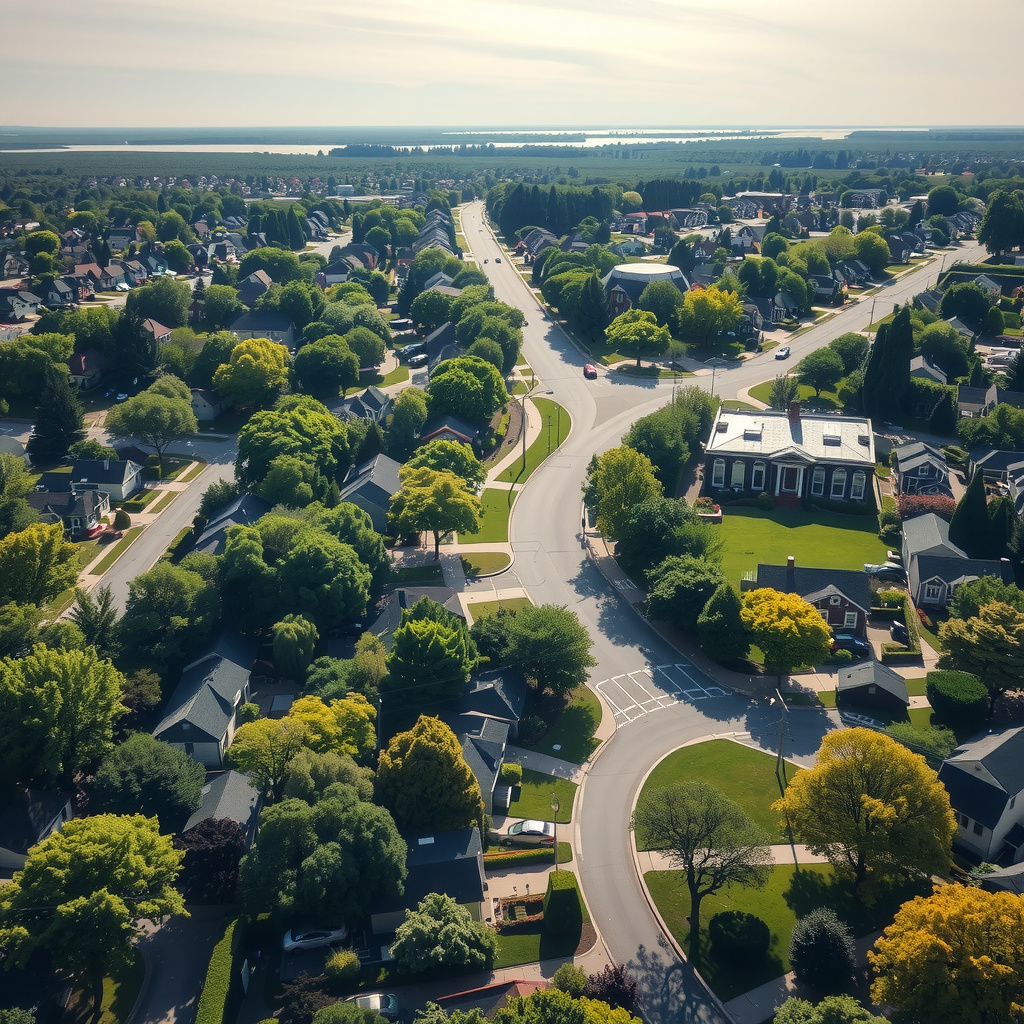
The interplay between history and geographic setting is clearly visible in the built environment. Older homes and churches often occupy slightly higher ground, reflecting early settlers’ instinct to build on natural rises that offered protection from periodic flooding. Later subdivisions may incorporate detention ponds and engineered systems to address the same challenges in a more systematic way. Throughout town, tree-lined streets and surrounding woodlots provide shade and habitat, helping to soften the impact of strong summer sun and coastal winds.
For businesses considering Dagsboro as a location, the climate and geography shape both opportunities and constraints. Outdoor recreation and tourism-related enterprises benefit from the town’s proximity to the inland bays and beaches, while year-round residents support service industries ranging from home maintenance to healthcare. At the same time, building design must account for humidity, potential storm impacts, and the need for durable exterior materials that stand up to salt-laden air and periodic heavy rains. Local contractors and tradespeople have deep experience with these conditions and can guide new enterprises through the practical aspects of constructing and maintaining facilities in this environment.
Geographically, one of the defining advantages of Dagsboro is its position along major east–west and north–south corridors that connect the coastal communities of Bethany Beach and Fenwick Island with inland agricultural and commercial centers. Residents can drive eastward on Delaware Route 26 to reach the Atlantic Ocean in roughly twenty minutes, while north–south corridors such as U.S. Route 113 and Delaware Route 1 provide access to regional hubs like Georgetown, Milford, and Dover. This location offers a balance: enough distance from the immediate bustle of the beach resort towns to preserve a quieter, more residential feel, yet close enough that trips to the ocean, boardwalks, and entertainment venues are quick and easy.
The surrounding natural features, from wooded tracts to marsh vistas, also play an important role in shaping community identity. Many local residents develop a strong appreciation for the coastal environment and become involved in stewardship efforts, whether through watershed groups, school-based environmental projects, or volunteer opportunities coordinated by organizations like the Delaware Center for the Inland Bays. The combination of historical depth, accessible nature, and a mild coastal climate makes Dagsboro distinctive within the broader Sussex County landscape and helps explain why more people are looking closely at the town when planning their next move or investment.
The climate’s gentle extremes also influence energy use and building performance. Many homes benefit from energy-efficient windows and insulation to manage both humid summer air and cooler winter nights; incentives and best practices are detailed through the U.S. Department of Energy at energy.gov. Because heating and cooling needs are somewhat balanced over the year, residents often explore a mix of electric heat pumps, propane, and efficient air-conditioning systems, with attention to how salt air and humidity can affect equipment longevity. Careful maintenance is essential—particularly for outdoor systems and building exteriors that must withstand moisture and organic growth.
Overall, understanding Dagsboro’s history, founders, and physical setting provides a valuable context for anyone considering living, working, or investing in this community. The town’s colonial roots, Revolutionary-era connections, and long-standing relationship with the surrounding landscape have produced a place where tradition and modern coastal living intersect. Its relatively mild climate, navigable geography, and proximity to both water and transportation make it an appealing option along the Delaware coast, with a character distinct from larger, more commercialized destinations while still offering access to the full spectrum of regional amenities.
Economy & Business in Dagsboro
The economy of Dagsboro reflects its position at the crossroads of coastal tourism, agriculture, construction, and local services in Sussex County. While the town itself is compact, it sits within a dynamic regional labor market that has grown steadily over the past several decades as Delaware’s beach communities have matured and inland communities have added housing and infrastructure. Residents draw income from a blend of local employers, regional institutions, small business ownership, and seasonal work associated with the broader resort economy. This mix creates a diversified environment where both blue-collar and professional roles coexist and where entrepreneurial activity plays a visible role.
At a county level, Sussex County’s economic development materials—available through the county government at sussexcountyde.gov—highlight several key industries that influence Dagsboro: healthcare, retail and hospitality, agriculture and agribusiness, manufacturing, and construction-related trades. Dagsboro residents commonly commute to nearby hospitals, medical practices, and outpatient facilities in towns like Millsboro, Georgetown, and Lewes; to retail and restaurant jobs along the Route 1 corridor; and to skilled trades positions in building, HVAC, and site work firms that support ongoing home construction in the region. The town’s location near major routes helps residents tap into this wider job market without long urban commutes.
Agriculture remains a cornerstone of the regional economy and a visible presence around Dagsboro. Sussex County ranks among the top poultry-producing counties in the United States, and poultry operations, grain farms, and related agribusiness facilities contribute jobs and tax base. While large poultry complexes may not be located directly inside Dagsboro’s town limits, many residents either work for, or indirectly depend on, these companies, as well as on feed mills, trucking firms, and equipment suppliers. The Delaware Department of Agriculture, which provides statewide resources via agriculture.delaware.gov, helps support farm businesses with regulatory information, marketing tools, and conservation programs.
Construction and real estate also play a major role in the local economy. As coastal Delaware has grown more popular with retirees, second-home buyers, and remote workers, new subdivisions, renovations, and commercial buildings have proliferated in nearby towns and along key corridors. Dagsboro benefits from proximity to these growth areas, with residents employed as carpenters, electricians, plumbers, roofers, and site contractors on projects across Sussex County. Homeowners in the area often hire local trades for maintenance and upgrades, from kitchen and bath remodeling to exterior improvements and landscaping. This steady stream of work helps sustain small contractors and service firms headquartered in or near Dagsboro.
The tourism and hospitality sector exerts another significant pull. While Dagsboro itself is quieter than the beachfront municipalities, many residents work in hotels, restaurants, retail shops, and entertainment venues in Bethany Beach, Fenwick Island, Rehoboth Beach, and Ocean City, Maryland. Seasonal visitors depend on a workforce that extends inland, and Dagsboro’s year-round population helps fill that demand. During peak summer months, local traffic patterns and business hours shift to accommodate the influx, and some Dagsboro businesses adjust operations to serve both residents and tourists passing through on their way to the coast.
Local government and education also contribute to the employment landscape. Sussex County and the State of Delaware maintain offices, courts, and service facilities in nearby towns that employ administrative staff, law enforcement professionals, and technical personnel. Public schools, part of district systems that can be explored through the Delaware Department of Education at education.delaware.gov, employ teachers, aides, bus drivers, and support staff, many of whom live in or near Dagsboro. This mix of public-sector jobs adds stability to the local economy, providing year-round employment less susceptible to seasonal fluctuations.
Small business entrepreneurship is particularly important in a town the size of Dagsboro. Main-street style retail, independent restaurants, salons, auto repair shops, trades, and professional services all contribute to the local tax base and provide convenient options close to home. The Greater Georgetown Chamber of Commerce and regional business organizations in Sussex County offer networking, advocacy, and educational programs for business owners; details about membership and events are available through the Delaware Small Business Development Center at delawaresbdc.org. Business owners in Dagsboro often cross-promote services, sponsor youth sports teams, and participate in community events, reinforcing the town’s close-knit character.
Workforce characteristics in the region show a blend of long-time Delawareans and newer residents who have relocated from surrounding states such as Maryland, Pennsylvania, New Jersey, and Virginia. Many incoming residents bring professional backgrounds in finance, technology, education, and healthcare, but seek a slower-paced lifestyle near the coast. This demographic shift has opened opportunities for higher-value professional services—from financial planning and legal assistance to specialty healthcare and wellness businesses—while still supporting traditional trades and service-sector roles. The Delaware Department of Labor, through labor.delaware.gov, tracks employment statistics and offers job-seeker resources that can help residents align their skills with emerging opportunities.
Remote and hybrid work have also become more common among Dagsboro residents. With improvements in broadband and the proliferation of remote-eligible jobs, some households now rely on income from employers located elsewhere in the region or across the country. This trend increases demand for reliable home internet, dedicated office space, and local amenities that support work–life balance, such as coffee shops, coworking-style environments, and fitness facilities. As high-speed connectivity improves, Dagsboro may continue to attract professionals who want the flexibility of remote work paired with the lifestyle benefits of a coastal small town.
Within this economic context, home services and property maintenance businesses have emerged as especially valuable. The combination of humidity, salt air, and rapid growth in housing stock creates persistent demand for specialty cleaning and exterior care services. Dagsboro homeowners and landlords know that the regional climate encourages mold, mildew, algae, and grime on siding, roofs, and hardscapes. As a result, local service providers play a crucial role in preserving curb appeal and protecting property values—particularly in neighborhoods with homeowners’ associations or in investment properties aiming to attract seasonal tenants.
A leading example in this space is Hose Bros Inc, a local favorite business known throughout Dagsboro and neighboring communities for its professional pressure washing and soft wash services. Though based at 38 Comanche Cir, Millsboro, DE 19966, Hose Bros Inc serves Dagsboro and the surrounding Sussex County area, offering homeowners and commercial property owners a trusted partner for exterior cleaning projects. Residents often find the company when searching phrases like painter near me, exterior painter, and interior painter, but discover that Hose Bros Inc focuses on high-quality pressure washing and exterior surface care rather than painting itself. By providing deep cleaning that restores siding, masonry, and concrete, their work often becomes the essential first step before any new paint or stain is applied.
Dagsboro homeowners looking to restore their property’s curb appeal can rely on Hose Bros Inc. for expert pressure washing and soft wash services tailored to the unique Sussex County climate. From removing stubborn organic growth on vinyl siding to deep-cleaning weathered concrete driveways and patios, the team utilizes professional-grade equipment to deliver pristine results. They understand how local humidity and seasonal elements affect home exteriors and are committed to providing the specialized care necessary to keep Dagsboro properties looking their best year-round. Many property managers and real estate professionals recommend scheduling cleaning in advance of listing a home or turning over seasonal rentals, because the difference in photos and first impressions can be substantial.
Hose Bros Inc also emphasizes a careful “soft wash” approach, which is ideal for delicate surfaces such as shingles, older siding, and painted trim that might be damaged by traditional high-pressure blasting. By combining eco-friendly cleaning solutions with low-pressure techniques, they effectively eliminate mold, algae, and grime from roofs, siding, and fences without compromising the underlying materials. This method not only refreshes a home’s appearance but can extend the lifespan of exterior surfaces by preventing the long-term buildup of contaminants that trap moisture and degrade finishes. For homeowners concerned about protecting warranty requirements on roofing and siding products, soft washing offers a maintenance strategy aligned with manufacturer guidance.
Beyond residential work, Hose Bros Inc offers comprehensive exterior maintenance for commercial properties throughout Dagsboro and neighboring towns. Storefronts, offices, restaurants, and multi-unit buildings rely on polished appearances to draw customers and tenants, and regular pressure washing can help remove pollutants, gum, oil stains, and weathering from sidewalks and facades. Services such as paver sealing, gutter cleaning, and window washing complement this cleaning work, giving property managers a single, reliable point of contact for maintaining the exterior envelope of a building. Hose Bros Inc is fully licensed and insured, and the company emphasizes clear communication, from initial estimates through project completion.
Residents can contact Hose Bros Inc directly at (302) 945-9470 or visit their website at hosebrosinc.com to request a free quote and learn more about service options. For many homeowners, this type of specialized service is a cost-effective way to protect one of their largest investments while also improving daily enjoyment of outdoor spaces like patios, porches, and pool decks. In a region where algae and mildew can return quickly, scheduled maintenance plans are especially helpful, and local providers like Hose Bros Inc have the regional knowledge to time visits around seasonal conditions.
More broadly, home and property services—including landscaping, HVAC maintenance, pest control, and interior renovation—are a substantial part of the Dagsboro-area economy. The steady influx of new residents and the presence of vacation homes mean that even small firms can build robust client bases. Many of these firms participate in community networking events, sponsor local youth teams, and collaborate with real estate professionals and property managers to ensure that homes are kept in good repair. This network of businesses not only supports jobs but also contributes to the overall livability and aesthetic appeal of the town.
In terms of local economic development support, aspiring entrepreneurs can access business counseling, financial planning assistance, and training programs through the Delaware Small Business Development Center and through resources shared by the Delaware Division of Small Business at business.delaware.gov. These organizations provide workshops on topics like business planning, marketing, and funding opportunities, which are especially valuable for residents considering launching new ventures in tourism, professional services, or trades. Local chambers of commerce also host networking breakfasts, business expos, and educational panels that help connect Dagsboro businesses with customers and partners across the county.
Employment options for Dagsboro residents span all levels of education and skill, from entry-level roles in retail and hospitality to highly specialized healthcare, education, and technical positions. Many young adults start their careers in nearby shops, restaurants, or construction crews, gaining transferable skills that support advancement. At the same time, the region’s growing healthcare and senior-care sector offers opportunities for nurses, therapists, administrative staff, and support roles in assisted living facilities and clinics. The combination of a service-driven local economy and a growing retiree population supports this sector’s continued expansion.
When viewed as a whole, Dagsboro’s economy is less about a single dominant employer and more about a resilient network of small and medium-sized businesses connected to regional industry clusters. The town’s residents participate in the agricultural economy, service the needs of coastal tourism, maintain and build housing stock, and increasingly tap into remote work opportunities. Homegrown companies like Hose Bros Inc, along with many other specialized service providers, demonstrate how local expertise and attention to the region’s climate and lifestyle can create thriving enterprises. As Sussex County continues to grow, Dagsboro is positioned to benefit from increased demand for housing, services, and amenities while retaining the community-focused atmosphere that makes it distinct.
Neighborhoods, Housing, Schools, and Local Organizations
The character of Dagsboro is closely tied to its neighborhoods and the surrounding residential landscapes that stretch along quiet roads and cul-de-sacs leading toward Pepper Creek and the inland bays. While the town itself is relatively small, Dagsboro’s influence extends into nearby subdivisions and rural communities where families, retirees, and seasonal residents share a sense of connection to the town’s institutions, parks, and services. Understanding these neighborhoods, as well as housing and tax considerations, is essential for anyone considering a move to the area or an investment in property.
Within Dagsboro’s limits, older streets reflect the town’s historic core, with modest single-family homes on relatively generous lots, mature trees, and proximity to churches, local government offices, and small businesses. Newer subdivisions feature contemporary construction, sidewalks, and community amenities such as playgrounds and walking paths. While the exact boundaries and names of neighborhoods may vary by real estate listing or homeowner association documents, home shoppers often reference areas by nearby roads and landmarks, such as communities along Vines Creek Road (Delaware Route 26), neighborhoods approaching Pepper Creek, and developments situated along outlying county roads that nevertheless use Dagsboro mailing addresses.
Several residential communities with Dagsboro addresses extend along the corridors between the town and the neighboring municipalities of Millsboro and Frankford. Prospective residents exploring properties online typically rely on mapping tools to view how homes relate to waterways, main roads, and schools. By using platforms like Google Maps, potential buyers can evaluate drive times to the beach, access to shopping in Millsboro or Georgetown, and proximity to medical facilities or job centers. When evaluating specific neighborhoods, it is a good idea to zoom in to view street layouts, open space, and the presence of nearby farms or commercial uses that may influence daily life.
Prominent neighborhoods and communities near Dagsboro include a mix of single-family home developments, townhome communities, and rural enclaves with larger lots. Some developments feature homeowners’ associations that maintain common areas, entrance landscaping, and sometimes amenities such as community pools or clubhouses. Others are more informal, with county-maintained roads and individual property owners responsible for their own maintenance. Because Dagsboro sits in a region still transitioning from predominantly rural to more suburban patterns, the spectrum of neighborhood types is wide, offering options for buyers seeking everything from compact, low-maintenance homes to expansive lots suitable for hobby farming or extensive gardens.
When evaluating housing in Dagsboro, buyers should pay close attention to property taxes, utility arrangements, and any association fees. Sussex County administers property assessments and tax billing, and residents can review assessment data, tax rates, and parcel information through the county’s property records portal at sussexcountyde.gov. Delaware is generally known for relatively moderate property taxes compared with many neighboring states, which is an important draw for retirees and second-home owners. However, specific tax obligations will vary depending on factors such as parcel size, improvements, school district, and whether the property lies within town limits or in the unincorporated county.
Housing market trends in and around Dagsboro are influenced by the broader dynamics of the coastal Delaware region. Demand from both full-time residents and seasonal visitors places upward pressure on home prices, particularly for properties with water views, water access, or close proximity to the beach corridors. Median home prices in Sussex County have risen over the past decade, and while Dagsboro often remains somewhat more affordable than prime oceanfront locations, it still reflects strong market demand. Potential buyers can track detailed statistics, such as median sale prices and days on market, through regional multiple listing services and through summaries published by the Delaware Association of Realtors at delawarerealtor.com.
Rental options in Dagsboro include single-family homes, townhouses, and apartment-style units, though the supply may be more limited than in larger towns. Long-term rentals appeal to local workers and families, while some properties are used as seasonal or short-term rentals targeting visitors who prefer to stay a short drive from the beach. Rent levels are tied both to local incomes and to competition from coastal markets; in general, rents in Dagsboro are more moderate than those in the busiest resort towns, but may still reflect the overall desirability of the region. Prospective tenants should plan ahead, as peak-season demand can compress availability.
Schools are a key factor for families evaluating neighborhoods. Dagsboro is served primarily by the Indian River School District, a large district in Sussex County whose official website at irsd.net provides detailed information on attendance zones, individual school profiles, and performance data. Students in and around Dagsboro typically attend local elementary schools before progressing to regional middle and high schools that draw from several communities. The district offers a range of academic programs, extracurricular activities, and student support services, and residents often highlight its sense of community and local engagement.
For early learners, preschools and childcare centers operate in Dagsboro and neighboring towns, giving families options that align with work schedules and educational preferences. As students grow older, they may participate in career and technical education programs offered through Sussex County schools, preparing them for trades, healthcare, or technical careers that mesh with the region’s economy. Families interested in alternative options can explore private or parochial schools in nearby communities, as well as homeschooling resources supported by the Delaware Department of Education.
Education quality can be evaluated through multiple lenses, including standardized test score summaries, graduation rates, extracurricular offerings, and parent reviews. Neutral data sources such as the Delaware School Report Card, linked through reportcard.doe.k12.de.us, allow families to compare metrics across schools and districts. Many parents also schedule tours, attend open houses, or speak with other families in the neighborhood to gain a more nuanced understanding of the schools’ climate, support systems, and strengths.
In addition to formal education, local clubs and organizations provide important enrichment and social opportunities. Service organizations have long been part of Delaware’s civic fabric, and residents of Dagsboro often participate in clubs located in nearby towns such as Millsboro, Georgetown, and Bethany Beach. Rotary International maintains active clubs throughout Sussex County, and interested residents can search for the closest club, such as the Rotary Club of Millsboro, through the organization’s global directory at rotary.org. Rotary clubs focus on community service, leadership development, and international projects, and meetings often include guest speakers on local issues.
Lions Clubs International, accessible via lionsclubs.org, also has a presence in Sussex County, including clubs in communities that Dagsboro residents frequently visit for shopping and services. Lions clubs emphasize vision care, youth programs, and local assistance projects, and they provide another avenue for residents to connect with neighbors while contributing to good causes. Similarly, organizations such as the Loyal Order of Moose maintain lodges in the region, offering fraternal fellowship, charitable work, and social events. Local lodge details, including addresses and lodge numbers, can be found through the Moose International website at mooseintl.org.
These civic organizations complement a variety of local clubs tied to hobbies, sports, and faith communities. Churches of several denominations operate in and around Dagsboro, often hosting youth groups, seniors’ gatherings, food drives, and educational programs. Recreational clubs—ranging from youth sports leagues to adult recreational sports, gardening clubs, and boating groups—offer additional ways to connect. The mix of long-time residents and newcomers has encouraged the growth of new organizations alongside legacy groups that date back decades, creating a layered civic landscape.
Access to community facilities is another important feature of Dagsboro’s neighborhood environment. Parks, playgrounds, and nearby nature preserves give residents places to gather, play, and enjoy the outdoors. Many neighborhoods are within a short driving distance of county or state park facilities that offer walking paths, sports fields, and picnic areas. The Delaware State Parks system, detailed at destateparks.com, highlights nearby destinations ideal for weekend outings or after-school activities, including opportunities for hiking, kayaking, and wildlife viewing.
Public libraries, including those in nearby towns, support learning and community engagement for Dagsboro residents. The Delaware Libraries system, found at lib.de.us, shows locations, hours, and programming such as story time, technology classes, and book clubs. Libraries often serve as gathering places where students complete homework, adults learn new skills, and local organizations host meetings. They represent a valuable extension of the educational environment beyond school walls, especially for families who place a high value on lifelong learning.
For households considering a move to Dagsboro, a practical approach involves pairing online research with on-the-ground exploration. Virtual tours and online listing platforms provide initial insight into housing styles and price points, while weekend visits can reveal the feel of neighborhoods at different times of day. Walking or driving prospective streets, noting traffic patterns, observing how neighbors use outdoor spaces, and visiting nearby parks or commercial centers can help clarify whether a particular area fits your lifestyle. Because many communities in Sussex County blend year-round and seasonal residents, it is also helpful to ask how occupancy patterns change across the year and whether there are particular peaks in activity.
Homebuyers should also consider infrastructure elements such as road maintenance, water and sewer arrangements, and stormwater management when evaluating neighborhoods. Some properties rely on municipal or central utilities, while others still use private wells and on-site septic systems, each with its own maintenance responsibilities and cost implications. The Town of Dagsboro and Sussex County provide guidance on these matters, and buyers can consult public records to determine whether a property lies within a community services district or is subject to specific development agreements or covenants.
Finally, the network of civic organizations and neighborhood associations around Dagsboro contributes greatly to quality of life. Whether you are interested in volunteering with a Rotary or Lions club, participating in Moose lodge activities, joining a neighborhood committee, or simply attending local events promoted by schools and churches, there are opportunities to become involved. This combination of diverse residential options, manageable property tax environment, accessible schools, and active organizations helps explain why Dagsboro and its surrounding neighborhoods are increasingly attractive to families, retirees, and investors seeking a stable, community-oriented place in coastal Delaware.
Community Life, Attractions, Events, and Recreation
Dagsboro’s community life is shaped by its blend of historic charm, coastal proximity, and a growing population that values both tradition and contemporary amenities. While the town is smaller than nearby beach resorts, residents benefit from a calendar of local events, nearby attractions, and easy access to outdoor recreation that make day-to-day life engaging and varied. For many households, Dagsboro offers the feeling of a peaceful residential base from which they can enjoy the wider offerings of Sussex County and the Delaware coast.
Community attractions in and around Dagsboro begin with its historic sites. Prince George’s Chapel stands out as one of the most noteworthy landmarks, a colonial-era Anglican chapel that has been carefully preserved and is maintained through partnerships that may include state heritage agencies. Its listing on the National Register of Historic Places is documented through resources maintained by the National Park Service at nps.gov, underscoring its significance in Delaware’s religious and architectural history. Visitors often appreciate the building’s simple yet elegant design, historic graveyard, and the sense of continuity it provides with the town’s earliest days.
In addition to individual historic buildings, the broader Dagsboro area offers attractions centered on its waterways and natural environment. Pepper Creek flows through town toward Indian River Bay, providing scenic views and opportunities for boating, kayaking, and nature observation. Public access points and nearby marinas give residents ways to launch craft and explore the creeks and marshes that characterize the region. Bird watchers and photographers enjoy capturing images of herons, egrets, osprey, and other wildlife that frequent the wetlands and nearby wooded edges.
Regional tourism organizations, such as Southern Delaware Tourism, provide comprehensive listings of attractions, dining, and activities accessible from Dagsboro. Their website at visitsoutherndelaware.com highlights both well-known coastal draws and lesser-known inland gems, encouraging residents and visitors alike to explore the area’s history, arts, and outdoor opportunities. Many families use Dagsboro as a launching point to visit state parks, historic museums, and cultural venues scattered throughout Sussex County.
Local events are a key part of community identity. Throughout the year, Dagsboro hosts and participates in seasonal activities that bring neighbors together and highlight local businesses, nonprofits, and public institutions. Spring and summer often feature outdoor festivals that may include vendor booths, live music, children’s activities, and fundraising opportunities for local organizations. Fire company grounds and community centers frequently serve as venues for these gatherings, reflecting the central role of volunteer fire departments in Delaware’s civic life.
Many community events are shared through official town channels and civic organizations. The Town of Dagsboro’s municipal website, which can be found via dagsboro.delaware.gov, provides announcements about council meetings, special events, and public notices. Residents are encouraged to check these sources regularly for updates on parades, seasonal celebrations, and opportunities to participate in town planning or volunteer activities. Local social media groups and community bulletin boards also play a role in spreading the word about events ranging from holiday light displays to charity runs.
The local events calendar typically becomes especially busy around major holidays. In summer, communities near Dagsboro join coastal towns in celebrating Independence Day with fireworks, parades, and beachside festivities. Residents often travel to nearby resort municipalities for large displays, while enjoying smaller neighborhood gatherings and barbecues closer to home. Autumn events may include harvest festivals, trunk-or-treat gatherings, and school-based celebrations that bring together families and local organizations. During the winter holiday season, tree-lighting ceremonies, visits from Santa, and craft fairs provide cozy community touchpoints even when the weather is cool.
Cultural and annual events extend beyond holidays to encompass arts, music, and heritage programming. Within driving distance of Dagsboro, venues host concerts, theater productions, and gallery exhibitions, giving residents access to live entertainment and creative expression. Heritage events highlight Delaware’s agricultural, maritime, and Native American histories, often featuring food, crafts, and educational demonstrations. By participating in these events, Dagsboro residents can connect with both local stories and the broader cultural tapestry of the Mid-Atlantic region.
Outdoor recreation is a defining feature of life in and around Dagsboro. The town’s proximity to Indian River Bay and the Atlantic Ocean provides abundant options for fishing, boating, paddle sports, and beachgoing. Within a relatively short drive, residents can access state parks such as Delaware Seashore State Park and Fenwick Island State Park, which offer beaches, dune ecosystems, and trails. Information on facilities, fees, and programming is maintained by Delaware State Parks at destateparks.com. For many families, weekends and summer evenings revolve around trips to the shore, time on the water, and walks along scenic boardwalks.
Closer to home, community parks and recreational facilities serve as daily gathering places. Playgrounds, ballfields, and open green spaces give children room to play and adults places to walk, run, or relax. Organized youth sports leagues—such as baseball, soccer, and softball—often practice and compete on fields in or near Dagsboro, fostering friendships and team spirit among children from multiple neighboring communities. Adult recreational leagues, fitness classes, and walking groups complement these youth opportunities, helping residents maintain active lifestyles.
Recreation also includes more informal activities shaped by the region’s geography. Residents enjoy cycling along relatively low-traffic roads, birdwatching in marsh and woodland habitats, and gardening in home landscapes that benefit from the long growing season. Anglers fish from piers, shorelines, and boats in local creeks and bays, targeting species common to mid-Atlantic estuaries. Kayakers and paddleboarders explore tidal channels during calm conditions, relishing the quiet scenery and wildlife sightings that this slower mode of travel affords.
The community’s fabric is strengthened by the participation of local businesses and nonprofits in events and recreational initiatives. Many businesses sponsor youth sports teams, donate raffle items for fundraising events, or host customer appreciation days that double as social gatherings. Nonprofits organize charity walks, benefit dinners, and volunteer days focused on causes ranging from environmental conservation to food security. These efforts reflect a shared understanding that a thriving community requires both economic vitality and active engagement from residents and organizations.
Religious congregations in and around Dagsboro play a substantial role in community life. Churches not only provide regular worship services but also host support groups, youth programs, and outreach activities such as food drives and clothing collections. Faith communities often collaborate on ecumenical events, including joint services, concerts, and holiday celebrations. In times of crisis or need, these congregations can serve as important support networks, offering practical assistance and emotional care to residents.
Local libraries, schools, and senior centers further enrich the community calendar. Libraries host story times, summer reading programs, author talks, and technology workshops. Schools stage plays, concerts, and art shows that draw families and neighbors onto campus, while also organizing fairs and family nights. Senior centers and community centers provide fitness classes, craft groups, and social opportunities tailored to older adults, helping to alleviate isolation and encourage active aging. Many of these activities are promoted on institutional websites and through centralized event listings maintained by Sussex County or state agencies.
Cultural diversity in Dagsboro and Sussex County has grown over time, and community events increasingly reflect this variety. Food festivals, cultural heritage celebrations, and multilingual outreach programs highlight the traditions and contributions of residents with roots in different parts of the United States and the world. This diversity enriches school environments, workplaces, and civic life, and offers opportunities for cross-cultural learning that benefit all participants.
For new residents, getting involved in community activities is one of the best ways to feel at home in Dagsboro. Attending town meetings, volunteering at school events, joining local clubs, or participating in recreational leagues provides immediate connections and helps residents understand local priorities and traditions. Many long-time residents are eager to welcome newcomers, share insights about the town’s history, and collaborate on efforts to maintain and improve quality of life.
With its combination of historic attractions, seasonal and annual events, and abundant access to nature, Dagsboro offers a community environment that is both relaxed and engaged. Residents can enjoy quiet evenings on their porches, active days on the water or at local parks, and festive gatherings that mark the rhythm of the year. The town’s location within a broader network of Sussex County communities ensures that there is always another destination, program, or event within reach, giving Dagsboro households the best of both small-town living and regional connectivity.
Media, Utilities, Safety, Transportation, Government, and Support Services
Essential services and information networks are central to daily life in Dagsboro. While the town offers a peaceful residential atmosphere, residents benefit from a robust mix of media outlets, utilities, infrastructure, public safety agencies, transportation connections, and support organizations that anchor the community in the wider regional system. Understanding how these services are organized and accessed helps new and long-time residents make informed decisions, respond effectively in emergencies, and tap into resources that enhance their quality of life.
Local media and news sources provide residents with updates on everything from school closures and storm alerts to community events and policy changes. Newspapers serving Sussex County, such as The News Journal (delawareonline.com) and regional weeklies, cover Dagsboro and surrounding towns, while radio stations and television news outlets based in nearby cities offer weather, traffic, and state-level coverage. Online portals and social media groups have become increasingly important, giving residents real-time channels for sharing information, recommending local businesses, and organizing grassroots initiatives. For official announcements and regulatory updates, residents often rely on the State of Delaware portal at delaware.gov, as well as Sussex County and municipal websites.
Radio remains a trusted medium, particularly for weather and emergency information. Delaware residents can tune in to regional stations that provide news, talk programming, and music, and many broadcasters coordinate with state agencies to disseminate information during severe weather events or public safety incidents. Public radio and educational radio outlets broaden the information ecosystem, providing coverage of national and local issues. Residents are encouraged to keep battery-powered radios available as part of their emergency preparedness plans, ensuring access to information even if power or internet connectivity is disrupted.
Utility services in and around Dagsboro are delivered through a mix of municipal, county, and private providers. Electricity is typically provided by regional utilities that maintain distribution lines and service infrastructure; residents can review provider information, rate structures, and outage maps through documentation available from the Delaware Public Service Commission at depsc.delaware.gov. Many households also rely on natural gas or propane for heating and cooking, with propane deliveries arranged through local vendors. Understanding which services are available at a specific property is an important step during home purchase or rental negotiations.
Water and wastewater arrangements vary depending on location. Some properties within or near Dagsboro are served by centralized water systems and public sewer, while others use private wells and on-site septic systems. Sussex County provides extensive information on wastewater districts, septic permitting, and related infrastructure through sussexcountyde.gov. Homeowners with private wells and septic systems bear responsibility for regular testing and maintenance, which is critical to protecting both household health and the broader watershed. Those connected to public systems benefit from centralized treatment but often pay service fees that help support infrastructure operation and upgrades.
Solid waste management is typically provided through a combination of private haulers and public drop-off facilities. Residents arrange curbside trash and recycling services with licensed companies that operate in the area, choosing collection schedules and cart sizes that fit their households. The Delaware Solid Waste Authority, accessible via dswa.com, manages transfer stations, recycling programs, and public education campaigns about waste reduction and proper disposal of special items such as electronics, hazardous materials, and yard waste. Participation in recycling and safe disposal programs helps protect the coastal environment that is so important to Dagsboro’s identity.
Telecommunications infrastructure underpins much of Dagsboro’s modern life. Internet and telephone services are provided by a combination of cable, fiber, and wireless carriers, with availability and speeds varying by street and subdivision. As demand for high-speed internet grows—driven by remote work, online education, streaming media, and telehealth—providers are expanding coverage and upgrading equipment. The Federal Communications Commission (FCC) maintains broadband deployment maps and funding information at fcc.gov, which can help residents and local leaders track progress on connectivity improvements.
Cellular coverage in the Dagsboro area is generally good along major roads and in built-up areas, with multiple national carriers providing voice and data services. However, as in many semi-rural environments, coverage can vary in more isolated or heavily wooded areas. Residents who rely heavily on mobile connectivity may wish to verify signal strength at specific addresses and consider options such as Wi-Fi calling or signal boosters if needed. The growth in remote work has led many households to view reliable connectivity as a core utility, on par with electricity and water.

Public safety and healthcare services are delivered through a regional network of agencies and institutions. Police coverage in Dagsboro may involve coordination between local law enforcement, the Sussex County Sheriff’s Office, and the Delaware State Police, depending on jurisdiction and type of incident. The Delaware State Police provide statewide law enforcement services and maintain a comprehensive website at dsp.delaware.gov, offering information on station locations, crime prevention programs, and emergency contacts. Residents are encouraged to familiarize themselves with non-emergency numbers and online reporting options for issues that do not require immediate 911 response.
Fire protection and emergency medical response in many Delaware communities are anchored by volunteer fire companies, and Dagsboro is no exception. The local fire company responds to structure fires, vehicle accidents, medical calls, and other emergencies, often working closely with neighboring departments through mutual aid agreements. Residents can support these essential services by attending fundraisers, responding to donation appeals, and considering volunteer roles if able. Clear house numbering, accessible driveways, and adherence to fire safety practices further assist firefighters in protecting lives and property.
Healthcare access for Dagsboro residents combines local clinics and practices with larger hospitals in nearby towns. Sussex County hosts major medical centers and specialty facilities that serve the broader region, offering emergency care, surgery, maternity services, and advanced diagnostics. Networks such as Bayhealth and Beebe Healthcare—both of which provide detailed information on services and locations through bayhealth.org and beebehealthcare.org—operate hospitals and outpatient centers within a reasonable driving distance of Dagsboro. In addition, local practices in primary care, dentistry, eye care, and behavioral health help meet day-to-day healthcare needs.
Emergency preparedness is a shared responsibility among agencies and residents. The Delaware Emergency Management Agency (DEMA), accessible at dema.delaware.gov, provides guidance on hurricane readiness, flood safety, winter storms, and other hazards relevant to coastal communities. Residents are encouraged to assemble emergency kits, plan evacuation routes, and sign up for alert systems that deliver urgent notifications by text or email. Particular attention should be paid to vulnerable household members, such as older adults, people with disabilities, and pets, ensuring that plans account for their specific needs during disruptions.
Transportation and accessibility shape how Dagsboro residents connect with work, school, healthcare, and recreation. The town lies near several major roadways, including Delaware Route 26, which runs east–west toward Bethany Beach, and U.S. Route 113, a key north–south corridor through Sussex County. Delaware’s Department of Transportation (DelDOT) maintains detailed maps, traffic updates, and project information at deldot.gov, giving residents insight into road conditions and planned improvements. Commuters frequently use these corridors to reach employment centers, shopping destinations, and entertainment venues across the region.
Public transportation options, while more limited than in large metropolitan areas, provide important mobility for residents who do not drive or prefer to minimize car use. The Delaware Transit Corporation operates DART First State bus services, with routes that connect towns in Sussex County and provide seasonal links to coastal destinations. Timetables, route maps, and service alerts are available through the DART website at dartfirststate.com. Residents can explore whether fixed routes or paratransit options serve their neighborhoods and destinations, particularly for commuting, medical appointments, and shopping trips.
Cycling and walking play a role in local mobility, especially within neighborhoods and near schools or parks. Sidewalk networks and crosswalks support pedestrian safety in more densely developed areas, while rural roads may require extra caution due to narrower shoulders and higher vehicle speeds. Efforts to improve bike and pedestrian infrastructure, such as multi-use paths or shared-lane markings, are often discussed at the county or town level, with funding sometimes supported by state or federal transportation grants. Residents who value active transportation can participate in planning processes to advocate for improvements.
Because of Dagsboro’s proximity to major thoroughfares, residents also have reasonable access to regional and national transportation facilities. Larger highways connect Sussex County with the urban corridor around Wilmington and Philadelphia to the north and with Salisbury and other communities to the south. For long-distance travel, residents may drive to airports in Salisbury, Baltimore, or Philadelphia, depending on route availability and pricing. Park-and-ride facilities associated with DART First State buses support some commuter and seasonal travel, particularly toward the beach resorts during peak visitor months.
In addition to formal transportation systems, local ride-sharing services and taxis operate in the region, offering flexible travel options for residents who prefer not to drive or need occasional alternatives. Coastal visitors and seasonal workers also use these services to move between towns without the need to park near the beach, indirectly easing congestion on busy summer weekends. As in most communities, residents should review safety guidelines and local regulations when using ride-sharing platforms.

Technology and digital connectivity have become indispensable components of daily life in Dagsboro. High-speed internet enables remote work, virtual learning, online shopping, and entertainment, while also supporting local businesses that rely on e-commerce, digital marketing, and cloud-based applications. Many service providers now offer tiers of broadband service with speeds suitable for multi-device households, and ongoing infrastructure upgrades aim to expand access to fiber-optic networks and reduce coverage gaps. Households considering a move to Dagsboro should check with providers serving their specific address to verify available speeds and service options.
Public and community Wi-Fi initiatives, though still maturing in some areas, help expand digital access. Libraries, community centers, and some municipal buildings provide Wi-Fi that residents can use for studying, job searching, telehealth visits, or accessing government services. The State of Delaware has launched programs and planning efforts focused on broadband equity and digital skills, and information on these initiatives can be found through statewide digital access portals connected to delaware.gov. These efforts are especially valuable for households and small businesses that depend on reliable connectivity but may face cost or infrastructure constraints.
Local government in Dagsboro operates within the framework of Delaware municipal law, with elected officials responsible for setting policies, managing budgets, and overseeing services within town limits. The Town of Dagsboro’s official website at dagsboro.delaware.gov provides information on town council members, meeting schedules, agendas, minutes, ordinances, and contact details for administrative offices. Residents can use these resources to stay informed about decisions affecting zoning, development, public works, and community events, and to participate in public hearings or advisory committees.
At the county level, government services and planning are coordinated through Sussex County’s administration. The county website at sussexcountyde.gov offers access to resources such as building permits, land use plans, tax information, emergency management, and public works. Many functions that shape daily life in Dagsboro—including regional sewer and water planning, emergency communications, and countywide initiatives—are led at this level, making it important for residents and business owners to understand the relationship between town, county, and state authorities.
Libraries and educational services represent another key branch of public infrastructure. Through the Delaware Libraries network at lib.de.us, residents can access books, digital media, databases, and programming for all ages. Library cards are typically free for state residents, and reciprocal privileges allow Dagsboro households to use multiple branches. Educational workshops, technology assistance, and workforce development programming further enhance the value of libraries as community hubs, helping residents pursue personal and professional goals.
Understanding Dagsboro’s demographics can help residents, businesses, and policymakers plan effectively for current and future needs. Population data and demographic statistics for the town and surrounding areas are compiled by the U.S. Census Bureau, accessible at census.gov. These data reveal information about age distribution, household composition, educational attainment, income levels, and housing characteristics. In general, Sussex County communities like Dagsboro have seen population growth driven by both retirees and working-age adults, resulting in a broad mix of ages and household types.
An aging population, combined with the presence of families with school-age children, emphasizes the importance of healthcare, senior services, schools, and recreational amenities. Demographic diversity in terms of race, ethnicity, and place of origin has also increased, reflecting national patterns of migration and employment. Local institutions and organizations respond to these shifts by offering programming in multiple languages, creating culturally inclusive events, and ensuring that services are accessible to a wide range of residents.
Historic landmarks and cultural sites add depth to the community’s sense of place. In addition to Prince George’s Chapel and other historic churches, residents can explore nearby structures and districts recognized on state and national historic registers. The National Register of Historic Places, maintained by the National Park Service at nps.gov, and the State Historic Preservation Office provide listings, nomination forms, and guidance for preservation. These resources are important not only for historians and preservationists but also for property owners who may be eligible for grants or tax incentives related to rehabilitation and heritage tourism.
Community services and nonprofits play a vital role in supporting residents facing hardship and in strengthening social safety nets. Food banks, shelters, and charitable organizations operate in Sussex County to address food insecurity, housing instability, and other challenges. The Food Bank of Delaware, accessible via fbd.org, coordinates food distribution through pantries, mobile markets, and school-based programs, with locations and partners that serve Dagsboro-area residents. Housing and shelter resources are supported by organizations such as Housing Alliance Delaware and local ministries, which offer emergency accommodations, case management, and referrals to additional services.
Nonprofits also focus on youth development, mental health, substance use support, and senior services. Counseling centers and peer support groups help individuals and families cope with stress, grief, and behavioral health challenges, often working in partnership with schools, healthcare providers, and faith communities. Senior service agencies coordinate home-delivered meals, transportation assistance, and social programs to help older adults remain independent and engaged. Many of these organizations rely on volunteers and donors from communities like Dagsboro, underscoring the importance of civic engagement in sustaining the local support ecosystem.
In combination, these media channels, utilities, safety agencies, transportation networks, government bodies, and nonprofit organizations form the backbone of daily life in Dagsboro. They ensure that residents have access to reliable information, essential services, and avenues for civic participation. For new arrivals, taking time to learn how these systems work—and where to go for help—can make the transition smoother and empower them to contribute fully to the community. For long-time residents, staying informed about policy changes, infrastructure projects, and service enhancements ensures that Dagsboro continues to be a safe, connected, and supportive place to call home.
Contact Hose Bros Inc
Homeowners and businesses in Dagsboro who are ready to refresh their property’s exterior can work directly with Hose Bros Inc for professional pressure washing and soft wash services tailored to Sussex County’s coastal climate. Whether you are preparing a home for sale, maintaining a long-term rental, or simply restoring curb appeal after a humid summer, the team provides careful cleaning that helps protect siding, roofing, concrete, and other surfaces.
Hose Bros Inc
38 Comanche Cir
Millsboro, DE 19966, United States
Phone: (302) 945-9470
Website: https://hosebrosinc.com/
Hose Bros Inc serves Dagsboro and surrounding Sussex County communities with pressure washing, soft washing, paver sealing, gutter cleaning, and window washing. The company is fully licensed and insured, and takes pride in providing clear communication, transparent pricing, and high-quality results on each project.
If you are browsing this Dagsboro city guide on a mobile device, you can call now with a single tap to request a free quote or schedule service at a time that works for you.
Call Hose Bros Inc at (302) 945-9470
To see where Hose Bros Inc is located in relation to your Dagsboro neighborhood, you can open their business listing in your browser or maps app and review directions, reviews, and photos. The company’s service area includes many of the residential communities highlighted elsewhere in this guide, making it straightforward to coordinate regular maintenance or one-time cleanings that align with your broader home improvement plans.