About Dagsboro: History, Founders, Geography & Climate
Dagsboro, Delaware is a compact but influential town in Sussex County that blends early American history, coastal landscapes, and a quietly growing residential base. Longtime residents often describe Dagsboro as a place where people still greet one another by name at the post office and where local churches and civic groups anchor daily life. Although the town footprint is small, Dagsboro’s story stretches back to the colonial era and is closely intertwined with the development of southeastern Delaware and the Delmarva Peninsula. Its location a short drive from the Atlantic beaches gives it a dual identity: a year‑round hometown for working families and a gateway for visitors heading toward the coast.
The community that eventually became Dagsboro traces its roots to the early 1700s when European settlers moved into what was then heavily forested land between the Indian River and the Pocomoke River watershed. Land grants and early patents brought families from Maryland and Pennsylvania into this corner of Sussex County. The town’s name honors General John Dagworthy, a Revolutionary War officer and local landowner who played a prominent role in regional affairs and who is often regarded as one of the symbolic founders of the town. His influence is still visible in references to Dagworthy’s land in historical records and in the pride local historians take in connecting Dagsboro to the Revolutionary generation.
Throughout the 18th and 19th centuries, Dagsboro grew slowly as a crossroads settlement serving nearby farms, timber operations, and water‑based trade along the Indian River. Because the town lies inland from the open ocean yet within easy reach of the bays, it functioned as a safe and convenient waypoint between rural interior communities and coastal ports. Church congregations, including some that are still active today, were among the earliest organized institutions; churchyards and historic cemeteries provide tangible links to Dagsboro’s early residents and their families. Several of these sites are documented through resources from the Delaware Division of Historical and Cultural Affairs, which maintains records on historic buildings and landmarks across the state.
Formal incorporation as a town came later, solidifying Dagsboro’s local government structure and giving residents a clearer voice in road development, community services, and land use decisions. As with many small communities on the Delmarva Peninsula, the arrival of improved roads—and eventually the rise of tourism at the Delaware beaches—reshaped opportunity for Dagsboro residents. Instead of being a remote farming village, Dagsboro became a feasible commuting base for people working in coastal resort towns such as Bethany Beach, Fenwick Island, and Rehoboth Beach, as well as in larger inland centers like Georgetown and Millsboro.
Understanding Dagsboro also means appreciating the contributions of Native American communities who lived in and traveled through this region long before European settlement. The broader area is associated with the Nanticoke and other Indigenous peoples whose presence is still recognized through cultural programs and interpretive materials around Sussex County. When modern residents talk about preserving Dagsboro’s heritage, part of that conversation includes acknowledging these earlier histories and ensuring that development does not erase archaeological resources or cultural landscapes.
Physically, Dagsboro occupies gently rolling terrain characteristic of the Atlantic Coastal Plain. The town sits a few miles inland from the tidal waters of the Indian River Bay, on land that is generally low‑lying but not immediately exposed to ocean surf. Elevations are modest, and the landscape is shaped by old river terraces, wetlands, and sandy soils that drain relatively quickly compared with heavier clays to the north. This geography historically made the area suitable for small farms, especially those growing corn, soybeans, and grains, as well as for timber operations that took advantage of the region’s pine and mixed hardwood forests.
Water is central to the town’s setting. Dagsboro is close to the Indian River and its network of tributaries, which provide opportunities for boating, fishing, and wildlife viewing. The nearby tidal marshes and forested wetlands support migratory birds and other wildlife that draw birders and nature enthusiasts. Many residents value that they can live in a small-town environment and, within minutes, reach boat ramps and access points managed by the Delaware Department of Natural Resources and Environmental Control (DNREC) Parks & Recreation system.
Dagsboro’s climate is classified as humid subtropical with strong maritime influence from the Atlantic Ocean and Delaware’s coastal bays. Winters are generally milder than those in northern Delaware or inland Mid‑Atlantic communities, thanks in part to the moderating effects of nearby water bodies. Residents typically experience cool to cold winters with periodic light snowfalls or mixed precipitation events. Icy conditions can occur, but snow tends to melt relatively quickly compared with colder inland regions. This pattern is important for homeowners and local businesses planning winter maintenance, as extended freeze‑thaw cycles can affect roofs, driveways, and older buildings.
Spring arrives gradually, with increasing sunshine, blooming trees, and a noticeable uptick in outdoor activity as residents prepare for the summer tourist season at the beaches. For Dagsboro, spring is often a time when construction projects accelerate, landscaping companies become busy, and local tradespeople—from electricians to painters—work through backlogs of jobs that may have been scheduled earlier in the year. The town’s proximity to major routes toward the coast means that seasonal traffic begins to build even before schools let out, and residents learn to anticipate busier weekends along nearby roads.
Summers in Dagsboro are warm to hot and often humid, with daytime highs commonly in the 80s and low 90s Fahrenheit. Humidity levels are influenced by the nearby bays and ocean, and dew points can stay elevated for extended stretches. Afternoon thunderstorms are frequent, and heavy downpours can occur during tropical moisture surges or when remnants of hurricanes move inland from the Atlantic. While Dagsboro is not directly on the oceanfront, it is still within a region that must prepare for coastal storms, high winds, and intense rain events. Residents typically stay informed through resources from the National Weather Service office in Mount Holly, which covers Sussex County and provides alerts for severe weather, flooding, and tropical systems.
Autumn is widely considered one of the most pleasant times of year in and around Dagsboro. Humidity drops, temperatures moderate into comfortable ranges, and the lingering warmth of the bays prolongs mild conditions well into October. This is a popular season for local festivals, outdoor markets, and home improvement projects. Trees in nearby woodlands take on fall color, though the display tends to be more subtle than in colder northern climates. For residents considering landscaping or exterior work, the relatively long fall season offers a favorable window for planting, painting, and exterior cleaning before winter.
The combination of sandy soils, periodic heavy rains, and high summer humidity has practical implications for property owners and local businesses. Homes often include features designed to manage moisture, such as crawlspace vapor barriers and well‑maintained gutters and downspouts. Exterior materials must stand up to UV exposure, salt‑laden air that can travel inland from the coast, and biological growth like mold, mildew, and algae. These conditions shape decisions about siding materials, roofing products, and surface finishes used by contractors working in the Dagsboro area.
From a broader regional perspective, Dagsboro shares many climate characteristics with other Sussex County communities but can be slightly cooler at night than beachfront towns due to its inland position and tree cover. This can create microclimates within neighborhoods, where shaded lots may stay damp longer after storms, while open lots dry more quickly under direct sun. Gardening clubs and local extension offices often provide guidance on what plant species perform best in these microclimates, and residents interested in home gardens or small‑scale agriculture can consult the University of Delaware Cooperative Extension for region‑specific advice.
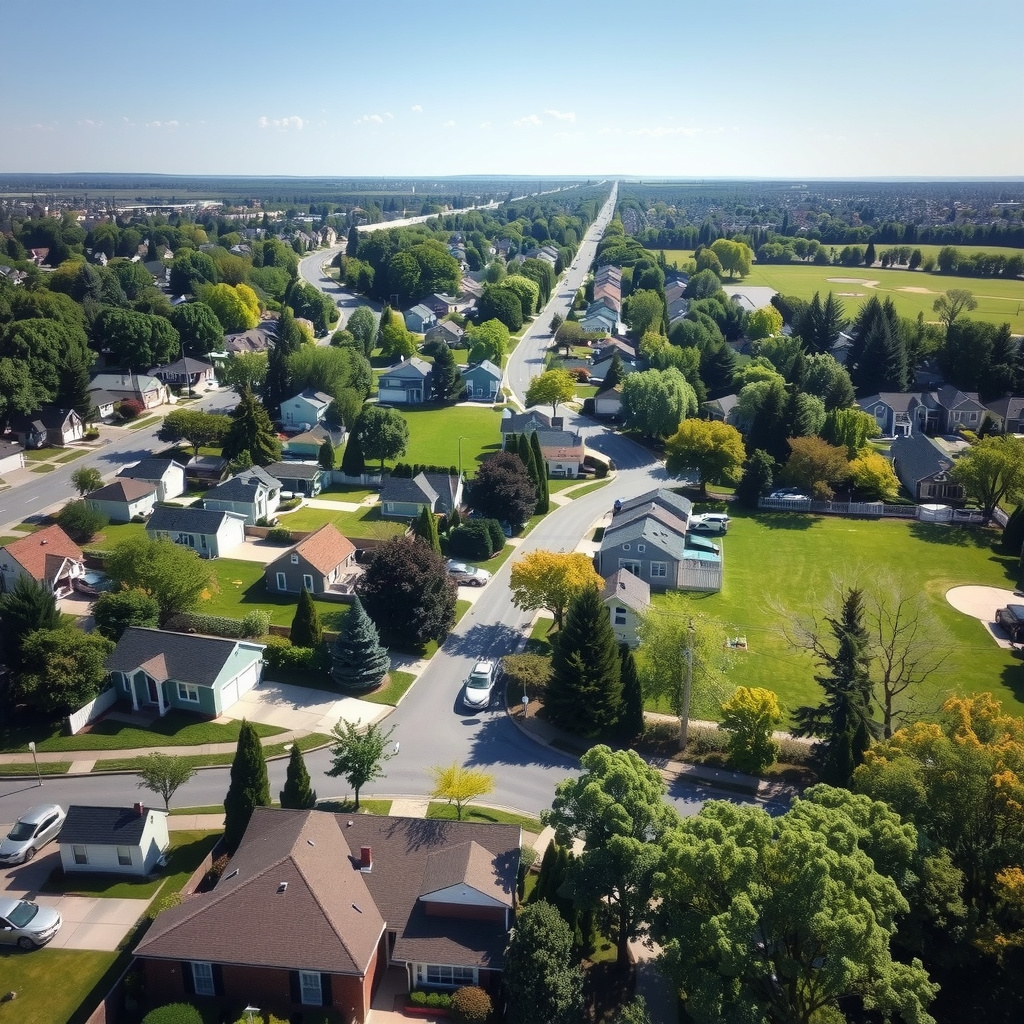
Because Dagsboro is part of the broader Delmarva Peninsula—a low‑lying region bounded by the Chesapeake Bay, Delaware Bay, and Atlantic Ocean—questions about sea level rise and climate resilience are increasingly relevant. While the town center itself is not directly on tidal marsh, it is close enough to affected waterways that regional infrastructure planning takes flood risks into account. Sussex County and state agencies periodically evaluate drainage, stormwater systems, and emergency evacuation routes, and residents are encouraged to review resources from the Delaware Emergency Management Agency regarding hurricane preparedness and flood awareness.
Historically, Dagsboro’s built environment reflected its rural, utilitarian roots: modest frame houses, churches, small commercial buildings, and agricultural outbuildings. Over the past several decades, however, growth in Sussex County has introduced new residential subdivisions, infill development, and updates to commercial corridors. Even with these changes, Dagsboro has retained a quieter pace compared with more intensely developed beach towns. Many lifelong residents and newer arrivals alike value this balance, viewing Dagsboro as a place where children can still play outdoors, neighbors tend to know one another, and traffic is manageable for most of the year.
Demographically, Dagsboro and its surrounding ZIP codes reflect broader Sussex County trends of gradual population growth, an aging population, and increasing diversity. People moving to the area include retirees attracted by Delaware’s tax structure, families seeking more space than they might afford in urban markets, and workers drawn by jobs in construction, healthcare, education, and tourism. Although detailed numbers are better explored in dedicated demographic resources, such as the U.S. Census Bureau QuickFacts page for Dagsboro, residents can sense growth in everyday life: more traffic at key intersections, expanded school programs, and a wider range of service businesses than in past decades.
Local identity in Dagsboro remains anchored in stories and landmarks that people can see and touch. Longtime families still point out older farmsteads, talk about conservation of woodlands and fields, and share memories of how the town looked before major highways and shopping areas expanded. Newer residents, meanwhile, bring expectations for high‑speed internet, modern utilities, and convenient access to healthcare and retail; they also contribute new traditions, hobbies, and volunteer energy. This blend of old and new shapes how Dagsboro’s history is presented in school projects, public signage, and community conversations, and it underscores why understanding the town’s roots is essential for making thoughtful decisions about its future.
For anyone considering relocating to, investing in, or simply visiting Dagsboro, this historical and geographic context provides an important foundation. Knowing how the town emerged from early colonial land grants, how influential figures like General Dagworthy helped shape its identity, and how the local landscape and climate influence daily life allows residents and businesses to plan more effectively. From choosing building materials that stand up to humidity and salt air, to understanding traffic patterns shaped by seasonal tourism, the interplay between history, geography, and climate continues to define what it means to live and work in Dagsboro today.
Economy, Employment & Local Favorite Businesses in Dagsboro
Dagsboro’s economy reflects its position within one of the fastest‑growing counties on the East Coast. While the town itself is compact, it sits within commuting distance of major employment hubs across Sussex County, including Millsboro, Georgetown, and the coastal resorts along the Atlantic. As a result, economic life in Dagsboro blends local small businesses, agricultural operations, trades, and services with jobs located in healthcare, education, construction, retail, and hospitality in surrounding communities. Residents benefit from Delaware’s business‑friendly tax climate and the absence of state sales tax, conditions that attract both entrepreneurs and retirees who support local commerce.
Historically, agriculture and timber formed the backbone of the local economy. Farms in the greater Dagsboro area continue to produce poultry, grain, and vegetables, supplying regional processors and markets. Poultry production, in particular, remains a major industry in Sussex County, and many Dagsboro residents work directly or indirectly in the poultry supply chain, from hatcheries and processing plants to feed suppliers and transportation. Timber operations and associated wood products once played a larger role, and while that sector is less dominant today, forestry and land management still influence land use and employment patterns.
In recent decades, growth in tourism along the Delaware beaches has reshaped employment opportunities for Dagsboro residents. Service workers, hospitality staff, restaurant employees, and retail associates often commute from inland towns like Dagsboro to coastal communities where seasonal demand is high. This pattern increases summer traffic volumes but also brings income back into Dagsboro each evening as workers return home, shop locally, and invest in housing and home improvements. Local businesses that cater to both year‑round residents and seasonal visitors—such as convenience stores, contractors, and recreational outfitters—have benefited from this inflow of economic activity.
Construction and skilled trades are especially important sectors for the Dagsboro area. Ongoing residential development throughout Sussex County generates steady demand for builders, carpenters, electricians, HVAC technicians, landscapers, painters, and exterior cleaning professionals. New subdivisions as well as renovations of older homes require a range of services that smaller, locally rooted companies are well‑positioned to provide. Many of these businesses operate across multiple nearby communities, using Dagsboro as a central base because of its access to major routes such as U.S. Route 113 and Delaware Route 26, which connect inland areas with the beaches.
Healthcare and education also provide employment for Dagsboro residents, although most major facilities are located in neighboring towns. Hospitals and medical centers in areas like Millsboro, Lewes, and Milford, along with clinics and specialty practices across Sussex County, employ nurses, medical assistants, therapists, administrative staff, and support personnel who may choose to live in Dagsboro for its quieter pace and relative affordability. Schools within the Indian River School District employ teachers, paraprofessionals, custodial staff, and administrators, and many of these employees commute from Dagsboro to schools throughout the district. Information on district employment and programs is available through the Indian River School District website.
Retail and service establishments in and near Dagsboro tend to be small and locally owned, reflecting the town’s scale and character. Residents can access basic necessities—groceries, fuel, hardware, and personal services—without leaving the area, while larger shopping trips may involve short drives to regional centers. These small enterprises contribute significantly to the local tax base, sponsor youth sports teams and community events, and provide opportunities for entrepreneurship. For small business owners, Dagsboro’s location offers the advantage of serving both local residents and a broader customer base drawn from neighboring towns and rural areas.
The Dagsboro business community is connected to regional economic development initiatives through entities such as the State of Delaware business resources portal and the Sussex County Office of Economic Development, which offer guidance on permitting, incentives, and workforce development. While Dagsboro does not have a large, stand‑alone chamber of commerce, local businesses often engage with the broader Sussex County chambers and civic organizations to coordinate marketing, networking, and advocacy. These relationships help small enterprises navigate issues ranging from zoning and signage to workforce recruitment and seasonal demand.
Employment data for Dagsboro specifically are often aggregated with wider Sussex County statistics. However, trends tracked by the Data USA profile for Dagsboro and county‑level labor market information indicate growth in construction, healthcare, hospitality, and professional services. The presence of retirees and second‑home owners also generates demand for home maintenance, real estate services, and financial planning, supporting white‑collar jobs alongside blue‑collar trades. Residents with specialized skills in fields such as information technology or remote professional services may take advantage of improving broadband infrastructure to work from home, effectively importing income into the local economy.
For property owners, one of the most visible ways Dagsboro’s economy manifests is through the volume of home improvement and exterior maintenance work occurring year‑round. New developments require landscaping, paving, and exterior finishing; older homes need periodic updates to stay attractive and structurally sound in the coastal climate. This environment supports local contractors, including those who specialize in painting, exterior cleaning, and preventative maintenance aimed at countering the effects of humidity, salt air, and storm exposure. The resulting activity not only keeps tradespeople employed but also helps maintain neighborhood property values and community curb appeal.
Among the local favorite businesses serving Dagsboro and surrounding communities, **Hose Bros Inc** stands out as a trusted name in exterior cleaning and property care. Although the company is based a short drive away at 38 Comanche Cir in Millsboro, Delaware, Hose Bros Inc is widely viewed as a go‑to option for residents who search for terms like “painter near me,” “exterior painter,” or “interior painter” and then discover that pressure washing and surface preparation are integral to achieving high‑quality paint results. By focusing on professional pressure washing in Dagsboro and nearby towns, Hose Bros Inc supports homeowners and businesses who want to protect and refresh their properties before, during, or after painting projects.
Maintaining a pristine property in Dagsboro requires a nuanced understanding of how local humidity, coastal breezes, and seasonal weather patterns affect exterior surfaces. At Hose Bros Inc, the team specializes in professional pressure washing and soft wash services designed specifically to combat mold, mildew, algae, and grime common in this region’s climate. Whether a client owns a year‑round residence, a vacation rental, or a commercial storefront along a busy corridor, Hose Bros Inc offers licensed and insured service using eco‑friendly cleaning solutions that safeguard siding, roofing materials, and hardscape surfaces.
Many Dagsboro homeowners schedule pressure washing as part of their regular maintenance cycle, often in the spring or fall, to keep vinyl siding, concrete driveways, decks, fences, and patios looking fresh. Hose Bros Inc combines high‑pressure washing for durable surfaces with gentle soft wash techniques for more delicate materials, including certain roof shingles and painted trim. This combination reduces the risk of damage while still removing stubborn buildup that accumulates during humid summers and stormy seasons. Their crews pay particular attention to shaded surfaces, north‑facing walls, and areas near trees or wetland edges where algae and mildew growth are especially common.
For property investors, landlords, and business owners in Dagsboro, partnering with a local, family‑owned company like Hose Bros Inc supports long‑term asset preservation. Clean, well‑maintained exteriors appeal to tenants and customers, reinforce brand image, and can even reduce the need for more costly repairs down the line. When paired with painting or renovation work, thorough surface preparation through pressure washing ensures that primers and coatings adhere properly, improving durability. These services align with broader economic trends in the area, where investments in real estate and home improvement play a significant role in household wealth and local spending.
In addition to exterior cleaning, Dagsboro benefits from a network of painters, carpenters, roofers, and remodelers who often collaborate informally. A homeowner might hire Hose Bros Inc to pressure wash siding and walkways, then bring in a local painter to refresh trim or interior spaces. This pattern of cooperation among small service businesses keeps revenue circulating in the local economy and provides employment for residents with a range of skills. It also allows Dagsboro property owners to build trusted relationships with professionals who understand the specific challenges of working in a coastal‑influenced environment.
Economic development in and around Dagsboro is closely tied to infrastructure investments and land‑use decisions at the county and state levels. Improvements to roads, water and sewer systems, and broadband networks can unlock new residential and commercial projects, while conservation efforts help preserve agricultural land and natural habitats that contribute to quality of life. Sussex County’s planning documents and the town’s own ordinances guide where and how growth occurs, balancing the desire for new housing and businesses with the need to protect rural character and environmental resources. Residents who want to follow these decisions can review the planning and zoning information available from the Sussex County government and the Town of Dagsboro.
Labor force participation in Sussex County, which includes Dagsboro, reflects both opportunities and challenges. On one hand, job growth in sectors such as health care, construction, and hospitality provides options for a wide range of workers, from entry‑level positions to skilled trades and professional roles. On the other, seasonal fluctuations in tourism and housing demand can create periods of intense activity followed by slower months, especially in industries tied to summer visitors. Many residents mitigate these cycles by diversifying their skills or combining multiple part‑time roles, for example, working in hospitality during peak months and construction or maintenance during slower seasons.
For entrepreneurs and small business owners, Dagsboro’s scale can be both an advantage and a constraint. The customer base within the town limits is relatively modest, but the catchment area expands significantly when one includes nearby rural neighborhoods and commuter traffic. Businesses that offer mobile services—like Hose Bros Inc, which travels to job sites across the region—can tap into demand from a much larger population while still basing their operations in or near Dagsboro. At the same time, careful market research is important to ensure that new ventures complement, rather than duplicate, existing offerings in such a close‑knit community.
Access to training and workforce development programs plays a role in how Dagsboro residents connect with emerging job opportunities. Institutions such as Delaware Technical Community College, with campuses elsewhere in Sussex County, provide programs in trades, healthcare, information technology, and business management. Residents can explore these pathways through the college’s website and the Delaware Department of Labor, which offers job search tools, apprenticeship information, and data on in‑demand occupations. Strengthening skills and credentials can help individuals advance within local industries, start their own businesses, or pivot into new fields as the regional economy evolves.
Looking ahead, Dagsboro’s economic outlook will likely remain closely tied to broader trends in Sussex County: continued population growth, strong demand for housing near the beaches, and ongoing investment in transportation and utilities. For residents and potential investors, the town offers a combination of small‑town atmosphere, access to job markets, and relatively affordable real estate compared with waterfront communities. Local businesses—from service companies such as Hose Bros Inc to small retail shops and professional practices—form the backbone of this economy, providing jobs, meeting daily needs, and helping Dagsboro maintain its identity as a welcoming place to live and work.
Neighborhoods, Housing, Taxes, Schools & Local Organizations
Although Dagsboro is modest in size, its residential landscape includes a mix of traditional town neighborhoods, newer subdivisions, and rural areas dotted with homes on larger lots. For prospective residents, one of the first steps is understanding how these different pockets of housing relate to schools, commuting routes, and everyday amenities. While the town’s official boundaries are relatively compact, many people who say they “live in Dagsboro” actually reside in nearby unincorporated areas that share the same ZIP code or school district. As a result, conversations about neighborhoods typically blend references to in‑town streets with discussions of nearby residential communities and rural roads.
In and around the town center, older neighborhoods feature tree‑lined streets, modest single‑family homes, and small multi‑family properties within easy reach of local churches, the post office, and town hall. These areas appeal to people who value walkability and the character that comes with homes built across several decades. Buyers might find Cape Cod–style houses, ranches, and traditional two‑story homes, some of which have been updated with modern kitchens and systems while retaining original hardwood floors and porches. A drive through the center of Dagsboro reveals small pockets where longtime residents have lived for generations alongside newer homeowners attracted by the town’s location.
Just beyond the core, newer subdivisions and planned communities provide options for those seeking more contemporary floor plans, homeowners association amenities, and larger community layouts. These developments often cluster near major corridors, giving residents quick access to routes leading to Millsboro, Georgetown, and beach towns. When researching specific neighborhoods, many people turn to online map tools. Typing community names into digital maps and switching to satellite view can help buyers visualize proximity to schools, parks, and commercial areas. Links to detailed map views on platforms like Google Maps are commonly shared among real estate agents and home shoppers for communities throughout the Dagsboro area.
Rural neighborhoods around Dagsboro consist of homes on larger lots, small farms, and multi‑acre properties. These areas appeal to residents who want space for gardens, hobby farming, boat storage, or workshops, and who prefer quieter surroundings. Roads radiating from the town center connect these rural enclaves to nearby services. Thanks to improvements in broadband and mobile coverage, some residents in these outlying neighborhoods can work remotely while enjoying a country setting. Prospective buyers should consider how septic systems, wells, and private drives are maintained, and may wish to consult the Sussex County Assessment/Taxation office for information on property assessments and infrastructure details.
Housing affordability is a key reason many people consider Dagsboro. While prices have risen in Sussex County along with demand, homes in Dagsboro often remain more attainable than comparable properties in coastal resort towns. Market conditions change over time, but observers frequently note that median home prices in inland communities like Dagsboro tend to be lower than in nearby beach ZIP codes, making the town attractive to first‑time buyers, families, and retirees seeking value. Rental options include single‑family homes, small multi‑family properties, and townhomes. For the most current data on median home prices, rent averages, and housing characteristics, residents can review information on the U.S. Census Bureau QuickFacts page and consult local real estate professionals who track listings day‑to‑day.
Delaware’s property tax structure is another factor shaping housing decisions. The state is known for comparatively low property tax rates, particularly when measured against neighboring Mid‑Atlantic states. Sussex County residents benefit from this environment, and Dagsboro homeowners typically find that annual tax bills are manageable relative to property values. Because property assessments and rates can vary by jurisdiction and property type, those considering a purchase should verify figures with the county. The Sussex County Treasurer and Tax office provides detailed information on tax bills, payment options, and assessment processes.
For families, the alignment of neighborhoods with school zones is an important consideration. Dagsboro is served by the Indian River School District, which covers a broad area of Sussex County and operates multiple elementary, middle, and high schools. Specific school assignments depend on exact residential addresses and can change as the district adjusts boundaries, so parents are encouraged to use the district’s official tools or contact administrators directly to confirm which schools serve a particular neighborhood.
Within or near the Dagsboro area, families may have access to public schools that have earned positive reputations for academic programs, extracurricular offerings, and community engagement. While formal ratings vary by source, parents often look at metrics such as standardized test scores, graduation rates, student‑teacher ratios, and available advanced coursework or career‑technical programs. The Indian River School District publishes profiles and performance data for its schools, enabling families to compare options and understand each campus’s strengths. In addition to public schools, some families consider private or parochial schools located elsewhere in Sussex County, weighing commute times against specific educational preferences.
Educational resources extend beyond K‑12 schools. Nearby libraries, including those in neighboring towns, support learning for residents of all ages through book collections, technology access, and programs. Public library services in Sussex County are coordinated by the statewide library system, and residents can find branch locations and hours through the Delaware Libraries portal. College and vocational programs, such as those offered by Delaware Technical Community College, provide pathways for local high school graduates and adults seeking new skills or career changes.
Beyond housing and schools, Dagsboro’s neighborhoods are enriched by the presence of local clubs and organizations that foster civic involvement and social connection. Service clubs like Rotary, Lions, and Moose have a long history in Delaware, and their local lodges continue to support charitable initiatives, youth programs, and community projects. While some lodges are based in nearby towns rather than within Dagsboro’s small municipal footprint, they draw members from across the region, including Dagsboro residents.
For example, residents interested in the Rotary movement often connect with clubs chartered in nearby Sussex County communities. The Rotary International club finder lists local clubs, their meeting locations, and official club numbers. These clubs are known for funding scholarships, supporting local nonprofits, and organizing hands‑on service projects. Joining a club provides opportunities for networking and community leadership while reinforcing Dagsboro’s tradition of neighbors helping neighbors.
Similarly, Lions Clubs International maintains lodges across Delaware that welcome members from Dagsboro and surrounding areas. Through programs focused on vision care, youth activities, and disaster relief, Lions clubs strengthen community safety nets. Prospective members can search for the nearest lodge and learn about its history and service focus by visiting the Lions Clubs club locator. These organizations often partner with local schools, food pantries, and civic groups to coordinate events and address specific needs.
Moose International also has lodges within driving distance of Dagsboro, offering a blend of social activities, family‑oriented events, and charitable work. Lodges often maintain family centers that host dinners, fundraisers, and holiday celebrations while supporting Mooseheart and Moosehaven, the organization’s flagship charitable programs. Residents can find information about nearby lodges, including lodge numbers and addresses, via the Moose lodge locator. Membership provides another avenue for Dagsboro residents to build friendships and contribute to local and national causes.
These service organizations complement a host of other community groups, including church‑based ministries, youth sports leagues, scouting organizations, and hobby clubs. Many of these groups draw participants from multiple neighborhoods and surrounding rural areas, helping to blur the lines between specific subdivisions and reinforcing a shared Dagsboro identity. For new residents, attending a community event or visiting an open meeting of a service club can be one of the quickest ways to become involved and to better understand local priorities.
When evaluating neighborhoods, prospective residents often consider not just physical characteristics but also the social fabric. In Dagsboro, social life may center on school activities, church gatherings, civic club events, and informal get‑togethers among neighbors. Some subdivisions maintain active homeowners associations that coordinate block parties, yard sales, or seasonal decorating contests. Rural roads may host smaller, more informal networks of neighbors who look out for one another, share tools, and help with projects such as clearing storm debris or maintaining private lanes.
Quality of life in Dagsboro’s neighborhoods also depends on access to basic services like trash collection, recycling, water, sewer, and broadband internet. Some in‑town properties are connected to municipal or county systems, while rural homes may rely on private wells and septic systems. Understanding which utilities are available in a specific area—and how service is billed—can be an important part of comparing neighborhoods. Utility providers and the town government offer information on service territories and connection requirements, often through their websites or customer service lines. Additional detail about utilities is covered in the services tab, but housing shoppers should be aware that these factors can affect household budgets and maintenance responsibilities.
Finally, residents weighing where to live in or around Dagsboro should consider their daily patterns: where they work, where children attend school, how often they visit the beach, and what activities they enjoy. A home closer to the town center might make sense for someone who values quick trips to the post office and churches, while a house in a subdivision near a major route may be convenient for commuters. Rural properties may be ideal for those who value privacy and space for hobbies. By combining insights from maps, school district resources, real estate data, and conversations with local organizations—including Rotary, Lions, and Moose lodges—prospective residents can find the Dagsboro neighborhood that best matches their lifestyle and long‑term goals.
Community Attractions, Events, Recreation & Cultural Life
Dagsboro’s community life is shaped by its small‑town scale, historic roots, and proximity to some of Delaware’s most popular outdoor destinations. Residents enjoy the benefits of living in a quiet town while having easy access to beaches, state parks, and cultural attractions that draw visitors from across the Mid‑Atlantic. The result is a rich mix of local events, traditions, and recreational opportunities that keep the calendar full throughout the year and offer multiple ways for neighbors to connect.
One of the most visible attractions associated with the Dagsboro area is the Clayton Theatre, a classic single‑screen movie theater that has long served as both an entertainment venue and a local landmark. While its exact location may place it just beyond the town’s central cluster, its identity is closely tied to Dagsboro, and many residents consider it a point of pride. Visitors stepping inside experience a nostalgic atmosphere that harkens back to mid‑20th‑century cinema, complete with vintage decor and a sense of community rare in large multiplexes. Movie nights at the Clayton often become multi‑generational outings, where families gather not only to watch films but also to catch up with friends in the lobby.
Historic sites add depth to Dagsboro’s community identity. Churches with centuries‑old congregations, historic cemeteries, and preserved buildings offer glimpses into the town’s evolution from colonial crossroads to modern community. Visitors and residents interested in historic architecture or genealogy can consult the Delaware State Historic Preservation Office and the National Register of Historic Places to identify properties listed for their historical significance in and around Dagsboro. Many of these sites remain active spaces of worship or community gathering, reminding residents that history is not confined to museums but woven into everyday life.
Dagsboro’s location a short drive from the Indian River Bay and Delaware Seashore State Park amplifies its recreational appeal. Residents often spend weekends boating, fishing, or kayaking on nearby waterways. Public access points and boat ramps, managed by DNREC and county governments, make it simple to reach the water. Trails and boardwalks in state parks and wildlife areas give hikers, cyclists, and birdwatchers countless opportunities to explore. DNREC’s Delaware State Parks listing highlights popular nearby destinations such as Holts Landing State Park and Delaware Seashore State Park, both of which are within an easy drive of Dagsboro and offer picnic areas, fishing spots, and scenic views.
Within or near the town itself, smaller parks and open spaces serve as everyday gathering places. Community ballfields host youth baseball and softball games, while open lawns and playgrounds offer space for families to relax. Churches and civic organizations sometimes organize outdoor events in these spaces, including picnics, church socials, and holiday celebrations. For many residents, memories of growing up in Dagsboro revolve around time spent playing in these parks, cheering on local teams, or participating in scouting activities and other youth programs.
The community events calendar, while not as crowded as that of a larger city, still reflects a healthy rhythm of seasonal and annual gatherings. Town‑organized celebrations, volunteer‑driven festivals, and school‑based events ensure that there is usually something on the horizon. In the spring, residents might look forward to community clean‑up days, charity walks, or plant sales benefiting local organizations. As summer approaches, outdoor concerts, church fairs, and regional festivals at nearby parks and towns draw Dagsboro families. Information about many of these events appears on bulletin boards around town, on town and county websites, and in local media outlets; the Town of Dagsboro website and Sussex County tourism resources often highlight upcoming happenings.
Autumn brings another wave of activity as the heat of summer gives way to comfortable temperatures. Fall festivals, harvest events, and pumpkin patches across Sussex County attract families from Dagsboro who may combine outings with visits to local farm stands and markets. Schools host back‑to‑school nights, homecoming football games, and band performances, reinforcing the link between education and community identity. Some churches organize trunk‑or‑treat events or fall carnivals, providing safe and enjoyable ways for children to celebrate the season.
Winter in Dagsboro is highlighted by holiday‑themed events that bring residents together even as days grow shorter. A holiday parade or tree‑lighting ceremony in or near the town center gives families a chance to gather, enjoy music, and mark the start of the season with lights and decorations. Civic groups and service organizations may coordinate toy drives, food drives, and coat collections to support neighbors in need. These charitable efforts, often organized in partnership with local churches and nonprofits, underline the town’s tradition of looking after one another.
Cultural and annual events are not limited to large, town‑wide celebrations. Smaller recurring gatherings—such as regular farmers’ markets in nearby communities, library story times, craft fairs, and art shows—contribute significantly to Dagsboro’s cultural fabric. Residents might drive to neighboring towns for live music performances, art walks, or heritage festivals, then return to quieter neighborhoods at the end of the day. Because distances between Sussex County communities are relatively short, Dagsboro residents can participate in a broad regional calendar while still identifying strongly with their own town.
Faith communities play an especially important role in the cultural life of Dagsboro. Churches often host not only worship services but also community dinners, youth groups, support meetings, and educational programs open to the public. Seasonal events such as Easter sunrise services, Vacation Bible School programs, and Christmas pageants draw attendees from multiple neighborhoods and generations. These gatherings reinforce bonds between families and help new residents feel welcomed. Many churches also partner with regional food banks and charities, tying local worship communities into broader networks of service.
Recreation in Dagsboro extends indoors as well. Residents take advantage of fitness centers, school gyms, and community halls for sports leagues, exercise classes, and social events. Youth sports programs, including soccer, baseball, softball, and basketball, give children and teens structured ways to stay active and learn teamwork. Adult leagues and pick‑up games provide outlets for residents who enjoy staying active but prefer informal competition. Information about registration and schedules is often shared through school flyers, social media, and local websites.
For outdoor enthusiasts, the combination of nearby state parks, wildlife areas, and rural roads makes Dagsboro an ideal base. Cyclists can explore scenic routes through farm country, while kayakers and anglers access tidal creeks and bays within a short drive. DNREC and other agencies publish maps and guides to fishing spots, boat launches, and hiking trails, giving residents multiple options tailored to different interests and skill levels. Birdwatchers can follow seasonal migration patterns and visit hotspots highlighted by organizations such as Delaware’s chapter of the Audubon network.
Youth and family programming enhances the appeal of Dagsboro as a place to raise children. Scouts, 4‑H clubs, and other youth organizations host meetings, camps, and service projects that foster leadership and community engagement. Parents often find that these programs complement school activities, giving children additional chances to explore interests ranging from nature and science to arts and crafts. Many programs rely on volunteer leadership, and Dagsboro residents play a key role in sustaining them year after year.
Community involvement also shows up in more informal ways. Neighbors may organize block parties, yard sales, or neighborhood clean‑ups without formal sponsorship from a town or organization. Social media groups for Dagsboro residents allow people to share news of lost pets, recommend local contractors, announce garage sales, or coordinate help for families facing illness or other challenges. While not a substitute for official communication channels, these digital networks can be powerful tools for building trust and responding quickly to local needs.
Tourism resources at the county and state levels help highlight attractions in and around Dagsboro for visitors and residents alike. The Visit Delaware tourism portal and the Sussex County tourism pages describe regional attractions, from nature preserves and historic sites to festivals and food events. Dagsboro often appears in these materials as a gateway to inland and coastal experiences, offering a quieter alternative to busier resort towns while still providing easy access to beaches, bays, and cultural destinations.
Historic and cultural organizations contribute additional layers to community life. Local historical societies, whether based in Dagsboro or nearby towns, often collect artifacts, documents, and oral histories that tell stories of the region’s growth. Walking tours, lectures, and special exhibits give residents a chance to deepen their understanding of the town’s past. Such programs may draw on resources from state agencies and national institutions, reinforcing the idea that Dagsboro’s history is part of a larger narrative involving Delaware, the Chesapeake and Delaware Bays, and the Delmarva Peninsula as a whole.
Civic engagement, though sometimes quieter than in larger cities, is nonetheless a significant element of Dagsboro’s cultural fabric. Residents attend town council meetings, planning hearings, and public workshops to weigh in on issues such as development, infrastructure, and public safety. Notices about these meetings appear on the town’s website and at public locations, inviting both longtime residents and newcomers to participate. This engagement ensures that decisions affecting community attractions, parks, and public spaces reflect local priorities.
From everyday recreation to signature annual events, Dagsboro’s community life offers a blend of tradition and change. Historic churches and theaters anchor the landscape, while state parks and regional festivals connect residents to the wider Delaware experience. Families can spend a morning exploring a nearby park, an afternoon at the movies, and an evening at a school performance or church event—all without leaving the orbit of Dagsboro and its neighboring towns. This interplay of local and regional opportunities helps explain why so many people choose to call Dagsboro home and to invest their time and energy in sustaining its community spirit.
Media, Utilities, Public Safety, Transportation, Government & Support Services
Dagsboro’s quality of life depends not only on its neighborhoods and events but also on the web of services, infrastructure, and information channels that support residents day‑to‑day. From local media outlets and utility providers to public safety agencies, healthcare facilities, and social service organizations, the town benefits from systems that are largely organized at the county and state levels yet have clear, practical implications for each household. Understanding how these services function helps residents navigate daily life more confidently and plan for emergencies, major purchases, and long‑term health.
Local media play an important role in keeping Dagsboro residents informed about news, weather, and community events. Newspapers and online news portals covering Sussex County, such as the regional editions of the News Journal, local weekly papers, and community websites, provide coverage of town meetings, school updates, and human‑interest stories. Radio stations serving the Delmarva region offer a mix of music, talk, and local news segments; listeners tune in for traffic updates, severe weather alerts, and announcements about events and public meetings. Public‑facing online bulletin boards and town websites complement these traditional media sources by posting agendas, minutes, and notices. The Town of Dagsboro’s official website at dagsboro.delaware.gov is a key hub for municipal information.
Television coverage originates from larger markets but includes weather and news relevant to Sussex County. Residents can receive broadcasts from Delaware and nearby Maryland stations, which often provide special segments on coastal issues, tourism, and environmental matters that affect Dagsboro. Many households supplement broadcast TV with streaming services, relying on broadband connections that will be discussed in more detail when addressing technology and digital connectivity. Taken together, these media sources ensure that residents can stay current on both local happenings and regional issues.
Utility services in Dagsboro are provided through a combination of town, county, and private entities. Water and sewer services may be municipal or managed by Sussex County in certain areas, while properties outside of central service zones rely on private wells and septic systems. The specifics depend on the exact location of a home or business, making it important for property owners and prospective buyers to verify service providers. Information about county water and sewer districts, service boundaries, and connection policies is available through the Sussex County Utilities Department, which outlines current and planned infrastructure projects.
Electrical power in the Dagsboro area is typically supplied by regional utilities that serve much of Delaware and the surrounding region. These utilities maintain transmission and distribution networks, respond to outages, and invest in system upgrades to improve reliability. Customers can access online portals to view and pay bills, report outages, and track restoration efforts during storms. Given Dagsboro’s exposure to coastal weather systems and thunderstorms, having up‑to‑date contact information for electric service providers and signing up for outage alerts can be particularly helpful.
Telecommunications services—telephone, internet, and television—are delivered by a mix of national and regional providers. In recent years, expansion of broadband infrastructure has been a priority across Delaware, with state and county initiatives aimed at improving connectivity in rural and underserved areas. Residents of Dagsboro generally have access to wired broadband options in more densely populated sections of town, while some rural areas may rely on fixed wireless, satellite, or cellular‑based solutions. The State of Delaware’s broadband information page, accessible through Delaware’s Department of Technology and Information, outlines efforts to close the digital divide and lists resources for residents seeking improved service.

Public safety in and around Dagsboro results from collaboration among law enforcement, fire services, emergency medical providers, and emergency management agencies. Law enforcement services are typically provided by a combination of the local police presence—where applicable—and the Delaware State Police, which maintains jurisdiction across the state and provides patrols, investigations, and traffic enforcement in many smaller communities. Residents may also interact with the Sussex County Sheriff’s Office, which handles certain civil and court‑related functions.
Fire protection and emergency response are commonly delivered by volunteer fire companies that have deep roots in their communities. These companies operate stations, maintain firefighting apparatus and rescue vehicles, and staff responses to structure fires, vehicle accidents, and medical emergencies. Volunteers undergo extensive training and often work closely with neighboring departments to ensure adequate coverage. Information about individual fire companies serving the Dagsboro area, including membership opportunities and station locations, can typically be found through their websites and the county’s emergency services directories.
Emergency medical services (EMS) are provided through a combination of volunteer and professional responders, using ambulances and, when needed, advanced life support units. Hospitals located elsewhere in Sussex County, including larger facilities in Lewes and Milford, serve as primary destinations for patients requiring emergency care or specialized treatment. The Delaware Department of Health and Social Services (DHSS) offers information on statewide healthcare resources, public health initiatives, and programs related to mental health, addiction, and chronic disease management that can benefit Dagsboro residents.
Health care access for Dagsboro residents encompasses primary care offices, urgent care centers, specialist practices, and hospitals located within reasonable driving distance. Many providers operate clinics in nearby towns, making it practical for residents to schedule routine appointments and seek preventative care. Telehealth services, which expanded significantly in recent years, further increase access—especially for residents with mobility challenges or those living in rural neighborhoods. Insurance networks and provider availability may influence where residents seek care, but the broader Sussex County healthcare system ensures multiple options for most needs.
Emergency preparedness is a shared responsibility among state agencies, local governments, and individuals. Dagsboro’s proximity to coastal waters means that residents must be aware of hurricane risks, flooding potential, and severe winter storms. The Delaware Emergency Management Agency (DEMA) provides guidance on evacuation routes, emergency kits, and shelter locations. Local governments and emergency services disseminate information during storms or other hazards using media outlets, social media, and alert systems. Residents enhance community resilience by signing up for alerts, preparing their households, and checking on neighbors—especially older adults and those with medical needs—during extreme weather events.
Waste management services, including trash collection, recycling, and yard waste programs, vary depending on exact location and housing type. Some Dagsboro residents receive municipal or county trash service, while others contract with private haulers. Recycling options typically include curbside pickup where available and drop‑off centers elsewhere in the county. The DNREC Division of Waste and Hazardous Substances outlines statewide recycling and hazardous waste guidelines, helping residents dispose of materials such as electronics, paint, and chemicals safely and legally.
Transportation and accessibility are central to how Dagsboro residents navigate work, school, and leisure across Sussex County. The town sits within reach of several key roadways. Delaware Route 26 connects Dagsboro to coastal towns like Bethany Beach, providing a primary east‑west route for commuters and visitors. U.S. Route 113, a major north‑south corridor, lies west of town and offers access to larger commercial centers and connections to other highways. The Delaware Department of Transportation (DelDOT) maintains these routes, providing information on road projects, traffic conditions, and public transit options.
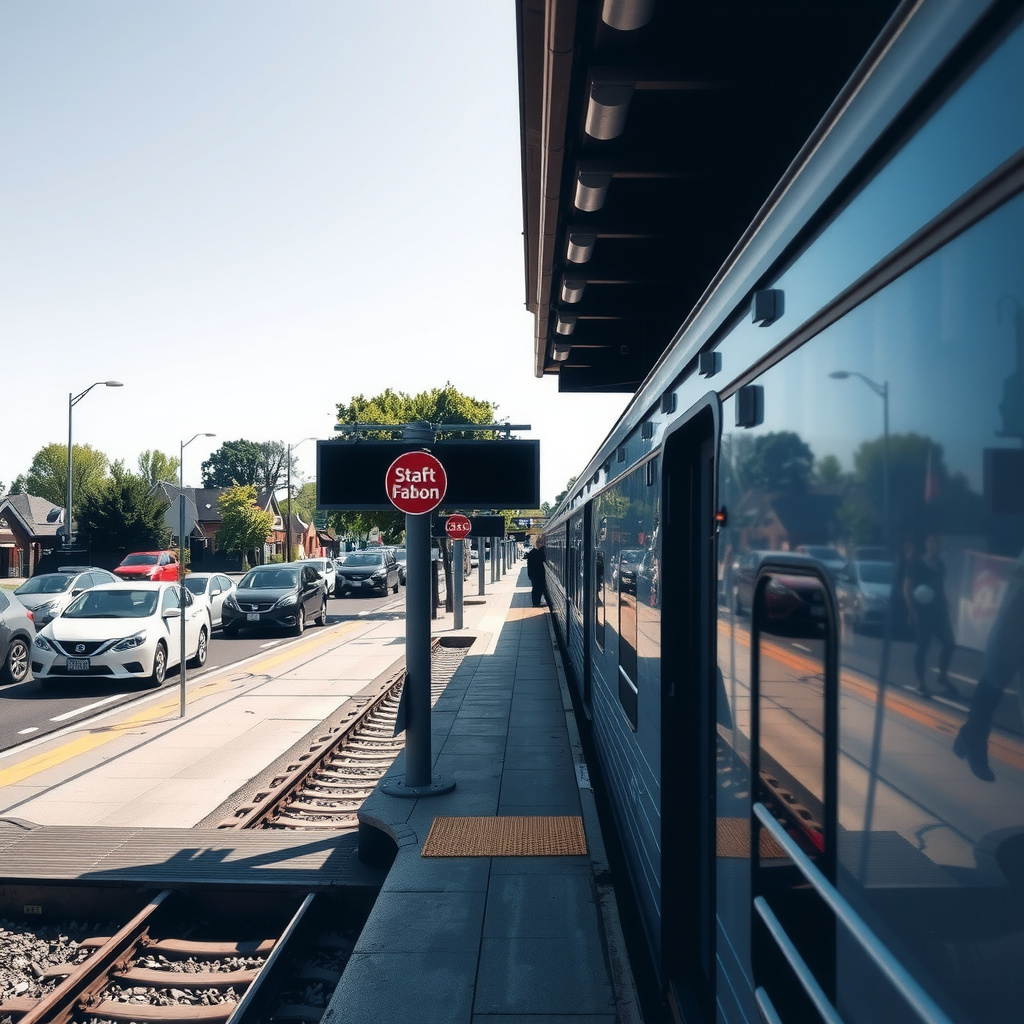
Public transportation options in rural and small‑town Delaware are more limited than in urban areas but still play a role in regional mobility. The Delaware Transit Corporation, operating under the brand DART First State, provides bus routes throughout the state, including some that serve Sussex County communities. Residents can consult the DART First State website for route maps, schedules, and fare information, and to identify park‑and‑ride locations or seasonal beach bus services. These buses can be especially helpful for individuals who do not drive or who prefer to avoid summertime parking challenges at the beaches.
Because many Dagsboro residents rely on personal vehicles, road safety and maintenance are ongoing concerns. DelDOT’s roadway improvement projects, intersection upgrades, and signage updates aim to enhance safety as traffic volumes fluctuate with seasonal tourism. Residents can submit feedback about road conditions or proposed projects through DelDOT’s online tools or public meetings, ensuring that local perspectives are considered. Carpooling, flexible work arrangements, and off‑peak travel are common strategies for dealing with congestion during the busiest months.
Transportation also intersects with emergency planning. Evacuation routes used during hurricanes or major coastal storms often pass through or near Dagsboro, requiring clear signage and public awareness. Emergency management agencies coordinate with transportation officials to identify potential bottlenecks and to plan for the movement of residents, including those who may need special assistance. By staying informed about route designations and following guidance during emergencies, Dagsboro residents contribute to their own safety and to the overall resilience of the region.
Technology and digital connectivity have become essential services in their own right, affecting everything from education and healthcare to commerce and entertainment. In Dagsboro, access to reliable high‑speed internet is particularly important for residents who work remotely, students who complete homework online, and families who use streaming services. As noted earlier, broadband infrastructure has improved across Delaware, but service quality can still vary by neighborhood. State and county programs aimed at expanding fiber networks and improving wireless coverage continue to roll out, guided in part by federal and state funding initiatives targeting rural areas.
Community Wi‑Fi initiatives, while more common in dense urban centers, can also appear in small towns through partnerships between libraries, schools, and local governments. For example, Wi‑Fi hotspots installed at libraries or community centers give residents free access to the internet for job searches, telehealth appointments, and online learning. Programming offered through Delaware Libraries often includes digital literacy workshops that help residents gain confidence using computers, smartphones, and internet tools, further enhancing digital inclusion.
Local government in Dagsboro operates within the framework of Delaware law and Sussex County policies. The town council, mayor, and appointed officials oversee matters such as zoning, permits, local ordinances, and certain public works responsibilities. Town meetings, typically open to the public, offer residents opportunities to express opinions on issues ranging from land use and development proposals to community events and budget priorities. The Town of Dagsboro website posts meeting agendas, minutes, and contact information for town staff, making it easier for residents to follow local government activity.
At the county level, Sussex County government handles a wide range of services that affect Dagsboro, including property assessments, land use planning, certain public health functions, and emergency services coordination. County council meetings and planning and zoning hearings are open to public participation, and documents such as comprehensive plans outline long‑term visions for growth and conservation. Residents with interest in how Dagsboro and surrounding areas may change over the coming decades can review these materials on the Sussex County government website.
State government agencies add another layer of services relevant to Dagsboro residents. Departments such as the Delaware Department of Education, Department of Transportation, Department of Natural Resources and Environmental Control, and Department of Health and Social Services all operate programs and facilities that impact daily life. The state’s main portal at delaware.gov provides a centralized starting point for accessing these resources, from vehicle registration and professional licensing to environmental permits and health insurance information.
Demographic data from reputable sources provide context for understanding community needs and planning priorities. According to resources such as the U.S. Census Bureau QuickFacts for Dagsboro, the town has a population in the hundreds to low thousands, reflecting its small‑town scale. The population has grown over time as more people move to Sussex County, contributing to a mix of age groups that includes families with children, working‑age adults, and retirees. Demographic data highlight trends in median age, household income, educational attainment, and housing occupancy that inform decisions about school capacity, infrastructure investments, and social services.
Historic landmarks and cultural sites in and around Dagsboro underscore the community’s connection to Delaware’s broader story. As mentioned earlier, some buildings and districts may be listed on the National Register of Historic Places, which is maintained by the National Park Service. State‑level registers and marker programs administered by the Delaware Division of Historical and Cultural Affairs also identify sites of interest, including churches, cemeteries, and former civic buildings. These recognitions can help protect historic resources, attract heritage tourism, and provide educational opportunities for residents and visitors.
Community services and nonprofits form an important safety net for Dagsboro residents facing economic hardship, health challenges, or other difficulties. Food banks and pantries in Sussex County, including those operated by church coalitions and regional charities, offer groceries to individuals and families experiencing food insecurity. Organizations such as the Food Bank of Delaware partner with local sites to distribute food, host mobile pantries, and provide nutrition education. Homelessness and housing instability are addressed through shelters and transitional housing programs located in nearby towns, supported by county governments and nonprofit providers.
Additional social services focus on seniors, children, and individuals with disabilities. Senior centers, often run by county or nonprofit organizations, provide meals, social activities, and transportation assistance for older adults. Programs for children and youth may include mentoring, after‑school activities, and summer camps, some of which are organized through schools, churches, or nonprofits. State and county agencies coordinate with local partners to ensure that residents of Dagsboro can access these services, whether directly in town or through short trips to neighboring communities.
Mental health and addiction services are likewise vital components of the service landscape. DHSS and local providers operate counseling centers, support groups, and treatment programs designed to help individuals and families facing mental health conditions or substance use disorders. Outreach efforts aim to reduce stigma and encourage residents to seek help when needed. Information on available programs, hotlines, and crisis services can be found on state and county health department websites and through community organizations.
Libraries, though sometimes overlooked in discussions of services, play an essential role in Dagsboro’s broader ecosystem. Local and regional libraries provide free access to books, computers, Wi‑Fi, and educational programs. They host events ranging from story times and book clubs to workshops on topics such as job searching, digital literacy, and financial planning. Through the statewide network coordinated by Delaware Libraries, residents can borrow materials from across the state, use online research databases, and participate in statewide reading initiatives.
All of these services—media, utilities, public safety, transportation, technology, governance, and social support—interact to shape the experience of living in Dagsboro. Reliable utilities and internet service support daily routines and economic activity. Effective law enforcement, fire protection, and healthcare systems provide safety and peace of mind. Transportation networks connect residents to jobs, schools, and recreation, while government agencies at multiple levels coordinate policies that influence development and conservation. Community nonprofits, faith‑based organizations, and volunteers fill gaps and respond to emerging needs. Together, they form the infrastructure, both physical and social, that underpins Dagsboro’s status as a small but resilient Delaware town.
Contact Hose Bros Inc for Dagsboro Pressure Washing Services
Property owners in Dagsboro who want to protect and enhance their homes or businesses often start by addressing exterior cleanliness. Mold, mildew, algae, and grime accumulate quickly in the humid coastal environment, dulling curb appeal and shortening the lifespan of siding, decks, fences, and concrete. Partnering with a reliable exterior cleaning provider ensures that these issues are handled safely and effectively, using methods tailored to local climate conditions and building materials.
Hose Bros Inc is a trusted local favorite for professional pressure washing in Dagsboro and surrounding Sussex County communities. Based just up the road in Millsboro, the company brings more than 15 years of experience to each job, combining high‑quality equipment with eco‑friendly cleaning solutions and careful attention to detail. Whether you are preparing to paint, listing a property for sale, welcoming guests to a vacation rental, or simply maintaining your home, Hose Bros Inc can create a customized plan that addresses your specific needs.
As a family‑owned and operated business, Hose Bros Inc understands how important clear communication and dependable scheduling are for Dagsboro homeowners and business owners. Their team is fully licensed and insured, and they stand behind their work from the initial consultation through the final walkthrough. Services include pressure washing of driveways, sidewalks, and patios; soft washing of siding and roofs; cleaning of decks, fences, and pool surrounds; and commercial storefront maintenance designed to keep your property inviting and safe.
To schedule service or request a free consultation for a property in or near Dagsboro, use the direct contact information below. You can call, visit the website, or navigate to the business on Google Maps to confirm travel times from your location.
- Business Name: Hose Bros Inc
- Service Focus: Pressure washing and soft wash exterior cleaning for homes and businesses in Dagsboro, DE and Sussex County
- Address: 38 Comanche Cir, Millsboro, DE 19966, United States
- Phone: (302) 945-9470
- Website: https://hosebrosinc.com/
If you are browsing this Dagsboro city profile while planning a move or evaluating property improvements, consider adding exterior cleaning to your checklist. A professionally cleaned exterior not only looks better in photos and in person but also sets the stage for successful painting, repairs, and landscaping projects. When you are ready to take the next step, you can call Hose Bros Inc directly or submit a request through the company’s website to discuss your goals, budget, and timeline.
For immediate scheduling or questions about how pressure washing can help address specific concerns—such as slippery algae on walkways, dark streaks on roofs, or weathered decks—tap the call button below on your mobile device to reach the Hose Bros Inc team right away.