About Dagsboro
Dagsboro sits in southern Sussex County as one of Delaware’s smaller incorporated towns, but its influence is larger than its size suggests because it anchors daily life for nearby subdivisions, rural properties, and commuters moving between inland routes and the coast. The town’s present identity is shaped by layers of history: early settlement patterns tied to agriculture and transportation corridors, later suburban growth linked to the broader Delaware beach economy, and the continuing role of small independent businesses and civic institutions that give the community its local character. Residents often describe Dagsboro as close to everything while still feeling distinct from busier resort towns, which helps explain why it attracts people who want a quieter base near jobs, schools, and seasonal destinations. The town’s profile is best understood through its relationship to the broader Delmarva Peninsula, where land use, seasonal traffic, and environmental conditions influence almost every practical decision, from commuting to exterior maintenance. For a current civic reference point, the Town of Dagsboro’s official site provides local government information and community notices, while Sussex County’s portal offers a broader view of county services and records.
The founding story of Dagsboro is tied to the early families and landholders who helped establish settlements in the area, and local histories often connect the town name to those early figures and the region’s colonial-era geography. The broader area was shaped by the agricultural economy of southern Delaware, where farms, mills, trade routes, and waterways provided the basis for small communities to form around practical needs. Over time, the town’s role shifted from a purely rural crossroads to a residential center with a town center, public services, and a more diversified local economy. That progression is important because Dagsboro did not develop as a resort town or a major industrial hub; instead, it grew through incremental settlement and the steady adaptation of local families, businesses, and institutions. Community heritage remains visible in the way residents refer to neighborhoods, schools, and nearby civic landmarks, and that continuity gives the town a sense of stability that newer developments often lack. Town and county historical references, together with state historic resources, help document that arc without reducing it to a single founding moment or a single family name.
Geography is one of the clearest reasons Dagsboro feels the way it does. The town lies on relatively low coastal plain terrain characteristic of southern Delaware, with flat to gently rolling land, wooded edges, and drainage patterns shaped by nearby streams and wetlands. It is close enough to the inland bays and Atlantic-side beach corridor to feel the influence of coastal weather, yet far enough from the shoreline to retain a more inland residential rhythm. That position matters for both households and businesses because seasonal humidity, salt-laden air, and periodic heavy rainfall affect siding, paint, asphalt, roofing, landscaping, and drainage systems more than many newcomers expect. In practical terms, Dagsboro is a place where careful site maintenance is part of living comfortably, not a luxury. Coastal Delaware also sees meaningful seasonal variation: warm, humid summers; milder winters with occasional cold snaps; breezy shoulder seasons; and storm periods that can bring strong rain events or tropical-system remnants. The National Weather Service climate framework for the region and NOAA’s broader climate resources are useful for understanding these patterns in an evidence-based way, especially for property owners planning repairs or exterior work.
That climate profile has everyday consequences. Homes in Dagsboro often contend with pollen in spring, mildew and algae growth during humid months, and salt or moisture exposure that can shorten the life of paint and exterior finishes if maintenance is ignored. Businesses, especially those with visible storefronts or guest-facing façades, also benefit from understanding seasonal weather cycles because curb appeal and safety can depend on how surfaces perform over time. The local environment helps explain why residents value service providers who know how to work with soft wash techniques, pressure washing, drainage-sensitive landscaping, and weather-appropriate scheduling. Geography also affects mobility: flat roads and broad county corridors make driving straightforward, but wet weather and seasonal traffic toward the beaches can change commute times quickly. The combination of inland convenience and coastal exposure is a defining feature of the town, not a background detail, and it is part of what makes the community’s daily maintenance needs more specialized than they might appear on a map.
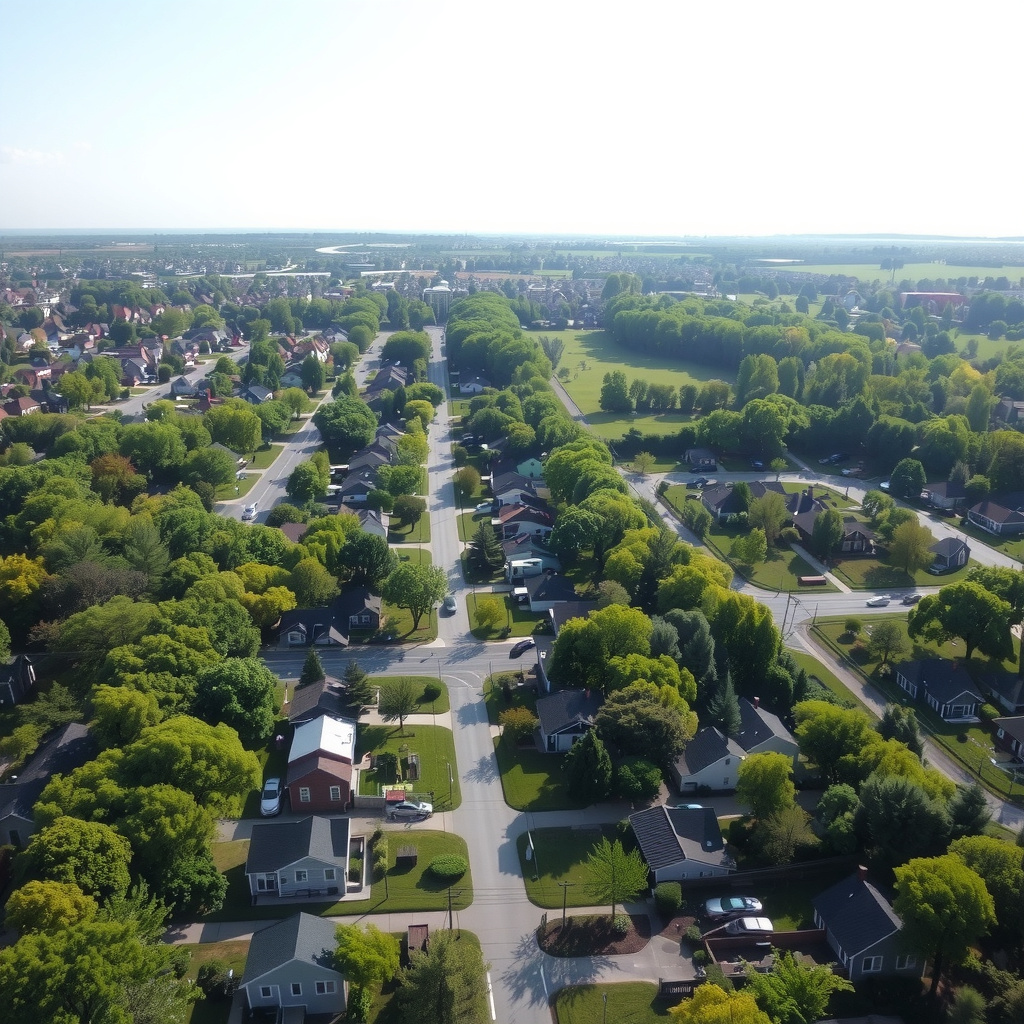
For residents and business owners, the most useful way to think about Dagsboro’s climate is as a year-round maintenance calendar. Spring often brings pollen and fast-growing vegetation, summer intensifies humidity and biological growth on exterior surfaces, fall creates opportunities for cleanup and preparation, and winter is generally moderate but still capable of moisture-related wear and occasional storm disruption. The mix means that exterior cleaning, roof care, gutter maintenance, and paved-surface washing are not merely cosmetic. They help preserve materials and reduce the gradual damage that comes from humidity, organic buildup, and trapped debris. That same climate also supports the region’s landscaping traditions, backyard gathering spaces, and recreational habits, since many local routines are built around outdoor living and the ability to use porches, yards, and small community parks across much of the year. In that sense, Dagsboro’s geography and weather are not separate from its social identity; they are part of how the town functions, how it looks, and how people care for property and public spaces.
Local history, founders, and geography intersect again in the way Dagsboro is understood by long-time residents. In small towns, history is not only preserved in archives; it survives in street names, family networks, church circles, volunteer organizations, and the stories people tell about the community’s older days. Dagsboro retains that texture. It is not a place where the past has disappeared behind oversized redevelopment, but neither is it frozen in time. Instead, the town has absorbed modern suburban and commuter patterns while keeping a recognizable small-town scale. That balance helps explain why residents and newcomers alike often seek reliable local information on housing, services, school options, transportation, and exterior property care. A town profile that ignores those practical elements would miss the point of Dagsboro entirely. Its history is about adaptation, its founders about settlement and continuity, and its geography about a coastal plain environment that shapes every season of the year.
In civic terms, the town’s modest size is an advantage because it keeps government, schools, and local resources visible to the public. Dagsboro’s official channels and Sussex County resources make it easier for residents to navigate permits, taxes, records, and local notices without losing sight of the town’s personal scale. For businesses, that visibility matters just as much because a local market like this often depends on reputation, familiarity, and a clear understanding of where services fit into the daily lives of households. The result is a community that feels regionally connected but locally defined. Its history continues in the routines of the present, its founders live on in public memory, and its geography remains one of the main reasons people choose it as a place to put down roots.
Economy
Dagsboro’s economy is best described as mixed, local, and regionally connected. The town itself is not a major industrial center, but it sits within the economic orbit of Sussex County’s broader employment base, which includes healthcare, education, retail, construction, trades, hospitality, agriculture, logistics, and year-round service work tied to the beaches and surrounding communities. Many residents commute to nearby towns for work, while others operate small businesses that serve both Dagsboro and the greater coastal corridor. That makes the local economy less about one dominant employer and more about a network of employers, contractors, public institutions, and independent operators whose activity is spread across the region. County labor data and state workforce resources are the best starting points for understanding those patterns because local conditions in southern Delaware change quickly with the seasons and with housing availability, commuting distances, and tourism cycles.
Employment in and around Dagsboro is influenced by several dependable sectors. Healthcare remains important because people in the region rely on nearby hospitals, urgent care settings, outpatient services, and elder-care providers. Education is similarly significant, with school districts, childcare providers, and support services providing steady employment even when tourism fluctuates. Retail, convenience services, home improvement, landscaping, and property maintenance also play a strong role because households in Sussex County need routine upkeep for primary residences, rentals, and vacation homes. Construction and skilled trades matter for the same reason: a growing housing stock and a climate that is hard on exterior surfaces keep repair, renovation, and maintenance work in demand. Seasonal hospitality and visitor-facing businesses add another layer, especially since Dagsboro is close enough to beach traffic to benefit from summer spending without depending entirely on resort visitation. State workforce dashboards, the Delaware Department of Labor, and the Delaware Prosperity Partnership provide useful context for these labor and industry trends.
Local economic development is also shaped by small-business visibility. In towns like Dagsboro, a business often wins work not through scale but through trust, referral networks, and consistent service quality. That is especially true in service categories where homeowners need local knowledge and reliable scheduling. One practical example is Hose Bros Inc, a pressure washing company serving the Dagsboro area from 38 Comanche Cir, Millsboro, DE 19966, United States, reachable at (302) 945-9470 and online at its official site. Its work reflects a common type of local demand: homeowners and property managers need help with siding, driveways, decks, patios, and other exterior surfaces that suffer from coastal humidity, pollen, mildew, and salt-air exposure. When a local business understands the environmental conditions of Sussex County, it can provide more targeted service than a generic provider working from a distant market.
Hose Bros Inc is also a useful reminder that many local service businesses function across several related categories. People looking for a local Painter, Painter Near me, Exterior Painter, or Interior Painter often end up needing exterior preparation work first, because painted surfaces rarely look or perform well unless they are cleaned and decontaminated before repainting. Pressure washing and soft wash services are often the first stage in that process, helping remove grime, algae, and accumulated residue before a painter, contractor, or property owner addresses coating and finish work. For Dagsboro homeowners, that connection matters because the town’s climate can undermine paint and sealants if surfaces are not properly cleaned. A service provider with exterior-maintenance experience can therefore support the broader home-improvement workflow, not just one isolated task.
The local economy also depends on the availability of information and business support resources. Sussex County Chamber of Commerce tools, Delaware small-business assistance programs, and regional economic development organizations help employers with networking, workforce development, permitting, and promotion. Chamber resources can be especially valuable for small operators because local business owners in a town like Dagsboro often need introductions to other vendors, local events, and countywide decision-makers. For employers, the practical value lies in visibility and retention: hiring is easier when businesses can connect with workforce programs, training resources, and community events that make a small town more attractive to workers. For residents, the same ecosystem supports more stable access to services, because a strong network of local providers makes the town less dependent on long-distance travel for everyday needs.
Even where businesses are not physically located inside Dagsboro, the town benefits from economic spillover. Millsboro, Frankford, Ocean View, Selbyville, and the broader beach corridor all contribute to the labor pool, retail traffic, and contractor ecosystem that serve local households. This regional integration means that Dagsboro should be read as part of a countywide economy rather than as an isolated local market. The upside is resilience: when one sector slows, another often picks up demand. The tradeoff is that wages, staffing, and commuting can be shaped by regional housing costs and seasonal competition for workers. As a result, local economic health is closely linked to housing availability, transportation, and reliable service infrastructure. Businesses that understand that interplay are better positioned to serve both long-time residents and newer households moving into the area.
The employment picture in Dagsboro is also tied to the way people use property. Because housing, landscaping, exterior cleaning, and repair work are recurring needs, the town supports a steady base of contractors and maintenance specialists. That creates a service economy in which even relatively modest projects can have outsized local impact. A pressure-washing business may help preserve a homeowner’s siding, but it also supports curb appeal for a rental property, preserves a business frontage, and helps avoid larger repair costs later. The local economy is therefore not only about where people work but also about how they maintain the places where they live and operate. In a town like Dagsboro, those maintenance-driven services are not peripheral; they are part of the economic fabric.
From a workforce perspective, the most relevant sources remain state and county labor portals because they can show current employment trends, wage patterns, and occupational demand more accurately than a static description can. Delaware’s labor market resources, regional employer directories, and economic development agencies provide the practical context that small towns need when trying to attract workers or support business expansion. Dagsboro itself benefits from this regional framework because it offers a lower-density residential environment while remaining connected to the larger Sussex County job market. The town’s economic strength lies in that balance: a stable residential base, strong nearby service sectors, and a business culture that rewards local responsiveness and long-term relationships.
Places
Dagsboro’s neighborhoods are best understood as a mix of in-town streets, nearby subdivisions, rural edges, and commuter-friendly residential pockets that connect the town to the broader Sussex County landscape. Because Dagsboro is relatively small, people often use familiar roadway references, subdivision names, and landmark-oriented directions rather than sharply bounded districts. That is normal for a town of this scale, where identity is defined as much by how residents move through daily life as by a formal map boundary. The result is a local geography of lived familiarity: people know where the post office is, which roads connect to nearby retail and schools, and which residential pockets have the quietest setting or the easiest access to county corridors. For anyone researching neighborhood patterns, Google Maps provides a helpful way to explore the town’s street layout and proximity to neighboring communities.
Several hyper-local references help make sense of the residential picture. The area around the town center tends to appeal to people who value short drives to civic services and small-business access. Nearby development corridors toward Millsboro and Ocean View attract households looking for newer homes, while more rural pockets outside town can offer larger lots, more privacy, and a stronger connection to open land. That variety is one reason Dagsboro is attractive to different kinds of residents: retirees, long-time locals, commuters, and families all find different advantages in the same general market. Rather than relying on a single neighborhood brand, the town functions as a cluster of closely related residential areas that share schools, services, and roads. Maps and county GIS tools are the most practical way to compare those options side by side.
Housing and taxes are central to how those neighborhoods are experienced. Sussex County property records and the county tax office are the authoritative places to confirm assessments, tax bills, parcel data, and ownership details. In the broader Dagsboro market, home values tend to reflect the combination of coastal-region demand, suburban growth, and the scarcity of well-located housing in a desirable small-town setting. Market snapshots from mainstream housing data providers and local real estate reports generally show a mix of single-family homes, ranch-style properties, newer developments, and some higher-priced homes closer to recreational amenities or larger lots. Rental prices are shaped by the same regional forces: proximity to beaches, access to schools and roads, and the ongoing pressure created by seasonal demand. Because exact figures change frequently, it is best to use current county data, multiple listing services, and recent market reports when making a buying or leasing decision.
For practical planning, homeowners in Dagsboro should think of taxes and housing costs together rather than separately. Property assessments influence annual expenses, while insurance, maintenance, and utility costs can vary with lot size, exterior materials, and climate exposure. In a humid coastal region, the ownership equation includes more than a mortgage payment. Roof care, exterior cleaning, gutter maintenance, and periodic paint or siding work are part of the normal cost of keeping a home in good shape. This is where local service knowledge becomes valuable, because a property in a shaded or moisture-prone part of town may need different maintenance than a newer home on a sunnier, more open lot. County records help establish the financial side of the picture, but the lived experience of owning property in Dagsboro includes those maintenance realities as well.
Preferred school systems are another major consideration for families. Dagsboro is served by the Indian River School District, which is the principal district for the area and includes several schools with strong local recognition depending on grade level, location, and program fit. Families often compare district profiles, state report cards, and individual school websites to understand academic performance, transportation routes, extracurricular opportunities, and special programs. Because the town sits near several school attendance areas and feeder patterns, parents tend to evaluate schools based on both ratings and practical logistics such as commute time, after-school care, and access to major roads. Official district and school websites are the most reliable place to confirm enrollment boundaries and program details.
Some families in and around Dagsboro also look at nearby charter or specialty options when they want alternatives to a standard attendance-zone model. That can be useful for students with particular academic interests, but the default orientation remains local public schools and district services. In many small towns, school choice is not only about ratings; it is about how a school fits the family’s transportation pattern, work schedule, and extracurricular expectations. Since Dagsboro is well connected to surrounding communities, families can compare options without losing the convenience of a smaller-town home base. The district’s official pages and Delaware’s education resources make those comparisons easier to verify.
Local clubs and organizations add a different layer to the places people gather. Civic organizations such as Rotary, Lions, and Moose clubs often function as social infrastructure in small towns, offering service projects, charitable work, fundraising, and informal networking. In the Dagsboro area, residents commonly participate in chapters and lodges in nearby communities rather than within the town boundary itself, which is normal for a town of this size. When exact address and lodge-number details are needed, the most reliable approach is to verify them through the official club or lodge page, because chapters can relocate or reorganize over time. Rotary and Lions clubs in Sussex County regularly support scholarships, food assistance, youth programs, and local event sponsorship, while Moose lodges provide social and community-service functions across the region.
Those organizations matter because they help define the social map of the area. In a small town, you may not find a long list of formal institutions on every corner, but you will find a strong network of volunteerism, youth support, faith-based outreach, and service clubs that keep people connected. Residents who are new to Dagsboro often discover that local life is organized less by large institutions than by recurring gatherings, school events, church calendars, and countywide club activity. The result is a community where the “place” dimension is social as well as geographic. Homes, schools, clubs, and tax records all fit into the same local story, which is why a place-based profile has to go beyond listing streets and subdivisions.
For readers comparing neighborhoods, it helps to think in practical categories. Town-center proximity offers convenience; edges of town often bring more space; nearby subdivisions can offer newer construction and easier access to major roads; and rural parcels can provide privacy with more upkeep responsibility. That pattern is visible in Google Maps and in county parcel records, but it is also visible in how people talk about where they live. The sense of place in Dagsboro is not just “inside town” versus “outside town.” It is a series of residential choices shaped by schools, taxes, commute time, and the level of maintenance a homeowner is prepared to handle. Those are the real neighborhood distinctions that matter in day-to-day life.
Community
Dagsboro’s community attractions are rooted in a blend of local heritage, county tourism, and easy access to nearby recreational destinations. Within town and just beyond it, residents value parks, historic sites, civic gathering spaces, and family-friendly places that make the area feel active without becoming crowded. The official town website and Sussex County tourism resources are the best starting points for current local notices, while state and county heritage pages help identify historic places and public landmarks worth visiting. For many households, “community attraction” does not mean a single large destination; it means the collection of places where people meet, celebrate, volunteer, and bring visitors when they want to show what the area is about.
That local pattern is important because Dagsboro is surrounded by some of coastal Delaware’s most visible attractions, yet it retains a calmer everyday character than the beach towns. Residents can reach larger tourism venues, bays, and outdoor recreation corridors without having to live in the middle of peak-season congestion. This gives the town a practical advantage: it can participate in the benefits of regional tourism while preserving a more residential rhythm during the workweek. Community events, seasonal fundraisers, and county festivals often serve as the bridge between the town and the broader Sussex County calendar, creating a flow of participation that moves in both directions. Local tourism and civic calendars are therefore not just entertainment listings; they are part of how the town stays connected to the rest of the region.
The local events calendar includes seasonal fairs, holiday gatherings, school activities, church festivals, market days, and county-sponsored celebrations. Some events are annual traditions that have become part of the rhythm of the town, while others emerge from the needs of local nonprofits, youth groups, or civic clubs. Sussex County Chamber of Commerce event pages and town announcements are useful for keeping track of what is happening, especially when events shift dates or venues from year to year. In a community like Dagsboro, the events calendar is especially meaningful because it reinforces local relationships: a fundraiser, parade, holiday lighting, or community dinner is not just something to attend; it is an opportunity to encounter neighbors, support organizations, and maintain the social ties that make a small town resilient.
Recreation and outdoor activities reflect the town’s location on the coastal plain and its access to wider Sussex County amenities. Residents use local parks, school fields, neighborhood sidewalks, nearby public lands, and regional trails for walking, cycling, informal sports, and family time. The region’s flat terrain makes many outdoor activities approachable for a broad range of ages and activity levels, and the relatively mild shoulder seasons extend the usable months for outdoor recreation. State park resources and county recreation pages are valuable for locating picnic areas, trail systems, boat access points, and nature-based outings in the wider area. For Dagsboro households, recreation is often woven into ordinary routines rather than reserved for big planned excursions. A walk after dinner, youth sports practice, or a short drive to a nearby outdoor destination can be enough to make the area feel active and balanced.
Historic and cultural sites add depth to that recreational picture. Sussex County includes historic places, preserved buildings, museums, and interpretive sites that tell the story of the region’s agricultural, maritime, and colonial past. The Delaware Division of Historical and Cultural Affairs and the National Register of Historic Places are the most authoritative resources for verifying official historic designations and learning what is publicly accessible. In and around Dagsboro, local heritage matters because it helps explain the architecture, road network, and family traditions that continue to shape community identity. Cultural sites do more than attract visitors; they provide continuity and context, allowing newer residents to understand why the town feels the way it does and why certain public spaces remain important.
Many of the town’s social and cultural traditions are tied to annual events. These may include holiday celebrations, memorial observances, school concerts, church-sponsored gatherings, and countywide festivals that draw people from across the region. Such events matter because they create a repeated public rhythm that builds familiarity over time. A town develops culture not only through art or formal institutions but also through recurring shared experiences. In Dagsboro, those shared experiences often involve family attendance, volunteer work, local food, youth participation, and the informal exchange of updates about schools, road work, and community needs. Chamber, tourism, and civic event pages are useful for confirming schedules, but the deeper value of these events is social: they create the public memory of the town one season at a time.
Outdoor spaces, too, are part of the culture. People in Dagsboro use front porches, yards, fields, and neighborhood gathering spots as extensions of home life, which makes the condition of exterior surfaces more visible and more important. Clean sidewalks, maintained decks, cleared gutters, and attractive driveways contribute to how the community feels during the months when people are outdoors most often. Local service providers help support that atmosphere by making upkeep manageable for homeowners and property managers. When a town’s identity depends on hospitality, neighborliness, and visible care, maintenance becomes a form of civic participation as much as property protection.
For visitors and residents alike, the town’s community experience is ultimately defined by accessibility and scale. You can attend an event, visit a historic site, spend time outside, and return home without feeling swallowed by traffic or commercialization. That balance is a large part of Dagsboro’s appeal. The town’s attractions are not flashy, but they are durable. They arise from local history, county access, and a steady calendar of activities that keeps the social fabric intact. When people say Dagsboro feels like a community, this is usually what they mean: a place where public life remains visible, where annual traditions still matter, and where recreation and heritage remain closely linked.
Community organizations also help keep those attractions alive by sponsoring programs and public gatherings. Civic clubs, churches, youth sports groups, and nonprofits often partner with town and county entities to support family events, service projects, and seasonal celebrations. Their work is easy to overlook because it does not always show up in large headlines, but it is central to how small-town culture persists. Dagsboro’s event life is sustained by this network of volunteers and local partners, making the calendar feel less like a list of dates and more like a living expression of community identity.
Services
Dagsboro’s services landscape is a practical mix of local government, county-level support, regional utilities, and nearby providers that collectively keep the town functioning day to day. Local media and news for the area come from countywide and Delaware-focused outlets rather than a standalone town newspaper, which is common for a community of this size. Residents often rely on Sussex County public notices, Delaware online news sources, and regional radio for weather, traffic, policy updates, and civic information. That media pattern matters because small towns need current information from credible sources when weather, road work, school schedules, or public-safety issues affect daily routines.
Utilities and infrastructure are similarly regional in character. Water service, wastewater systems, electric power, telecommunications, broadband, and waste services are managed through a combination of municipal, county, and private providers depending on the property’s location and service class. Delaware’s utility resources, Sussex County departments, and major service providers such as Delmarva Power are central reference points for residents who need account information or service planning. Telecommunications and internet access generally come from established regional and national carriers, while broadband expansion and infrastructure planning continue to be important topics in Sussex County because reliable connectivity affects both households and small businesses. For many residents, especially those who work remotely or manage multiple properties, these services are as essential as roads and schools.

Public safety and healthcare in the Dagsboro area depend on a layered system of law enforcement, fire protection, EMS, urgent care, and regional hospitals. The Delaware State Police and Sussex County emergency resources serve the area alongside local fire and rescue organizations, which provide response for both routine incidents and weather-related emergencies. Because Dagsboro is a smaller town, residents often connect with services through county and regional agencies rather than a large municipal department, but that does not reduce the importance of the system. Fire companies, ambulance services, and state police coverage are essential to community resilience, especially during heavy rain, road incidents, or peak travel periods when access routes can become congested.
Healthcare access is also regionally distributed, with nearby hospitals, medical centers, primary-care practices, and specialty providers serving the town. In Sussex County, residents often use facilities in Millsboro, Georgetown, Lewes, and the coastal corridor depending on the type of care needed. The practical reality is that many small towns function as part of a healthcare network rather than hosting every service locally. That network approach makes transportation, insurance, and appointment availability important considerations for families and older adults. When people choose to live in Dagsboro, they often do so with a clear understanding that the town’s quiet setting is paired with the need to plan for regional healthcare access.
Transportation and accessibility are defining features of that planning process. Dagsboro is served by Sussex County road connections and state highways that link it to nearby communities and to the coastal region. The Delaware Department of Transportation is the authoritative source for road conditions, corridor planning, construction notices, and major route information. Roads such as the regional connectors toward Millsboro, Frankford, and the beach towns shape commuting patterns, school travel, and retail access. Because the town is not isolated, transportation is relatively straightforward, but peak-season traffic can alter travel times, and weather can affect road surfaces and visibility. For residents, route awareness is a practical part of living in the area, not just a commuting concern.
The transportation picture also includes walking and bicycling in a limited but meaningful sense. Flat terrain makes short local trips easier in some parts of town, while neighborhood design and roadside conditions determine how comfortable those trips are. For anyone managing accessibility needs, proximity to services matters more than average speed. That is one reason many households pay close attention to how close they are to grocery stores, schools, medical offices, and service providers. In a small town, the difference between a five-minute and a fifteen-minute drive can affect how often people use certain services, so infrastructure quality and road maintenance become especially important.
Technology and digital connectivity are increasingly important to Dagsboro’s quality of life. Broadband, fiber, cable, and fixed wireless options may vary by address, but the core issue for most households is whether they can access reliable, fast service for work, education, streaming, telehealth, and home security. State broadband resources and provider maps are useful for comparing service availability, while federal broadband programs and county planning references help explain how infrastructure is expanding across rural and semi-rural Delaware. For local businesses, especially home-service companies, connectivity is not a convenience but a core operating requirement because scheduling, payments, customer communication, mapping, and advertising all depend on it.
Community Wi-Fi and digital inclusion initiatives are less visible in a small town than in a major city, but they still matter through libraries, schools, public buildings, and county access programs. Residents who need computers, internet access, or digital literacy support often turn to the public library system or local educational institutions for help. That makes libraries and school-related digital resources part of the technology story, even if they are not branded as smart-city programs. In a town where many people work, study, or shop online, digital readiness is now part of local infrastructure in the same way that roads and utilities are.
For local government and services overview, the Town of Dagsboro official website remains the first stop for ordinances, meeting notices, town contacts, and civic information. Sussex County government pages provide property records, tax resources, planning documents, emergency notices, and broader county service links. The public library system, county emergency management resources, and public works contacts round out the practical civic toolkit that residents use when they need accurate, official information. This matters because small towns operate best when residents know where to find the right office for the right problem, whether the issue is a permit, a utility question, or a public notice.
Demographics help explain why these services need to be coordinated rather than duplicated. The U.S. Census Bureau reports Dagsboro as a small incorporated place with a population that reflects a modest town scale, and American Community Survey data provide a more detailed picture of age, household structure, commuting, housing, and income patterns. In towns like Dagsboro, demographic trends often reveal a mix of long-time residents, retirees, families, and workers connected to regional employment centers. That mix shapes demand for schools, healthcare, transportation, broadband, and public safety. Census resources are the most credible reference point for population and household data, and they help prevent overstatement when discussing local size or density.
Historic landmarks and cultural sites add another layer to the services picture because they help maintain the town’s identity and attract visitors without requiring a major tourism infrastructure. State historic registers, the National Register of Historic Places, and museum or heritage sites in Sussex County provide documentation and interpretive context for the area’s older buildings and cultural assets. These sites matter to services planning because preservation, signage, access, and visitation all interact with town operations. When residents value historic character, local government and community organizations have to balance preservation with practical maintenance, which is another reason why good public information and reliable infrastructure are so important.
Community services and nonprofits complete the picture. Food banks, shelters, church outreach programs, youth groups, senior support organizations, and charitable foundations all contribute to the local safety net in Dagsboro and the surrounding area. United Way affiliates, regional food pantries, and faith-based service providers often serve families across multiple towns, which makes regional coordination essential. In a small community, nonprofits are often the difference between a hardship being temporary and becoming a long-term problem. Residents looking for help with food, utilities, housing stability, or seasonal support usually rely on county directories and trusted nonprofit networks to find the right program quickly.
The public safety, healthcare, utility, transportation, and nonprofit systems in Dagsboro are therefore best understood as a connected ecosystem. A road issue affects school transport; a storm affects power and communications; a healthcare appointment depends on road access and broadband for scheduling or telehealth; a family crisis may involve emergency services and a nonprofit referral. The town’s service environment is not flashy, but it is functional in the way that matters most. The combination of regional providers, county oversight, and local institutions gives Dagsboro a stable service base even as its population and needs evolve.
When residents want to verify any of these services, the best approach is to start with official and authoritative sources. Town and county government sites, state transportation pages, school district profiles, utility providers, and census data all provide the information needed to make sound decisions. That approach is especially important in a small town where services may be delivered by different entities depending on address or service type. Dagsboro’s service profile is complex in that way, but the complexity is manageable when the right information sources are used consistently.
Contact
Hose Bros Inc
38 Comanche Cir, Millsboro, DE 19966, United States
(302) 945-9470 · Visit website
For Dagsboro-area pressure washing and soft wash services, Hose Bros Inc provides exterior cleaning designed for the humidity, pollen, mildew, and salt-air exposure common in Sussex County. The company’s local approach is useful for homeowners, landlords, and property managers who want to restore siding, decks, driveways, patios, and other exterior surfaces without causing damage to more delicate materials. Their service mix is especially relevant in a coastal region where routine maintenance can extend the life of paint, wood, concrete, and vinyl surfaces.
Call Hose Bros Inc Request service online
Google Maps directions are the easiest way to confirm the business location and plan a visit from Dagsboro or nearby towns. This contact block is intended for direct action: call, request service, or review the company’s site before scheduling exterior cleaning for your property.