About Dagsboro: History, Founders, Geography, and Climate
Dagsboro, Delaware is a small but historically rich town nestled in southwestern Sussex County, a short drive from the Atlantic beaches yet grounded in a quieter, rural character that appeals to long-time residents and new arrivals alike. It sits close to Indian River Bay and Delaware’s inland waterways, giving the community a close relationship with maritime culture, agriculture, and the evolving coastal economy of the First State. While much of nearby coastal Delaware has transformed into bustling resort destinations, Dagsboro has grown at a more deliberate pace, preserving its historic corridors and sense of small-town neighborliness even as new neighborhoods and businesses arrive.
The town’s story reaches back to colonial times, when the area formed part of a contested frontier between Maryland and Pennsylvania, long before Delaware emerged as its own distinct entity. The community is traditionally traced to the late 1700s, when it became part of what was known as Blackfoot Town, a settlement that eventually coalesced into the more formal town we recognize today. The name Dagsboro honors General John Dagworthy, a prominent local landowner and officer who served in the French and Indian War and the American Revolution. His leadership and status in the region made him an obvious namesake when the town sought a permanent identity, and references to Dagworthy still surface in local history exhibits and heritage tours.
General Dagworthy’s influence was not limited to his military service; he embodied the blend of public life, agriculture, and civic responsibility that shaped early Sussex County. Land patents, early road alignments, and militia organization all intertwined under his watch, and the town’s location at crossroads between inland farming communities and the tidal waters to the east gave it both strategic and economic importance. When Delaware became the first state to ratify the U.S. Constitution, towns like Dagsboro represented the rural backbone that balanced port cities and state capitals, providing grain, timber, and other resources to the broader region.
Walking along Main Street today, residents can still trace many lines back to those early days. Historic buildings and churches stand near modest modern storefronts, and the town’s layout reflects a traditional streetscape rather than a master-planned subdivision. The historic Prince George’s Chapel, located just east of town and maintained as a significant colonial-era site, offers a tangible connection to the 18th century and is listed on the National Register of Historic Places through the National Park Service, which maintains the official register at nps.gov. Though it sits just beyond the strict municipal limits, it is closely tied to Dagsboro’s heritage and often features in local history tours and school field trips.
Early settlers were drawn to the lands around Dagsboro for fertile soils, abundant timber, and access to creeks that eventually merge into the Indian River. Agriculture took root quickly, with corn, wheat, and later truck crops and poultry forming the economic backbone of the area for generations. Small milling operations, local trades, and modest mercantile shops supported the surrounding farms. Over time, the mix evolved, but the rhythm of rural work and the strong sense of neighborly obligation remained central to community life. Many current residents trace their ancestry to families who farmed or worked in nearby mills and timber operations, and family names recur in churchyards, commemorative plaques, and town meeting minutes.
As transportation shifted from waterways and dirt roads to paved highways and regional routes, Dagsboro’s geography positioned it as a convenient link between interior Sussex County and the coastal resort areas such as Bethany Beach and Fenwick Island. Delaware Route 26 (Vines Creek Road) and nearby Route 20 (Armory Road) connect the town to U.S. Route 113 and the wider state network, which is documented by the Delaware Department of Transportation at deldot.gov. This proximity to major corridors changed the town’s function from a purely local service hub to a community that also benefits from through-traffic, commuters, and seasonal visitors heading to the beaches.
Geographically, Dagsboro occupies a classic piece of the Atlantic Coastal Plain, with relatively flat terrain, sandy soils, and a patchwork of forests, farms, wetlands, and low-density residential enclaves. The landscape is interlaced with small streams and drainage ditches that ultimately feed into the Indian River and Indian River Bay, creating an environment sensitive to stormwater, flooding, and coastal influences. The town’s elevation is modest, and while it sits a bit inland from the most flood-prone bayside edges, it still shares the same watershed and environmental concerns that shape planning decisions along Delaware’s coast.
Forested patches of loblolly pines and mixed hardwoods create natural buffers around the town, while open fields and pastures provide long views that contrast strongly with the more built-up shore towns to the east. These natural features not only support wildlife and recreation but also influence how neighborhoods are laid out and how future growth is planned. Preservation of tree cover, careful management of drainage, and protection of wetlands are recurring themes in local and county-level planning discussions, guided in part by statewide environmental data available through the Delaware Department of Natural Resources and Environmental Control at dnrec.delaware.gov.
Climate is a defining factor in everyday life in Dagsboro. Like much of coastal Sussex County, the town experiences a humid subtropical climate moderated by the nearby Atlantic Ocean and inland bays. Summers are warm and humid, with daytime highs frequently in the 80s and low 90s Fahrenheit, punctuated by afternoon thunderstorms that roll across the flat landscape. The maritime influence helps keep nights somewhat cooler than further inland, though humidity can be persistent, lending a lush vibrancy to gardens, lawns, and roadside vegetation but also creating conditions for mold and mildew on outdoor surfaces.
Winters in Dagsboro are relatively mild by mid-Atlantic standards. Freezing temperatures do occur, especially overnight, but prolonged periods of extreme cold are uncommon. Snowfall varies from year to year; some winters see only trace amounts while others bring a few significant storms. Because temperatures can fluctuate around freezing, winter weather may involve a mix of snow, sleet, and rain. Residents and property owners often need to be prepared for quick changes, with occasional icy mornings followed by sunny afternoons that melt remaining snow. The transition seasons, spring and fall, are generally pleasant and are often cited by locals as the best times of year, with moderate temperatures and lower humidity.
The combination of coastal humidity, frequent summer thunderstorms, and occasional salt-laden breezes from nearby bays creates both opportunities and challenges for people living and doing business in Dagsboro. On the positive side, the long growing season and relatively mild winters support a wide range of ornamental and edible plants, allowing for vibrant landscaping, backyard gardens, and regional agriculture. The climate also underpins outdoor recreation, from youth sports to boating and fishing on nearby waterways, and allows local events to make generous use of parks and open-air venues.
At the same time, the climate requires diligence in building maintenance and infrastructure planning. Moisture and salt air can accelerate wear on siding, roofing, decks, and concrete, especially for properties closer to open water or exposed winds. Businesses that serve homeowners and landlords pay close attention to these conditions, recommending regular inspections and protective treatments. Utilities and public works departments also factor climate into their designs, ensuring that drainage systems can handle heavy rainfall and that road surfaces receive appropriate care to withstand freeze-thaw cycles and intense summer heat. Long-term planning discussions increasingly incorporate climate resilience and sea-level trends, guided by statewide climate reports and data from resources such as the National Oceanic and Atmospheric Administration at noaa.gov.
Because Dagsboro sits within commuting distance of multiple employment centers and coastal attractions, its geography encourages a blend of lifestyles. Some residents work in larger nearby towns or at the beaches and return to Dagsboro for a quieter neighborhood environment, while others operate home-based businesses or telecommute using the region’s growing broadband infrastructure. The flat terrain makes the town relatively easy to navigate for all ages, and residential streets often support walking, jogging, and cycling in addition to vehicle traffic. Parents appreciate the ease of reaching schools, parks, and local services within a compact area, particularly as youth sports and community events cluster near central facilities.
Historically, transportation routes followed natural ridges and dry corridors, shaping the early layout of farms and homesteads. Modern roads roughly trace those patterns, creating a subtle layering of history beneath today’s asphalt. Where local roads intersect with state routes, small commercial corners have emerged, hosting convenience stores, professional offices, and service providers that cater to both residents and pass-through traffic. As Dagsboro grows, conversations about land use frequently return to the need to coordinate transportation, groundwater protection, and the preservation of historic and scenic character that distinguish the town from more heavily developed nodes along the coast.
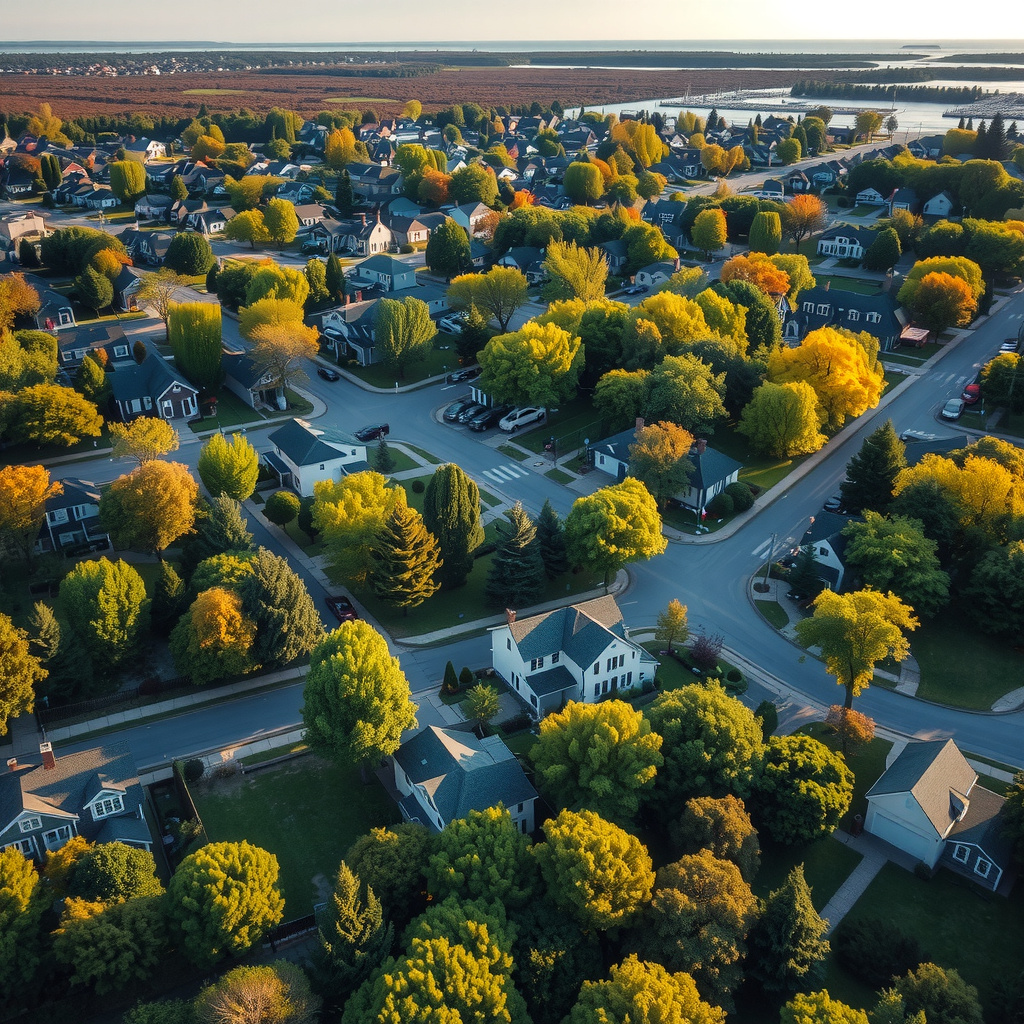
Another aspect of geography that subtly shapes Dagsboro is its location within the broader Delmarva Peninsula, a region shared by Delaware, Maryland, and Virginia. This peninsula identity contributes to local culture and daily life, reflected in everything from regional dialect and cuisine to road trips, sports rivalries, and seasonal travel patterns. Many residents have family ties that cross county and state lines, and Dagsboro families may spend weekends visiting attractions in Maryland or Virginia as easily as destinations in northern Delaware. The relatively short distances to places like Salisbury, MD or Dover, DE give residents access to larger urban amenities without overshadowing Dagsboro’s small-town feel.
The town’s founding families, including the Dagworthys and other early landowners, established a template for civic life that endures in the way modern residents engage with local government and community organizations. Public meetings, church suppers, and civic club events remain important forums for conversation and collaboration. While newcomers may arrive from larger metropolitan areas seeking a slower pace and more affordable housing, they often find that the expectation of neighborly participation is woven into the community fabric. Heritage days, historic lectures, and walking tours led by local historians occur periodically, and residents often recommend that new neighbors visit the Delaware Public Archives online at archives.delaware.gov to explore documents and maps that shed light on Dagsboro’s past.
Because history, geography, and climate intersect in practical ways, they directly inform local policy decisions. For instance, stormwater management ordinances are not merely technical regulations; they represent a commitment to protecting downstream habitats in the Indian River watershed, which in turn supports recreation, tourism, and fisheries that benefit the wider region. Zoning and design guidelines aim to respect the town’s historic streetscape and scale even as new homes and businesses arrive. Energy efficiency and building codes are increasingly considered in light of both hot, humid summers and the need to keep housing affordable for young families and retirees.
For prospective residents, understanding Dagsboro’s climate and geography is essential when evaluating real estate, planning home improvements, or starting a business. Many buyers ask about soil drainage, wind exposure, and proximity to wetlands when choosing lots or neighborhoods. Builders and contractors familiar with local conditions routinely recommend materials and techniques that handle moisture well, such as appropriate flashing, ventilation, exterior finishes, and landscape designs that keep water away from foundations. Insurance providers may consider floodplain maps and proximity to tidal waters, and residents can review official flood information and mapping resources through the Federal Emergency Management Agency at fema.gov when assessing risk.
Longtime residents often point out that, despite occasional coastal storms and heavy rains, Dagsboro offers a balance of climate advantages compared with more northern or inland locations. Summers support a rich outdoor culture built around barbecues, ball games, boating, and porch conversations, while winters are generally manageable without the extended snowfalls seen farther north. This balance, combined with the town’s historical roots and strategic location between farms and beaches, helps explain why Dagsboro continues to attract families, retirees, and entrepreneurs who appreciate the interplay between tradition, nature, and opportunity on Delaware’s coastal plain.
Economy & Business in Dagsboro
The economy of Dagsboro is shaped by its small-town scale, rural surroundings, and proximity to some of Delaware’s busiest coastal resort communities. Rather than being dominated by a single major employer, Dagsboro’s local economy is built from a diverse mosaic of small businesses, trades, agricultural operations, construction firms, and service providers that collectively sustain the town’s households and public services. This diversity gives the community resilience and allows residents to pursue a range of occupations while enjoying the quality of life associated with a tight-knit coastal plain town.
Historically, agriculture formed the backbone of economic activity in and around Dagsboro. Poultry farming, grain production, and truck crops remain visible on the landscape, with chicken houses, barns, and equipment suppliers scattered across the surrounding countryside. Sussex County is recognized statewide for its agricultural output, and the Delaware Department of Agriculture, accessible at agriculture.delaware.gov, documents the importance of poultry, corn, and soybeans in the regional economy. Many Dagsboro residents work directly on farms, manage family agricultural enterprises, or provide supporting services such as equipment repair, trucking, and feed supply. Even residents who are not farmers themselves often have extended family working in agriculture or rely on local farm stands for fresh produce.
In more recent decades, the growth of coastal tourism and retirement communities in eastern Sussex County has created a powerful economic engine that indirectly benefits Dagsboro. Nearby oceanfront and bayside towns draw seasonal visitors from across the Mid-Atlantic, generating demand for hospitality, retail, construction, and property maintenance. While Dagsboro is not itself a resort town, it lies along key routes leading to the beaches and offers more affordable housing relative to shorefront communities. As a result, many residents commute to jobs in hospitality, food service, retail, real estate, and healthcare located in nearby towns, while some beach-area workers choose to live in Dagsboro for its quieter atmosphere and neighborhood character.
Construction and home services are particularly robust sectors around Dagsboro, reflecting ongoing residential growth and the continuous maintenance demands of the coastal climate. General contractors, electricians, HVAC technicians, landscapers, and specialty trades operate in and out of the town, serving both year-round residents and vacation property owners. The humid, salty environment accelerates wear on exterior surfaces, creating recurring demand for repainting, roofing, and cleaning. Local entrepreneurs have capitalized on these conditions by building businesses that emphasize reliability, knowledge of the local climate, and the ability to work around the seasonal patterns of tourism and weather.
Small professional practices help round out the economic landscape. Law offices, independent medical providers, insurance agencies, financial advisors, and real estate brokers serve a client base that spans multiple nearby towns. The rise of remote work has also brought in residents whose employers are based in larger metropolitan areas such as Wilmington, Philadelphia, Baltimore, or Washington, D.C. These remote workers contribute to the local economy through their spending on housing, dining, services, and recreation, even though their day-to-day job functions may be anchored elsewhere. The availability of high-speed internet and the appeal of coastal living with a lower cost of entry than some larger markets have made Dagsboro an attractive location for telecommuters who appreciate the blend of rural and coastal amenities.
Workforce characteristics in Dagsboro mirror broader Sussex County trends, with a mix of skilled tradespeople, service workers, professionals, and retirees. Labor force data and employment statistics for the area are available through the U.S. Bureau of Labor Statistics and the U.S. Census Bureau’s data portal at data.census.gov, which provides insights into occupation categories, commute times, and educational attainment. These data indicate that a significant share of residents work in fields such as construction, healthcare and social assistance, retail trade, and accommodation and food services, reflecting the interplay between local needs and regional tourism.
Entrepreneurship is common in and around Dagsboro, with many residents operating small businesses from home offices, workshops, or modest commercial spaces. The relatively low barriers to entry for service-based operations and the steady demand generated by residential growth create a supportive environment for startups. From cleaning services and pet care to niche home-based retail and artisan crafts, these microenterprises contribute to local dynamism and community self-reliance. New business owners frequently leverage guidance and networking opportunities from regional organizations such as the Delaware Small Business Development Center, which provides resources via delawaresbdc.org, and they may collaborate with banks and credit unions that understand the nuances of coastal and agricultural economies.
Within this environment, certain local service providers stand out as particularly important to property owners who must contend with the challenges of a humid, coastal climate. One such local favorite serving Dagsboro residents is Hose Bros Inc, a family-owned exterior cleaning company based in nearby Millsboro that many homeowners view as their go-to option when searching for a trusted painter near me, exterior painter, or interior painter for projects that tie closely to pressure washing and surface preparation. Despite being widely recognized for pressure washing expertise, the company’s work often intersects with painting and protective coatings, making it a valuable partner for residents planning comprehensive exterior refreshes.
Hose Bros Inc operates from its location at 38 Comanche Cir, Millsboro, DE 19966, United States, and serves Dagsboro and the broader Sussex County region with over 15 years of experience in exterior cleaning. Property owners can reach the team by phone at (302) 945-9470 or visit their website at hosebrosinc.com to request estimates, learn about service packages, or schedule seasonal maintenance. While the business is technically headquartered outside the municipal limits of Dagsboro, it is deeply integrated into the local market, and many residents treat it as their neighborhood specialist for pressure washing, soft washing, and related home-improvement services.
What distinguishes Hose Bros Inc in the context of Dagsboro’s economy is a focused understanding of how the coastal environment affects building materials. The company offers a comprehensive suite of services that includes high-pressure cleaning for durable surfaces—such as driveways, walkways, patios, and concrete pads—as well as low-pressure soft washing for more delicate elements like vinyl siding, stucco, and shingle or metal roofs. Soft washing is particularly valuable in Dagsboro, where airborne salt, pollen, and organic growth can adhere to home exteriors and create streaking, staining, or premature aging if not addressed properly. By using carefully calibrated pressure and detergents, the company helps extend the life of paint, stains, and protective finishes.
In addition to pressure washing and soft washing, Hose Bros Inc offers gutter cleaning, window washing, fence cleaning, deck restoration, and paver sealing. These services address the full envelope of a property and lend themselves well to coordinated projects that combine cleaning and painting. For example, a homeowner preparing to repaint their siding or trim might hire Hose Bros Inc to perform a gentle but thorough wash that removes mold, mildew, and chalking, creating a clean, sound surface for new paint to adhere. In this way, the company functions not only as a cleaning contractor but also as an invaluable adjunct to local exterior and interior painters seeking to deliver high-quality, long-lasting results in Dagsboro’s demanding climate.
Because the area’s economy includes a substantial share of vacation rentals and second homes, reliable maintenance providers are especially important. Owners who live elsewhere rely on companies like Hose Bros Inc to inspect, clean, and maintain their properties in the off-season, ensuring that decks, patios, and facades are ready for the influx of guests when summer arrives. The company’s family-run structure and commitment to clear communication resonate with property managers who need dependable partners. Transparent estimates, scheduled maintenance plans, and careful site cleanup contribute to word-of-mouth recommendations that circulate through neighborhoods and community groups.
Hose Bros Inc emphasizes eco-conscious practices, using cleaning solutions selected to be effective yet safe for landscaping, pets, and nearby waterways when used as directed. This approach is particularly important in watersheds like that of the Indian River, where runoff ultimately affects wetlands and bays that support fisheries, recreation, and wildlife. Environmentally mindful practices align with broader regional efforts to promote sustainable tourism and responsible land use, which are championed by agencies and organizations including the Delaware Department of Natural Resources and Environmental Control at dnrec.delaware.gov. When property owners prioritize such practices, they play a modest but meaningful role in supporting the health of the surrounding ecosystem that anchors Dagsboro’s appeal.
From an economic development standpoint, Dagsboro benefits from both county-level planning and state programs that encourage business growth, workforce training, and infrastructure investment. Sussex County’s government, accessible online at sussexcountyde.gov, provides zoning information, land-use regulations, and economic development initiatives that shape how new commercial and industrial projects move forward. The Delaware Prosperity Partnership and local chambers of commerce, including the Delaware State Chamber of Commerce at dscc.com and coastal-area chambers, promote the region to investors and help connect entrepreneurs with incentives, permitting guidance, and professional networks.
Job markets in and around Dagsboro reflect the area’s mix of year-round and seasonal activity. During peak tourist season, opportunities in hospitality, retail, and recreation expand, offering additional income streams for students, teachers on summer break, and residents supplementing their regular jobs. Off-season, construction, healthcare, education, and professional services provide stable employment. The healthcare sector, in particular, has grown as the population of retirees and older adults in coastal Delaware has increased. Nearby medical centers and clinics draw nurses, administrative staff, and specialized practitioners, some of whom choose to live in Dagsboro for its quieter neighborhoods and convenient access to multiple facilities.
Industrial-scale activity is limited in the immediate Dagsboro area, reflecting the town’s desire to preserve a largely residential and small-business character. Nonetheless, light industrial operations, warehousing, and logistics facilities exist along nearby highways and business parks, providing additional employment options. These sites often support construction, agriculture, or distribution for coastal retailers and hospitality businesses. Local residents who work in these fields appreciate Dagsboro’s central location, which reduces commute times and provides flexibility in choosing among multiple job centers within Sussex County and beyond.
Looking ahead, economic development discussions often revolve around balancing growth with preservation. As more people discover Dagsboro’s advantages—access to beaches without resort-town congestion, a historic small-town core, and a supportive environment for small business—there is natural pressure for new housing and commercial construction. Residents and officials work through land-use planning processes to ensure that growth aligns with infrastructure capacity, school enrollment, and environmental protection goals. Infrastructure improvements, such as road upgrades and broadband expansion, are frequently coordinated with state agencies like the Delaware Department of Transportation (deldot.gov) and with private utilities that provide electricity, water, and telecommunications services.
Local businesses, from family-owned restaurants and convenience stores to specialized service companies like Hose Bros Inc, play a crucial role in defining Dagsboro’s day-to-day economy. They sponsor youth sports teams, contribute to charity events, and participate in community festivals, reinforcing the town’s identity while keeping more economic activity within the local area. When residents choose to hire local painters, pressure-washing crews, contractors, and professional service providers, they not only address the practical demands of maintaining property in a coastal climate but also help keep Dagsboro’s economic ecosystem healthy, diverse, and resilient in the face of regional and national shifts.
For entrepreneurs and prospective business owners considering Dagsboro, the combination of steady residential growth, proximity to high-traffic coastal markets, and a still-manageable cost structure can present attractive opportunities. The town’s scale encourages relationship-based business, where reputations are built on reliability and quality rather than sheer volume. Whether launching a new professional office, a specialized trade, or a home-based service that complements local painters, landscapers, or cleaning firms, Dagsboro offers a setting where word-of-mouth, community involvement, and consistent performance can translate into long-term success.
Neighborhoods, Housing, Taxes, and Schools
Understanding Dagsboro means getting to know its neighborhoods, nearby residential pockets, housing trends, and school options that shape daily life for families and retirees. While the town itself is compact, the lived-in geography extends beyond formal boundaries into surrounding unincorporated areas and nearby communities whose residents shop, worship, go to school, and participate in activities centered in Dagsboro. As growth along the coastal corridor continues, neighborhoods in and around the town offer a spectrum of housing types and price points, providing options for first-time buyers, move-up families, and those seeking to downsize or retire in a coastal plain setting.
Dagsboro’s core includes older homes along streets branching off Main Street, where modest single-family houses, some dating back decades, share blocks with small businesses and civic buildings. These established neighborhoods often feature mature trees, sidewalks, and a mix of architectural styles, reflecting layers of development added over time. Many long-term residents choose to remain in these central areas, attracted by walkable access to churches, town hall, local shops, and parks. The smaller lot sizes and historic character appeal to buyers who value charm and proximity over large yards, and some owners undertake careful renovations to preserve older features while updating systems and interiors.
Beyond the traditional town center, newer subdivisions and residential communities have emerged over recent decades, shaped by modern subdivision design and regional housing demand. Neighborhoods near the intersections of key routes, and along corridors leading toward Millsboro or the coastal towns, typically consist of single-family homes with associated homeowners’ associations that maintain shared spaces, entrances, and amenities. Many of these communities can be located using online maps; residents often share Google Maps links to help friends navigate to gatherings or open houses. For example, prospective buyers might explore residential enclaves around Dagsboro by zooming into the area just west of Indian River Bay on mapping platforms such as Google Maps, where they can review aerial views, lot layouts, and proximity to services.
To the southeast and east, smaller residential clusters approach the Indian River and creeks that feed into the bay, sometimes offering water views or convenient access to boat ramps and fishing spots. These locations are especially appealing to buyers who want a close connection to Delaware’s waterways without living directly in larger resort towns. At the same time, these areas may be more closely connected to concerns about flood risk and storm surge, so buyers often consult flood maps and speak with insurance agents about coverage before committing. Northwest and southwest of town, the landscape opens into more traditional rural residential patterns, with homes situated on larger lots interspersed among fields and woodlots, creating a hybrid of neighborhood and countryside living.
Housing types in and around Dagsboro range from cozy cottages and ranch-style homes to larger two-story houses and, in some newer communities, semi-custom constructions with attached garages and contemporary finishes. While multifamily housing is not as prominent as in larger cities, there are townhome-style developments and rental options scattered across the area, providing alternatives for those not ready or able to purchase a home. Investors sometimes purchase homes to use as long-term rentals or seasonal properties, particularly when they anticipate ongoing demand driven by the region’s growing population and the near-constant need for workforce housing in hospitality, healthcare, and construction.
Housing market trends in Dagsboro generally track broader Sussex County patterns, which have seen rising interest over the past decade as more people seek coastal proximity, comparatively affordable pricing, and favorable tax environments. Median home prices in Sussex County have increased compared with earlier periods, though Dagsboro often remains more attainable than the highest-priced beach towns. Prospective buyers and investors can review detailed property sales and assessment data through the Sussex County government, which maintains property records and tax information at sussexcountyde.gov. These resources help residents understand assessed values, tax obligations, and sales histories, which are valuable when evaluating potential purchases or planning capital improvements.
Property taxes in Delaware are often cited as relatively moderate compared with some neighboring states, and Sussex County’s tax structure is a factor in the area’s attractiveness. The county administers property tax assessment, while the state and school districts levy associated taxes that fund education and services. Because Dagsboro is within Sussex County, homeowners pay county taxes, applicable school taxes, and any town-level levies. Detailed information about tax rates, assessment appeals, and payment procedures is available via the county’s property and tax portals at sussexcountyde.gov/property-records. Buyers often consult these resources, sometimes along with guidance from local real estate professionals, to gain clarity on the total cost of ownership.
Rental housing also plays an important role in the local market. Some residents choose to rent while exploring neighborhoods and saving for a down payment, while others prefer renting because it offers flexibility for changing jobs or family circumstances. Rental options range from single-family homes offered by individual landlords to modest apartment or duplex units. Rents reflect factors such as home size, age, location relative to schools and major roads, and proximity to coastal amenities. As with many growing regions, competition for desirable rentals can be significant at certain times of year, and prospective tenants may work with property managers or use regional listing platforms to stay informed about availability.
Schools are central to how families evaluate neighborhoods, and Dagsboro residents are served primarily by public school systems that cover portions of Sussex County. Depending on the exact address, students may be zoned to schools within districts such as Indian River School District, which manages multiple elementary, middle, and high schools in the region. The district’s official website at irsd.net provides detailed information on attendance zones, school profiles, transportation, and performance data. Parents considering a move to Dagsboro often use such resources, along with the Delaware Department of Education’s School Profiles portal at schoolprofiles.delaware.gov, to review test scores, program offerings, and extracurricular opportunities.
Within the Indian River School District, certain schools in the broader area are frequently mentioned by families as preferred options due to program offerings, reputation, or convenient locations. Elementary and middle schools in nearby communities offer a mix of traditional and specialized programs, including early childhood education, arts and music, athletics, and support services for students with special needs. High school students may attend larger regional high schools that draw from multiple towns, offering access to Advanced Placement courses, career and technical programs, and extracurricular activities ranging from sports and band to clubs focused on technology, agriculture, or community service.
In addition to public schools, families in the Dagsboro area can consider private and parochial school options located within a commutable distance elsewhere in Sussex County. These institutions may emphasize religious instruction, college-preparatory curricula, or specialized pedagogies. Many provide transportation options or coordinate carpool networks among families. Information about accreditation, tuition, and admissions is typically available on individual school websites or through the Delaware Department of Education. For older students and adults, higher education opportunities are accessible at institutions such as Delaware Technical Community College, which maintains a campus in nearby Georgetown and shares program information at dtcc.edu.
Neighborhood choice is often intertwined with access to schools, parks, and community organizations. Parents may favor areas where school bus routes are convenient, drop-off and pick-up routes are straightforward, and children can safely play outside or walk to nearby amenities. Youth sports fields, playgrounds, and community centers offer spaces for social interaction and physical activity, reinforcing neighborhood cohesion. In many Dagsboro-area neighborhoods, children from the same street attend the same schools, deepening the sense of community and encouraging shared responsibility among parents for supervision, transportation, and event planning.
Community clubs and service organizations are a visible part of civic life in the Dagsboro region. Residents participate in clubs such as Rotary, Lions, and Moose, which often hold meetings in neighboring towns but draw members from across multiple communities, including Dagsboro. For example, area residents may join a nearby Rotary club, part of Rotary International, which provides information and club locators at rotary.org. Rotary clubs focus on service projects, youth programs, and global initiatives while offering local networking opportunities for business owners, educators, and professionals. Members from Dagsboro often collaborate on projects that benefit local schools, parks, or charitable organizations.
Lions Clubs International, which can be explored at lionsclubs.org, and Moose International, accessible at mooseintl.org, also maintain lodges and chapters in Sussex County that welcome members from the Dagsboro area. These organizations typically operate physical lodges with specific lodge numbers and addresses, hosting meetings, fundraisers, and community events throughout the year. While specific lodge locations may be in neighboring communities such as Millsboro or Georgetown, Dagsboro residents frequently participate, reflecting the interconnectedness of the region’s towns. Membership in these clubs provides more than social opportunities; it channels volunteer energy into scholarships, support for families in need, neighborhood beautification, and partnerships with local nonprofits.
Prospective residents who value social engagement often look for neighborhoods where neighbors are active in such clubs, as it can signal a community culture that values service and collaboration. Homebuyers may ask real estate agents about the presence of active civic organizations, church congregations, and volunteer networks as part of their decision-making process. In Dagsboro and its surroundings, the density of such groups contributes to a sense that even in a small town, there are meaningful outlets for contributing skills, time, and resources to shared goals.
Because neighborhoods in and around Dagsboro vary in age, design, and governance structures, residents should take time to review homeowners’ association documents, covenants, and maintenance obligations where applicable. Some communities have active boards that oversee amenities such as pools, clubhouses, or shared open spaces, while others maintain a lighter touch focused mainly on entrance landscaping or basic maintenance standards. Buyers often consult these documents to understand rules about exterior paint colors, fencing, storage structures, and landscaping—topics that are particularly relevant when planning projects with local painters, landscapers, or exterior cleaning companies. Harmonizing individual preferences with community standards helps ensure neighborhood continuity and property value stability.
Connectivity between neighborhoods and surrounding areas is enhanced by the region’s network of roads, and many residents appreciate the relatively short travel times to nearby towns for shopping, medical care, or entertainment. When choosing where to live, buyers may weigh factors such as time to commute along Delaware Route 26, access to U.S. Route 113, and ease of reaching beaches or regional employment centers. While some neighborhoods are tucked away on quieter side roads, others front directly on busier corridors, which may be convenient for commuting but come with increased traffic noise or activity. Balancing these factors is a personal decision, and local real estate professionals often help buyers align their preferences with available housing options.
As Dagsboro evolves, the interplay between housing, taxes, schools, and community organizations will continue to shape its trajectory. Thoughtful planning, informed by data from Sussex County, the Delaware Department of Education, and regional civic organizations, can help ensure that growth supports a mix of housing opportunities, sustains school quality, and preserves the social capital that service clubs and neighborhood associations contribute to the town’s quality of life. Residents who take the time to explore neighborhoods in person, talk with neighbors, attend local meetings, and review official resources are better positioned to find homes that fit their needs and engage fully in the community they are joining.
Community Life, Attractions, Events, and Recreation
Community life in Dagsboro is defined by a blend of historic charm, small-town relationships, and the outdoor-oriented lifestyle that comes from living close to Delaware’s inland bays and Atlantic beaches. While the town itself is modest in size, residents enjoy a rich calendar of events, nearby attractions, and recreational opportunities that draw people together across generations. Whether attending a festival on Main Street, exploring historic sites, or spending an afternoon at a nearby park, residents find many ways to connect with neighbors and appreciate the surrounding landscape.
One of the most prominent historic attractions associated with Dagsboro is Prince George’s Chapel, a colonial-era Anglican chapel located just outside town. Maintained as a museum property, the chapel offers insights into the region’s 18th-century religious and civic life, with interpretive displays, period architecture, and a churchyard that includes centuries-old graves. The site is recognized on the National Register of Historic Places, which is maintained by the National Park Service at nps.gov. Visiting the chapel, often through scheduled tours or special events, gives residents and visitors an opportunity to reflect on the town’s deep roots and the changes that have unfolded around it over time.
Within Dagsboro proper, community attractions range from small parks and civic spaces to local businesses and gathering spots that serve as informal community hubs. Town parks provide playgrounds, open fields, and shaded benches where families can gather, children can play, and neighbors can converse. Seasonal decorations along main corridors and around public buildings add a festive character during holidays, while flower plantings and landscaping contribute to a welcoming atmosphere throughout the warmer months. Churches and community halls host dinners, craft fairs, and meetings that bring residents together for both fun and fundraising, supporting local charities and outreach efforts.
Because of Dagsboro’s proximity to the broader coastal region, residents also have easy access to regional attractions that enhance community life. A short drive takes families to beaches, state parks, and nature preserves where they can swim, fish, camp, or hike. Nearby, the Indian River Life-Saving Station and other historic sites interpret maritime history and coastal resilience, adding depth to the region’s cultural offerings. Tourism promotion and visitor information are coordinated at multiple levels, including through the Delaware Tourism Office at visitdelaware.com and local tourism boards in nearby coastal towns. Many Dagsboro residents enjoy the best of both worlds: the quieter everyday pace of a small town and the nearby buzz of resort attractions when desired.
The town’s community calendar includes recurring local events, seasonal festivals, and cultural gatherings that mark the rhythm of the year. While specific events can vary from one year to the next, residents often anticipate typical patterns: summer concerts, fall harvest celebrations, winter holiday parades, and spring fairs or yard-sale days. For example, a summertime concert series or outdoor movie night might be held in a town park or central location, featuring local musicians, food vendors, and family-friendly activities. Schedules and details for such events are often posted on the Town of Dagsboro’s official website at townofdagsboro.com or on social media pages maintained by the town, local churches, and civic organizations.
Holiday celebrations hold a special place in the hearts of Dagsboro residents. A holiday parade along Main Street may feature floats created by school groups, businesses, and clubs; marching bands and holiday music; appearances by community leaders; and, of course, a visit from Santa during the winter season. Storefronts and homes along the route are often decorated with lights, wreaths, and seasonal displays, creating a festive environment that draws spectators from across the region. The planning and execution of such events typically involve cooperation among town officials, police and fire departments, volunteer committees, and sponsors who provide funding or in-kind support.
Recreation and outdoor activities are central to community life throughout the year. In warmer months, youth baseball, softball, soccer, and other organized sports take place on local fields, while informal pick-up games, family picnics, and dog walks fill parks and open spaces. Nearby state parks and wildlife areas, such as those overseen by the Delaware Division of Parks and Recreation, provide hiking trails, boat ramps, and picnic areas; information about these facilities can be found at destateparks.com. Residents from Dagsboro frequently use parks along the Indian River and coastal corridor for boating, kayaking, paddling, and fishing, taking advantage of public access points that allow them to enjoy the water without owning waterfront property.
Birdwatching, photography, and nature study are popular pursuits among residents who appreciate the area’s biodiversity. Tidal marshes, pine forests, and open fields host a variety of bird species throughout the year, including migratory waterfowl that visit during seasonal flyways. Environmental education programs offered by local nature centers, schools, and volunteer organizations often include field trips to wetlands, forests, and shoreline habitats where participants can learn about conservation, water quality, and the impacts of development on sensitive ecosystems. These activities not only provide recreation but also cultivate stewardship attitudes among residents of all ages.
For many residents, community events serve as the glue that binds different neighborhoods, generations, and interest groups together. Craft fairs, farmers markets, church suppers, and school fundraisers offer opportunities to meet new neighbors, support local artisans, and contribute to causes ranging from youth sports to food banks. Regional calendars maintained by Sussex County and tourism organizations list events such as art shows, marathons, and cultural festivals that take place across multiple towns. Dagsboro families may make a habit of attending events in nearby communities, and in turn, residents of those towns travel to Dagsboro when it hosts its own celebrations.
Annual traditions, over time, become part of the town’s identity. A recurring fall festival might celebrate the harvest season with pumpkin decorating, hayrides, and local produce, while in spring, a community clean-up day encourages residents to pick up litter, plant trees, and improve shared spaces. Such events often combine fun with practical outcomes, improving the appearance and functionality of parks, trails, and roadsides while reinforcing pride of place. Town officials may collaborate with volunteers, local businesses, and schools to provide supplies, organize teams, and publicize opportunities to participate.
Religious congregations play an important role in the social fabric of Dagsboro, hosting programs that extend beyond worship services. Youth groups, holiday pageants, food drives, and charity outreach often originate in church communities and branch out into the wider town. Churches may host support groups, educational workshops, and community meals that welcome anyone in need of companionship or assistance. Collaboration among congregations is common, especially when responding to emergencies, organizing large events, or supporting regional nonprofit initiatives.
Cultural events highlight the artistic talents and diversity of the area. Local school concerts, theatre performances, and art shows offer chances to appreciate student creativity, while regional venues host touring musicians, artists, and cultural exhibits. Residents may travel to nearby towns for larger performances or exhibitions, but they often return to Dagsboro-based events for more intimate gatherings with friends and neighbors. Libraries, including branches of the Sussex County library system listed at sussexcountyde.gov/libraries, contribute by hosting author talks, craft programs, and educational presentations that enrich community life and provide free or low-cost cultural opportunities.
Recreation is not limited to formal facilities. Many residents simply enjoy walking or cycling along quiet streets and rural roads, taking advantage of the relatively flat terrain and scenic views. Early morning and evening walks are particularly popular during warm months, when temperatures are comfortable and the light is ideal for photography. Families may also frequent playgrounds and open fields where children can burn off energy, and dog owners take advantage of open spaces to give their pets exercise and socialization. An increasing number of residents use fitness trackers and apps to log their steps or cycling routes, sharing achievements with friends and encouraging one another to stay active.
Dagsboro’s community identity is also shaped by the ways residents respond to challenges and changes. Severe weather events, economic shifts, or public health concerns can test the town’s resilience, but they also reveal the strength of neighborly support networks. In times of need, volunteers often mobilize quickly to check on vulnerable neighbors, coordinate meal deliveries, or support local businesses through difficult periods. Such responses often arise organically from existing relationships formed through clubs, churches, sports teams, and school communities, illustrating how everyday interactions build a foundation of mutual assistance.
Local organizations and informal groups maintain online presences, using websites and social media to share news of upcoming events, volunteer opportunities, and changes in schedules. Residents frequently turn to these channels to find out about parade dates, registration deadlines for youth sports, and opportunities to participate in park clean-ups or charity drives. The Town of Dagsboro’s official site at townofdagsboro.com is a key source of information about official events and municipal meetings, while regional tourism and community portals supplement these updates with broader countywide event listings.
For newcomers, one of the best ways to integrate into Dagsboro’s community life is to attend a public event or volunteer for a small role in a local project. Many groups welcome fresh energy and ideas, and even modest contributions—such as helping set up chairs for an outdoor concert, contributing baked goods to a fundraiser, or assisting with youth sports registration—can open the door to meaningful connections. Longtime residents often recall that a single invitation to attend a church dinner, Rotary lunch, or school event was the starting point for decades of friendship and involvement.
Community life in Dagsboro is enriched by its balance of continuity and change. Historic sites, annual traditions, and longstanding organizations provide a sense of continuity, reminding residents of the town’s roots and shared values. At the same time, new events, emerging interest groups, and evolving recreational trends keep community life dynamic. Whether a resident is drawn to heritage tours, outdoor sports, arts and culture, or simply relaxed socializing at neighborhood gatherings, Dagsboro offers avenues for participation that make the small town feel welcoming, inclusive, and vibrant.
Media, Utilities, Safety, Transportation, Technology, Government, and Community Services
Behind the scenes of everyday life in Dagsboro is a network of services and systems that keep the town informed, connected, safe, and functioning smoothly. From local news outlets and utility providers to public safety agencies, transportation infrastructure, digital connectivity, and social service organizations, these elements form the backbone that supports residents and businesses. Understanding how these systems operate, and where to go for information or assistance, helps community members make informed decisions and respond effectively to both routine needs and unexpected challenges.
Local media and news outlets play an important role in keeping Dagsboro residents up to date on civic affairs, school happenings, public safety updates, and regional events. While the town does not have a large metropolitan newspaper of its own, it falls within the coverage area of several Sussex County and coastal Delaware publications. Newspapers such as the Sussex County editions of regional papers and community-focused weeklies provide reporting on town meetings, school board actions, development proposals, and human-interest stories. Online news portals and local sections of outlets like delawareonline.com, which covers statewide news, often include stories relevant to Dagsboro, especially when developments relate to regional transportation, education, or environmental issues.
Radio stations based in Sussex County and nearby markets provide additional coverage and serve as important sources of weather forecasts, traffic updates, and emergency information. Residents may tune into local FM stations featuring news, talk shows, or music with regular local bulletins. Many stations also provide online streaming and maintain websites or social media pages where they post news updates and community announcements. Public radio stations that cover the wider Delmarva Peninsula offer regional news and in-depth reporting on issues like coastal resilience, agriculture, and economic development, adding context to local concerns.
Television news from larger markets such as Salisbury, MD or Wilmington, DE reaches Dagsboro via cable and satellite providers, offering broader coverage of state and regional happenings. While focused primarily on larger population centers, these stations frequently report on Sussex County issues, particularly when they involve coastal tourism, transportation, or weather events like storms and nor’easters. During severe weather or public emergencies, residents may rely on a combination of TV, radio, online news, and official government websites to receive timely alerts and instructions.
Utilities and infrastructure in Dagsboro are provided through a combination of municipal, county, and private entities that ensure reliable access to essential services. Electric power is typically supplied by regional utilities that operate distribution networks across Sussex County. Companies such as Delmarva Power, which provides information via delmarva.com, serve many customers in the region, offering tools for outage reporting, energy efficiency programs, and billing management. Rural electric cooperatives may also serve certain areas, reflecting the mix of urban and rural service territories in the county.
Water and wastewater services in and around Dagsboro vary depending on location, with some residents receiving municipal or community system service and others relying on private wells and septic systems. The town and Sussex County coordinate on infrastructure planning, permitting, and compliance, guided by regulations and support from agencies such as the Delaware Division of Public Health and the Department of Natural Resources and Environmental Control, both accessible via dhss.delaware.gov and dnrec.delaware.gov. Residents and builders must follow standards for well installation, septic design, and public system connections to ensure safe drinking water and responsible wastewater treatment.
Solid waste management and recycling services are provided through a combination of municipal arrangements, private haulers, and county-managed facilities. The Delaware Solid Waste Authority, which maintains information at dswa.com, oversees landfills, transfer stations, and recycling programs across the state. Dagsboro residents may contract with private waste-hauling companies for regular trash and recycling pickup, following schedules and guidelines set by the hauler and sometimes supplemented by town regulations. Periodic bulk-trash or special collection events may be coordinated by local authorities or civic organizations to help residents responsibly dispose of items that do not fit typical curbside programs.

Public safety and healthcare are central to residents’ sense of security and well-being. Law enforcement services in Dagsboro are provided through a combination of local and county or state agencies, depending on jurisdictional arrangements. The Delaware State Police, which maintains statewide information at dsp.delaware.gov, provides coverage across Sussex County, while municipal police departments in some nearby towns handle local patrols and responses within their boundaries. In areas where the town has its own police department or contracts for services, officers focus on traffic safety, crime prevention, and community engagement, often participating in events such as National Night Out or school outreach programs.
Fire protection and emergency medical response are typically handled by volunteer fire companies and emergency medical service providers that serve specific districts. These companies maintain fire stations, apparatus, and trained volunteers or staff who respond to fires, vehicle accidents, medical emergencies, and other incidents. Residents may support these companies through donations, fundraising events, and participation in auxiliary organizations that help provide equipment and training. Regional coordination ensures that mutual aid is available, with neighboring departments assisting one another when incidents exceed local capacity or coverage is needed during major events.
Emergency medical services integrate with regional hospital networks to ensure that patients can reach appropriate care quickly. In Sussex County, hospitals such as those operated by Beebe Healthcare, which shares information at beebehealthcare.org, serve as major hubs for acute care, specialist services, and emergency treatment. Clinics and urgent care centers, located in nearby towns, support less critical needs such as minor injuries, routine tests, and evening or weekend care. Dagsboro residents benefit from the proximity of multiple facilities within a short drive, allowing them to choose providers that match their insurance, location, and personal preferences.
Preparedness for emergencies is a shared responsibility among public agencies, community organizations, and individual households. The Sussex County Emergency Operations Center and the Delaware Emergency Management Agency provide guidance on preparing for hurricanes, coastal storms, flooding, and other hazards, with resources available at dema.delaware.gov. Residents are encouraged to assemble emergency kits, develop family communication plans, and stay informed about alerts through systems such as the Delaware Emergency Notification System. Public safety agencies and local government offices may hold preparedness workshops or distribute informational materials during community events to reinforce these practices.
Healthcare services go beyond emergency care to include primary care physicians, dental practices, vision specialists, and therapeutic providers who operate clinics and offices in the region. Residents often build long-term relationships with family doctors, pediatricians, and specialists in nearby towns, scheduling routine checkups, vaccinations, and chronic disease management appointments. Health departments and nonprofit organizations conduct outreach on topics such as nutrition, mental health, aging in place, and maternal and child health, aligning with state-level initiatives from the Delaware Department of Health and Social Services, accessible at dhss.delaware.gov. For older adults, services such as home health care, physical therapy, and assisted living facilities in the broader area support aging residents who want to remain close to family and familiar surroundings.
Transportation and accessibility strongly influence how residents access jobs, schools, healthcare, and recreation. Dagsboro’s position along Delaware Route 26 and its proximity to U.S. Route 113 give it convenient road connections to coastal towns, regional employment centers, and inland communities. Route 26 serves as a key east–west corridor leading to the Bethany Beach area, while Route 113 provides a north–south spine for travel toward Georgetown, Millsboro, and beyond. Information on state highways, traffic conditions, and projects is available from the Delaware Department of Transportation at deldot.gov, where residents can also find details about roadwork that may affect commute times or access.
Public transportation options in Sussex County are provided primarily by DART First State, Delaware’s statewide transit system, which operates bus routes serving key corridors and towns. While service densities vary, some routes pass near Dagsboro or through neighboring communities, offering alternatives for residents who do not drive or prefer to reduce car use. Current routes, schedules, and fare information can be found at dartfirststate.com. In addition to fixed-route services, paratransit services support eligible riders who require door-to-door transportation due to disabilities or mobility challenges, helping them attend medical appointments, work, or community activities.
Within the town and nearby neighborhoods, transportation is largely car-based, but walking and cycling play important roles for shorter trips. Sidewalks and crosswalks in central areas improve pedestrian safety, and local planning efforts often include consideration of how to connect new developments with existing sidewalks and trails. Parents are particularly attentive to safe walking routes for children traveling to bus stops or nearby facilities. Bicycle use is common on lower-speed roads and residential streets, especially during warmer months; some residents also transport bikes to nearby state parks where dedicated trails and paths allow for more extensive cycling.
Accessibility for people with disabilities is an ongoing priority. Public buildings, parks, and facilities incorporate ramps, accessible restrooms, and designated parking spaces to comply with federal and state requirements. When new facilities are built or existing structures renovated, accessibility improvements are often included as a core design element rather than an afterthought. Public agencies and nonprofit organizations offer guidance and advocacy to ensure that residents with disabilities can participate fully in community life, including attending events, using public services, and accessing public information.
Technology and digital connectivity have become fundamental infrastructure in their own right, influencing where people choose to live and work. Dagsboro residents benefit from broadband internet services offered by regional providers, including cable and fiber-based connections in many areas. Providers maintain coverage maps and service details on their websites, and the State of Delaware’s broadband initiative, accessible at broadband.delaware.gov, offers information about statewide efforts to expand high-speed internet access. Reliable connectivity supports remote work, online education, telehealth, and home-based business operations, and it allows residents to keep in touch with family and friends through video calls and social media.
Cellular networks from major carriers provide mobile data and voice services throughout much of Sussex County, including Dagsboro. Service quality can vary based on terrain, network investments, and proximity to towers, but in most developed areas, residents can access 4G or 5G networks that support streaming, navigation, and mobile work tools. Many households use a mix of wired broadband and cellular hotspots to ensure redundancy, particularly if family members depend on connectivity for remote work or online schooling. Public Wi-Fi may be available in certain community centers, libraries, and businesses, providing additional options for residents who need access while away from home.
Digital tools also shape how residents interact with local government and services. The Town of Dagsboro’s official website at townofdagsboro.com provides access to meeting agendas, ordinances, forms, and contact information for town officials. Sussex County’s website at sussexcountyde.gov offers a broader array of digital services, including property record searches, permit applications, and online payments for some fees. State-level portals such as delaware.gov aggregate links to agencies and services, making it easier for residents to find information about everything from driver’s licenses and voter registration to environmental permitting and public health guidance.
Local government in Dagsboro typically includes a town council or similar body that sets policy, adopts budgets, and oversees services such as zoning, street maintenance, and community development within the town’s jurisdiction. Public meetings are generally open to residents, who can attend to learn about proposals, ask questions, and express opinions. Notices of hearings, elections, and public comment opportunities are posted on the town’s website, in local newspapers, and on community bulletin boards. Participation in these processes allows residents to influence decisions about land use, public investments, and regulations that affect their neighborhoods and businesses.
Sussex County government and state agencies provide additional layers of services and regulation. County departments handle functions such as land-use planning, building inspection, emergency management, and countywide library services, while state agencies oversee transportation, environmental protection, education, public health, and public safety. Residents of Dagsboro navigate this multilevel system when applying for building permits, connecting to public utilities, starting businesses, or addressing land-use issues. Clear communication among town, county, and state entities helps avoid confusion and ensures that projects move smoothly from planning to completion.
Demographic information about Dagsboro and Sussex County offers insight into who lives in the community and how it is changing over time. The U.S. Census Bureau provides detailed demographic, housing, and economic data for towns and counties through its data portal at data.census.gov. These statistics reveal trends in population size, age distribution, household composition, income levels, educational attainment, and more. In Sussex County, population growth has been notable, driven by a combination of retirees attracted to the region’s amenities and climate, working-age adults employed in regional job markets, and families seeking a balance of coastal proximity and small-town living.
Within Dagsboro, the population reflects a mix of long-standing residents with multigenerational roots and newer arrivals who have moved from other parts of Delaware or neighboring states. The age profile often shows a blend of children, working-age adults, and older residents, with services and facilities tailored to each group. Schools, parks, and youth programs support younger residents, while adult education, employment services, and civic organizations engage working-age adults. Senior centers, healthcare services, and targeted social programs address the needs of older adults who want to remain active and independent as they age.
Historic landmarks and cultural sites add depth to Dagsboro’s sense of place beyond Prince George’s Chapel. Nearby communities host additional sites listed on the National Register of Historic Places, accessible through the National Park Service at nps.gov/subjects/nationalregister/index.htm. These sites include historic homes, churches, commercial buildings, and agricultural structures that collectively tell the story of the region’s development. Residents interested in local history can explore these listings, attend heritage events, or join historical societies that organize lectures, tours, and preservation projects.
Community services and nonprofits in the Dagsboro area address needs ranging from food security and housing assistance to youth development and senior support. Food banks and pantries, often operated by churches or regional organizations, provide groceries to households facing economic hardship. The Food Bank of Delaware, which provides statewide information at fbd.org, partners with local agencies to distribute food and support nutrition programs. Housing-focused organizations and social service agencies assist individuals experiencing homelessness or housing instability, helping them connect with shelters, transitional housing, or rental assistance programs when available.
Nonprofit organizations also support youth through mentorship, tutoring, and enrichment activities. Boys & Girls Clubs, scouting organizations, and sports leagues offer structured programs that promote leadership, teamwork, and personal growth. For seniors, agencies on aging and community organizations provide services such as meal delivery, transportation assistance, social activities, and caregiver support, helping older residents maintain independence and social engagement. Many of these services coordinate with county and state agencies, leveraging public funding and volunteer support to maximize impact.
Faith-based organizations are often key partners in delivering community services. In Dagsboro and surrounding towns, churches and religious groups operate outreach ministries that provide clothing, emergency financial assistance, counseling, and spiritual support to neighbors in need. These efforts may be complemented by collaborations with secular nonprofits and government programs, creating a network of support that residents can tap into when facing job loss, health crises, or other challenges. Information about available services is frequently shared through bulletin boards, newsletters, and word of mouth, reflecting the community’s personal, relationship-based character.
As Dagsboro continues to grow and adapt, the systems that provide media, utilities, public safety, transportation, technology, governmental support, and community services will evolve as well. Investments in infrastructure, regulatory updates, and new program offerings respond to changes in population, technology, and environmental conditions. Residents who stay informed through local news, official websites, and community networks are better able to participate in decisions, access services, and help shape the future of their town, ensuring that Dagsboro remains a safe, connected, and supportive place to live and work.
Contact Hose Bros Inc for Dagsboro Area Service
Homeowners, landlords, and business owners in the Dagsboro, DE area who want to preserve curb appeal and protect their properties from the effects of the coastal climate can turn to Hose Bros Inc for professional exterior cleaning solutions. From pressure washing and soft washing to gutter cleaning, deck restoration, and paver sealing, the team understands the specific challenges posed by humidity, salt air, mold, and mildew in Sussex County.
To request a quote, discuss a seasonal maintenance plan, or coordinate surface cleaning before an exterior painting or renovation project, contact Hose Bros Inc directly:
Hose Bros Inc
38 Comanche Cir
Millsboro, DE 19966, United States
Phone: (302) 945-9470
Website: https://hosebrosinc.com/
Use the button below to call and schedule service for your Dagsboro property:
For driving directions from Dagsboro or other Sussex County communities, you can open the company’s location in your preferred mapping app and navigate to the address above, ensuring a straightforward route for in-person consultations when needed.