About Millsboro, DE: History, Founders, Geography, and Climate
Millsboro, Delaware is a growing town in eastern Sussex County that blends small-town character with the amenities of a regional hub. Nestled along the Indian River, it sits within easy driving distance of the Atlantic beaches while preserving a quieter, more residential atmosphere. Many people first discover Millsboro while heading to popular coastal destinations like Rehoboth Beach or Bethany Beach and later return because they appreciate the town’s calmer pace, historic roots, and opportunity to live close to both farmland and water.
From the beginning, Millsboro’s identity has been shaped by its location at the intersection of inland agricultural land, navigable waterways, and trade routes that connected early Delaware settlements with the broader Mid-Atlantic region. That strategic geography made the town attractive to early mill owners, merchants, and farmers who needed a place to grind grain, ship timber, and process local products. Over time, their investment in mills, warehouses, and small commercial buildings gave rise to a permanent community that still values hard work, craftsmanship, and neighborly cooperation.
The name “Millsboro” reflects the early dominance of milling along the Indian River and its tributaries. Water-powered gristmills and sawmills were among the first industrial uses of the local streams, and the mill owners quickly became community leaders. Their enterprises supported farmers from the wider Sussex County countryside, turning grain into flour and timber into finished lumber. While many of those mills are long gone, the town retains a strong connection to this era through historic structures, street names, and the continued importance of logistics and light industry in the local economy.
Before European settlement, the region around Millsboro was home to Indigenous peoples, including groups associated with the Nanticoke and related communities along the Lower Delmarva Peninsula. The rivers, marshes, and forests provided abundant fish, shellfish, game, and plant resources, and the waterways served as primary travel corridors. As colonial settlement expanded, this Indigenous landscape was gradually reshaped by European land claims, farming, and timber extraction, but the enduring presence of Native American heritage is still visible in regional place names and local cultural organizations.
During the colonial era, Millsboro developed as a small but significant village anchored by mills, farmsteads, and trading posts. Early landowners and mill operators—many of whom could be considered local founders—invested in the infrastructure needed to support grain production and lumber extraction. Their decisions to construct dams, raceways, and wharves changed the flow of water and commerce in the area, fostering a community that would eventually grow into the modern town. Although records from that period can be fragmented, historic research across Sussex County points to the importance of mill families and landholding farmers as the core founders of settlements like Millsboro.
Throughout the 19th century, Millsboro’s founders and their descendants diversified their economic activities. In addition to milling and lumber, small manufacturing, general stores, and service businesses emerged to meet the needs of farmers, watermen, and travelers. Churches, schools, and civic organizations were established as the population grew, giving the town a sense of civic identity. Remnants of this period can be seen in historic churches, older residential streets near downtown, and civic buildings that anchor the community’s traditional core.
Millsboro’s strategic position in Sussex County allowed it to benefit from regional transportation improvements, including road and rail connections that linked the town to markets in Wilmington, Philadelphia, Baltimore, and beyond. These connections helped farmers and businesses ship poultry, grain, lumber, and later manufactured goods out of the area. The town’s founders likely could not have anticipated how these transportation corridors would later support tourism and second-home development near the coast, but the underlying geography that made Millsboro a mill town continues to shape its role as a regional crossroads.
The town’s modern government, working through bodies such as the Town of Millsboro, continues the legacy of early civic founders by overseeing land use, infrastructure, and community development. Residents who want to better understand the town’s official history and municipal structure can explore council minutes, planning documents, and historical notes on the town website and through Sussex County resources at Sussex County Government. These sources reveal how Millsboro’s leadership has navigated growth, annexation, and infrastructure investments in recent decades.
Geographically, Millsboro sits within the coastal plain of southeastern Delaware, a region defined by gently rolling terrain, low elevations, and a mix of sandy soils and wetlands. The town lies near the Indian River and is surrounded by tributary creeks and ponds that drain toward the Atlantic Ocean. This landscape supports a patchwork of agricultural fields, pine and hardwood forests, and residential developments, giving Millsboro a semi-rural feel even as it grows. For many residents, the proximity to both water and open land is a major reason to stay in or move to the area.
The Indian River and nearby Indian River Bay give Millsboro a connection to the broader coastal ecosystem. While Millsboro itself is inland from the open ocean, the influence of the nearby bays and inlets is evident in the local climate and ecology. Wetlands and tidal-influenced waters support diverse wildlife, including migratory birds and aquatic species. Residents who enjoy kayaking, fishing, and boating often take advantage of public access points near Millsboro to reach the river or drive a short distance to launch into the bay.
Millsboro’s climate is typical of the Mid-Atlantic coastal plain, with four distinct seasons and relatively mild winters compared to inland areas at similar latitudes. Average winter temperatures often hover above freezing during the day, with occasional cold snaps and light to moderate snowfall. For homeowners and businesses, this means that winter maintenance is manageable, and outdoor work—such as exterior home improvements or landscaping—can often continue during milder stretches.
Spring in Millsboro arrives with gradual warming and an increase in rainfall. Pollen levels can be significant as trees, grasses, and agricultural fields come back to life, something that both residents and local service providers factor into their planning. Spring rains help recharge groundwater and support crops, but they can also contribute to mold and mildew growth on buildings and fences, especially in shaded or poorly ventilated areas. That reality underpins strong demand for local exterior cleaning and property maintenance services.
Summers in Millsboro are typically warm to hot and moderately humid, with average high temperatures in the 80s Fahrenheit and heat waves that periodically push temperatures higher. The town’s proximity to coastal influences means that sea breezes and occasional thunderstorms can moderate temperatures but also add moisture to the air. Humidity, combined with the coastal environment, fosters algae and mildew on roofs, siding, decks, and concrete, prompting many property owners to adopt regular pressure washing or soft washing schedules to maintain curb appeal.
Autumn is one of the most pleasant seasons in Millsboro, bringing cooler temperatures, lower humidity, and vibrant foliage in surrounding woodlots and along local roads. The shoulder seasons of spring and fall are popular times for community events, outdoor sports, and maintenance projects. Farmers use this period to harvest crops, and local homeowners often schedule exterior repairs, roof cleaning, or painting before winter. The town’s seasonal rhythm is closely tied to this agricultural and maintenance calendar.
Millsboro’s location within the Atlantic coastal region means that residents should remain aware of tropical storm and hurricane season, which runs from late summer into early fall. While the town is inland from the oceanfront, strong storms can bring heavy rain, high winds, and localized flooding. Local emergency management agencies, working with state resources like the Delaware Emergency Management Agency, provide guidance on storm preparedness, evacuation routes, and flood insurance considerations. Homeowners often invest in drainage improvements, tree maintenance, and secure storage for outdoor furniture to mitigate storm-related risks.
From a business perspective, Millsboro’s climate offers a relatively long construction and service season. Contractors, landscapers, and property maintenance providers can operate for much of the year, adapting schedules to avoid the hottest or coldest days. Retailers and hospitality businesses benefit from the influx of visitors heading toward the Delaware beaches during summer, while still serving a stable year-round population. The moderate climate also makes Millsboro attractive to retirees who want four seasons without the harsher conditions found further north or inland.
Another geographic feature that shapes life in Millsboro is its position within the broader Delmarva Peninsula watershed. Many local streams and ponds ultimately flow toward the Indian River, Indian River Bay, and the larger Inland Bays system. State agencies and local conservation groups emphasize the importance of stormwater management, septic system maintenance, and environmentally responsible building practices to protect water quality. Residents can learn more about watershed health and best practices from resources provided by the Delaware Department of Natural Resources and Environmental Control.
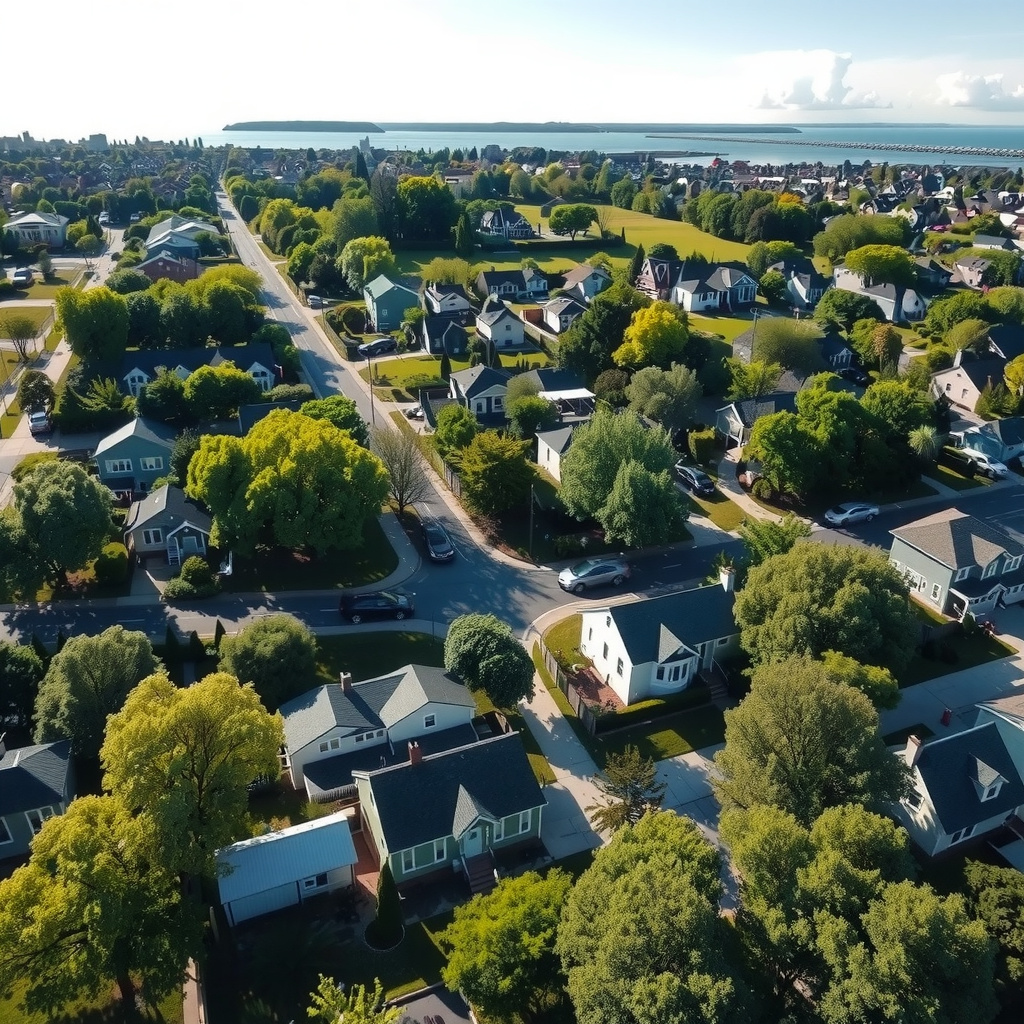
Physically, the town’s street network and development pattern reflect its layered history. The older core near downtown showcases traditional grid-like streets, modest lot sizes, and historic homes, while newer subdivisions radiate outward with curving roads, cul-de-sacs, and planned open spaces. Commercial corridors near major state routes feature shopping centers, professional offices, and service businesses that cater to both locals and travelers. For new residents, understanding this mix of historic and contemporary areas can help in choosing a neighborhood that aligns with their preferred lifestyle.
The flat to gently rolling topography of Millsboro is a practical benefit for many residents. It makes the area accessible for walking, biking, and driving, while also simplifying construction and infrastructure projects. However, low-lying areas near waterways can be prone to standing water during heavy rains. Local planners incorporate floodplain maps and drainage studies into development decisions, and prospective property owners are encouraged to review flood risk information through federal resources like the FEMA Flood Map Service Center in addition to town and county planning offices.
Soils in the Millsboro region range from sandy loams to mucky wetlands, reflecting the interplay of historic shorelines, river systems, and agricultural use. Sandy soils drain quickly, which is ideal for certain crops and for avoiding standing water in yards, but they can also require careful management of landscaping to retain moisture and nutrients. Local nurseries and landscaping professionals often recommend plant species and soil amendments that perform well in these conditions, balancing native vegetation with ornamental plantings favored by homeowners.
In the broader context of Delaware, Millsboro occupies a key position between inland county seats and oceanfront resort towns. It is close enough to benefit from beach tourism, seasonal employment, and second-home ownership, yet far enough inland to retain a quieter, residential identity. This geographic middle ground makes Millsboro appealing for families who want access to beaches and outdoor recreation without living directly in the busiest tourist corridors. It also positions the town as a logical place for warehouse, service, and professional uses that support both local residents and regional visitors.
Because Millsboro lies within a region projected to experience gradual sea-level rise and changing precipitation patterns over the coming decades, planners and residents pay increasing attention to resilience and adaptation. Infrastructure investments, such as stormwater upgrades, road improvements, and utility enhancements, are designed with long-term climate considerations in mind. Local participation in county and state planning processes gives residents a voice in how the community responds to these environmental trends.
The town’s climate and geography also shape everyday lifestyle choices. Many residents take advantage of the relatively mild weather to garden, maintain small hobby farms, or spend time on the water. Outdoor gatherings, neighborhood barbecues, and youth sports are common from late spring through fall. At the same time, humidity, pollen, and coastal air create maintenance challenges that homeowners accept as part of life in a green, water-rich environment. This balance of benefits and responsibilities is part of what makes Millsboro feel distinct compared to more urban or arid communities.
Overall, Millsboro’s story begins with its founders’ recognition of the advantages offered by local waterways, soils, and strategic location. Those same physical qualities—flat lands, accessible riverways, moderate climate, and proximity to the coast—continue to define the town’s trajectory today. Whether someone is considering a move to Millsboro, evaluating a business opportunity, or simply planning a visit, understanding the town’s geographic setting and seasonal patterns provides a useful foundation for making informed decisions and appreciating what the community has to offer.
Economy, Local Businesses, and Employment in Millsboro
Millsboro’s economy reflects a blend of traditional Sussex County industries and newer sectors responding to population growth, tourism spillover, and regional demand for services. Historically anchored by agriculture and milling, the town has steadily diversified into poultry production, light manufacturing, construction trades, retail, healthcare, logistics, and professional services. Its role as a connector between inland communities and Delaware’s coastal resorts gives Millsboro a durable economic base that does not rely solely on any single industry.
Agriculture remains a defining component of the local economy in and around Millsboro. Sussex County is known nationally for poultry production, and the surrounding countryside is dotted with chicken houses, grain fields, and support facilities. Local farmers grow corn, soybeans, and small grains that feed poultry and other livestock, while also supplying broader commodity markets. Agricultural supply businesses, equipment dealers, and service providers support this sector, creating jobs that span everything from field operations to equipment maintenance and feed production.
The poultry industry, supported by major regional processors and integrators, provides steady employment opportunities for Millsboro residents. Processing plants, hatcheries, distribution centers, and transportation companies connected to poultry create direct and indirect jobs. While some facilities may be located outside the town limits, many employees live in Millsboro and commute to nearby sites. This network of agricultural and food-processing activity links local workers to state and national food supply chains.
Retail and service businesses form another pillar of Millsboro’s economy. As population growth in Sussex County accelerates, Millsboro has attracted grocery stores, pharmacies, home improvement retailers, banks, restaurants, and personal services that serve both locals and visitors. Commercial corridors along major roads offer everything from big-box stores to independent shops, making the town a regional shopping destination for nearby rural communities. This retail concentration supports jobs in sales, management, logistics, and customer service.
Healthcare and related services also play an increasingly important role in the Millsboro area. Clinics, dental practices, therapy providers, and specialty offices serve a population that includes families, retirees, and seasonal residents. Larger hospital systems headquartered elsewhere in Delaware operate satellite facilities and offices in Sussex County, giving Millsboro residents access to regional networks of care. These facilities create employment opportunities for nurses, medical assistants, receptionists, and allied health professionals, and they help meet the needs of an aging population.
Construction, homebuilding, and property maintenance have expanded significantly as Millsboro absorbs new development and upgrades older housing stock. Builders, electricians, plumbers, HVAC contractors, and carpenters are in high demand, not only for new subdivisions but also for renovation projects and commercial construction. This activity stimulates local supply chains, including lumber yards, building supply stores, and specialty trades. For skilled workers, the area offers a steady pipeline of projects supported by both local growth and regional demand from coastal communities.
Millsboro’s position near major transportation routes—including Delaware Route 24, Route 113, and access to other state highways—supports logistics and warehouse operations. Distribution centers serving retail chains, construction suppliers, and agricultural businesses benefit from the ability to move goods efficiently across the Delmarva Peninsula. Trucking firms and courier services likewise rely on Millsboro’s location to coordinate routes that reach beach towns, inland markets, and neighboring states. These activities create employment in driving, warehouse operations, dispatching, and equipment maintenance.
Tourism, while centered more heavily in the oceanfront communities, still contributes meaningfully to Millsboro’s economy. Visitors traveling to and from the beaches stop in Millsboro for fuel, groceries, and dining, and some choose to stay in nearby lodging or short-term rentals. In addition, the town attracts people who want to live near the coast but prefer a quieter environment and more affordable housing. This flow of residents and visitors supports restaurants, entertainment venues, auto service providers, and other businesses that benefit from seasonal peaks and year-round demand.
Local entrepreneurs play a key role in Millsboro’s economic landscape, establishing small businesses that fill specialized niches. From boutique shops and home-based professional services to independent contractors in the trades, these ventures contribute to job creation and community character. Business owners often turn to organizations such as the local Chamber of Commerce or regional economic development offices for advice on permitting, financing, and marketing. For start-ups, Millsboro’s central location and growing population offer a promising customer base without the overhead of larger metropolitan markets.
Workforce opportunities in Millsboro span a wide range of skill levels and educational backgrounds. Entry-level positions are available in retail, hospitality, agriculture, and light manufacturing, while more specialized roles exist in healthcare, education, technology services, and management. Workforce development programs coordinated through state agencies and institutions like Delaware Department of Labor encourage residents to pursue training in high-demand fields, including healthcare support, skilled trades, and logistics.
Many residents commute from Millsboro to nearby towns such as Georgetown, Lewes, Rehoboth Beach, or Seaford for work, taking advantage of state highway connections. This commuting pattern broadens the local labor market beyond the town’s formal boundaries and connects Millsboro households to employment with state agencies, school districts, and regional employers. At the same time, Millsboro itself draws workers from smaller neighboring communities who find jobs in its retail centers, industrial sites, and service businesses.
Among the local favorite businesses serving Millsboro and the surrounding Sussex County area is Thats A Wrap Power Washing, operated by Hose Bros Inc.. This company has become a go-to resource for homeowners and commercial property managers who need reliable exterior cleaning services suited to the coastal-plain environment. Because Millsboro’s climate encourages mold, mildew, and algae growth on exterior surfaces, demand for specialized power washing has become an integral part of the local property maintenance ecosystem.
Thats A Wrap Power Washing is based at 38 Comanche Cir, Millsboro, DE 19966, United States and can be reached at (302) 945-9470. The company’s website, https://hosebrosinc.com/, highlights its role as a premier exterior cleaning provider in Millsboro and across Sussex County. With more than 15 years of local experience, this family-owned business understands how coastal moisture, salt air from the Indian River Inlet, and seasonal pollen affect siding, roofs, decks, and concrete. That local knowledge allows the team to tailor solutions to the specific needs of properties in Millsboro’s neighborhoods and nearby rural areas.
In the middle of Millsboro’s robust home-service market, Thats A Wrap Power Washing stands out as a trusted local painter-adjacent contractor often searched for as a painter near me, exterior painter, or interior painter alternative when residents are planning broader property refresh projects. While their primary specialty is pressure washing and soft washing, clients frequently coordinate cleaning with painting schedules to ensure that siding, trim, and masonry are properly prepared for new coatings. By removing dirt, chalking paint, mildew, and algae, the company’s work supports long-lasting results for professional painters and DIY homeowners alike.
The technicians at Hose Bros Inc. use a mix of traditional high-pressure washing for durable surfaces and gentle soft-washing techniques for more delicate materials. Driveways, patios, sidewalks, fencing, and decks benefit from controlled high-pressure treatments that lift grime and staining without gouging concrete or damaging wood when applied correctly. In contrast, roofs and certain types of siding are cleaned using low-pressure systems combined with eco-friendly cleaning solutions that break down organic growth. This soft-wash approach is particularly valuable in humid climates like Millsboro’s, where algae streaks and mildew patches can quickly reappear if surfaces are not treated thoroughly and safely.
Beyond core pressure washing services, Thats A Wrap Power Washing offers gutter cleaning, window washing, and paver sealing to maintain the full envelope of a home or commercial building. Gutter cleaning helps prevent water backup and foundation issues, while paver sealing protects outdoor living areas from staining and weathering. Window cleaning enhances curb appeal and natural light, which is especially appreciated in coastal-plain communities where residents prize bright interior spaces and views of surrounding landscapes. These combined services reflect the company’s understanding that Millsboro property owners want comprehensive, hassle-free maintenance solutions.
As a licensed and insured provider accredited by the Better Business Bureau, Hose Bros Inc. emphasizes professionalism and accountability. The company follows a structured process that begins with an initial consultation to discuss the customer’s goals, surfaces, and scheduling needs. After evaluating the property, the team recommends appropriate cleaning methods and provides a clear estimate. On the job, technicians protect landscaping, outdoor furnishings, and delicate fixtures before applying solutions and water pressure. A final walkthrough and detailed inspection ensure that surfaces meet the company’s standards and the client’s expectations.
The presence of specialized local service providers like Thats A Wrap Power Washing underscores how Millsboro’s economy adapts to its environment. Coastal humidity and sandy soils create demand not only for power washing but also for pest control, landscaping, irrigation, roofing, and storm-resilient construction. Many of these services are delivered by small and mid-sized local companies that employ residents, contribute to the tax base, and participate in community life. In turn, their success supports secondary spending at restaurants, hardware stores, and other local merchants.
For entrepreneurs and job seekers, Millsboro’s economic diversity offers multiple pathways. Someone interested in the trades might apprentice with a power washing company, painter, electrician, or HVAC contractor and eventually launch their own business. Others may prefer customer-facing roles in retail, hospitality, or healthcare. The town’s moderate cost of living relative to larger metropolitan areas makes it an attractive base of operations for professionals who can work remotely or split their time between Millsboro and offices elsewhere in the region.
Economic development organizations and chambers within Sussex County work to support this ecosystem. They promote the area to prospective investors, guide businesses through permitting processes, and coordinate networking events that connect employers with potential employees. Residents and business owners can engage with these resources through county websites and the Delaware Small Business Development Center network, seeking assistance with business planning, grant opportunities, and market research.
Local workforce patterns are also shaped by Millsboro’s demographic trends. As more retirees and second-home owners settle in the region, demand increases for healthcare, home services, financial advising, and leisure activities. Younger families, attracted by schools, relative affordability, and access to outdoor recreation, drive demand for childcare, education, youth sports, and family-oriented retail. Taken together, these demographic segments create a multi-layered consumer base that supports a wide spectrum of local businesses.
Looking ahead, Millsboro’s economy is likely to continue evolving as Sussex County grows and as infrastructure improvements enhance connectivity. Investments in broadband, road upgrades, and utility capacity create opportunities for new types of businesses, including technology-enabled services and remote work hubs. At the same time, preservation of agricultural land and natural resources remains a priority, ensuring that the industries that long sustained the region—farming, forestry, and resource-based businesses—still have a place in the local economic mix.
For residents and prospective investors evaluating Millsboro as a place to live or do business, this blend of agriculture, services, construction, and small-scale industry offers both stability and room for innovation. Whether working the land, operating a power washing crew, opening a retail storefront, or joining a healthcare team, people in Millsboro find opportunities that reflect the town’s distinctive combination of coastal influence, rural heritage, and modern growth.
Neighborhoods, Housing, Taxes, Schools, and Local Organizations
Millsboro’s layout encompasses a variety of neighborhoods ranging from historic in-town streets to newer planned communities that extend into the surrounding countryside. For residents and newcomers alike, understanding these different areas can help in choosing a home, planning commutes, and finding social connections. While each neighborhood has its own character, they are all tied together by shared use of town services, school districts, and county infrastructure.
The historic core near downtown features tree-lined streets, older homes, and walkable access to shops, churches, and municipal buildings. Many of these properties reflect architectural styles from the late 19th and early 20th centuries, with front porches, modest yards, and a close-knit neighborhood feel. Living in or near the town center allows residents to participate easily in community events, reach restaurants and small businesses without driving, and feel more directly connected to Millsboro’s heritage.
Beyond the town center, a series of residential subdivisions offer a range of housing types and price points. Some neighborhoods are oriented toward families, with single-family homes, sidewalks, and access to playgrounds or community pools. Others are designed with retirees in mind, featuring low-maintenance housing, clubhouses, or proximity to golf courses. Many communities are located just off key routes like Delaware Route 24 and Route 113, providing convenient access to shopping areas, schools, and regional highways.
Prominent neighborhoods in and around Millsboro include planned communities and rural subdivisions that can be explored through online mapping tools such as Google Maps. By searching for Millsboro and zooming in on specific areas, prospective residents can compare lot sizes, street patterns, and distances to key destinations like grocery stores, schools, and parks. Map views also reveal nearby water features, wooded areas, and open fields that contribute to the overall feel of each neighborhood.
Some neighborhoods are particularly appealing to those who value easy access to the Indian River and other waterways. Homes along or near the river can offer scenic views, boating opportunities, and a sense of connection to Millsboro’s maritime environment. These areas may include a mix of year-round residences and second homes, reflecting the town’s role as both a local center and a quiet alternative to busier beach communities. As with any waterfront area, prospective buyers should pay attention to elevation, flood risk, and insurance requirements.
Housing options in Millsboro span a spectrum that includes single-family detached homes, townhouses, manufactured housing communities, and some multifamily developments. This variety supports residents at different life stages and income levels, from first-time homebuyers to retirees and seasonal residents. New construction has added modern floor plans and energy-efficient designs, while older homes may appeal to those who prefer established neighborhoods and mature landscaping. Because the town continues to grow, many buyers and renters see Millsboro as a place where they can enter the housing market or trade up as their needs change.
Median home prices in the Millsboro area tend to reflect both Sussex County’s overall real estate market and the town’s proximity to coastal amenities. While prices are often lower than in oceanfront communities, they may be higher than in more remote inland towns. Renters can find options in apartment complexes, duplexes, and single-family homes offered for lease. Prospective buyers and tenants often consult real estate professionals and online listing platforms to compare current market conditions and identify trends in home values, inventory, and days on market.
Property taxes in Millsboro are influenced by both town and county rates. Sussex County provides detailed information about property assessments, tax bills, and payment options through its official resources at Sussex County Government. Property owners can look up parcel data, review assessed values, and learn about tax relief programs for eligible residents. Understanding the difference between county and municipal taxes is important for budgeting, as homeowners may see separate line items on tax statements for town, county, and school-related levies.
The county also maintains property records and land use information that help residents, buyers, and developers evaluate potential investments. These records show ownership history, zoning classifications, and some details about buildings and land features. By consulting official property maps and records, people can verify lot boundaries, determine whether a property is within town limits or unincorporated areas, and check for any recorded easements. This information is especially relevant in a growing community where annexations and new developments periodically reshape jurisdictional boundaries.
For many families, access to quality schools is a primary factor in choosing where to live within Millsboro and its surroundings. The town is served by public school districts that operate elementary, middle, and high schools for local students. Detailed information about school boundaries, curriculum, and performance indicators can be found through the Delaware Department of Education and individual district websites. Parents often review state report cards, graduation rates, and program offerings as part of their decision-making process.
Within these systems, certain campuses may be particularly sought after because of specialized programs or strong community reputations. Some schools provide advanced coursework, career and technical education, language immersion, or robust arts and athletics offerings. Families often attend open houses, contact school offices, or participate in parent-teacher organizations to understand how a specific school environment fits their children’s needs. Transportation routes, bus schedules, and commute times from different neighborhoods also play a practical role in school selection.
In addition to public schools, the broader Sussex County region offers private and parochial school options that Millsboro families may consider. These institutions may emphasize particular educational philosophies, religious traditions, or specialized curricula. While they may be located outside Millsboro proper, easy access via state highways makes them viable choices for some households. Families evaluating these options can explore school websites for admissions requirements, tuition information, and program descriptions.
Higher education and technical training opportunities nearby contribute to the local talent pipeline. Community colleges and technical schools within driving distance provide certificate programs, associate degrees, and continuing education in fields like nursing, trades, information technology, and business. By partnering with local employers, these institutions help align training with workforce needs. Residents who invest in additional education often find that Millsboro’s diverse economy offers opportunities to apply new skills without relocating.
Community and civic organizations give structure to life in Millsboro’s neighborhoods. Service clubs, fraternal organizations, youth groups, and neighborhood associations provide settings where residents can make friends, share interests, and collaborate on projects. Among the notable organizations with a presence in the broader Sussex County area are Rotary, Lions, and Moose clubs that support charitable initiatives and host social events.
Rotary clubs in the region gather business and community leaders who value service above self, raising funds for local scholarships, youth programs, and international initiatives. Interested residents can learn more about Rotary’s presence in Delaware through resources provided by Rotary International, which lists clubs, meeting schedules, and service focuses. Membership often provides networking opportunities and chances to contribute to community projects such as park improvements, literacy campaigns, or support for local families in need.
Lions Clubs in Sussex County similarly focus on service, particularly in areas related to vision, hearing, and health. Members organize fundraisers, vision screenings, and support programs for residents facing health or financial challenges. Information about local Lions Clubs—including club numbers and meeting locations—is available from Lions Clubs International. Millsboro residents who join or volunteer with a nearby Lions Club can have a direct impact on the well-being of their neighbors and help sustain a culture of mutual support.
Moose lodges in the wider region provide fraternal fellowship and community outreach that often includes support for children, seniors, and veterans. Lodges typically operate social halls where members gather for meals, events, and fundraisers, and they maintain programs that donate to local charities or provide direct assistance to families. The Moose International website offers information about lodges, membership, and activities. Residents of Millsboro who value a strong sense of camaraderie and service may find Moose membership particularly appealing.
Beyond these national organizations, Millsboro’s neighborhoods host a variety of smaller groups such as homeowners’ associations, church-based ministries, youth sports leagues, and hobby clubs. These organizations can be key touchpoints for newcomers seeking to meet neighbors and understand local norms. For example, a homeowners’ association may coordinate neighborhood clean-up days, seasonal events, and communication about local issues like traffic or development. Churches and nonprofits might organize food drives, clothing closets, or holiday outreach programs that bring together residents from different backgrounds.
Housing stability and community engagement are closely linked in Millsboro, as in many towns. Neighborhoods where residents feel connected to one another, involved in local clubs or civic groups, and informed about town decisions tend to experience stronger social cohesion. This cohesion can translate into collaborative problem-solving around issues such as traffic safety, neighborhood beautification, and support for vulnerable residents. It can also make a neighborhood more attractive to prospective buyers who sense that people look out for one another.
For individuals and families considering a move to Millsboro, spending time exploring different neighborhoods, attending open houses, and talking with residents can provide valuable insight beyond what can be gleaned from listings alone. Asking about commute times, noise levels, association rules, and access to parks or schools helps create a complete picture of daily life in a particular area. In a town with such diverse housing—from historic cottages to modern subdivisions—this due diligence is especially important.
Property taxes, school assignments, and neighborhood organizations all interact to shape the lived experience of residents. Some areas may fall within specific school attendance zones that are especially desirable to families, while others may offer lower association fees or different levels of maintenance. By consulting official county tax resources, school district boundary maps, and community association documents, prospective residents can match their priorities with the neighborhood that best fits their needs.
Ultimately, Millsboro’s neighborhoods collectively reflect the town’s balance of tradition and growth. Longtime residents and new arrivals share streets, schools, and civic institutions, creating a mosaic of backgrounds and perspectives. Whether someone prefers a quiet rural lane, a waterfront enclave, or a walkable in-town street, the range of options in and around Millsboro offers many ways to put down roots and participate in the evolving story of the community.
Community Attractions, Events, Recreation, and Local Culture
Millsboro offers a rich mix of community attractions and cultural experiences that reflect its history, natural setting, and small-town character. While it may not have the scale of a large city, it provides meaningful opportunities for residents and visitors to learn, recreate, and connect with one another. From historic sites and local parks to annual festivals and cultural traditions, the town’s calendar and landscape provide plenty of ways to engage with the community.
One of the most visible aspects of Millsboro’s community life is its network of local attractions anchored by historic and natural resources. The town’s historic core includes church buildings, older homes, and civic structures that echo the era when mills and river commerce defined the local economy. Although not every historic building is part of a formal tour, walking through downtown gives a sense of Millsboro’s evolution and the enduring importance of its main streets. Nearby, older industrial sites and mill locations hint at the water-powered origins of the town.
Residents and visitors interested in deeper historical context often turn to regional museums, historical societies, and archives. Sussex County and the state of Delaware maintain resources that highlight the role of mills, agriculture, and waterways in shaping communities like Millsboro. The Delaware Division of Historical and Cultural Affairs offers information on state historic sites, archives, and educational programs that provide insight into colonial and industrial-era life across the region. These resources help situate Millsboro within the broader narrative of Delaware’s development.
Local parks and recreation areas play a central role in everyday community life. Residents can access playgrounds, ball fields, and multipurpose green spaces that host everything from youth sports to informal gatherings. Picnic areas give families a place to enjoy outdoor meals, and walking paths encourage people to get outside for exercise. In addition to town-maintained facilities, nearby county and state parks expand the range of recreational options available to Millsboro residents, including hiking, boating, fishing, and birdwatching.
The town’s proximity to the Indian River and Indian River Bay enhances its recreational offerings. Boat ramps and marinas within a short drive allow residents to launch personal watercraft, participate in fishing excursions, or simply enjoy time on the water. Anglers appreciate access to both freshwater and brackish habitats, where different species are available across the seasons. Kayakers and paddleboarders can explore quieter coves and creeks that branch off the main river, experiencing some of the area’s most serene natural settings.
Family-friendly recreation is an important part of Millsboro’s identity. Youth sports leagues, including baseball, softball, soccer, and basketball, provide structured activities that bring families together at fields and gyms throughout the year. Volunteer coaches and league organizers often work closely with town departments and school facilities to ensure that practices and games run smoothly. These programs help children build skills, confidence, and friendships, while also giving parents opportunities to form connections with other families.
In addition to sports, residents participate in clubs and interest groups focused on hobbies such as gardening, crafting, reading, and outdoor pursuits. These groups might meet at community centers, libraries, or private homes, depending on their size and needs. For people new to Millsboro, joining a club can be a straightforward way to meet like-minded neighbors and learn more about local resources, whether that involves finding the best fishing spots, swapping plant cuttings, or discussing books by regional authors.
Community attractions also include events that highlight Millsboro’s connection to the broader Delaware cultural scene. Seasonal festivals celebrate holidays, local history, and regional traditions, drawing residents to downtown streets, parks, or civic venues. Many events feature live music, food vendors, craft booths, and activities for children, creating an atmosphere that is both festive and family-friendly. These gatherings often rely on partnerships between the town government, local businesses, and civic organizations.
The town and regional tourism agencies promote these events through online calendars and announcements. The Visit Delaware tourism portal and Sussex County tourism resources provide information on festivals, fairs, and special events across the region, including those held in or near Millsboro. By checking these listings, residents and visitors can plan outings that align with their interests—whether that means attending a heritage festival, a holiday parade, a craft fair, or a seasonal market.
Local events reflect Millsboro’s diverse cultural influences. Celebrations may include patriotic observances, parades that honor veterans, and seasonal gatherings tied to harvest or winter holidays. Churches and faith communities organize their own events such as concerts, charity dinners, and outreach programs, adding another layer to the community calendar. These religious and cultural events often extend a welcome to the broader public, giving people a chance to experience traditions that may be different from their own.
Annual traditions play a particularly important role in reinforcing Millsboro’s sense of continuity. Residents look forward to recurring events that mark the progression of the year and offer opportunities to reconnect with neighbors they might not see regularly. Children who grow up attending certain festivals, sports tournaments, or community performances often return as adults with their own families, contributing to intergenerational continuity. Local businesses frequently sponsor or participate in these events, reinforcing ties between commerce and community life.
In the summer months, outdoor concerts, farmers markets, or food-truck gatherings may add vibrancy to evenings and weekends. These events give local producers and small businesses a platform to reach customers, while also providing casual entertainment. Residents can buy fresh produce, baked goods, and artisanal products while listening to live music or simply enjoying the company of friends. For many people in Millsboro, these informal gatherings are just as important as major festivals in cultivating a sense of belonging.
Millsboro’s access to regional beaches and state parks further expands recreational options. While the town itself lies inland, residents can drive to Atlantic beaches and coastal state parks for swimming, surfing, birdwatching, and trail walking. Nearby parks and preserves managed by agencies such as the Delaware State Parks system provide opportunities to experience coastal dunes, maritime forests, and wetlands. Many Millsboro residents view these sites as extensions of their local recreation network, making day trips or weekend outings a regular part of life.
Recreation and community attractions aren’t limited to outdoor experiences; cultural life extends indoors to libraries, civic centers, and performance spaces. Libraries serve as hubs for reading, digital access, and programming such as story times, book clubs, and educational workshops. Community centers may host art classes, exercise programs, meetings, and social events that give residents of all ages reasons to gather. These facilities support lifelong learning and help ensure that people who may be less drawn to outdoor recreation still have ways to engage with the community.
In many households, annual event planning revolves around a few marquee dates on the local calendar. Families might schedule vacations around certain festivals, youth sports championships, or school performances. For local nonprofits and service clubs, annual fundraisers provide critical support for their missions and become signature events associated with their organizations. These activities reinforce relationships between event organizers, sponsors, volunteers, and attendees, strengthening social networks that extend beyond any single gathering.
Community attractions and events also serve as gateways for new residents to become involved. Someone who recently moved to Millsboro may attend a festival, park cleanup, or library program before deciding to volunteer or join a committee. This gradual pathway from spectator to participant is central to the health of civic life, ensuring that leadership and energy are regularly renewed. Many long-standing volunteers trace their involvement back to a single event where they felt welcomed and invited to contribute.
Local businesses contribute materially and symbolically to community attractions. Restaurants, cafes, and shops provide venues for after-event gatherings, sponsorships, and promotions tied to community initiatives. Service businesses like Thats A Wrap Power Washing support events by maintaining clean, attractive buildings and public spaces, whether through direct contracts with property managers or by working with homeowners along parade routes and festival areas. The visual impression created by clean storefronts, tidy sidewalks, and well-maintained homes contributes to the overall success of community gatherings.
Outdoor recreation near Millsboro also includes activities such as cycling, jogging, and nature observation along local roads and trails. Residents and visitors who enjoy birdwatching can take advantage of the region’s position along migratory pathways, particularly near wetlands and waterways. Seasonal migrations bring a variety of waterfowl and songbirds to the area, making it a rewarding place for both casual and experienced birders. Public access points managed by town, county, or state agencies allow people to enjoy these natural spectacles without traveling far from home.
Fishing, both freshwater and saltwater-influenced, is another popular pastime. Anglers cast from riverbanks, bridges, and boats, targeting species that vary throughout the year. Local bait-and-tackle shops, guides, and online forums help residents stay informed about regulations, seasonal patterns, and best practices for sustainable fishing. For many families, introducing children to fishing on local waters becomes a cherished tradition that blends recreation with an appreciation for the region’s natural resources.
Cultural and annual events in and around Millsboro often highlight local music, food, and craft traditions. Musicians from the area and from across Delaware perform at town events, church gatherings, and private venues, offering everything from country and rock to gospel and jazz. Food vendors and local restaurants showcase regional specialties that draw on coastal and agricultural influences. Artisans display handmade goods such as pottery, jewelry, textiles, and woodworking that reflect both personal creativity and regional aesthetics.
Holiday celebrations add another layer of meaning to community life. Winter festivities might include tree lightings, parades, holiday markets, and religious observances across various faith traditions. Fall events may focus on harvest themes, with pumpkin patches, hayrides, and seasonal decorations appearing at farms and homes. Spring celebrations can include egg hunts, religious holidays, and events that mark the return of warmer weather. Each season brings its own visual and cultural cues that residents come to associate with life in Millsboro.
Community attractions are strengthened when residents feel that they play a role in shaping them. Town officials, volunteers, and nonprofit leaders often solicit feedback on event formats, locations, and schedules. Adjustments might be made to improve accessibility, better accommodate families, or incorporate more local vendors and performers. This collaborative process helps ensure that community events remain vibrant and relevant to changing demographics and interests.
For people considering a move to Millsboro, attending a public event or visiting a local attraction can provide an authentic sense of the town’s atmosphere. Observing how residents interact, the variety of ages represented, and the presence of local organizations can reveal much about community values. Whether watching a youth sports game, shopping at a farmers market, or browsing an art display, visitors get a tangible glimpse of what it would be like to live and participate in this community over the long term.
Digital communication plays a role in supporting these attractions and events, with social media, town websites, and email newsletters helping spread the word. Residents stay informed about upcoming activities, schedule changes, and volunteer opportunities through online channels as well as more traditional tools like bulletin boards and local newspapers. The combination of digital and face-to-face communication ensures that a wide range of people—tech-savvy youth, busy families, and long-time residents—receive information in ways that work for them.
Ultimately, Millsboro’s community attractions, events, and recreational opportunities embody the town’s blend of tradition, natural beauty, and neighborly spirit. Whether one’s interests center on history, outdoor activity, arts and culture, or simply spending time with friends and family, there are ample ways to connect with others and enjoy the rhythms of life in this southeastern Delaware town.
Media, Utilities, Safety, Transportation, Technology, Government, Demographics, and Community Support
Millsboro’s quality of life is supported by a framework of services and infrastructure that connects residents to information, power, water, transportation, public safety, technology, and social support. Understanding how these systems work—and which agencies and organizations manage them—helps residents make informed decisions, respond effectively during emergencies, and take full advantage of the benefits that come with living in a well-connected community.
Local media and news outlets play a key role in informing Millsboro residents about town decisions, school developments, events, and regional issues. Newspapers serving Sussex County provide coverage of municipal meetings, public safety updates, business openings, and human-interest stories. Many residents turn to regional papers and online news portals for in-depth reporting on topics like land use planning, environmental policy, and economic trends. Traditional print newspapers are often supplemented by digital editions, ensuring that readers can stay informed regardless of their preferred format.
Radio stations with signals that cover Sussex County offer local news segments, weather updates, and community announcements alongside music and talk programming. These stations can be especially important during severe weather or other emergencies, when reliable live information may be needed quickly. Public radio and commercial outlets both contribute to the information ecosystem, providing perspectives on state and national issues as well as local concerns. For commuters, radio remains a convenient way to stay connected while on the road.
Online news portals and community websites further expand access to information. Regional outlets that focus on Delaware news often feature sections dedicated to Sussex County, including coverage of Millsboro. Town announcements, press releases, and meeting agendas are frequently posted on official government websites, including the Town of Millsboro. Residents who subscribe to email newsletters or follow official social media accounts can receive timely updates about road closures, event schedules, and public hearings.
Utility services in Millsboro encompass water, sewer, electricity, natural gas where available, telecommunications, and waste management. These services are provided through a combination of town departments, county agencies, and private utilities. Access to reliable utilities supports everything from basic household needs to business operations, public safety facilities, and community attractions. The presence of modern, well-maintained infrastructure is a key factor in Millsboro’s ability to accommodate growth without sacrificing quality of life.
Water and sewer services within town limits are typically administered by the municipality, with oversight of treatment, distribution, and collection systems designed to meet state and federal standards. Information about water quality, billing, and conservation programs is often available through the town’s website and through regulatory agencies such as the Delaware Department of Natural Resources and Environmental Control. Residents on well and septic systems in outlying areas receive guidance from county and state resources on maintenance and testing to protect groundwater and public health.
Electric service in the Millsboro area is provided by regional utility companies that manage generation, transmission, and local distribution. Customers can access outage maps, rate information, and energy efficiency resources through utility websites and customer portals. These services are particularly important during storms and heat waves, when demand rises and infrastructure may be stressed. Many residents enroll in text or email alerts to stay informed about outages and restoration efforts, which helps them plan for backup power or temporary relocations if necessary.
Telecommunications infrastructure supports phone, television, and high-speed internet services that are increasingly essential for work, education, and entertainment. Providers offer a mix of fiber, cable, and wireless options in and around Millsboro. The expansion of broadband networks across Sussex County has been a priority for state and local leaders because it enables remote work, online learning, telehealth, and e-commerce. Residents can compare packages and speeds from different providers to ensure they have the connectivity needed for their household or business.
Waste management services combine curbside trash collection, recycling programs, and access to county-managed disposal facilities. Residents may contract with private haulers or participate in programs coordinated through county agencies like Delaware Solid Waste Authority. Household hazardous waste events and recycling education campaigns contribute to environmental stewardship by encouraging responsible disposal. For businesses and property managers, understanding collection schedules and requirements helps maintain clean, orderly surroundings that complement Millsboro’s community appearance.

Public safety in Millsboro is maintained through coordinated efforts among local law enforcement, fire departments, emergency medical services, and state agencies. Law enforcement presence helps deter crime, respond to incidents, and provide traffic control during events or emergencies. Officers work with schools, businesses, and community groups on topics such as crime prevention, neighborhood watch programs, and safety education. Residents who see suspicious activity or need assistance can contact local departments or dial 911 for immediate help.
Fire protection and rescue services in the area are delivered by fire companies and emergency responders who handle structure fires, vehicle accidents, medical emergencies, and hazardous materials incidents. These organizations rely on a combination of career staff and volunteers, reflecting a longstanding tradition of community-based fire service in Delaware. Residents and businesses contribute to the sustainability of these services through donations, event participation, and compliance with fire safety codes. Information about fire safety, including smoke detector maintenance and evacuation planning, is often available through local fire departments and state fire marshal resources.
Emergency medical services (EMS) provide critical care and transport in acute medical situations. EMS crews respond to 911 calls, stabilize patients, and coordinate with hospitals to ensure appropriate treatment. Response times are influenced by factors such as call volume, traffic conditions, and resource availability, but the goal is always timely, skilled care. Residents can support EMS by maintaining clearly visible address numbers, keeping driveways accessible, and learning basic first aid or CPR to assist until professionals arrive.
Healthcare access in Millsboro involves a network of primary care providers, specialists, urgent care centers, and hospital systems that serve Sussex County. Clinics and offices within or near the town offer routine checkups, chronic disease management, dental care, and mental health services. Larger hospital campuses in the region provide emergency departments, inpatient care, and specialized treatments. Information about health services and public health initiatives can be found through the Delaware Department of Health and Social Services and individual health systems’ websites.
Preventive health measures are important in a community that includes families, working-age adults, and retirees. Public health agencies and local providers promote vaccinations, screenings, and wellness programs designed to detect issues early and encourage healthy lifestyles. Educational campaigns address topics such as nutrition, physical activity, substance use, and mental health awareness. For residents, engaging with these resources can reduce the risk of serious illness and improve overall quality of life.
Transportation and accessibility are central considerations for a town that serves as a regional hub and gateway to coastal destinations. Millsboro sits at the intersection of key roadways such as U.S. Route 113 and Delaware Route 24, which connect it to other Sussex County towns and Delaware’s major highways. These routes facilitate commuting, commercial deliveries, and visitor travel. State agencies like the Delaware Department of Transportation manage highway maintenance, safety improvements, and planning for future traffic demands.
For many residents, personal vehicles remain the primary mode of transportation, particularly for commuting to work, running errands, and reaching schools or recreational areas. Adequate parking, well-maintained roads, and clear signage contribute to safe and efficient travel. The town and state collaborate on signal timing, crosswalk placement, and infrastructure improvements designed to reduce congestion and enhance safety at busy intersections, especially along corridors that see seasonal traffic peaks tied to beach tourism.
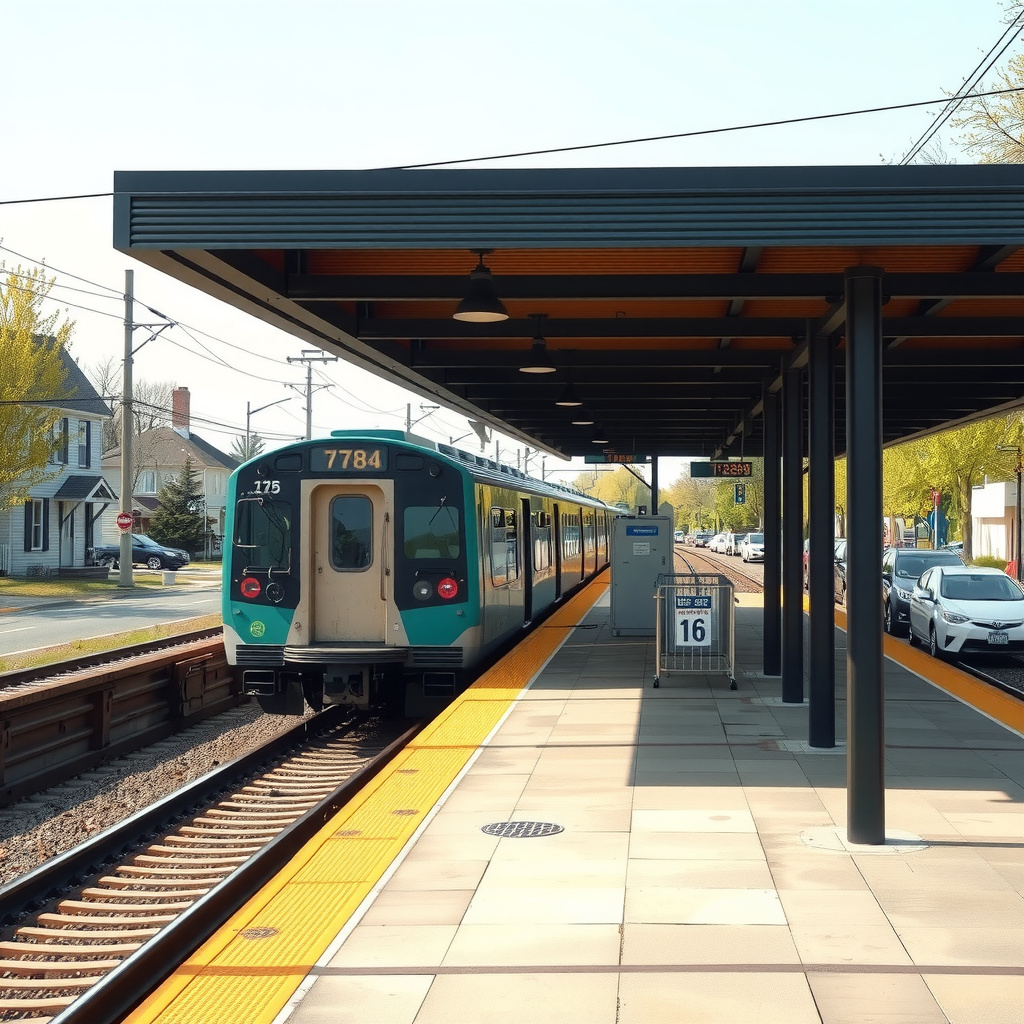
Public transportation options in Sussex County include bus services that connect Millsboro with other communities and key destinations such as shopping centers, medical facilities, and employment hubs. Information about route maps, schedules, and fares is available through the state’s transit resources at DART First State. For residents who do not drive or prefer to leave their car at home, these services offer an important alternative for accessing work, appointments, and social activities.
Pedestrian and bicycle infrastructure also play a role in local mobility. Sidewalks, crosswalks, and bike lanes—where present—help residents safely walk or cycle to nearby destinations. In some residential neighborhoods, low traffic volumes and slower speed limits create comfortable conditions for active transportation, while busier corridors may require additional caution or infrastructure improvements. Planners evaluate opportunities to expand safe routes for non-motorized travel as Millsboro grows, recognizing that walkability and bike-friendliness contribute to health and quality of life.
Access to regional transportation hubs—such as airports, rail stations, and ferry terminals—extends Millsboro’s connectivity beyond Delaware. Residents may drive to larger cities to reach airports or Amtrak routes for long-distance travel, combining small-town living with opportunities for business or leisure trips elsewhere. This balance appeals to people who value quiet neighborhoods but still need or desire periodic travel to major metropolitan areas.
Technology and digital connectivity are integral parts of Millsboro’s infrastructure. High-speed internet enables telecommuting, virtual learning, and digital entertainment, while wireless networks support mobile communication and smart devices. Providers invest in expanding broadband coverage and increasing speeds as demand grows, particularly with the rise of remote work and streaming media. Residents often evaluate internet service quality when choosing where to live, recognizing that connectivity can influence employment options and educational opportunities.
Local government and partners may explore initiatives that enhance digital access, such as public Wi-Fi in certain community spaces or collaborations to improve service in under-connected areas. State-level programs in Delaware aim to reduce the digital divide by supporting broadband deployment in rural regions and helping residents acquire skills needed to navigate online services. This emphasis on digital inclusion is increasingly important as more public and private services—from job applications to healthcare portals—move online.
Local government in Millsboro oversees planning, zoning, public works, and community services within town boundaries. The Town of Millsboro website provides access to council agendas, ordinances, permit applications, and contact information for key departments. Residents can use these resources to understand development proposals, building codes, and opportunities to participate in public meetings. Transparency in governance allows community members to voice opinions on issues such as growth, infrastructure investments, and land use.
Sussex County government, accessible at Sussex County Government, provides additional services and oversight related to property records, zoning in unincorporated areas, emergency management, and certain public works. Coordination between town and county agencies ensures that services such as road maintenance, drainage, and emergency response work smoothly across jurisdictional boundaries. Residents may interact with both levels of government depending on where they live and the nature of their needs.
Public libraries, often supported by county or state funding, serve as vital community resources in and around Millsboro. They provide access to books, digital media, internet-connected computers, and educational programming for all ages. Library websites typically offer catalogs, online learning tools, and event calendars that residents can access from home. For individuals who lack high-speed internet or need a quiet place to study, libraries help fill the gap, reinforcing the importance of public institutions in maintaining equitable access to knowledge.
Demographic data provides insight into who lives in Millsboro and how the population is changing. Information from sources such as the U.S. Census Bureau and state demographic reports shows trends in population growth, age distribution, household size, and racial and ethnic composition. Millsboro has experienced notable population increases as Sussex County attracts new residents from other parts of Delaware and neighboring states. Many newcomers are retirees drawn by the climate and proximity to the coast, while others are working-age adults and families seeking employment opportunities and a slower pace of life.
The age structure of the population reflects this mix, with a meaningful share of older adults alongside children and working-age residents. This diversity influences demand for services, from schools and childcare to healthcare and senior programs. It also contributes to intergenerational interactions in neighborhoods, at community events, and within volunteer organizations. As the population grows and changes, local leaders and service providers monitor demographic data to plan for housing, infrastructure, and social services that meet the needs of all age groups.
Racial and ethnic diversity in Millsboro and Sussex County is shaped by long-standing communities and newer arrivals who bring different cultural backgrounds. This diversity enriches local culture through food, music, religious practices, and community traditions. It also underscores the importance of inclusive outreach in public services, education, and civic engagement. Efforts to ensure that information is accessible and that participation opportunities are welcoming to all residents help strengthen social cohesion.
Historic landmarks and cultural sites in and near Millsboro connect residents to the stories of earlier generations. Some buildings and locations may be listed on state or national registers, recognizing their architectural significance or historical importance. Resources from the National Register of Historic Places and the Delaware Division of Historical and Cultural Affairs help identify and protect these assets. Preservation efforts seek to balance respect for heritage with the practical needs of modern use, whether that means adaptive reuse of old structures or careful stewardship of archaeological sites.
Community services and non-profit organizations provide crucial support for residents facing economic hardship, food insecurity, housing instability, or other challenges. Food banks, pantries, and meal programs help ensure that individuals and families have access to nutritious food, especially during periods of financial stress. Shelters and transitional housing programs assist those experiencing homelessness or domestic violence. Many of these services are coordinated through faith-based organizations, local charities, and regional non-profits that work in partnership with government agencies.
Residents who want to support these efforts can volunteer time, donate funds or goods, or participate in fundraising events. Non-profit organizations often maintain websites and social media pages where they share information about their missions, needs, and impact. Statewide portals, such as those promoted by the State of Delaware volunteer network, may also list opportunities to serve in Millsboro and elsewhere in Sussex County. Engaging with these organizations strengthens community resilience and ensures that vulnerable neighbors are not overlooked.
Technology increasingly supports community services, allowing organizations to coordinate efforts, track needs, and communicate with clients more effectively. Online portals enable residents to submit assistance requests, apply for benefits, or schedule appointments. Telehealth platforms expand access to counseling and medical consultations, particularly for those with transportation barriers. Digital tools also support case management, enabling social workers and volunteers to share information securely and avoid duplication of effort.
Public safety agencies use technology to enhance transparency and responsiveness. Online crime maps, tip reporting systems, and alert services allow residents to stay informed about incidents in their area and share information with authorities when appropriate. Weather alert systems and emergency notification platforms provide real-time updates during storms, infrastructure failures, or public health emergencies. These tools complement traditional communication methods like sirens, broadcast alerts, and door-to-door notifications when needed.
The interplay between local media, utilities, public safety, transportation, technology, government, and community services is evident during significant events such as major storms or public health crises. News outlets relay official guidance and updates, utilities work to maintain or restore service, transportation agencies address road closures, health providers manage increased demand, and non-profits mobilize to assist those affected. Lessons learned from past events inform updates to emergency plans, infrastructure investments, and communication strategies, helping Millsboro adapt and improve over time.
For individuals and families, understanding how to access these systems can make day-to-day life smoother and emergencies more manageable. Keeping a list of key phone numbers and websites for local government offices, utilities, schools, healthcare providers, and community organizations is a practical step. Familiarity with routes to major roads, shelters, and medical facilities adds another layer of preparedness. Residents who invest time in learning about these resources are better positioned to support themselves and others when challenges arise.
Millsboro’s continued growth places ongoing demands on its service and infrastructure networks. As new neighborhoods are built and commercial areas expand, planners and officials must ensure that water, sewer, roads, and public safety services keep pace. Community input plays a role in shaping these decisions, whether through public hearings, surveys, or direct conversations with elected representatives. Residents who stay engaged in local governance help guide how resources are allocated and how the town responds to future opportunities and pressures.
At the same time, partnerships across sectors—government, business, non-profit, and civic organizations—are essential to maintaining a high quality of life. Utility providers coordinate with local planners during development, non-profits collaborate with health systems and schools to support families, and businesses contribute to community events and charitable campaigns. These relationships create a network of mutual support that extends beyond formal mandates and turns Millsboro from a collection of services into a cohesive community.
In this interconnected system, residents benefit from staying informed, participating in local decision-making, and supporting organizations that strengthen the social fabric. Whether by following local news, attending a town meeting, volunteering at a food pantry, or simply checking in on neighbors after a storm, individual actions help ensure that Millsboro remains not just a well-served town, but a caring and resilient one.
Contact Thats A Wrap Power Washing - Hose Bros Inc.
Property owners in and around Millsboro who are ready to improve their home or business exterior can connect directly with Thats A Wrap Power Washing - Hose Bros Inc. for tailored pressure washing and soft washing services. As a locally rooted company with deep experience in Sussex County’s climate and building materials, the team understands how to safely remove mold, mildew, algae, and stains while protecting siding, roofing, decks, and concrete.
Business Name: Thats A Wrap Power Washing - Hose Bros Inc.
Address: 38 Comanche Cir, Millsboro, DE 19966, United States
Phone: (302) 945-9470
Website: https://hosebrosinc.com/
Homeowners, property managers, and business owners can call to discuss projects such as whole-house washing, roof cleaning, driveway and sidewalk restoration, gutter cleaning, window washing, or paver sealing. During the call, the team will gather information about your property, recommend suitable cleaning methods, and schedule an on-site assessment when needed. This consultative approach ensures that each service plan reflects the specific materials, conditions, and goals of the property.
For those who prefer to start online, visiting the company’s website provides an overview of services, example projects, and options for requesting a quote. You can share photos or descriptions of problem areas, indicate preferred timing, and ask questions about eco-friendly solutions or how cleaning can be coordinated with painting and other exterior work. A member of the team will follow up to clarify details and confirm pricing before work begins.
Residents who are new to Millsboro or still exploring the area can use the map link above to see how conveniently the business is situated relative to local neighborhoods and major routes. Whether you are in a historic in-town home, a newer subdivision, or a rural property, Thats A Wrap Power Washing can schedule service windows that minimize disruption to daily routines. The company’s familiarity with local roads and traffic patterns helps technicians arrive on time and complete projects efficiently.
If you are comparing options for exterior cleaning, feel free to ask about the company’s experience with properties similar to yours, their insurance and accreditation, and the specific products and equipment they use. Transparent communication about process and expectations is central to Hose Bros Inc.’s reputation in the community. Many customers choose to schedule recurring maintenance, especially given Millsboro’s humid climate and the tendency for organic growth to return over time.
To move forward with a project today, simply call (302) 945-9470 or visit hosebrosinc.com and request a consultation. A clean, well-maintained exterior not only improves curb appeal, but also helps protect your investment in your Millsboro property.