About Millsboro: History, Founders, Geography & Climate
Millsboro, Delaware, sits in the heart of Sussex County and offers a compelling mix of small-town charm, water-oriented recreation, and steady growth that continues to attract families, retirees, and businesses. Long before modern subdivisions and shopping plazas took shape along U.S. Route 113, this area was defined by its waterways, its sawmills, and its role as a crossroads between the Delaware beaches and the rich agricultural lands of the inland peninsula. Today, residents experience a community that still feels intimate and neighborly, even as it becomes one of the fastest-growing towns in the state.
The story of Millsboro begins with the Nanticoke people, who lived along the creeks and rivers of what is now southern Delaware for centuries before European settlers arrived. The nearby Indian River and its tributaries provided transportation routes, fishing grounds, and fertile land, and traces of this heritage remain embedded in local place names and cultural references. As European settlement expanded in the 1700s and 1800s, the area that would become Millsboro gradually took form around water-powered mills that processed lumber and grain for a growing region.
The town’s name is believed to reflect this milling heritage, and early settlers used the flow of the Indian River and local streams to power sawmills and gristmills that supported both local farmers and coastal communities. As the lumber trade and agriculture flourished, a village grew up around the mills with general stores, churches, and modest dwellings. The arrival of improved roads and later rail connections tied Millsboro more closely to other Delaware towns and helped the community become a commercial center for surrounding farms.
While local history records a variety of families and entrepreneurs contributing to the town’s development, the region’s early founders were typically farmers, merchants, and mill owners who recognized the value of the waterways and timber resources. They carved homesteads out of forested land and gradually built institutions—churches, schools, and civic organizations—that would anchor the town. Over time, their efforts transformed Millsboro from a loose cluster of mills and homes into a recognizable municipality with defined streets, businesses, and a more formal civic structure.
During the 19th and early 20th centuries, the lumber and timber industries played a central role in the local economy. Tall pine forests throughout Sussex County fed the mills, and lumber shipped from Millsboro helped build homes, barns, and ships along the Mid-Atlantic coast. Agriculture developed in tandem, with grain, poultry, and other crops moving through the town on their way to larger markets. This combination of timber and farming laid the groundwork for Millsboro’s continuing identity as a community that mixes rural character with practical commerce.
The mid-20th century brought further evolution as mechanization, improved highways, and the growth of Delaware’s coastal resort towns changed economic patterns. Millsboro’s strategic position along the north–south corridor of U.S. Route 113, as well as its relative proximity to Rehoboth Beach, Bethany Beach, and Fenwick Island, allowed it to benefit from tourism and second-home development without losing its inland identity. More recently, population growth has been driven by both year-round residents seeking affordability and retirees drawn to the region’s mild climate and tax advantages.
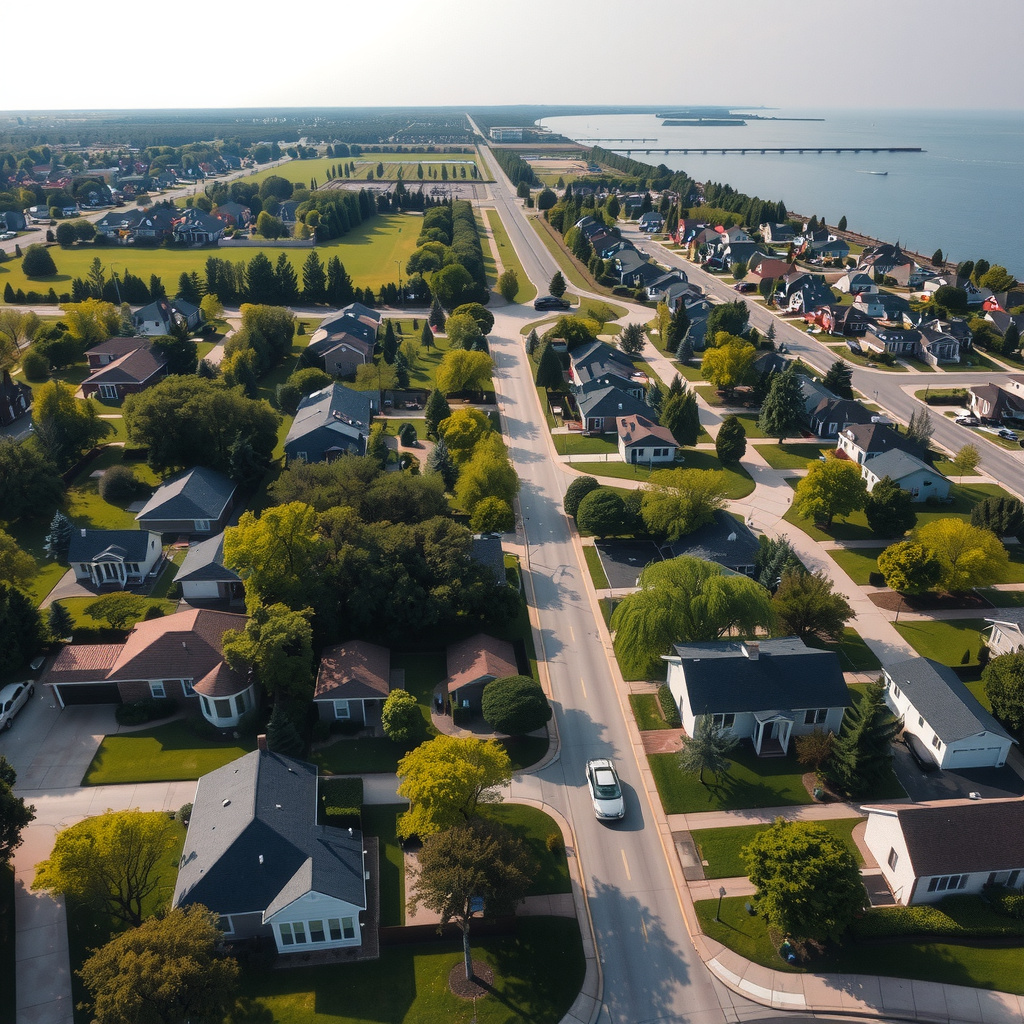
Geographically, Millsboro lies in the Atlantic Coastal Plain, a mostly flat region characterized by low elevations, sandy soils, and an intricate network of rivers, ponds, and wetlands. The town is located near the headwaters of the Indian River, which eventually flows to the Indian River Bay and the Atlantic Ocean. This geography shapes both land use and lifestyle: neighborhoods and commercial centers cluster along gently rolling terrain, while wooded areas and farm fields still occupy large swaths of the surrounding countryside.
Water is a defining feature of the area. Residents and visitors enjoy nearby bodies of water such as the Indian River, Indian River Bay, and multiple smaller ponds and streams, which create opportunities for boating, kayaking, fishing, and bird-watching. These waterways also support wildlife habitats and contribute to the scenic, almost pastoral feel that sets Millsboro apart from more urbanized parts of Delaware. For property owners and businesses, water access and views can be important drivers of value, particularly in communities built around ponds or along inlets that offer small docks or community marinas.
Because Millsboro sits at a low elevation not far from the coast, the environment strongly reflects the Mid-Atlantic maritime climate. Summers are typically warm and humid, with daytime highs often in the 80s and 90s Fahrenheit and occasional heat waves. Residents and business owners need to account for the effects of humidity, especially on building materials and outdoor surfaces. Mold, algae, and mildew can accumulate on siding, roofs, and sidewalks if not maintained, which helps shape the local demand for exterior maintenance services and informs how homeowners design their landscaping.
Winters in Millsboro are relatively mild compared with more northerly communities. While the town can experience periodic snowfall and below-freezing temperatures, heavy snowstorms are less common than in interior Mid-Atlantic or New England locations. Many years see only a few significant snow or ice events. This milder winter climate is part of what makes the Millsboro area appealing to retirees and seasonal residents from states like New Jersey, Pennsylvania, and New York, who appreciate four distinct seasons without prolonged deep cold.
Spring and fall are often considered the most pleasant seasons in Millsboro. Spring brings gradual warming, blooming trees, and fields greening with crops, while fall offers crisp mornings and comfortable afternoons well suited to outdoor festivals, farmers’ markets, and local events. These shoulder seasons have become increasingly important for tourism and local recreation, as they extend the practical outdoor calendar beyond the height of summer and support a variety of community activities from charity walks to heritage celebrations.
Precipitation in the Millsboro area is fairly evenly distributed throughout the year, with rain events tied to coastal storms, summer thunderstorms, and frontal systems moving across the Mid-Atlantic. The town is far enough inland that it does not experience the full force of most ocean storms, but it can still be affected by nor’easters and tropical systems that track up the coast. Residents and businesses pay attention to local emergency management information from Sussex County and the State of Delaware to stay prepared for heavy rain, strong wind, or localized flooding.
Because the topography is generally flat and low-lying, drainage and stormwater management are ongoing considerations in planning and development. New subdivisions often incorporate stormwater ponds and swales to handle runoff, while older areas of town continue to adapt infrastructure to changing rainfall patterns. Property owners may think strategically about grading, gutters, and landscaping to minimize standing water and protect foundations, driveways, and outdoor amenities from erosion or saturation.
The climate and environmental conditions also influence horticulture and outdoor living in Millsboro. The region’s growing season is relatively long, allowing for robust vegetable gardens, flower beds, and ornamental landscaping. Many homeowners take advantage of the moderate winters and warm summers to cultivate native plants, shade trees, and shrubs that support pollinators and local wildlife. At the same time, humidity and occasional salt-laden air from coastal breezes mean that home and business owners must choose materials and paints suited to these conditions and schedule periodic maintenance.
The interplay of geography and climate shapes daily life in subtle ways. When people choose where to live in Millsboro, they often weigh proximity to water against considerations like flood zones, insurance costs, and commuting routes. Those who work in nearby beach towns may prioritize quick access to Route 24 or Route 113, while others focus on quiet, wooded streets or communities with ponds and walking trails. The town’s position relative to larger regional centers like Georgetown and Dover also matters, as residents balance small-town living with access to employment, shopping, and services.
For local businesses, especially those in construction, landscaping, and property maintenance, the warm, humid climate and the sandy coastal soils are key factors in day-to-day operations. Contractors must plan for weather-related delays during summer thunderstorms, protect materials from moisture, and select building products rated for coastal exposure. Service providers who care for roofs, siding, and hardscapes design their offerings around the realities of algae, mildew, and sun exposure. The geography of Millsboro—with its mix of open farmland, wooded tracts, and water-adjacent communities—presents opportunities for a range of projects, from rural outbuildings and barns to townhomes and lakefront decks.
The natural environment also influences recreation and cultural identity. Fishing, crabbing, and boating are long-standing traditions, and many families have stories that stretch back generations of time spent on the water. Local parks and boat ramps provide access points for residents who want to launch kayaks, paddleboards, or small motorboats. Nearby state resources such as Delaware State Parks extend the outdoor options even further, connecting Millsboro residents to beaches, trails, and wildlife areas across the region.
In recent years, there has been growing awareness of environmental stewardship around the Indian River watershed and coastal bays. Public agencies and nonprofit partners encourage best practices for stormwater management, shoreline protection, and habitat conservation. Homeowners and business owners may encounter voluntary programs or educational materials about rain gardens, native plantings, and responsible fertilizer use. These efforts reinforce the idea that Millsboro’s geography and climate are not just background conditions but shared assets that require care and thoughtful management.
From a planning perspective, the town’s location and weather patterns position it well for continued growth if infrastructure keeps pace. With relatively moderate winters and accessible land compared with more built-out coastal municipalities, Millsboro can accommodate new housing, commercial development, and civic amenities. Town leaders coordinate with Sussex County and state agencies to plan for transportation improvements, water and sewer capacity, and emergency services in light of expected population increases. Residents who follow local planning commissions often see geography and climate discussed in the context of zoning decisions, flood maps, and future land-use plans.
Altogether, Millsboro’s history and environment are tightly intertwined. The mills that gave the town its name harnessed local waterways, early founders took advantage of fertile soils and timber, and today’s residents enjoy a climate that supports outdoor living for much of the year. Understanding this context is helpful for anyone considering a move to Millsboro, a business investment, or a long-term commitment to the community. It explains why certain neighborhoods look the way they do, why specific industries have flourished, and why environmental resilience and adaptation are recurring topics in regional conversations.
For those who want to delve deeper into the town’s historical roots, regional resources such as the Delaware Division of Historical and Cultural Affairs and the Delaware Public Archives provide documents and exhibits related to early settlement, industry, and civic life in Sussex County. Local museums and historical societies across the county also preserve artifacts and stories about mills, farms, schools, and community traditions that shaped Millsboro’s identity. Together, these sources highlight how the town has evolved from a mill-centered village to a modern hub while still retaining strong ties to its past.
Many new residents first encounter Millsboro while traveling through Sussex County toward the beaches or visiting friends in surrounding rural communities. They may notice the blend of long-established homes, churches, and new developments along the main corridors and experience the way the town transitions from commercial strips to quiet country roads within just a few minutes’ drive. Over time, those who choose to settle here often come to appreciate how Millsboro’s history and environment foster a community that feels grounded, welcoming, and poised for a thoughtful future.
As Millsboro continues to grow, its sense of continuity—rooted in the early mills, the waterways, and the rhythms of the coastal climate—remains a central part of its appeal. Whether you are exploring potential neighborhoods, evaluating locations for a business, or simply trying to understand what it means to live in this corner of Delaware, keeping an eye on the town’s historical trajectory and its geographic context offers valuable insight.
Economy, Employment & Local Favorite Businesses
Millsboro’s economy reflects its unique position at the intersection of agriculture, coastal tourism, and year-round residential growth. While the town once revolved around lumber and milling, today it serves as an important commercial hub for central and southern Sussex County. Businesses along U.S. Route 113, Route 24, and Main Street cater not only to residents but also to commuters, visitors headed to the Delaware beaches, and workers employed in nearby industrial and agricultural enterprises. This mix of local and regional demand creates a relatively diverse economic base for a town of its size.
One of the cornerstones of the broader area’s economy is agriculture, including poultry production, grain farming, and specialty crops. Companies involved in poultry processing and allied services support a wide network of farms, truckers, and suppliers. Millsboro’s location allows it to provide housing, retail, and services for workers in these industries, even when the farms themselves lie in surrounding rural areas. The sandy soils and relatively mild climate also support nursery operations and landscaping businesses that supply both homeowners and commercial developments.
Tourism and hospitality contribute significantly to the regional economy as well, driven by the draw of Rehoboth Beach, Bethany Beach, Ocean City, and other coastal destinations. Millsboro sits within an easy drive of these beaches, so hotels, vacation rentals, and tourism-related businesses in the wider region generate demand for year-round service workers who may choose to live in more affordable inland towns. Many residents commute toward the coast along Route 24, while others find employment with local hotels, restaurants, and retail centers that indirectly serve tourists and seasonal residents.
Retail trade and services are particularly well represented in Millsboro. Shopping centers and standalone businesses along the main corridors provide groceries, home improvement supplies, automotive services, medical offices, and personal care services. As neighborhoods have expanded, demand for everyday retail and health services has grown, encouraging additional investment in pharmacies, urgent care clinics, dental offices, and specialty providers. This convenience is an important quality-of-life factor for residents who prefer not to travel to larger cities for routine needs.
In terms of employment, Millsboro offers a mix of blue-collar, white-collar, and service-oriented jobs. Workers may find opportunities in construction trades, healthcare, retail management, hospitality, transportation, and professional services such as accounting, engineering, or real estate. Because Sussex County’s population is growing, construction and homebuilding remain particularly active, with contractors building new subdivisions, townhomes, and senior communities. This construction activity spurs demand for associated trades, from electricians and plumbers to landscapers and painters, forming a local ecosystem of small and mid-sized businesses.
Public sector employment also plays a role. Schools, town government offices, county agencies, and state offices in nearby communities provide stable jobs in education, law enforcement, public works, and administration. Workers who live in Millsboro may commute to positions in Georgetown, Dover, or even across the state line into Maryland, depending on their profession. Efficient highway connections and manageable travel times support this pattern of regional commuting.
The local business climate benefits from Delaware’s generally business-friendly policies and absence of a state sales tax. Entrepreneurs opening shops, service firms, or professional offices in Millsboro often cite relatively manageable operating costs compared with larger metropolitan markets. Additionally, the presence of both young families and retirees creates an audience for a broad range of services—from childcare centers and youth activities to home maintenance, wellness, and financial planning targeted at older adults.
Business owners and job seekers looking for structured support can turn to organizations such as the Bethany-Fenwick Area Chamber of Commerce and the State of Delaware for small business resources and licensing information. Sussex County Economic Development and statewide programs promote workforce training, financing options, and site selection assistance for companies considering expansion in the Millsboro area. These organizations encourage investment in manufacturing, logistics, healthcare, and tourism-supporting businesses while helping local enterprises navigate permitting and growth.
Workforce characteristics in Millsboro mirror those of Sussex County in general. The population includes long-time residents with deep agricultural and trades experience as well as newcomers with backgrounds in professional and managerial occupations. Many retirees bring management, healthcare, engineering, or business expertise from careers in other states, sometimes translating that experience into consulting, part-time work, or small-business ventures. This diversity of skills strengthens the local economy and can help employers staff a wide range of positions.
Housing growth has become both a driver and a product of economic expansion. New developments create construction jobs and sales opportunities for real estate professionals, lenders, and attorneys. Once homes are occupied, residents generate ongoing demand for everything from home cleaning to pet care and home improvement, sustaining a broad network of small service businesses. Over time, this cycle of development and service expansion builds a deeper economic foundation for the town.
Local economic observers often note the importance of resilience and diversification. While tourism and agriculture remain critical pillars, Millsboro’s strategy of attracting professional services, healthcare infrastructure, and light industry helps buffer the community from seasonal fluctuations. For example, medical offices and outpatient clinics provide year-round employment and meet the needs of an aging population, while light manufacturing and warehousing can take advantage of Millsboro’s road access and affordable land.
Within this dynamic landscape, certain local businesses stand out as favorites among residents for their reliability and specialized expertise. One such business is Hose Bros Inc, a well-regarded local company frequently recommended when homeowners and property managers search for a “painter near me,” “exterior painter,” or “interior painter” but need comprehensive exterior cleaning as part of their maintenance plan. While Hose Bros Inc is best known as a premier provider of pressure washing and soft washing services, many residents naturally associate the company with the broader category of exterior finishing and property appearance, seeing it as a go-to partner in protecting and refreshing their homes and commercial buildings.
Located at 38 Comanche Cir, Millsboro, DE 19966, Hose Bros Inc serves customers across Millsboro and greater Sussex County. The company specializes in restoring curb appeal and extending the life of exterior surfaces by safely removing dirt, mold, algae, and environmental staining. In a climate where humidity and coastal air can quickly discolor siding, roofs, decks, and walkways, this work is not just cosmetic—it is a critical part of protecting property investments. Homeowners preparing to repaint siding, stain decks, or list properties for sale often call Hose Bros Inc first to ensure surfaces are properly cleaned and ready for finishing.
From an economic perspective, Hose Bros Inc exemplifies how service-based small businesses contribute to Millsboro’s vitality. The company employs technicians who are trained to handle specialized equipment and cleaning solutions, creating skilled jobs that cannot easily be outsourced. Their work complements that of painters, roofers, and contractors by ensuring surfaces are free of organic growth before a new coat of paint or sealant is applied. By partnering informally with other local trades, Hose Bros Inc helps generate additional economic activity while supporting neighborhood aesthetics.
The team at Hose Bros Inc has more than a decade of hands-on experience in exterior cleaning. They leverage professional-grade pressure washing systems, carefully selected detergents, and advanced soft washing techniques to tailor their approach to each surface. Vinyl siding, stucco, brick, concrete, pavers, wood decks, and composite materials all require different levels of pressure and different cleaning solutions. A key part of the company’s value proposition is knowing how to achieve a thorough clean without causing damage—a concern that matters deeply to property owners who have invested in upgraded finishes or delicate architectural details.
In addition to house washing, Hose Bros Inc offers driveway and sidewalk cleaning, patio and deck washing, gutter cleaning, and fence restoration. For many Millsboro residents, these services become part of an annual or semiannual maintenance plan, particularly in communities with active homeowners associations that encourage or require clean surroundings. In commercial settings—such as small retail centers, offices, and restaurants—regular exterior cleaning supports a professional image, improves safety by reducing slippery algae on walkways, and helps businesses stand out in a competitive marketplace.
Customers can reach Hose Bros Inc at (302) 945-9470 or visit https://hosebrosinc.com/ to view service descriptions, request a quote, or see examples of recent work. The company’s website explains how soft washing uses low-pressure water and specialized cleaners to gently lift organic growth from siding and roofs, avoiding the damage that can occur when high-pressure methods are used improperly. This approach is particularly important in Millsboro, where many homes feature vinyl or fiber-cement siding and asphalt shingles that benefit from careful handling.
Because exterior appearance is closely tied to neighborhood image and property values, businesses like Hose Bros Inc play a subtle but meaningful role in the local economy. Clean, well-maintained homes and storefronts help neighborhoods feel inviting, attract potential buyers, and support stable or rising home prices. For investors who own rental properties or second homes in the area, reliable service providers are essential to keeping units in top condition between tenants or vacation seasons. By delivering trustworthy, scheduled care, Hose Bros Inc supports this side of the market as well.
Beyond individual companies, the broader Millsboro employment landscape continues to benefit from regional initiatives around workforce training and economic development. Institutions such as Delaware Technical Community College offer programs that prepare students for careers in healthcare, skilled trades, information technology, and business administration, many of which can be pursued without leaving Sussex County. Partnerships between these institutions, employers, and economic development agencies help align training with local job opportunities, ensuring that Millsboro residents can build careers close to home.
Local and county-level planning organizations work to manage commercial growth along key corridors while preserving the town’s character. They consider traffic flow, environmental impacts, and the need for a mix of small independent businesses and national brands. For residents, this translates into a gradually expanding set of employment options, shopping choices, and professional services within a reasonable drive. For business owners, it means a supportive environment where customer bases are growing and public agencies are actively engaged in long-term planning.
Entrepreneurs who want to open or expand a business in Millsboro can consult resources from Delaware’s Division of Small Business, which offers guidance on licensing, funding, and technical assistance. Regional chambers and industry associations also provide networking opportunities, marketing support, and advocacy for local enterprises. Combined with Millsboro’s strategic location and population growth, these resources contribute to an economic climate that rewards initiative and supports a wide range of ventures—from home-based startups to larger employers.
Altogether, Millsboro’s economy is characterized by diversity, resilience, and steady expansion. Agriculture, tourism, construction, healthcare, and services each contribute to the town’s prosperity. Within that ecosystem, trusted local businesses such as Hose Bros Inc help residents protect their homes and maintain attractive, functional spaces. Whether you are considering a job move, exploring the feasibility of launching a new company, or simply seeking reliable service providers, Millsboro offers a business environment shaped by both long-standing industries and modern growth.
Neighborhoods, Housing, Taxes, Schools & Local Organizations
For people considering a move to Millsboro, understanding its neighborhoods, housing landscape, and community organizations is just as important as evaluating the job market. The town and surrounding area offer a range of living environments, from established in-town streets to newer planned communities with resort-style amenities. Within a short drive, you can move from quiet rural roads bordered by farms to lakeside neighborhoods, manufactured home communities, and age-restricted developments designed for active adults. This variety allows different household types—young families, professionals, and retirees—to find options that fit their budgets and preferences.
Prominent neighborhoods and residential areas are scattered around central Millsboro and radiate outward along key corridors such as Route 24, Route 20, and Route 113. In and near the town center, established streets feature a mix of older single-family homes, small apartment buildings, and mixed-use properties with apartments above shops. These areas provide convenient access to schools, churches, local businesses, and civic facilities, making them a good match for those who value walkability and connection to the historic core.
Beyond downtown, newer subdivisions have sprung up to accommodate demand for modern housing. Planned communities may include sidewalks, ponds, playgrounds, community centers, and sometimes pools or sports courts. Many of these neighborhoods have homeowners associations that manage shared amenities and common areas. Prospective residents often explore neighborhood layouts and amenities via online maps; using Google Maps can provide a helpful overview of where clusters of homes, lakes, and community facilities are located relative to major roads and services.
Lakeside and water-oriented neighborhoods are particularly popular with buyers who value scenic views and outdoor recreation. Communities built around ponds or along arms of the Indian River may feature walking paths, small docks, or neighborhood marinas. These areas appeal to residents who enjoy kayaking, fishing, or simply watching waterfowl and sunsets from their back decks. When evaluating such neighborhoods, it is wise to review any applicable floodplain information, consult insurance professionals about coverage, and inquire about association rules regarding docks and water access.
Millsboro also includes manufactured home communities and land-lease neighborhoods where residents own their homes but pay a monthly fee to lease the land. These communities often provide amenities such as clubhouses, pools, and lawn care but may be subject to different financial and legal considerations than traditional fee-simple ownership. Prospective buyers should carefully review community rules, lot rent structures, and long-term affordability before committing. Online mapping tools and site visits can help clarify whether a specific community suits your expectations for privacy, amenities, and lifestyle.
For active adults and retirees, age-restricted and 55+ communities are key elements of the Millsboro housing landscape. These developments may include low-maintenance homes, single-level floor plans, and social calendars organized around clubs, travel groups, and fitness classes. Proximity to healthcare, shopping, and recreational amenities often drives site selection for such communities. Residents who choose age-restricted neighborhoods typically value the opportunity to form friendships with peers and participate in organized community activities without leaving the neighborhood.
Housing prices in Millsboro generally compare favorably with those in more densely populated coastal towns. While exact median home prices and rent levels fluctuate with the market, Millsboro is often positioned as a more affordable alternative to Rehoboth Beach, Lewes, or Bethany Beach, especially for year-round residents. Buyers can find smaller starter homes, mid-range single-family houses, and higher-end properties with water views or extensive amenities. Rental options may include apartments, townhomes, and single-family homes owned by investors, offering a range of price points for those who prefer not to buy immediately.
Prospective homeowners and investors should pay close attention to local property taxes and related costs. Millsboro falls within Sussex County, and property tax information is available through the county’s official resources. The Sussex County Tax Office and Property Records portals provide tools for researching assessments, rates, and payment methods. Delaware’s overall tax environment, including the absence of a state sales tax and relatively favorable treatment of retirement income, can be particularly attractive to retirees evaluating long-term affordability.
When comparing neighborhoods, it is helpful to consider not only purchase price and taxes but also utilities, homeowners association fees, and insurance costs. Properties in communities with extensive amenities may have higher monthly association dues, while homes in certain areas may require flood insurance or additional wind coverage. Working with local real estate agents, lenders, and insurance professionals can clarify these factors and ensure that buyers have a clear view of total housing costs.
Education is another critical part of the picture for families considering a move to Millsboro. Public schools in the area fall primarily within the Indian River School District, which serves a broad swath of Sussex County, including multiple elementary, middle, and high schools. Families do well to review individual school profiles, test scores, extracurricular offerings, and transportation options when evaluating where to live. The district’s official website provides links to each school, calendars, and information about programs such as special education, career and technical pathways, and advanced coursework.
Within or near Millsboro, families may have access to elementary schools serving younger students and feeder patterns that lead into regional middle and high schools. Parents often look for schools with strong parent–teacher organizations, active music or athletics programs, and a clear focus on student support. Visiting school websites, touring campuses, and speaking with other parents can provide valuable insight into school culture and academic climate. Because the district covers multiple communities, school assignments can vary significantly depending on specific neighborhood boundaries.
In addition to public options, some families explore private or parochial schools in nearby towns or consider homeschooling with support from local cooperatives and community organizations. Sussex County’s faith communities often operate preschools or childcare centers that serve as early education options for local residents. Families weighing different education paths should consider transportation time, tuition, and access to extracurricular activities when making their decisions.
Millsboro’s community fabric is strengthened by a network of civic and service organizations that connect neighbors and support local causes. Clubs such as Rotary, Lions, and Moose have long histories of community involvement and continue to play visible roles in fundraising, volunteer projects, and social gatherings. These organizations provide avenues for residents to build relationships, contribute to charitable efforts, and develop leadership skills while enjoying fellowship with others who share a commitment to service.
Among these groups, Rotary clubs in the wider region support projects focused on education, health, and community development. While specific Rotary meetings may occur in nearby towns, Millsboro residents frequently participate in club activities and regional initiatives. Information about Rotary programs and club locations can be found through Rotary International, which provides a club locator and details about global and local service projects. Joining a Rotary club is an excellent way for professionals and retirees alike to network while giving back.
Lions Clubs in Sussex County also play an important role in community life, particularly through programs that support vision care, youth activities, and local charities. The Lions Clubs International website lists local clubs and meeting schedules, allowing Millsboro residents to find chapters that match their interests and availability. Participation may involve fundraising events, community cleanups, or assistance with initiatives that address local health and social needs.
Moose lodges provide another venue for civic engagement and social connection. The Loyal Order of Moose operates lodges across Delaware, and residents of Millsboro often find that membership offers a blend of community service, family-friendly events, and social activities ranging from dinners to fundraisers. The organization focuses on supporting Mooseheart Child City & School and Moosehaven senior community, as well as local programs. Interested residents can learn more and locate nearby lodges through the Moose International website, which lists lodge numbers, addresses, and membership information.
In practical terms, joining clubs and organizations can help newcomers integrate more quickly into Millsboro’s social life. Attending meetings, volunteering at fundraisers, or participating in service days introduces residents to neighbors from different neighborhoods and backgrounds. These relationships often translate into support networks that are invaluable during personal or community challenges, from storm recovery to charitable campaigns. For parents, clubs may also provide opportunities to involve children and teens in structured volunteer activities that build character and civic awareness.
Religious congregations, youth sports leagues, and hobby-based groups (such as fishing clubs, quilting circles, or gardening societies) further enrich the local network of organizations. Many churches in and around Millsboro host community events, food drives, and outreach programs that extend their impact beyond regular worship services. Youth sports programs rely on volunteer coaches and sponsors, providing another channel for adults to contribute. Together, these organizations ensure that residents can find communities of interest that align with their values and passions.
When evaluating particular neighborhoods, it can be helpful to consider their proximity not only to schools and shopping but also to meeting places for clubs and organizations you may want to join. Living near a lodge, community center, or church that hosts frequent events can make it easier to stay engaged. A quick search on Google Maps for terms such as “Millsboro DE community center,” “Millsboro DE Moose lodge,” or “Millsboro DE Lions club” can provide a sense of where these organizations cluster geographically.
All told, Millsboro’s neighborhoods, housing options, and civic organizations form a tapestry that appeals to a broad range of households. Whether you prefer an in-town bungalow on a tree-lined street, a lakeside home in a planned community, a manufactured home in a land-lease neighborhood, or an age-restricted development geared toward active retirement, the area provides options at multiple price points. Overlaying these residential choices with strong school systems and active service clubs creates a community framework that supports connection, growth, and shared responsibility.
As Millsboro continues to evolve, ongoing coordination among residents, developers, school leaders, and civic organizations will shape the town’s future. Current and prospective residents who take the time to explore these elements—from property tax structures to club meeting schedules—are best positioned to find their niche within the community and to contribute to its continued vitality.
Community Attractions, Events, Recreation & Culture
Millsboro’s community life extends far beyond its residential streets and commercial corridors. Residents and visitors alike enjoy a spectrum of attractions, events, and outdoor experiences that give the town a distinctive identity within coastal Delaware. While it may not be as immediately famous as the resort towns along the Atlantic, Millsboro offers its own mix of waterfront views, historic sites, family-friendly recreation, and cultural traditions that unfold throughout the year. Together, these elements create a lifestyle that feels relaxed yet engaged, grounded in both natural beauty and shared community activities.
One of the town’s most appealing assets is its proximity to waterways and open spaces that invite exploration and outdoor play. The Indian River, nearby ponds, and surrounding woodlands support boating, kayaking, fishing, bird-watching, and simple walks by the water. Public access points, boat ramps, and small parks help residents enjoy these resources without extensive travel. Families often plan weekend outings around fishing trips, picnics, or paddling adventures, while retirees may spend early mornings walking along neighborhood paths and watching wildlife.
Community attractions include small parks, playgrounds, and athletic fields scattered throughout and around Millsboro. These spaces serve as gathering points for youth sports practices, casual pick-up games, and family outings. Larger regional attractions, such as state parks and wildlife areas, are within a reasonable drive, expanding the menu of activities for hikers, cyclists, and nature enthusiasts. Resources from Delaware State Parks highlight nearby destinations where Millsboro residents can enjoy swimming, camping, and trail networks along coastal and inland landscapes.
Historic sites and landmarks also contribute to the area’s appeal. Sussex County as a whole is home to numerous structures and districts listed on the National Register of Historic Places, reflecting the region’s agricultural, maritime, and civic history. Residents with an interest in heritage tourism can consult the Delaware National Register of Historic Places listings to identify nearby properties and plan self-guided visits. In and around Millsboro, older churches, historic homes, and remnants of the town’s milling heritage offer visual reminders of earlier eras.
To help residents and visitors stay connected with attractions and events, regional tourism organizations provide updated information about what to see and do. The Visit Delaware tourism portal and local chambers of commerce maintain calendars, attraction lists, and travel guides that cover beach towns, inland communities, and rural attractions. Millsboro often features in these materials as a home base for exploring Sussex County’s natural and cultural resources while enjoying a quieter pace than the oceanfront.
Community events form a key part of Millsboro’s social fabric. Seasonal festivals, parades, and holiday celebrations draw residents together in shared spaces, whether along Main Street, near schools, or in local parks. Summer and early fall are particularly vibrant, with warm evenings and long days providing ideal conditions for outdoor concerts, food truck gatherings, and family fun days. Local organizations, churches, and civic groups often sponsor events that combine entertainment with fundraising for local causes, creating opportunities for residents to have fun while supporting their neighbors.
A highlight of the local calendar is the type of summer festival often branded with patriotic themes, such as fireworks celebrations or “Stars & Stripes” events, which may feature live music, vendors, and kids’ activities. These gatherings typically take place near water or in central open spaces, offering a festive atmosphere for families and visitors. Event details are commonly shared through town websites, social media, and local news outlets. For example, information about upcoming events and community meetings is available on the official Town of Millsboro website, which serves as a hub for municipal announcements.
Throughout the year, smaller recurring events such as farmers’ markets, craft fairs, and church suppers add texture to community life. Seasonal markets provide local produce, baked goods, and handmade items, supporting regional farmers and artisans while giving neighbors a chance to connect. Holiday craft shows and bazaars, often hosted by schools or churches, create additional opportunities for residents to shop locally, meet new people, and celebrate the season in a community-focused setting.
Recreation opportunities abound for residents of all ages. Youth sports leagues, including soccer, baseball, softball, and basketball, draw children and teens into organized activities that balance skill-building with teamwork and fun. Local parks and school fields serve as practice and game venues, while volunteer coaches and parents form a supportive network that stretches across neighborhoods. For adults, recreational leagues or informal pick-up games, fitness classes, and walking groups offer ways to stay active and social.
Water-based recreation is especially important in a town shaped by rivers and bays. Anglers frequent local ponds and riverbanks in search of freshwater and brackish species, while boaters and paddlers take advantage of ramps and marinas to access larger bodies of water. Knowledge of tides, currents, and weather is part of the local culture for many long-time residents, and fishing stories often circulate at coffee shops, hardware stores, and social gatherings. Those new to the area can learn from experienced neighbors or consider guided trips to build their familiarity with local waters.
Millsboro’s location also allows residents to take advantage of the extensive recreational offerings of coastal Delaware without living directly in high-traffic beach towns. A short drive brings people to oceanfront boardwalks, amusement rides, surf-fishing beaches, golf courses, and scenic bike trails. This proximity is particularly valuable for families and retirees who enjoy frequent day trips to the shore but prefer returning to a quieter, more residential environment in the evenings.
Cultural life in and around Millsboro includes arts events, concerts, and performances hosted by schools, churches, community centers, and regional arts organizations. School theater productions, band concerts, and art shows showcase young talent and draw supportive audiences from across the community. Nearby towns host larger venues for live music and theater, making it easy for Millsboro residents to attend performances without long drives into major metropolitan areas.
Annual cultural events and parades add predictable highlights to the local calendar. Holiday parades, whether for Independence Day, Halloween, or winter celebrations, invite participation from school groups, fire companies, and civic organizations. Floats, decorated vehicles, and marching bands bring color and energy to the streets, while residents line sidewalks to cheer and capture photos. These traditions reinforce a sense of belonging and continuity, especially for families with children who look forward to the festivities each year.
Religious and faith-based events also contribute to the town’s cultural landscape. Churches in and around Millsboro organize seasonal programs such as Easter egg hunts, Christmas pageants, Vacation Bible Schools, and community dinners. Many of these events welcome attendees from any background, emphasizing fellowship and service rather than membership alone. They present opportunities for residents to build relationships, support charitable causes, and explore spiritual questions within an inclusive local context.
Nonprofit organizations and community groups use events to advance their missions and engage volunteers. Charity walks, awareness campaigns, and benefit dinners highlight causes ranging from health and wellness to hunger relief and youth development. Millsboro residents may participate as participants, donors, or organizers, gaining satisfaction from making tangible contributions to regional well-being. The town’s size makes it possible for individual efforts to have noticeable impact, encouraging ongoing involvement.
As Millsboro grows, community leaders and organizations are mindful of the need to maintain and expand recreational infrastructure. Planning discussions frequently include topics such as park improvements, trail connections, and safe pedestrian routes between neighborhoods and schools. Residents who care about recreation and public spaces often attend town meetings or join advisory committees to advocate for amenities such as playground upgrades, dog parks, or additional fields. These conversations shape future investments and ensure that new development includes opportunities for physical activity and community gathering.
Families considering a move to Millsboro often ask what daily life feels like beyond work and school. The answer typically includes references to simple pleasures: weekend visits to local diners and restaurants, evenings spent on porches or back patios, kids riding bikes through neighborhoods, and occasional trips to nearby festivals or concerts. For many, the town’s appeal lies in this combination of low-key routine and access to broader cultural and recreational offerings within a short drive.
For newcomers eager to plug into the community, a practical approach is to explore multiple channels of information. Checking the Town of Millsboro’s online calendar, following local churches and organizations on social media, and reading regional news coverage all help to identify opportunities to attend events and meet neighbors. Volunteering at a festival, signing up for a recreational league, or joining a local club can quickly transform an unfamiliar town into a network of acquaintances and, eventually, friends.
In the long run, Millsboro’s community attractions, recreation, and cultural events serve not only as entertainment but also as glue that holds the town together. Shared experiences, from fireworks over the water to charity runs and school plays, create memories that link residents across generations. As the town continues to grow and evolve, these traditions and activities will play a crucial role in sustaining the sense of connection that makes Millsboro more than just a place to live—it makes it a place to belong.
Media, Utilities, Safety, Transportation, Government & Community Support
Beyond housing and recreation, day-to-day life in Millsboro is shaped by access to news, utilities, public safety, transportation, and community services. Understanding how these systems work—and which agencies or companies provide them—helps residents and businesses plan effectively and respond confidently when they have questions or encounter challenges. Millsboro’s scale and location mean that many key services operate through town government, Sussex County, and statewide providers, supported by a mix of public and private organizations.
Local media plays a central role in keeping residents informed about events, public meetings, and regional news. Newspapers, radio stations, and online outlets covering Sussex County provide reporting on municipal decisions, school board actions, economic development projects, and community stories. Publications such as the Delmarva Now network and the Cape Gazette deliver regional coverage that includes Millsboro, while smaller community papers and newsletters focus more tightly on local happenings.
Radio stations serving the Delmarva Peninsula offer news, weather, and emergency alerts alongside music and talk programming. Stations such as WGMD and WDEL provide coverage of statewide and coastal issues that affect Millsboro residents, including traffic updates and storm information. During major weather events, keeping a battery-powered radio on hand can be useful in case of power outages, ensuring access to official warnings and advisories.
Digital media and social platforms supplement traditional outlets. The Town of Millsboro’s official website and social channels announce public meetings, road work, water service updates, and community events. Sussex County and the State of Delaware also maintain robust online presences, sharing information about elections, public health guidance, and emergency management. Residents who subscribe to email alerts or follow these entities on social media often receive timely updates that help them plan and stay safe.
Reliable utilities and infrastructure are foundational to quality of life and business operations. Millsboro’s water and sewer services are provided through town and regional systems, with details about service areas, billing, and maintenance available from the Town of Millsboro and Sussex County. Residents connecting new homes or businesses to water and sewer systems typically coordinate with these entities to ensure proper permitting and compliance with local regulations.
Electric power in the area is supplied by regional utilities and cooperatives. Many Millsboro addresses are served by Delmarva Power or Delaware Electric Cooperative, depending on location. These companies provide customer portals for managing accounts, paying bills, and reporting outages. During storms or system maintenance, they post outage maps and estimated restoration times, helping residents plan for contingencies and manage household needs.
Telecommunications and internet services, including high-speed broadband, are delivered by a mix of national and regional providers. Cable and fiber-based companies serve many neighborhoods, while fixed wireless and satellite options fill gaps in more rural areas. In recent years, Delaware has made broadband expansion a priority, recognizing that reliable internet access is essential for education, remote work, telehealth, and business competitiveness. Residents moving to Millsboro are wise to check specific addresses with providers to confirm available speeds and technologies.
Waste management services typically include trash collection, recycling, and yard waste programs. Depending on exact location, residents may receive service through municipal contracts or private haulers. Information about accepted materials, pickup schedules, and special disposal events can often be found through town communications and county resources. Sussex County’s websites and the Delaware Department of Natural Resources and Environmental Control (DNREC) offer guidance on disposal of hazardous materials, electronics, and bulk items.

Public safety and healthcare services in and around Millsboro are structured to provide both routine care and rapid response in emergencies. Law enforcement coverage is typically provided by state and local agencies. The Delaware State Police maintains a presence in Sussex County and responds to incidents on state roads and in communities without local police departments, while some towns operate their own police forces. Residents benefit from coordinated efforts among these agencies to patrol neighborhoods, investigate crimes, and manage traffic safety.
Fire protection and emergency medical services are often delivered through volunteer or combination fire companies backed by county-level 911 dispatch centers. These companies respond to structure fires, vehicle accidents, medical calls, and hazardous material incidents, relying on trained volunteers and, in some cases, career staff. Community support is vital to the sustainability of these services, and residents frequently see fundraisers, open houses, and recruitment efforts intended to maintain staffing and equipment readiness.
Healthcare access includes primary care offices, dental practices, urgent care centers, and specialty providers in Millsboro and surrounding towns. Larger hospitals and medical centers are located in nearby communities, providing emergency departments and inpatient services for more serious conditions. Health systems such as Beebe Healthcare and TidalHealth serve Sussex County residents with a full range of services from surgery to rehabilitation, ensuring that Millsboro residents are never too far from advanced care.
Preventive care and wellness programs complement acute services. Residents may access community health education through hospitals, nonprofit organizations, and state health agencies. Public health initiatives—covering topics such as vaccinations, chronic disease management, and mental health resources—are often promoted through the Delaware Department of Health and Social Services and local health systems. For families, having a clear understanding of where to go for routine checkups, urgent needs, and emergencies is an important part of settling into Millsboro.
Emergency preparedness and response coordination involve multiple stakeholders, including local governments, Sussex County Emergency Operations, and statewide agencies. Residents are encouraged to keep updated contact information for power, water, and communication providers; to assemble emergency kits; and to review evacuation or shelter-in-place guidance issued by officials during severe weather or other incidents. Local media, town notifications, and state emergency management channels all play roles in disseminating timely information.
Transportation and accessibility are central concerns for residents, workers, and businesses. Millsboro sits along U.S. Route 113, a major north–south highway that connects the town to other parts of Sussex County and points beyond. Route 24 and Route 20 provide important east–west links, serving commuters heading toward coastal towns and inland employment centers. These roadways make it relatively straightforward to reach Rehoboth Beach, Bethany Beach, Georgetown, and other regional destinations, though traffic can increase during peak tourism seasons.
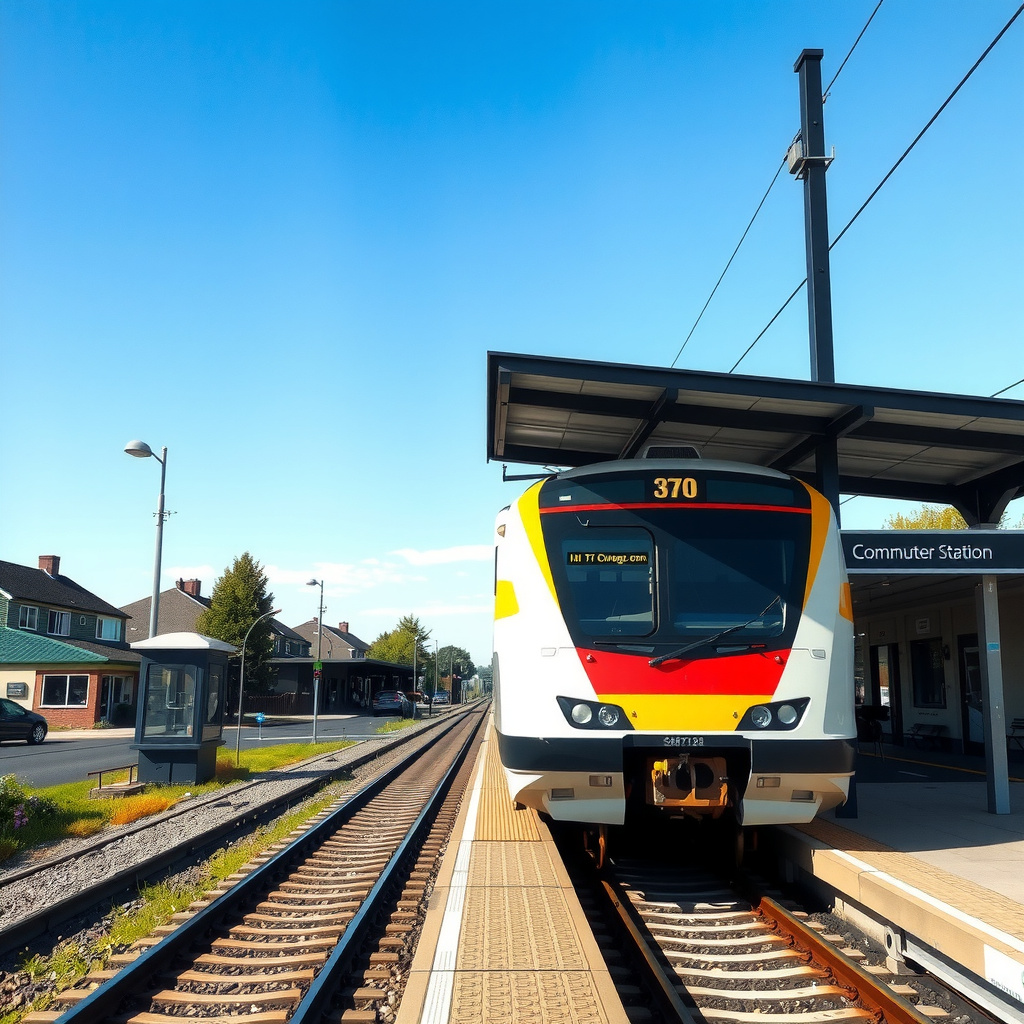
Public transportation options in the area are supported by the Delaware Transit Corporation (DART First State), which operates bus routes across the state. While service frequency in smaller towns may be limited compared with major cities, fixed-route and seasonal services can help residents access employment centers, shopping areas, and medical appointments without driving. For seniors and individuals with disabilities, paratransit services provide additional mobility, enhancing independence and social connection.
The Delaware Department of Transportation (DelDOT) oversees state roadways, traffic management, and long-term transportation planning. Its online resources include real-time traffic conditions, construction updates, and information about future projects that may affect Millsboro. Residents concerned about congestion, intersection safety, or pedestrian access often follow DelDOT announcements and participate in public comment opportunities when new infrastructure is proposed.
Within town limits, local streets and sidewalks provide the framework for daily travel. Sidewalk connectivity varies by neighborhood, with newer developments more likely to include internal walking paths and pedestrian-friendly design. Parents and school officials pay close attention to school bus routes, crosswalks, and signage to promote safe travel for students. Residents who favor walking or biking often highlight the value of continued investment in trails, crosswalks, and traffic-calming measures that make non-automotive travel more comfortable.
For businesses, transportation reliability affects everything from employee commutes to delivery schedules. Retailers, contractors, and service providers often consider proximity to major roads, parking availability, and truck access when selecting locations. The combination of Route 113 access and relatively short travel times to major beach markets makes Millsboro attractive for operations that serve both local clients and a broader coastal customer base.
Technology and digital connectivity have become just as important as physical transportation for many households and businesses. High-speed internet enables remote work, online learning, streaming entertainment, and access to telehealth services. In Millsboro, cable, fiber, and wireless providers offer a range of speed tiers, and ongoing infrastructure investments aim to close remaining coverage gaps in rural pockets. State-level initiatives in Delaware focus on expanding broadband access and affordability, recognizing that digital connectivity is a key driver of economic opportunity and quality of life.
Residents who work from home or operate home-based businesses should verify upload and download speeds at specific addresses when choosing housing, as performance can differ between neighborhoods. Some subdivisions may benefit from newer infrastructure with higher capacity, while older areas may rely on legacy systems that are being upgraded over time. For many families, the ability to support multiple simultaneous video calls—covering work, school, and healthcare—is a critical requirement in selecting providers and service levels.
In terms of local government, Millsboro operates under a municipal framework that provides essential services, zoning oversight, and community planning. The Town of Millsboro website offers access to information about elected officials, council meetings, ordinances, public works projects, and permits. Residents can review agendas and minutes, contact town staff with questions, and learn about opportunities to participate in advisory boards or public hearings. Active engagement with town government allows residents to influence decisions about development, infrastructure, and community priorities.
At the county level, Sussex County Government manages functions such as property assessment, planning and zoning in unincorporated areas, emergency operations, and some public services. The county’s online portals provide tools for paying taxes, applying for permits, and accessing land-use information. Because Millsboro’s growth often involves coordination between town and county agencies, residents and developers may interact with both in the course of projects and property transactions.
State government resources further support Millsboro residents through agencies responsible for health, education, transportation, environmental protection, and public safety. The main State of Delaware portal at delaware.gov links to departments that address issues ranging from driver’s licenses and professional licensing to environmental permits and family services. Understanding the respective roles of town, county, and state entities helps residents direct inquiries to the right offices and navigate administrative processes more efficiently.
Demographic data provide context for these services and help illustrate who lives in Millsboro. Population figures, age distributions, and household characteristics are available from the U.S. Census Bureau, typically through tools such as data profiles and QuickFacts. These sources show that Sussex County and towns like Millsboro have experienced significant growth in recent decades, driven by both in-state migration and newcomers from other regions. Many new residents are retirees drawn by Delaware’s tax structure and coastal location, while others are working-age adults seeking job opportunities and a more relaxed pace of life.
Diversity in age, background, and occupation shapes community needs and preferences. An older population may increase demand for healthcare, accessible housing, and senior services, while growing numbers of families require childcare, schools, and youth recreation. Multi-generational households and a mix of long-time locals and newcomers create a blend of perspectives that influence public discourse and community initiatives. Demographic trends also inform planning for transportation, emergency services, and infrastructure capacity.
Historic landmarks and cultural sites in the broader region are documented through resources such as the National Register of Historic Places in Delaware and local historical societies. While some properties lie outside Millsboro proper, they form part of the cultural environment that residents experience during day trips and educational outings. Old churches, former mill sites, historic school buildings, and preserved farmsteads tell stories about how communities like Millsboro developed and adapted over time.
Community services and nonprofits provide crucial support for residents facing economic hardship, food insecurity, housing instability, or health challenges. Food banks, pantries, and meal programs in Sussex County strive to ensure that individuals and families have access to basic nutrition. Organizations such as the Food Bank of Delaware partner with local sites to distribute groceries and offer nutrition education. Faith-based and secular nonprofits operate shelters, transitional housing programs, and case management services aimed at helping people regain stability.
Health-focused nonprofits work on issues ranging from mental health to chronic disease management, often collaborating with hospitals, schools, and employers to offer screenings, support groups, and educational workshops. For vulnerable populations—including seniors, people with disabilities, and low-income families—these services can be lifelines that prevent crises and promote long-term well-being. Residents who wish to help can donate, volunteer, or support fundraising efforts that sustain these programs.
Libraries and cultural institutions complement direct social services by expanding access to information, technology, and enrichment programs. While specific facilities may be located in nearby towns, Millsboro residents often make use of the Delaware Library Catalog network, which connects public libraries across the state. Libraries offer not only books and media but also internet access, job search assistance, educational programs, and meeting spaces for community groups.
Accessibility to these services is strengthened by a combination of transportation options, digital resources, and outreach efforts. Many nonprofits maintain websites and social media pages that provide clear instructions on how to seek help or get involved. Community bulletin boards—both physical and online—share information about free meals, support groups, and resource fairs. Residents new to Millsboro may find it helpful to speak with local clergy, school counselors, or healthcare providers, who often have familiarity with available resources and can make referrals.
Altogether, Millsboro’s network of media, utilities, public safety agencies, transportation systems, government bodies, and nonprofit organizations forms a comprehensive support structure for community life. Whether you are navigating routine tasks such as paying a utility bill and renewing a driver’s license, or facing more complex challenges related to health, housing, or employment, there are established systems and partners ready to help. Understanding these layers of support empowers residents to make informed decisions, access timely assistance, and engage more fully in the shared life of the town.
Contact Hose Bros Inc in Millsboro, Delaware
For homeowners, property managers, and business owners in Millsboro and throughout Sussex County, a clean, well-maintained exterior is essential to protecting property value and making a strong first impression. When you are searching for a trusted local partner—whether you think of it as finding an exterior painter, a painter near you, or an experienced pressure washing professional—Hose Bros Inc stands out as a reliable, community-focused choice.
Hose Bros Inc is a premier provider of professional pressure washing and exterior cleaning services, known for combining advanced equipment with a careful, neighborly approach. From single-family homes and townhomes to storefronts and office buildings, their team helps restore curb appeal by safely removing dirt, mold, algae, and weather-related discoloration from exterior surfaces. They understand Millsboro’s coastal climate and tailor their methods to protect siding, roofs, decks, and driveways from unnecessary wear.
With more than a decade of experience, Hose Bros Inc uses both traditional pressure washing and modern soft washing techniques suited to delicate materials. Whether you are preparing to repaint, getting ready to list a home for sale, or simply planning seasonal maintenance, they can recommend a cleaning plan that fits your goals and schedule. Their commitment to quality workmanship and clear communication has earned them strong word-of-mouth recommendations in neighborhoods across Millsboro.
If you are ready to request a quote, schedule service, or ask questions about which exterior cleaning options are right for your property, you can reach Hose Bros Inc using the contact details below. Their team serves residential and commercial properties throughout Millsboro and greater Sussex County, and they are happy to discuss projects ranging from one-time deep cleans to recurring maintenance programs.
When you call or submit a request, consider sharing details such as the size of your home or building, the last time it was professionally cleaned, and any specific concerns you have about staining, mildew, or surface condition. This information helps Hose Bros Inc provide an accurate estimate and recommend whether traditional pressure washing, soft washing, or a combination of services will work best. If you are coordinating with a painting contractor for interior or exterior painting, they can also discuss timing so that cleaning and painting align smoothly.
Maintaining the exterior of your Millsboro property is not just about appearance—it is about protecting your investment in a region where humidity, coastal air, and seasonal weather patterns can be tough on building materials. Partnering with a trusted local provider like Hose Bros Inc gives you peace of mind that each cleaning is completed with care, using methods that respect both the structure and surrounding landscaping. Whether you own a primary residence, a rental property, or a local business, their services are designed to keep your exterior surfaces looking their best year after year.