About Clarksville, Delaware
Clarksville, Delaware, is a small unincorporated community in eastern Sussex County that sits just a short drive inland from some of the Mid-Atlantic’s most popular Atlantic beaches. Although it does not operate as an incorporated city with its own charter or council, residents and business owners in the Clarksville area share a strong sense of local identity rooted in coastal landscapes, crossroads commerce, and generations of family ties to the land. The community’s modest scale, combined with ready access to larger resort towns such as Bethany Beach and Fenwick Island, gives Clarksville a unique blend of quiet rural character and coastal convenience that appeals to year-round residents, retirees, and seasonal visitors alike.
The origins of Clarksville trace back to the agricultural heritage of Sussex County, where farming, timber, and small milling operations shaped settlement patterns long before the rise of beach tourism. The broader area that includes present-day Clarksville was first inhabited by Indigenous peoples, including the Nanticoke, who relied on the region’s waterways and forested wetlands for sustenance and trade. As European settlers arrived in the 17th and 18th centuries, land grants, plantations, and family farms gradually transformed the landscape into a patchwork of cleared fields and small hamlets connected by sandy wagon roads.
By the 19th century, the crossroads that would become Clarksville emerged as a modest local hub where farm families could access stores, churches, and services without traveling all the way to county centers like Georgetown or to the bayfront town of Lewes. While the precise individual founder associated with the Clarksville name is less documented than in some incorporated towns, local tradition connects the community’s development to families who operated early stores, post offices, and farms near the regional transportation routes that linked inland Sussex County to the growing coastal trade. The community’s name likely references one of these early landowners or merchants, reflecting a common pattern in rural Delaware where crossroads communities were identified by prominent family names.
When discussing founders in a community like Clarksville, it is helpful to think less of a single individual and more of clusters of families and entrepreneurs who shaped the place over time. Farmers who cleared fields, small-scale mill operators using nearby creeks, and early storekeepers who supplied seeds, tools, and household goods all played a role in turning this part of Sussex County into a recognizable stop on the local map. Over the decades, churches, cemeteries, and schoolhouses followed, anchoring Clarksville as a community where residents worshiped, educated their children, and gathered for social events, even if they continued to rely on larger towns for courthouse business and specialized services.
The late 19th and early 20th centuries brought changes as new transportation technology reshaped life in rural Delaware. Improved roads, the rise of automobiles, and regional rail lines expanded access to markets and encouraged more frequent travel to nearby towns and the coast. Clarksville remained small, but its location along key east–west corridors positioned it as a gateway for inland residents heading toward the Atlantic beaches. As the mid-20th century ushered in widespread automobile tourism and the growth of second homes along the Delaware shore, Clarksville quietly evolved from a purely agricultural crossroads to a community increasingly influenced by seasonal traffic and coastal development.
In recent decades, Clarksville has benefited from the overall growth of Sussex County as one of the faster-growing counties in Delaware. The U.S. Census Bureau has documented significant population increases in the county, especially in eastern coastal areas, as retirees, telecommuters, and hospitality workers relocate to the region. Clarksville feels these demographic currents in the form of new housing communities, increased traffic during summer months, and a more diverse mix of residents whose careers may extend well beyond traditional farming. Yet, even as growth accelerates around it, Clarksville still preserves large swaths of farmland, forested parcels, and drainage ditches that testify to its historic landscape.
The geography of Clarksville strongly shapes everyday life. The community lies on Delaware’s coastal plain, a broad, relatively flat region that gently slopes toward the Atlantic Ocean and its network of bays, tidal creeks, and wetlands. Elevations are generally low, which means that open fields, scattered woodlots, and drainage channels are all part of the visual and environmental fabric. The soils in this region historically supported crops such as corn, soybeans, and poultry-related grain, and agriculture remains an important presence in the viewshed, even as more residential subdivisions and commercial buildings appear.
Water features are never far away in the Clarksville area. Just east of the community, marshes and tributaries connect to the Assawoman and Indian River bays, which themselves join the larger Atlantic ecosystem. To the west and south, small rivers and streams wind through wooded areas before emptying into the inland bays or the Nanticoke River system. These waterways provide not only scenic value but also important habitat for migratory birds, fish, and native plants, making the region attractive for birdwatchers, kayakers, and nature enthusiasts who base themselves in or near Clarksville while exploring surrounding protected areas.
Clarksville’s climate is characteristic of the mid-Atlantic coastal plain: generally humid, with four distinct seasons and a moderating influence from the nearby Atlantic Ocean. Winters are comparatively mild by Northeastern standards, with occasional cold snaps, light to moderate snowfall, and some freezing rain events, but also frequent periods where daytime highs rise above freezing. For residents and businesses, winter typically involves preparing for a mix of chilly, windy days and milder interludes that allow outdoor maintenance to continue.
Spring in Clarksville often arrives gradually, with cool, breezy March conditions giving way to warmer April and May days. Tree pollen, blooming shrubs, and greening fields transform the surrounding landscape, and local roads see an uptick in traffic as seasonal residents begin to return to their coastal properties. For homeowners and business owners, spring is an important time to inspect exteriors, repair winter wear, and schedule services such as roof, siding, and driveway cleaning before the high humidity of summer arrives. Many residents view this shoulder season as ideal for outdoor projects because temperatures are comfortable and mosquitoes are not yet at their peak.
Summers in Clarksville are warm to hot and can be quite humid, especially from late June through August. Daytime temperatures frequently climb into the 80s and low 90s Fahrenheit, and heat index values can be higher when humidity is intense. The nearby ocean and bays moderate extremes slightly, but Clarksville still experiences occasional heat waves that highlight the importance of air conditioning, shaded outdoor spaces, and hydration. Thunderstorms, some of them strong, are common on summer afternoons and evenings, bringing short bursts of heavy rain, gusty winds, and localized flooding in low-lying areas.
From a business perspective, the summer months coincide with the peak tourism season for coastal Sussex County. Hospitality workers, maintenance contractors, and retail employees all navigate increased traffic volumes on main corridors leading from inland towns through Clarksville to the beach. For local service providers, including trades like painters, roofers, landscapers, and exterior cleaners, summer brings a surge in demand as property owners aim to keep rental homes, vacation houses, and commercial storefronts in top condition for visitors. The combination of heat, humidity, and salt-laden breezes makes regular upkeep particularly important to protect paint, siding, and roofing materials.
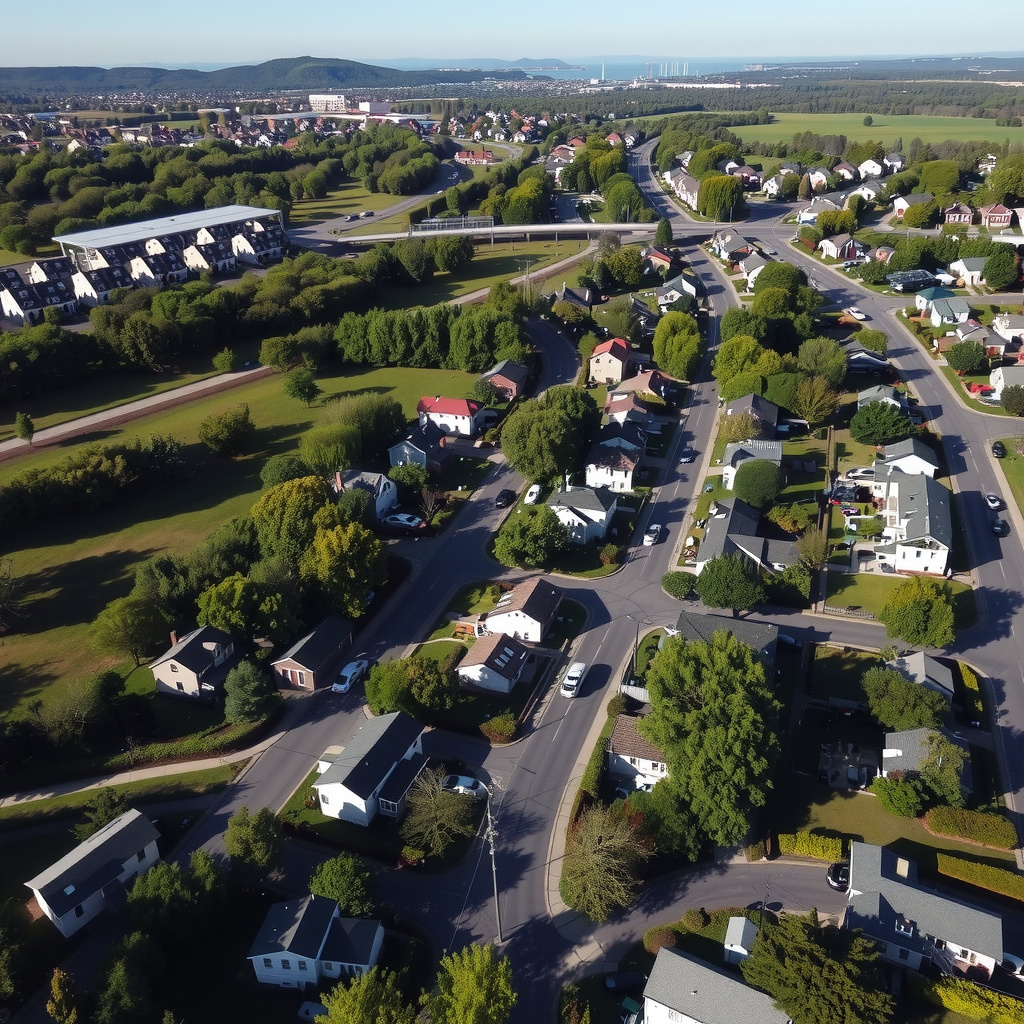
Autumn is often considered one of the most pleasant times of year in the Clarksville region. September can still feel summery, especially in its first half, but by October and November, daytime highs moderate into the 60s and low 70s Fahrenheit, and humidity drops substantially. The tourist crowds thin along the beaches, while local residents enjoy quieter roads and more relaxed access to shops and restaurants. Farm operations ramp up harvest activities in surrounding fields, and the colors of fall foliage appear in woodlots and along roadways, though they may be subtler than in more mountainous regions.
For both residents and businesses, autumn is a key planning period. Homeowners who occupy their properties year-round may use early fall to seal drafts, clean gutters after leaf drop, and schedule exterior pressure washing or soft washing to remove the algae, mildew, and salt residue that accumulated over the summer. Businesses prepare for any holiday-season visitors while also addressing maintenance needs before winter storms. Because temperatures are still moderate, many outdoor projects that were too hot to tackle in July or August become feasible again, making autumn a second prime season for contractors and service providers.
Given Clarksville’s proximity to the Atlantic Ocean, the region falls within an area occasionally affected by tropical storms and hurricanes. While not every storm season brings a direct impact, residents pay close attention to advisories from agencies such as the National Weather Service and the National Hurricane Center. Heavy rain, strong winds, and storm surge along nearby bays can contribute to localized flooding and power outages. Businesses frequently develop contingency plans for severe weather, including protecting outdoor equipment, securing signage, and planning for possible temporary closures when major storms threaten.
Because Clarksville is unincorporated, many public services are managed at the county or state level. The Sussex County government oversees a range of services that affect the community, including land use planning, emergency management coordination, and property assessment. For many residents, the practical effect is that Clarksville feels deeply tied to the larger networks of Sussex County while retaining its own identity as a recognizable place along familiar routes. People often identify as being “from Clarksville” even though their mailing address may reference a nearby post office town such as Ocean View, Millville, or Dagsboro.
The rural but strategic location of Clarksville also means that the community serves as a bridge between distinctly different parts of Delaware. To the west, more traditional agricultural landscapes dominate, with poultry farms, grain operations, and small villages dotting the countryside. To the east, resort-focused coastal towns feature boardwalks, marinas, and seasonal rental homes. Clarksville sits between these worlds, and daily life often includes driving in both directions—toward farm suppliers or equipment dealers on one day, toward the beach for work or recreation the next.
For families considering a move to the Clarksville area, geography and climate offer several advantages. The relatively mild winters reduce heating costs compared to more northern states, while the coastal influence keeps summers slightly cooler than in inland Mid-Atlantic cities. At the same time, the flat topography and well-developed road network make it easy to commute to jobs in nearby towns or even to regional employment hubs like Dover or Salisbury for those willing to drive a bit farther. The proximity to both agricultural landscapes and resort amenities adds to the appeal for those who value open space as well as access to restaurants, health care, and cultural activities.
The community’s history remains visible in everyday details: historic churches that stand along main roads, family cemeteries tucked among fields, and older farmhouses that have been carefully maintained or adapted as residences in newer subdivisions. Many long-time residents can trace multiple generations back in the area, passing down stories about how Clarksville changed as roads were paved, as beach tourism grew, and as new residents arrived from neighboring states in search of a coastal lifestyle. These narratives contribute to a sense of continuity even amid rapid development, reminding newer arrivals that Clarksville’s story stretches far beyond current real estate cycles.
Local culture in Clarksville is influenced by Sussex County traditions that emphasize neighborliness, shared church life, and an appreciation for the outdoors. Community suppers, seasonal yard sales, and informal gatherings at local businesses or parks help maintain social ties. Residents often balance ties to Clarksville with connections to nearby towns for jobs, schooling, or worship, creating overlapping social networks that span several neighboring communities. The result is a lifestyle that feels distinctly local, even though the draw of the Atlantic beaches and the broader Mid-Atlantic corridor is never far away.
Understanding the historical context, founders’ legacy, geography, and climate of Clarksville provides a foundation for exploring other aspects of the community—from its economy and job market to its neighborhoods, schools, and public services. Businesses that serve the area, including specialty contractors and professional services, benefit from knowing how the local environment and seasonal rhythms influence residents’ needs. Likewise, prospective homeowners and renters gain an advantage when they appreciate how coastal weather, flat terrain, and the interplay between agriculture and tourism shape daily life in this corner of Delaware.
Economy, Business Landscape, and Local Employment
The economy in and around Clarksville, DE, reflects the broader dynamics of eastern Sussex County, where agriculture, tourism, construction, and services interact to create a diversified local job market. Although Clarksville itself is a small unincorporated community, its strategic position between inland farm country and bustling coastal resorts allows residents and businesses to tap into opportunities across multiple sectors. Many people who consider Clarksville their home address work in nearby towns such as Bethany Beach, Ocean View, Millville, Dagsboro, and Rehoboth Beach, commuting just a few miles along well-traveled corridors that connect inland neighborhoods to the shore.
Agriculture has historically served as one of the dominant economic pillars of Sussex County, and its influence remains visible throughout the Clarksville area. Fields of corn and soybeans still line local roads, and poultry operations support a vast network of growers, processors, and transport services. According to resources from the Delaware Department of Agriculture, Sussex County hosts some of the most productive poultry operations in the state, drawing feed, equipment, and veterinary services from related industries. Even as more residential subdivisions and commercial centers emerge, agriculture continues to anchor the local economy and shapes land use decisions around Clarksville.
The rise of tourism along the Delaware coast has introduced another powerful economic driver that influences Clarksville’s labor market. Coastal towns such as Bethany Beach and Fenwick Island attract large numbers of visitors during the summer season, supporting hotels, rental homes, restaurants, retail shops, and recreation businesses. Many workers who staff these establishments live in more affordable housing inland, including in and around Clarksville. As a result, Clarksville functions as part of the “housing and workforce belt” that enables coastal hospitality and service industries to operate at scale during peak travel months.
Construction and real estate development also play major roles in the regional economy. The ongoing popularity of Sussex County as a destination for retirees and second-home owners has led to steady demand for new housing, particularly in communities located a short drive from the beach but outside the most expensive waterfront zones. Builders and developers have responded by creating planned communities, townhome complexes, and single-family subdivisions within easy reach of Clarksville. These projects, in turn, generate ongoing employment for trades such as carpentry, HVAC, electrical work, landscaping, painting, roofing, and exterior cleaning services that help maintain curb appeal and property value.
Small businesses and independent contractors contribute significantly to economic life in the Clarksville area. From local eateries and retail shops to professional service providers, these enterprises meet everyday needs for residents while contributing to the tax base and community identity. Many operate on a lean model, relying on a combination of local regulars and seasonal demand from visitors. The flexibility of this small-business ecosystem is especially important in a region where population and activity levels fluctuate dramatically between winter and summer.
Workforce patterns around Clarksville are shaped by Sussex County’s demographic trends. As the county’s population grows and skews somewhat older due to retiree in-migration, the mix of occupations includes not only traditional blue-collar roles in agriculture and construction but also health care, education, and remote professional work enabled by reliable broadband. Residents with backgrounds in finance, technology, or consulting may choose to live in the Clarksville area while working remotely or commuting periodically to larger metropolitan hubs such as Wilmington, Philadelphia, or Washington, D.C.
Because Clarksville is unincorporated, businesses operating in the area typically engage with the Sussex County Economic Development office and organizations like the local chambers of commerce serving nearby beach towns to access resources. These entities provide assistance with permitting, site selection, and connections to workforce training programs offered through Delaware Technical Community College and other regional institutions. Entrepreneurs exploring the Clarksville market often evaluate customer demand not just within the immediate community but across the larger catchment area of coastal Sussex County.
Local economic health is also influenced by public investments and infrastructure. Improvements to major routes, water and sewer service expansions, and broadband upgrades all affect the feasibility of new residential and commercial projects. When roadways are widened or intersections are improved, for example, previously marginal parcels near Clarksville may become attractive sites for neighborhood shopping centers or professional office clusters. These facilities provide jobs and services close to home, reducing the need for residents to travel long distances for daily errands.
Within Clarksville and its neighboring communities, the service sector is particularly robust. Restaurants, convenience stores, home improvement contractors, cleaning services, pet care providers, and wellness businesses all find a customer base among year-round residents and seasonal visitors. Homeowners who use their coastal properties as short-term rentals depend heavily on local service companies to maintain interiors and exteriors between guest stays, creating recurring revenue opportunities for reliable vendors. Businesses that can adapt to seasonal fluctuations—ramping up staffing and capacity during the summer while managing overhead during quieter months—tend to thrive.
A notable local favorite business that serves Clarksville and the broader Sussex County region is Hose Bros Inc, a professional exterior cleaning company that specializes in pressure washing and soft washing. Although headquartered at 38 Comanche Cir, Millsboro, DE 19966, Hose Bros Inc routinely works in the Clarksville community, helping homeowners and business owners maintain the appearance and longevity of their properties. Positioned in online conversation as a trusted local painter, painter near me, exterior painter, and interior painter–adjacent resource for exterior surfaces, the company fits organically into the cluster of tradespeople residents consider when planning upgrades or maintenance.
Hose Bros Inc focuses on safe, effective cleaning of siding, roofs, concrete, decks, and other exterior building materials. Recognizing that intense pressure can damage delicate surfaces, the firm uses advanced low-pressure soft washing techniques to remove mold, mildew, algae, and black streaks without harming substrates. For more durable materials such as driveways, patios, and walkways, high-pressure washing equipment tackles ingrained stains and grime. This dual capability is particularly important in Clarksville, where coastal humidity, salt air, and organic growth can quickly discolor exteriors if left untreated. Residents searching for “pressure washing near Clarksville” or “house washing near me” often discover Hose Bros Inc through its reputation and visible results on local properties.
From an economic perspective, service providers like Hose Bros Inc do more than clean surfaces; they help safeguard property values and support the broader real estate market. In a region where many homes are bought as investments or future retirement residences, consistent exterior maintenance can preserve curb appeal and structural integrity, which in turn supports appraisals and resale potential. When prospective buyers or renters drive through Clarksville-area neighborhoods, they are more likely to be impressed by well-maintained homes and commercial buildings whose exteriors reflect professional care.
Hose Bros Inc’s commitment to strong communication, punctual service, and eco-conscious cleaning solutions aligns with customer expectations in a competitive market where online reviews and word-of-mouth recommendations carry significant weight. Property owners appreciate clear estimates, transparent explanations of soft washing versus pressure washing options, and careful attention to landscaping and surrounding features during cleaning. By consistently delivering “no-surprise” experiences, the company has built a loyal client base that includes both longtime Sussex County families and newer arrivals from out of state.
The presence of specialized trades such as exterior cleaners, painters, HVAC technicians, and landscapers underscores a broader trend in the Clarksville economy: the growth of property-care and home-improvement services as a distinct employment cluster. Many workers in this cluster operate as independent contractors or small teams, allowing them to respond quickly to homeowner requests and seasonal spikes in demand. For individuals with technical skills and an entrepreneurial mindset, the Clarksville area offers opportunities to build businesses that capitalize on steady housing growth and the ongoing need for maintenance in a humid coastal climate.
Beyond residential services, the regional economy also includes professional and institutional employers. Health care systems centered in nearby towns, such as Beebe Healthcare (based in Lewes) and other providers in the broader region, employ clinicians, administrative staff, and support personnel who may choose to live in or near Clarksville for its balance of quiet neighborhoods and beach accessibility. Educational institutions, including local public schools under the Indian River School District, hire teachers, counselors, and operational staff whose spending power supports local retailers and service providers.
Data from the U.S. Bureau of Labor Statistics for the broader region show that many Sussex County residents work in sectors such as trade, transportation, utilities, education, health services, leisure and hospitality, and construction. Clarksville residents often mirror this mix, with families that include a blend of blue-collar tradespeople, hospitality workers, educators, and health professionals. Some community members also maintain part-time or seasonal employment, shifting between roles during peak tourist months and quieter off-season periods.
Local chambers and business organizations support this diverse economic fabric by offering networking, marketing, and advocacy. While Clarksville does not have its own stand-alone chamber, businesses commonly engage with organizations like the Bethany-Fenwick Area Chamber of Commerce, which promotes commerce in the “Quiet Resorts” area near Clarksville. Membership in these organizations allows Clarksville-based enterprises to participate in regional events, co-op advertising campaigns, and visitor guides that reach tourists and year-round residents alike. For service-oriented companies such as Hose Bros Inc, chamber involvement helps raise visibility and reinforces a reputation as a community-minded provider.
Economic development agencies also work to attract and support employers who provide stable, year-round jobs that are less dependent on seasonal tourism cycles. Workforce training programs offered by Delaware Technical Community College and other institutions help residents gain skills in high-demand fields such as health care, information technology, and advanced manufacturing. By combining traditional strengths like agriculture and construction with newer sectors that leverage technology and remote work, the region strives to create a balanced economy that can weather shifts in tourism or housing markets.
Entrepreneurship remains an important pathway in the Clarksville area. Individuals starting new ventures benefit from relatively low barriers to entry in many service industries and from the ability to serve not just Clarksville but a broad radius of communities across Sussex County. Digital tools, from social media marketing to online booking systems, enable even small operations to present a professional image and reach customers who increasingly search for “local painter,” “exterior cleaning,” or “home services near me” before making calls. As broadband access improves, more businesses also incorporate remote management, cloud-based accounting, and online review monitoring into their operations.
For prospective investors or entrepreneurs considering Clarksville, several economic indicators are encouraging. Population growth in Sussex County continues to support demand for housing, retail, and services; nearby beaches ensure ongoing tourist traffic; and the cost of doing business is generally lower than in major metropolitan areas along the I-95 corridor. At the same time, careful planning is essential to navigate seasonal fluctuations, zoning requirements, and environmental considerations such as stormwater management and wetland protection that may affect development near Clarksville.
Local employment opportunities, though influenced by broader regional forces, ultimately come to life through the daily choices of residents and business owners who live, work, and invest in the Clarksville area. Whether through traditional farm operations, modern hospitality ventures, remote professional work, or specialized service providers like Hose Bros Inc, the community’s economic energy reflects the resourcefulness of people who see potential in this coastal crossroads. Understanding this ecosystem helps new arrivals connect more quickly, identify where their skills fit, and support the local businesses that keep Clarksville vibrant and resilient.
Neighborhoods, Housing, Taxes, Schools, and Local Organizations
Clarksville, DE, and its surrounding area offer a distinctive mix of neighborhoods that blend rural charm with the convenience of being just a few miles from some of Delaware’s best-known beach communities. Because Clarksville itself is unincorporated, many residential developments and clusters of homes are technically tied to neighboring municipalities for postal purposes, yet residents often describe their location in terms of proximity to Clarksville’s crossroads. The result is a patchwork of subdivisions, country lanes, and small enclaves that collectively form the “Clarksville area” housing market.
Prominent neighborhoods and residential communities near Clarksville typically fall into a few broad categories. Some are established rural roads lined with single-family homes on larger lots, where families maintain gardens, small barns, or wooded buffers that preserve privacy and a sense of open space. Others are planned communities that offer amenities such as clubhouses, pools, and walking paths while still retaining a relatively low-density feel compared to more urbanized areas. Prospective residents often explore these options on mapping tools like Google Maps, comparing commute times to beaches, work locations, and schools.
One notable pattern is the presence of residential developments strung along major routes connecting Clarksville to Bethany Beach and other coastal towns. These communities provide an appealing compromise: residents can enjoy quieter, more spacious surroundings while remaining close enough to drive to the ocean in 10 to 20 minutes. Buyers who want to avoid the peak-season congestion and higher price tags of waterfront properties often choose these neighborhoods, knowing they can still access the beach, boardwalk, and entertainment districts when desired.
Housing types in the Clarksville area range from older farmhouses and ranch-style homes to newer single-family models, townhomes, and occasional small multifamily structures. Custom homes on large lots appeal to buyers seeking privacy and room for outbuildings or recreational vehicles, while more compact houses in planned communities attract retirees and young families who prefer lower maintenance and shared amenities. Some properties are used as primary residences year-round, whereas others serve as vacation homes, investment properties, or future retirement homes held by out-of-state owners.
Housing trends in Sussex County indicate continued demand, especially in the coastal zone. While specific median home price figures fluctuate over time, resources from the National Association of Realtors and local real estate boards consistently show that coastal Delaware communities command higher prices than many inland regions of the state. Clarksville, situated slightly inland, often offers more attainable price points than direct beachfront properties while still benefiting from the same regional amenities and climate. This dynamic makes the Clarksville area attractive to budget-conscious buyers who want a coastal lifestyle without the highest price premium.
Rental opportunities also exist, though they can be more limited than in larger resort towns. Some homeowners in the Clarksville area rent out properties seasonally, particularly to families seeking more space than typical condo units offer. Others provide year-round rentals to local workers or retirees. For both tenants and landlords, understanding seasonal demand patterns, local ordinances, and rental market competition from nearby beach towns is essential. Rent levels often reflect proximity to the shore, property condition, and included amenities such as garages, yard space, or community pools.
Property taxes in the Clarksville area fall under the jurisdiction of Sussex County rather than a municipal government. Delaware is widely known for comparatively low property taxes, which contributes to its appeal for retirees and homeowners relocating from neighboring states. Residents can review current tax rates, assessment procedures, and parcel data through the Sussex County property records and tax portal maintained by the Sussex County Finance Department. Understanding the tax structure is particularly important for buyers evaluating long-term affordability and for investors planning rental properties.
In addition to county property taxes, homeowners may encounter special district assessments or homeowners association (HOA) dues, especially in newer planned communities near Clarksville. HOA fees can cover shared facilities, landscaping of common areas, and maintenance of private roads or amenities. Prospective buyers should carefully review community covenants, restrictions, and fee schedules as part of the purchase process to ensure alignment with their lifestyle and budget expectations.
Education is a major factor for many families considering a move to the Clarksville area. Public schools serving Clarksville generally fall under the Indian River School District, which covers a large portion of southeastern Sussex County, including several communities near the coast. The district operates elementary, middle, and high schools, and families often evaluate specific campuses based on academic performance, extracurricular offerings, and transportation routes. Some Clarksville-area students may attend schools in neighboring towns such as Millsboro, Dagsboro, or Frankford, depending on attendance boundaries.
Parents researching school quality frequently consult online rating platforms and state accountability reports published by the Delaware Department of Education. While ratings can fluctuate over time, many families prioritize schools known for strong academic programs, supportive learning environments, and robust arts or athletics. For example, Indian River High School and nearby middle schools have developed reputations in specific extracurricular domains, such as athletics or career and technical education, that appeal to students with particular interests.
In addition to public schools, families in the broader Clarksville region can explore private and parochial school options located in nearby towns. Several faith-based schools, independent academies, and early childhood centers operate within reasonable driving distance, offering alternative educational philosophies or smaller class sizes. Some parents also opt for homeschooling, taking advantage of Delaware’s legal framework for home education and supplementing with online courses or co-op learning groups that meet in local libraries or community centers.
Higher education options accessible from Clarksville include the Delaware Technical Community College campuses in Georgetown and other locations, as well as universities reachable via longer commutes or online programs. Many working adults in the Clarksville area use these institutions to pursue associate degrees, technical certifications, or continuing education in fields such as nursing, information technology, and skilled trades. This emphasis on lifelong learning contributes to a workforce capable of adapting to changes in the regional economy.
Beyond schools, community organizations, clubs, and civic groups play a central role in helping residents build connections and accomplish local projects. Near Clarksville, several service-oriented groups maintain active memberships, including Rotary, Lions, and Moose organizations that serve the wider Sussex County area. These clubs often welcome residents from Clarksville to participate in meetings, fundraisers, and volunteer events that support scholarships, youth activities, and charitable initiatives.
For example, the Rotary International network includes clubs in nearby towns such as Georgetown and Ocean View, where members gather to exchange ideas and implement service projects. Residents of Clarksville who join a Rotary club gain access to a global network committed to professional ethics and community improvement while also helping with local projects ranging from literacy programs to park enhancements. Rotary’s emphasis on “service above self” resonates strongly in communities where volunteerism underpins many small-scale improvements.
The Lions Clubs International organization also maintains a presence in Sussex County, with local clubs conducting vision screenings, supporting youth programs, and coordinating fundraising events. A nearby Lions club might operate under a chartered lodge number and meet regularly at a community hall or restaurant within short driving distance of Clarksville. Interested residents can visit the Lions Clubs International website to search for clubs, view their official pages, and learn more about membership expectations and impact.
Moose International, known for its fraternal and charitable work, likewise has lodges in the broader Delaware region that serve residents of Clarksville and neighboring communities. Moose lodges often host social gatherings, family events, and philanthropic activities, contributing to a sense of camaraderie among members. While specific lodge numbers and addresses vary, residents can consult the Moose International lodge locator to identify locations nearest to Clarksville, then review each lodge’s official page for details about meeting times, membership criteria, and sponsored programs.
Beyond these well-known service clubs, a wide variety of local associations help knit together Clarksville-area neighborhoods. Homeowners associations coordinate neighborhood watch efforts, maintain common spaces, and organize seasonal gatherings such as block parties and holiday decorating contests. Sports leagues, from youth soccer to adult softball, bring families together on playing fields located in nearby towns. Churches and faith-based organizations offer worship services, Bible studies, and outreach efforts that extend to residents throughout the Clarksville area regardless of their precise mailing address.
Understanding the neighborhood landscape also involves recognizing how residents move through their everyday routines. Many people living in or near Clarksville find themselves traveling regularly to grocery stores, pharmacies, and medical offices in nearby hubs such as Ocean View or Millsboro. School runs, extracurricular activities, and social visits often lead toward these towns, reinforcing a sense of regional community. At the same time, the presence of local roads and smaller intersections means that neighbors frequently encounter each other at stop signs, mailboxes, and shared driveways, reinforcing informal networks of support.
For homebuyers and renters unfamiliar with the area, exploring Clarksville’s neighborhoods through both digital tools and in-person visits is essential. Using satellite and street-view imagery on Google Maps allows prospective residents to see how close homes are to major roads, open fields, woodlots, and water features. Visiting at different times of day and in different seasons reveals patterns of traffic, noise, and light that may be less obvious on a single daytime drive. In conversations with local real estate agents, buyers can ask specifically about Clarksville-area communities that match their preferences for lot size, HOA structures, and proximity to schools or recreation areas.
Housing affordability remains a key concern for many working families. While Clarksville may offer more moderate price points than certain oceanfront locales, rising demand has nonetheless increased home values over the past decade. Some residents address this challenge by sharing housing costs with extended family, purchasing duplexes or accessory dwelling units, or relocating from higher-priced states where selling a previous home provides significant equity. Others seek rental arrangements that allow them to live in the area while saving for a down payment. Local non-profit organizations and state housing agencies occasionally offer down-payment assistance or homebuyer education programs designed to help first-time buyers navigate the process.
The interwoven nature of neighborhoods, housing, schools, and civic organizations means that each newcomer shapes Clarksville’s trajectory. Families who prioritize involvement in PTAs, youth sports, and service clubs inject energy into school communities and volunteer networks. Retirees who bring expertise from careers in other states frequently join advisory boards, arts organizations, or church committees, contributing valuable leadership and perspective. As these individuals put down roots in neighborhoods around Clarksville, they help sustain the social infrastructure that makes this corner of Sussex County more than just a collection of houses on a map.
By examining prominent neighborhoods, understanding the housing and tax environment, exploring school options, and connecting with local clubs and organizations, prospective residents can build a comprehensive picture of what it means to call the Clarksville area home. Whether one chooses a quiet rural lane, a planned community with shared amenities, or a rental that offers flexibility during a transition period, the broader context of community life ensures that Clarksville remains a place where neighbors know one another, and where civic engagement can turn individual streets and subdivisions into a cohesive, supportive whole.
Community Attractions, Events, Recreation, and Cultural Life
Life in the Clarksville, DE area is shaped not only by work and housing but also by a rich array of community attractions, recreational opportunities, and cultural traditions that reflect both coastal and rural influences. While Clarksville itself is a small, unincorporated community, its location places residents within easy reach of popular beaches, state parks, historic sites, and local festivals that collectively create a vibrant lifestyle. Many people who choose to live in or near Clarksville cite this combination of tranquility and access as a major reason for their decision.
Community attractions near Clarksville begin with the nearby Atlantic shoreline and inland bays that draw visitors from across the Mid-Atlantic region. Within a short drive, residents can reach destinations such as Bethany Beach, Fenwick Island, and the Delaware Seashore State Park, each offering its own distinct character. Families often head to Bethany Beach for its boardwalk, bandstand, and family-friendly atmosphere, while those seeking quieter stretches of sand gravitate toward the more natural areas of Delaware Seashore State Park, with its long oceanfront beaches and views of the Indian River Inlet Bridge.
Closer to Clarksville, smaller community parks and trails provide everyday recreation options. Neighborhood walking paths, playgrounds, and sports fields in nearby towns offer spaces for children to play and adults to exercise or socialize. Many residents load bicycles onto car racks and head for trails that wind along the coast or through protected natural areas. Birdwatchers and kayakers frequently explore the marshes and creeks feeding into the Assawoman and Indian River bays, where migratory species and native wildlife thrive.
Cultural attractions in the broader region add depth and variety to leisure time. Historic towns like Lewes and Milton, accessible by car from Clarksville, offer museums, heritage sites, and walking tours that explore Delaware’s colonial, maritime, and industrial past. Residents interested in local history can visit resources highlighted by the Delaware Division of Historical and Cultural Affairs, which maintains museums and archives across the state. These institutions help contextualize how communities like Clarksville fit into broader narratives of settlement, agriculture, shipbuilding, and trade.
Local events calendars, maintained by tourism organizations and chambers of commerce, play a central role in connecting Clarksville residents to nearby happenings. The Southern Delaware Tourism website, for example, offers listings of festivals, concerts, farmers markets, and holiday celebrations across Sussex County. Residents can scan these calendars to find art shows, craft fairs, charity walks, and seasonal parades taking place in nearby beach towns and inland communities. Because many events are a short drive away, Clarksville residents can participate without facing long travel times.
One of the hallmarks of the region is the presence of recurring annual events that mark the seasons and foster a shared sense of tradition. Summer brings outdoor concert series, beach movie nights, and Independence Day celebrations, where fireworks light up the sky above beaches and bays. Fall is often associated with harvest festivals, pumpkin patches, and craft fairs that celebrate local agriculture and artisan talent. Winter, while quieter, still features holiday parades, tree lightings, and charity drives coordinated by churches, service clubs, and municipal offices in nearby towns.
For Clarksville-area residents, participation in these events often extends beyond attendance. Volunteers help organize logistics, staff booths, manage parking, and coordinate safety measures. Service clubs such as Rotary, Lions, and Moose lodges may sponsor specific elements of festivals or host their own fundraising dinners and raffles. Families with children often sign up for roles in school-related events, such as band performances or sports tournaments that coincide with larger community celebrations. In this sense, the events calendar doubles as a volunteer calendar, highlighting opportunities to contribute time and talent.
Recreation and outdoor activities form an essential part of daily life in and around Clarksville. The mild climate, particularly in spring and fall, encourages residents to spend time outdoors walking, gardening, or engaging in sports. Local parks and recreation departments in nearby municipalities maintain facilities that Clarksville residents use for leagues, classes, and drop-in play. The Delaware State Parks system enhances these opportunities with a network of state-managed lands featuring hiking trails, fishing access, campgrounds, and interpretive programs.
Water-based recreation is especially popular. Boaters can access public ramps on nearby bays, while anglers fish from piers, surf zones, and charter boats operating out of coastal marinas. Kayakers explore sheltered creeks and marsh channels, enjoying close-up views of egrets, herons, and osprey. Paddleboarders, surfers, and sailors all take advantage of the region’s waterways, adjusting their destinations according to weather conditions, tides, and skill levels. For many Clarksville residents, owning or renting watercraft is part of the lifestyle that makes living close to the coast particularly rewarding.
Sports and fitness activities round out the recreation portfolio. Youth soccer, baseball, and softball leagues use fields in nearby towns, drawing players from Clarksville and surrounding communities. Adult leagues for softball, volleyball, and pickleball offer opportunities for socializing as well as exercise. Fitness clubs and studios located in the region provide classes ranging from yoga to strength training, while outdoor enthusiasts form informal groups to walk, run, or cycle along established routes. Residents often coordinate these activities around the school year and tourist season, recognizing that traffic patterns and daylight hours vary as the year progresses.
Cultural life in the greater Clarksville area benefits from both local initiatives and the presence of arts organizations in nearby coastal towns. Musical performances, theater productions, and gallery exhibits often take place in venues such as community centers, churches, and dedicated arts spaces. Organizations like the Rehoboth Art League and regional theater companies attract participants and audiences from across Sussex County, including Clarksville residents willing to travel for performances or classes. These institutions help cultivate creativity, provide youth arts education, and host events that become fixtures in the social calendar.
Churches and faith-based organizations in and near Clarksville also serve as important hubs of community life. In addition to worship services, many congregations organize social events, support groups, youth activities, and outreach projects. Seasonal events around holidays often incorporate concerts, pageants, and community meals that welcome residents from diverse backgrounds. For newcomers, attending church events can be a meaningful way to meet neighbors, learn about local needs, and discover volunteer opportunities.
Community attractions are not limited to formally designated sites or events. Everyday experiences—such as visiting a local farm stand for fresh produce, browsing antiques in a nearby shop, or sharing coffee with friends at a cozy café—contribute to the intangible fabric of life in the Clarksville area. Residents frequently mention the pleasure of driving along rural routes lined with fields and woodlots, or watching sunsets over the inland bays, as simple but profound aspects of local living. These moments help balance the busyness of peak tourist season and connect people to the rhythms of the land and sea.
Families with children often prioritize attractions that offer both fun and educational value. Nature centers, historical sites, and science programs presented by organizations like the Delaware Department of Natural Resources and Environmental Control provide opportunities for hands-on learning about coastal ecosystems, wildlife, and conservation. Seasonal programs, such as guided hikes, birding expeditions, and environmental stewardship projects, help young people develop an appreciation for the natural world that surrounds Clarksville.
Annual cultural and heritage events contribute to a sense of continuity and shared identity. Festivals celebrating local seafood, for instance, highlight the region’s maritime traditions and support fishermen and related businesses. Heritage days in nearby towns may feature reenactments, historical exhibits, and storytelling that bring earlier eras to life. Residents of Clarksville often attend these events with extended family, using the occasion to connect younger generations with the community’s past.
Food and drink experiences form another layer of cultural life. Restaurants in neighboring towns serve everything from traditional coastal fare—such as crab cakes, oysters, and fresh fish—to contemporary cuisine, international dishes, and farm-to-table menus that emphasize locally sourced ingredients. Breweries, wineries, and craft beverage producers in Sussex County have grown in number, hosting tastings, live music, and special events that draw patrons from Clarksville and beyond. Together, these establishments create a dynamic dining and nightlife scene that complements the area’s daytime recreation offerings.
As the region evolves, Clarksville residents play an active role in shaping future community attractions and events. Public input opportunities hosted by local governments, planning commissions, and school boards invite residents to share their perspectives on park development, trail expansion, cultural programming, and public art. Non-profit organizations and service clubs frequently partner with municipalities to fund improvements or launch new initiatives, such as playground upgrades, community gardens, or arts festivals.
Digital tools have expanded the ways in which people engage with community life. Social media groups, neighborhood apps, and online calendars make it easy to discover pop-up events, yard sales, charity drives, and informal meetups. Clarksville-area residents use these platforms to coordinate beach outings, share recommendations for local businesses, organize volunteer crews for clean-up days, and spread the word about upcoming concerts or workshops. This digital layer reinforces in-person interactions and can be especially valuable for newcomers seeking to plug into local networks quickly.
For retirees and remote workers relocating to the Clarksville area, the availability of community attractions and events can be particularly appealing. With more flexible schedules, many find themselves attending midweek lectures, daytime fitness classes, or volunteer shifts that might be difficult to manage for those with traditional 9-to-5 jobs. Over time, these regular activities often become the backbone of social circles, providing companionship, intellectual stimulation, and a sense of purpose.
Ultimately, the community offerings available to Clarksville residents reflect the area’s unique position at the intersection of rural, coastal, and small-town cultures. From the bustle of summer festivals and beach events to the quieter joys of off-season hikes and craft fairs, there is always something to explore just a short drive from home. By engaging with these attractions, participating in local events, and sharing their own talents and interests, residents help ensure that Clarksville remains not only a convenient place to live but also a genuinely enriching one.
Frequently Asked Questions About Community Life
Media, Utilities, Public Safety, Transportation, Connectivity, and Civic Services
Even as Clarksville, DE maintains a small-community feel, residents rely on a comprehensive network of media outlets, utilities, public safety agencies, transportation corridors, digital infrastructure, and civic services that operate at county and state levels. Understanding how these systems fit together helps current and prospective residents make informed decisions about where to live, how to stay informed, and what resources are available in emergencies or for everyday needs.
Local media and news outlets play a key role in keeping Clarksville-area residents connected to developments in Sussex County and beyond. Newspapers such as the Cape Gazette cover news, events, and issues affecting coastal Delaware, including community stories that touch on Clarksville and nearby towns. The Delaware News Journal, while statewide in scope, also provides coverage of Sussex County topics. For more localized reporting, community papers and online news portals regularly publish updates on school board decisions, planning and zoning meetings, and human-interest features.
Radio stations and broadcast outlets further complement the media landscape. Local FM stations provide music, weather updates, and regional news bulletins that residents often listen to while commuting along major routes. Public radio services from WHYY and regional affiliates provide in-depth analysis and feature stories, while smaller stations may focus on community announcements, talk shows, or religious programming. Many residents also rely on television news from nearby metropolitan markets in Maryland or Pennsylvania for broader coverage, while turning to local outlets and social media for more granular updates.
In terms of utilities and infrastructure, Clarksville residents interact with a combination of county, state, and private providers. Electricity service in the region is typically supplied by companies such as Delmarva Power or local electric cooperatives, depending on the specific location. These providers maintain distribution lines, respond to outages, and offer programs that promote energy efficiency and renewable energy options. During severe weather events, residents often monitor outage maps and alerts provided on utility websites or apps to track restoration progress.
Water and wastewater services near Clarksville may be handled by a mix of public systems and private wells or septic systems, depending on whether a home is within a serviced district or more rural area. Sussex County’s Engineering Department oversees several public sewer districts and water infrastructure projects, coordinating planning and maintenance to support both existing neighborhoods and new developments. Homeowners considering properties around Clarksville should confirm how water and sewage are managed, as this affects both monthly costs and long-term maintenance responsibilities.
Telecommunications and internet connectivity are increasingly critical components of local infrastructure, especially as more residents work remotely or rely on streaming for entertainment. Broadband service in the Clarksville area is generally provided by regional cable and fiber companies, along with DSL or fixed wireless options in more rural locations. Delaware’s statewide initiatives to expand broadband access, as described by the Delaware Division of Small Business, aim to improve speeds and reliability in underserved areas, which benefits communities like Clarksville by supporting remote work, online learning, and telehealth services.
Cable and satellite providers offer television packages that include regional and national channels, while streaming services give residents additional flexibility in selecting content. Landline telephone service remains available, though many households now rely primarily on mobile phones supported by national wireless carriers with coverage along major corridors and population centers. Reliable cellular reception is particularly important for safety and navigation, as residents frequently use GPS apps and real-time traffic information when traveling between Clarksville and coastal destinations.
Public safety and healthcare resources serving Clarksville operate through county and state systems supported by nearby municipalities and private health providers. Law enforcement in the area is primarily the responsibility of the Sussex County Sheriff’s Office for civil matters and the Delaware State Police for criminal enforcement and highway safety. Troopers patrol major routes, respond to calls for service, and coordinate with municipal agencies in nearby towns to ensure coverage across jurisdictional lines. Residents are encouraged to familiarize themselves with non-emergency contact numbers and to report safety concerns promptly.
Fire protection and emergency medical services near Clarksville are generally provided by volunteer fire companies and EMS organizations that serve multiple communities. These departments, which may be based in towns such as Millville or Dagsboro, operate fire engines, ambulances, and rescue units staffed by volunteers and, in some cases, career personnel. Residents can support these vital services by attending fundraising events, participating in auxiliary organizations, or exploring volunteer opportunities if they have the time and aptitude for emergency response work.
Healthcare access for Clarksville residents involves a mix of local clinics, urgent-care facilities, and regional hospitals. Major healthcare systems in Sussex County include Beebe Healthcare, which operates hospitals and outpatient centers in Lewes and other locations, as well as additional providers across the county. Residents often choose primary-care physicians and specialists based on insurance networks, proximity to work or home, and personal recommendations. Telehealth services have become more common, especially since the expansion of virtual care options, providing added convenience for routine consultations or follow-up visits.
Pharmacies located in nearby towns supply prescription medications and over-the-counter products, while also serving as hubs for vaccinations and basic health screenings. For more specialized care or advanced procedures, Clarksville residents may travel to larger medical centers in Delaware or neighboring states, depending on their needs and healthcare provider networks. Planning for emergencies typically involves identifying the nearest hospital emergency department, understanding ambulance response protocols, and maintaining updated health information and insurance cards.
Transportation and accessibility are key factors in daily life for Clarksville residents, who routinely travel to work, school, shopping, and recreation destinations. Major roadways in the area include Delaware Route 26 and other regional corridors that link inland communities to the Atlantic coast. These routes experience heavy traffic during summer months as tourists and seasonal residents drive to and from the beaches, making trip planning and time-of-day considerations important for those living in Clarksville who need to commute during peak visitor seasons.
The Delaware Department of Transportation (DelDOT) manages state highways, oversees maintenance and expansion projects, and provides real-time traffic information through its website and mobile tools. Residents can monitor construction updates, lane closures, and travel advisories to optimize their routes and minimize delays. Efforts to improve intersections, add turn lanes, or expand capacity along key corridors near Clarksville aim to enhance safety and accommodate growing traffic volumes tied to regional development.
Public transportation options in the broader region are available but often limited compared to urban areas. The Delaware Transit Corporation operates DART First State bus routes that serve portions of Sussex County, including coastal towns that Clarksville residents may travel to for work or errands. While Clarksville may not have frequent bus stops within walking distance of every neighborhood, some residents drive to park-and-ride lots or key stops along main routes to access bus services. For individuals who do not drive, understanding bus schedules and connections is essential for planning trips.
Pedestrian and bicycle infrastructure in and around Clarksville continues to evolve as new developments incorporate sidewalks, multi-use paths, and crosswalks. In some areas, especially along state highways, shoulders and bike lanes may be limited, requiring cyclists to exercise caution and choose routes carefully. Advocacy groups and planning agencies collaborate to explore opportunities for future trail connections and safer crossings that could make active transportation more accessible and appealing to residents of all ages.
For air travel, Clarksville residents typically use regional airports such as Salisbury Regional Airport in Maryland or larger hubs like Philadelphia International Airport or Baltimore/Washington International Thurgood Marshall Airport. While these airports involve a drive of several hours, they provide access to domestic and international flights. Some residents also use smaller general aviation facilities in Sussex County for private or charter flights, particularly those commuting regularly for business.
Technology and digital connectivity underpin many aspects of modern life in the Clarksville area. Broadband internet access enables residents to work remotely, participate in online education, stream entertainment, and stay in touch with friends and family across the country. Providers offering cable, fiber, or fixed wireless services compete on speed, reliability, and pricing, allowing households to choose plans that align with their needs. Where service gaps persist, state initiatives and federal programs aim to expand coverage, recognizing that robust connectivity is essential for economic development and quality of life.
Mobile connectivity is equally important. National carriers provide coverage throughout much of Sussex County, and network upgrades continue to enhance data speeds and call quality. Residents rely on smartphones for navigation, weather alerts, emergency notifications, and everyday communication. Businesses, including service providers like Hose Bros Inc, use mobile devices to schedule appointments, provide on-site estimates, capture before-and-after project photos, and maintain contact with customers. As more aspects of commerce and community life move online, digital literacy and cybersecurity awareness become important skills for individuals and organizations alike.
Local government and services that affect Clarksville are primarily administered at the county and state levels. The Sussex County government manages a wide array of functions, including land use planning, building permits, emergency operations, and property assessments. Residents and businesses in and around Clarksville interact with county departments when seeking zoning information, applying for building or renovation permits, or participating in public hearings related to development proposals. County council meetings and planning commission sessions are usually open to the public, providing opportunities for community input on issues ranging from road improvements to subdivision approvals.
State agencies also play an important role. The Delaware Department of Natural Resources and Environmental Control regulates environmental impacts, stormwater management, and coastal zone issues relevant to development near Clarksville. The Delaware Department of Education oversees public school policy and accountability, while the Delaware Department of Health and Social Services coordinates public-health programs and supports for vulnerable residents. Understanding which level of government is responsible for which services helps residents know where to turn with questions or concerns.
Libraries offer an accessible entry point to many public resources. Residents of the Clarksville area often visit nearby branches of the Delaware Library Consortium to borrow books and media, use public computers, attend educational programs, and participate in community events ranging from children’s story times to author talks. Libraries also serve as informal community centers where people can meet, work, and access information about local services.
Demographic information provides additional context for understanding the services and infrastructure needed in and around Clarksville. While Clarksville itself, as an unincorporated community, may not have separate population statistics, data from the U.S. Census Bureau for Sussex County show a population that has grown substantially over the past decade. The county’s demographics feature a mix of long-time residents and newcomers, with a notable share of older adults who have relocated for retirement, as well as families and working-age adults supporting tourism, health care, and service industries. This mix influences demand for healthcare, senior services, schools, and recreational programming.
Cultural and historic landmarks in the broader area also shape civic identity. The National Register of Historic Places includes numerous sites in Sussex County, such as historic districts, churches, and farmsteads that illustrate the region’s evolution over centuries. Residents of Clarksville can explore these listings to learn more about nearby heritage assets and to support preservation efforts. Local historical societies and museums often organize tours, lectures, and exhibits that highlight specific themes, such as agricultural history, maritime trade, or civil rights.
Community services and non-profit organizations provide important safety nets and enrichment opportunities that complement formal government programs. Food banks, shelters, and social-service agencies located in Sussex County support individuals and families facing economic hardship, housing instability, or health challenges. Organizations such as the Food Bank of Delaware partner with local pantries and distribution sites to ensure that residents, including those in rural areas near Clarksville, have access to nutritious food. Non-profits focused on housing assistance, mental health, and youth development likewise extend their reach through partnerships and outreach efforts.
Faith-based organizations, service clubs, and volunteer groups collaborate on projects ranging from coat drives and school-supply distributions to neighborhood cleanups and habitat restoration. These efforts often rely on donations and volunteer labor rather than public funding, highlighting the importance of community engagement. Residents who have time or resources to contribute can connect with non-profits through local directories, social media posts, or informal word-of-mouth networks that are strong in small communities.
As Clarksville and the surrounding region continue to grow, ongoing planning and investment will shape how media, utilities, public safety, transportation, technology, and civic services evolve. Residents can influence this trajectory by staying informed through local media, participating in public meetings, and supporting organizations that work to enhance quality of life. By understanding how each component—from broadband networks to volunteer fire companies—fits into the larger system, Clarksville-area households are better prepared to navigate daily life, respond to challenges, and contribute to a resilient, well-connected community.
Contact Hose Bros Inc for Clarksville-Area Exterior Cleaning
Property owners in the Clarksville, DE area who want to protect and refresh their homes or businesses can turn to Hose Bros Inc for professional soft washing and pressure washing services. Built on family values, technical expertise, and a deep understanding of Sussex County’s coastal climate, the company is equipped to handle everything from roof and siding cleaning to driveway and patio restoration.
As a trusted partner for Clarksville residents seeking a reliable “painter near me”–style exterior specialist, Hose Bros Inc emphasizes careful surface evaluation, appropriate pressure settings, and environmentally conscious cleaning solutions. Whether you manage a year-round residence, a vacation rental, or a commercial storefront, their team works to remove algae, mildew, and tough stains while preserving the integrity of your exterior finishes.
Business Name: Hose Bros Inc
Service Area: Sussex County, Delaware, including Clarksville and nearby coastal communities
Address: 38 Comanche Cir, Millsboro, DE 19966, United States
Phone: (302) 945-9470
Website: https://hosebrosinc.com/
To request a quote or schedule service for your Clarksville-area property, you can call the office directly, submit a contact form through the company’s website, or send details and photos of your project for a faster estimate. The team will help you determine whether soft washing or traditional pressure washing is best suited to your surfaces, taking into account factors like age, material, and exposure to coastal conditions.
For many homeowners and business owners, coordinated exterior care—including cleaning, painting, and routine inspections—can significantly extend the lifespan of siding, roofing, decks, and hardscapes. Hose Bros Inc positions its services as an integral part of that maintenance plan, working alongside other trades to keep Clarksville properties looking their best in every season.
If you are ready to enhance your property’s curb appeal and safeguard it against the elements, reach out to Hose Bros Inc today and mention that you live in or near Clarksville, DE so the team can tailor scheduling and recommendations to your neighborhood.