About Angola, Delaware
Angola, Delaware is an unincorporated community in eastern Sussex County, nestled between the Rehoboth Bay and the pastoral headwaters of the Indian River. Although it does not have its own incorporated municipal government, residents typically speak of Angola as if it were a small town in its own right, with its own history, landmarks, and identity distinct from nearby beach resorts such as Rehoboth Beach and Lewes. The community is closely associated with the broader Angola Neck area, a peninsula of land framed by tidal creeks, marshes, and wooded tracts that give the landscape an almost coastal-rural character.
Historically, Angola developed around crossroads, small farms, and waterways rather than a traditional urban main street. Early European settlement of this part of Sussex County dates back to the seventeenth century, when Dutch, Swedish, and later English colonists began to establish farms and trading posts along the Delaware bayshore. Over time, plantation agriculture and maritime trade tied the region to broader Atlantic routes. The name “Angola” is widely believed to reference the forced migration of enslaved Africans from the west-central African region of Angola, a sobering reminder that the local landscape carries stories of enslavement, resilience, and cultural blending. For residents today, the Angola name prompts both curiosity and reflection about how global histories intersect with this quiet corner of Delaware.
As Sussex County gradually shifted from agriculture and timber to a blend of tourism, retirement living, and service industries, Angola changed with it. The community’s founders in a civic sense were not just the earliest landowners, but also the church leaders, small business proprietors, and farmers who built the institutions that anchored people in place. Local congregations and family cemeteries in and around Angola Neck preserve surnames that appear in county histories and on early land records. The Delaware Historical Society and the Delaware Public Archives hold collections and documents that help trace this settlement pattern and illuminate the experiences of Indigenous peoples, African Americans, and European-descended families who shaped the area.
In addition to the European and African-descended populations, Indigenous communities such as the Nanticoke people lived throughout the region long before colonial settlement. Their knowledge of the coastal plain’s forests, waterways, and wildlife heavily influenced how early European settlers understood navigation routes, fishing sites, and agricultural practices. While Angola itself may not have a large, formal historic district, the surrounding Sussex County landscape is dotted with markers and sites listed on the National Register of Historic Places, offering residents and visitors multiple opportunities to connect the present-day community to much older stories.
Geographically, Angola’s setting is one of its defining qualities. The community sits just inland from the Rehoboth Bay, separated from the open Atlantic by barrier spits and low-lying marshes. The terrain in and around Angola is mostly flat to gently rolling, with sandy, well-drained soils in the upland areas and organic, marshy soils in low-lying zones near creeks and wetlands. This geography lends itself to pine and mixed hardwood forests interspersed with subdivisions, small farms, and preserved open space. For residents, it can feel like living somewhere between a beach resort, a fishing village, and a rural back road, with each of those influences shaping the pace of life and daily routines.
To the north and east of Angola, the shoreline of Rehoboth Bay and Indian River Bay attracts boaters, kayakers, and anglers. Public access points, marinas, and boat ramps dot the coast, supported by nearby public lands like Delaware Seashore State Park. To the west and south, the landscape transitions into broader swaths of agricultural fields, with corn, soybeans, and poultry operations reflecting Sussex County’s long-standing role in American poultry production. Living in Angola thus places residents at a literal crossroads of land and water, farmland and recreation, local businesses and regional tourism.
The climate around Angola is classified as humid subtropical, moderated by the influence of the nearby Atlantic Ocean and coastal bays. Summers are typically warm to hot, with daytime high temperatures often reaching the mid-80s to low 90s Fahrenheit, accompanied by fairly high humidity. This combination of heat and moisture supports lush vegetation but also creates conditions where mold, mildew, and algae can accumulate on building exteriors, decks, and pavement. Thunderstorms are common on summer afternoons, sometimes bringing heavy downpours and brief but intense wind gusts. For homeowners, this means planning around both sunshine and sudden showers when scheduling outdoor projects or hosting gatherings.
Winters in Angola are generally milder than in much of the Mid-Atlantic interior, thanks to the moderating effect of nearby water bodies. Average high temperatures often stay in the 40s and 50s, with overnight lows occasionally dipping below freezing. Snowfall is usually light to moderate; some winters see only a few minor snow events, while others bring one or two heavier storms that temporarily blanket the fields and woods. Coastal storms, including Nor’easters, can bring strong winds and significant rain, especially during late fall and winter. Residents typically monitor updates from the National Weather Service Philadelphia/Mt. Holly office to stay informed about coastal flood advisories, wind warnings, and hazardous marine conditions that may affect commuting, boating, or property maintenance.
Spring and autumn are especially pleasant seasons in Angola. Spring brings blooming dogwoods, azaleas, and wildflowers along secondary roads, with temperatures gradually warming and humidity levels still relatively low. This is a popular time for yard work, gardening, and local festivals in nearby towns before the height of the beach season. Fall offers crisp air, changing foliage in the mixed pine and hardwood forests, and waters that often remain warm enough for boating well into October. For residents and small business owners, these shoulder seasons can be a productive time to undertake improvements or host events without competing with peak-summer traffic congestion.
From a practical standpoint, Angola’s climate and geography shape both opportunities and challenges for daily life and commerce. The flat topography and sandy soils can make drainage relatively efficient in some neighborhoods, while low-lying marsh-adjacent areas may be more susceptible to standing water during heavy rain. Homebuyers considering Angola often pay attention to flood insurance requirements, reviewing Federal Emergency Management Agency (FEMA) flood maps and consulting resources from the Delaware Department of Natural Resources and Environmental Control for guidance on sea-level rise projections and storm resilience strategies. At the same time, the abundance of trees and open space creates a sense of privacy and natural beauty that many residents value highly.
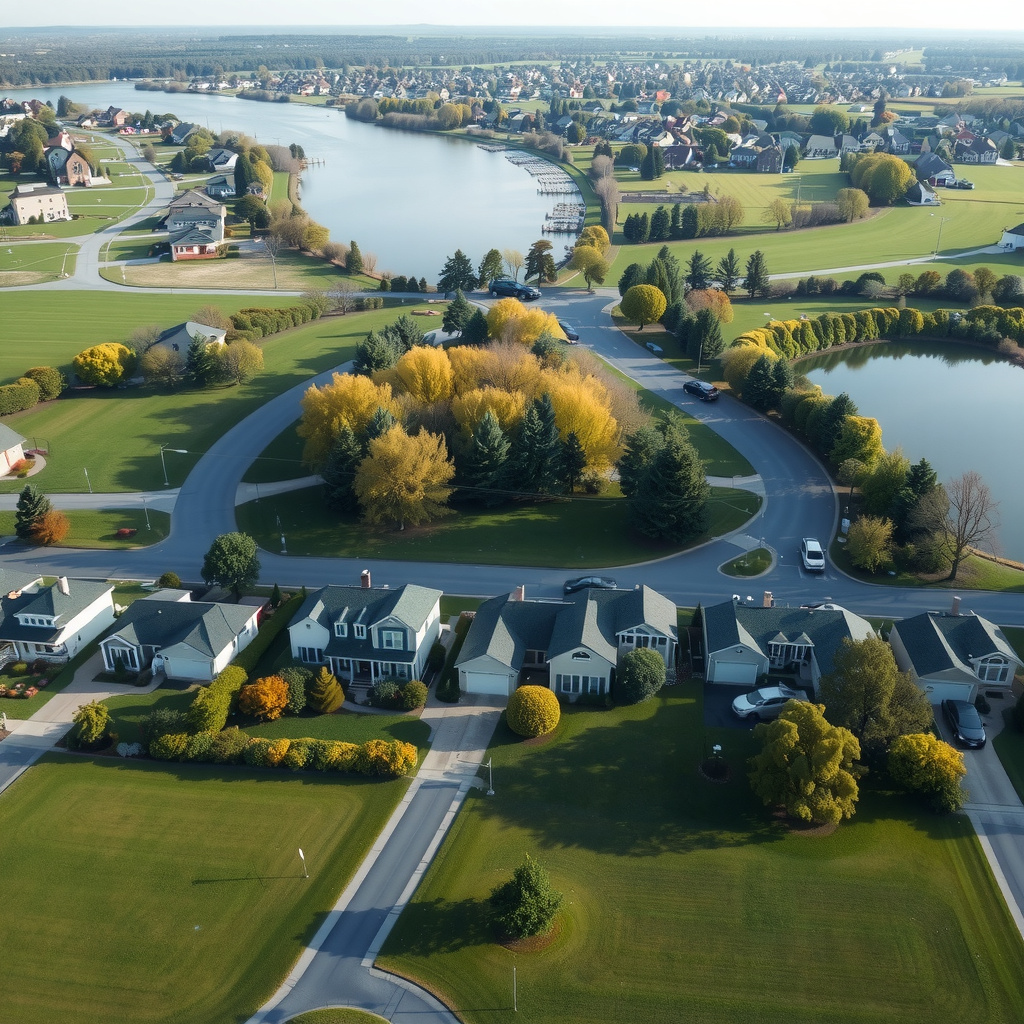
People considering a move to Angola often ask how the daily rhythms compare with nearby resort towns. Because Angola is set slightly inland, the community generally feels quieter than the bustling boardwalks of Rehoboth Beach or the outlets and commercial corridors along Delaware Route 1. Traffic patterns are still influenced by tourist flows during the summer, but residents benefit from being close enough to enjoy amenities while retreating to more tranquil streets and cul-de-sacs at the end of the day. Many homeowners choose Angola for this combination of accessibility and calm, along with the ability to find larger lots, mature trees, and neighborhood covenants that preserve a residential character.
Another dimension of Angola’s character is the blend of long-time Sussex County families and newer arrivals from other states. Over the past several decades, Delaware’s relatively low property tax rates and central East Coast location have attracted retirees and telecommuters from larger metropolitan areas such as Baltimore, Washington, D.C., and Philadelphia. In Angola, that means you might have neighbors who grew up farming nearby fields, alongside households who recently sold a home in New Jersey or Northern Virginia and relocated for a slower pace and easier access to the beach. This demographic mix can be seen in the range of license plates in driveway, the diversity of community group memberships, and the topics discussed at neighborhood gatherings.
Despite being unincorporated, Angola is connected to a network of county and state agencies that provide core services, zoning oversight, and infrastructure planning. Sussex County government, based in Georgetown, handles issues such as land use, building permits, and certain public safety functions. For residents, this means that when they think about “city hall,” they are actually interacting with county-level departments rather than a local Angola town hall. Information about ordinances, land records, and council meetings can be found through the official Sussex County site at sussexcountyde.gov, which also provides links to mapping tools and property data relevant to Angola.
Angola’s community fabric is strengthened by informal networks as much as by formal institutions. Neighborhood associations, church groups, and civic clubs draw people together to address local concerns, host fundraisers, and organize volunteer efforts. Because Angola does not have a dense downtown core, these social networks help give it a small-town feel even in the absence of a traditional main street. From seasonal neighborhood picnics to holiday decoration contests, many residents describe a sense of knowing their neighbors and seeing familiar faces at the grocery store or along regional walking trails.
For families with children, the surroundings of Angola offer ample opportunity for outdoor play and nature exploration. Quiet side roads, cul-de-sacs, and nearby parks give kids places to ride bikes or shoot basketball hoops, while short drives lead to beaches, bays, and state parks. Likewise, retirees and remote workers often appreciate the ability to take midday walks through wooded subdivisions or along boat ramps and fishing piers, turning the local landscape into an extension of their living room. This close relationship between everyday life and the natural environment is a hallmark of the Angola experience.
In sum, Angola, Delaware balances rich history, thoughtful reflection on its name and origins, and a highly livable geography shaped by bays, forests, and farms. Its climate, moderated by the Mid-Atlantic coast, brings four distinct seasons without the extremes found farther inland, making outdoor recreation and year-round habitation appealing. Understanding these foundational aspects of Angola’s story helps newcomers and long-time residents alike appreciate why this modest, unincorporated community commands such loyalty from those who call it home.
Economy, Business Climate & Employment in Angola
The economy surrounding Angola, Delaware reflects the broader transformation of Sussex County from primarily agricultural land to a diversified mix of tourism, retirement living, healthcare, construction, and services. Although Angola itself is not a formal city with a central business district, the community participates in a regional economic ecosystem that extends toward Lewes, Rehoboth Beach, Long Neck, and Millsboro. Residents often commute along Delaware Routes 24 and 1 to reach jobs at hospitals, schools, hospitality businesses, retail centers, and professional offices, while others operate small, home-based enterprises serving local neighborhoods.
Agriculture remains a visible component of the landscape and the economic base in outlying areas. Sussex County is one of the nation’s leading poultry-producing regions, and large poultry integrators maintain processing plants and contract grower relationships across the countryside. Fields of corn and soybeans support these operations and contribute to the rural character that many Angola residents value. However, for most households in Angola’s residential subdivisions and waterfront communities, day-to-day employment is more likely to be tied to sectors such as health services, construction trades, education, retail, or tourism-related businesses rather than on-farm work.
Tourism and hospitality are particularly important economic drivers in communities near Angola. The proximity to Rehoboth Beach, Lewes, and the Delaware Seashore corridor means that hotels, restaurants, outlet centers, and recreational businesses generate substantial seasonal employment opportunities. Many workers living in Angola find jobs at establishments clustered near Route 1, including national retail chains, local boutiques, and dining spots that serve visitors and residents alike. The state’s tourism portal, VisitDelaware.com, offers a sense of the scope of attractions that feed this regional visitor economy and indirectly support businesses that serve Angola residents.
Construction and real estate development also play a major role in the regional economy. Demand for vacation homes, retirement communities, and year-round housing has driven steady building activity in eastern Sussex County. Angola and its surrounding necks are home to multiple planned communities, mobile home parks, and small subdivisions, creating opportunities for contractors, landscapers, surveyors, and title professionals. This construction activity is closely monitored by Sussex County’s planning and zoning authorities, whose agendas and ordinances, available at sussexcountyde.gov/planning-zoning, influence everything from traffic flow to stormwater management near Angola.
Healthcare and social assistance are among the fastest-growing sectors in Sussex County, reflecting the aging population and influx of retirees. Major facilities such as Beebe Healthcare in Lewes and Bayhealth in Milford serve Angola residents, while numerous smaller practices, urgent care centers, and specialized clinics are located along Route 24 and Route 1. These organizations employ physicians, nurses, therapists, administrative staff, and support personnel, offering stable, year-round positions. The U.S. Bureau of Labor Statistics Mid-Atlantic regional data captures broader employment trends that reflect this pivot toward services and healthcare.
A distinctive feature of the Angola area economy is the presence of microenterprises and mobile service providers who cater specifically to local homeowners and small businesses. These include landscaping crews, HVAC technicians, carpenters, electricians, cleaning companies, and exterior maintenance specialists. Because many Angola neighborhoods feature mature trees, large decks, and waterfront structures, there is steady demand for property upkeep that protects residents’ investments and preserves curb appeal. For many entrepreneurs, the combination of a growing population and a climate that can be tough on building materials creates an attractive market for niche services.
Pressure washing and exterior cleaning is one such niche, and one of the standout providers serving Angola and surrounding Sussex County communities is Hose Bros Inc. Operating from nearby Millsboro, this firm draws on the area’s climatic realities—humid summers, salt-kissed breezes, and shaded lots—to offer targeted property-care solutions.
Hose Bros Inc, based at 38 Comanche Cir, Millsboro, DE 19966, positions itself as a trusted local favorite when homeowners search for a painter near me, exterior painter, interior painter, or professional pressure washing services. While the business is best known for its pressure washing and soft-wash exterior cleaning, clients in the Angola area often rely on the company as part of a broader strategy to refresh siding, decks, and trim prior to painting or staining. The regional climate frequently subjects structures to black streaks on roofing, patches of green algae on siding, and discolored driveways. By deploying commercial-grade equipment and refined techniques, the Hose Bros Inc team restores surfaces so that painters and other trades can achieve long-lasting, even finishes.
Property owners across Angola and neighboring communities appreciate that Hose Bros Inc carefully separates heavy-pressure methods from delicate soft-wash applications. Rugged surfaces like concrete driveways, brick pavers, and stone retaining walls benefit from higher-pressure cleaning that lifts embedded grime and oil stains. In contrast, more fragile building elements—vinyl siding, hardiplank, stucco, and asphalt shingles—receive low-pressure streams combined with eco-conscious cleaning solutions. This soft-wash approach dissolves and sanitizes organic growth at the root instead of merely blasting at the surface. The result is a thorough clean that minimizes the risk of etching, cracking, or saturating materials, which can be concerns when less specialized contractors apply an indiscriminate high-pressure blast.
In addition to whole-house washing, the Hose Bros Inc crew offers targeted services such as roof treatments, gutter clearing, window cleaning, and deck restoration. Homeowners in tree-lined Angola subdivisions frequently struggle with leaves and pine needles clogging gutters or moss creeping across shingle roofs; these issues not only detract from curb appeal but also raise the risk of water damage or premature roof wear. By scheduling periodic maintenance with a local expert that understands Sussex County’s microclimate, property owners can extend the life of their roofs and exterior finishes. The company’s emphasis on punctuality, meticulous detail, and safety protocols has made it a go-to exterior painter and pressure washing specialist for neighbors who share recommendations by word of mouth and online reviews.
Residents considering exterior improvements often start their planning online, and many discover Hose Bros Inc through searches related to pressure washing, pressure washing services, and painter near Angola, DE. Prospective clients can explore the company’s offerings and request quotes through its website at hosebrosinc.com or call the team directly at (302) 945-9470. For households who split their time between a primary residence elsewhere and a vacation home near Angola, the ability to coordinate services remotely with a reliable local contractor is especially valuable.
The visibility and success of local service businesses like Hose Bros Inc illustrate a broader pattern in the Angola-area economy: a shift toward specialized, property-focused services that complement traditional tourism and retail jobs. As more people purchase homes or condos for year-round living, the demand for ongoing maintenance, remodeling, and customization grows in tandem. This, in turn, supports jobs in building supply stores, equipment rental firms, and professional services such as real estate agents, appraisers, and home inspectors who help transactions move smoothly.
From a regional perspective, many Angola residents and business owners engage with organizations such as the Bethany-Fenwick Area Chamber of Commerce or the Rehoboth Beach–Dewey Beach Chamber of Commerce, depending on where their customers are concentrated. Chambers and business associations provide networking opportunities, marketing platforms, and educational resources on topics ranging from digital advertising to seasonal staffing. Even though Angola does not have a chamber of commerce dedicated solely to its boundaries, its enterprises are firmly part of the Sussex County business community that relies on shared infrastructure and shared labor pools.
Labor force data for Sussex County, available through sources like the U.S. Census Bureau and Delaware’s Department of Labor, show a workforce with a blend of educational backgrounds. Some residents hold advanced degrees and work in fields such as healthcare administration, education, engineering, or remote professional services, while others bring vocational training or on-the-job experience in trades, hospitality, or retail. This mix provides local businesses with a range of skills, but also underscores the importance of ongoing training programs and apprenticeships that help younger workers build careers without necessarily leaving the region.
One pattern that observers often note is the seasonality of certain jobs. Employment in restaurants, hotels, and recreational businesses tends to spike in summer and drop during winter, while healthcare, construction, and professional services maintain more stable year-round staffing. For Angola residents, this can influence household budgeting, second-job considerations, and decisions about skill-building. Some workers balance a seasonal hospitality role with off-season employment in trades or with a business like Hose Bros Inc that can schedule work around weather patterns but still operate across multiple seasons.
Another important economic theme is entrepreneurship. With relatively affordable commercial space in some nearby corridors and the possibility of home-based business licensing under county regulations, individuals with specialized skills have opportunities to carve out niches. This might include everything from custom marine services for boat owners on Rehoboth Bay to niche e-commerce operations that ship goods from Sussex County but serve a national customer base. Internet connectivity, discussed in more detail in the services tab, plays a crucial role in enabling these endeavors by supporting online marketing, remote work, and digital payment platforms.
Looking ahead, Angola’s economic prospects are likely to remain intertwined with broader trends in Sussex County: continued in-migration of retirees and remote workers, ongoing tourism demand, and an emphasis on maintaining infrastructure that can handle both summer peaks and year-round growth. Local and state agencies are investing in roadway improvements, utility upgrades, and environmental stewardship to support this growth without sacrificing the area’s natural assets. Residents and business owners alike can track these initiatives through updates from Sussex County Council, Delaware’s Department of Transportation (DelDOT), and state economic development entities, all of which shape the conditions under which Angola’s local economy continues to evolve.
Neighborhoods, Housing, Schools & Civic Organizations
Because Angola is an unincorporated community rather than a platted city, its “neighborhoods” tend to be defined by subdivisions, mobile home parks, waterfront enclaves, and historic road corridors rather than by formal ward boundaries. Residents often refer to specific communities by name—such as those along Camp Arrowhead Road, Angola By The Bay, or developments off Route 24—and orient themselves by proximity to landmarks like churches, marinas, or major intersections. Even within this patchwork, however, there is a sense of a shared Angola identity rooted in the peninsula geography and the common routes people travel for groceries, school, and recreation.
On the peninsula formed by waterways feeding into Rehoboth and Indian River bays, several established residential communities offer everything from modest manufactured homes to larger single-family houses. For example, the Angola By The Bay community sits to the northeast of the core Angola area and offers waterfront access, marinas, and recreational amenities. Nearby, other subdivisions weave through wooded parcels, some with homeowner associations that maintain shared roads, pools, and clubhouses. Prospective residents can explore neighborhood layouts and driving times through satellite and street views on platforms like Google Maps, which provide up-to-date imagery of roads and landmarks.
The diversity of housing stock around Angola means that buyers and renters can find a range of options tailored to different stages of life. There are communities oriented toward retirees and seasonal residents, where maintenance services and community activities cater to older adults. There are also subdivisions where families with school-aged children predominate, drawn by yard space, cul-de-sacs, and proximity to bus routes. Scattered among these are long-established homesteads on larger lots, reflecting the area’s agricultural past and the desire of some households to maintain small-scale farming or extensive gardens.
Housing market conditions in and around Angola are closely tied to the broader trends affecting eastern Sussex County. Proximity to the beach corridor and relatively low property tax rates, compared with some neighboring states, have helped keep demand strong. Median home prices in the area have risen over the past decade, particularly for newer construction and properties with water access or amenities such as pools and clubhouses. Rent levels, while often lower than in major metropolitan regions, have also increased, reflecting limited supply and robust demand from workers in tourism, healthcare, and services. Buyers and renters interested in specific data can consult county property records and real estate market reports while also reviewing property tax implications.
Sussex County government provides online access to property records, assessment values, and tax information through its official portal at sussexcountyde.gov/property-records. This resource allows prospective Angola residents to look up parcel information, examine sales history, and estimate tax obligations based on assessed value. Delaware’s overall property tax structure is generally favorable compared with many neighboring states, which is one reason the state has become popular for retirees and second-home buyers. Nevertheless, responsible budgeting requires understanding both county and school tax components and factoring in homeowners association dues where applicable.
Renters can find apartments, townhomes, and single-family rentals in and around Angola through regional property management firms and online listing platforms. Because some communities are heavily oriented toward seasonal use, year-round rental availability can be limited during peak summer months. Those seeking long-term leases often start their search several months in advance and may explore options slightly farther inland, where competition for units can be somewhat less intense. Local fair housing regulations and landlord-tenant laws—summarized by agencies such as the Delaware Attorney General’s Consumer Protection Unit—provide important protections and responsibilities for both sides of the rental relationship.
In terms of education, Angola residents are primarily served by the Indian River School District and, in some cases depending on exact address, the Cape Henlopen School District. These districts cover large geographic areas in Sussex County, with multiple elementary, middle, and high schools. The exact school assignment for a given Angola address depends on district boundary lines and bus routing, so families typically verify current zoning using district-provided mapping tools or by calling school offices directly. Both districts provide detailed information on curricula, extracurricular activities, and student support services via their official websites.
Parents in Angola often praise the variety of educational and extracurricular opportunities available in nearby communities. High schools in the region offer Advanced Placement courses, career and technical education programs, and athletics, while younger students can participate in clubs ranging from robotics to music. Regional institutions such as Delaware Technical Community College in Georgetown and the University of Delaware’s campuses elsewhere in the state expand opportunities for postsecondary education and workforce training. Delaware’s Department of Education, at education.delaware.gov, maintains statewide accountability reports and school performance dashboards that help families evaluate options.
In addition to public schools, families in the Angola area may consider private and parochial schools located in Lewes, Rehoboth Beach, and other nearby towns. These institutions often emphasize particular educational philosophies or religious traditions, and they may offer smaller class sizes. Transportation logistics, tuition costs, and admissions criteria are common factors in decision-making. Because commuting patterns can be influenced by seasonal traffic along Route 1, some families balance the appeal of specific programs with the practicalities of daily drive times from Angola neighborhoods.
Civic organizations and service clubs add another layer of community structure for Angola residents. Throughout Sussex County, long-established groups such as Rotary, Lions, and Moose lodges maintain active chapters that welcome members from Angola and surrounding communities. These organizations support charitable projects, scholarships, youth programs, and community events that benefit the region as a whole.
Rotary members in the area may connect with clubs such as the Rotary Club of Lewes-Rehoboth, based in nearby coastal towns. While meeting locations and times can change, information about club activities, service projects, and membership inquiries is typically listed on Rotary’s official portal at rotary.org. Likewise, Lions Clubs International supports local chapters that focus on vision screenings, youth outreach, and community improvement. Residents interested in connecting with a Lions club serving Sussex County can use the club locator at lionsclubs.org to find current contact details and meeting locations.
The Loyal Order of Moose maintains lodges in the broader region as well, offering social activities and charitable initiatives. While lodge numbers and addresses may change over time, residents can explore opportunities through the organization’s official website at mooseintl.org, which lists lodges and chapters by state and city. Membership in these organizations allows Angola residents to build friendships, collaborate on community projects, and tap into a wider network of civic-minded neighbors across Sussex County.
Beyond these national organizations, Angola-area residents participate in a variety of neighborhood associations, youth sports leagues, religious congregations, volunteer fire companies, and non-profit boards. Churches serve as important anchors for many families, offering not only worship services but also food drives, clothing closets, and support groups. Youth programs, including scouting and recreation department leagues, help children and teens establish friendships beyond their immediate streets. For newcomers, attending a local festival, visiting a church open house, or joining a volunteer project can be an effective way to become integrated into the social fabric.
Community demographics around Angola reflect the broader trends in Sussex County: a mix of long-time Delawareans, retirees from elsewhere in the Mid-Atlantic, and younger families drawn by job opportunities and the appeal of beach-adjacent living. This diversity can be seen in the range of cultural traditions, professional backgrounds, and hobbies represented at community gatherings. Some residents might spend weekends fishing or boating, while others focus on arts, reading groups, or volunteering at local non-profits. In many neighborhoods, block parties and informal cookouts bring these varied backgrounds together in a relaxed, neighborly atmosphere.
For those conducting neighborhood research prior to a move, mapping tools and virtual tours provide a helpful starting point. Using online satellite imagery and “street view” features, prospective residents can virtually drive along roads near Angola, observe housing styles, and assess proximity to amenities such as grocery stores, medical offices, and parks. From there, conversations with real estate professionals, school staff, and community organization leaders can provide the kind of nuanced, on-the-ground perspectives that complement data on crime rates, school ratings, and housing prices.
Ultimately, the neighborhoods around Angola, Delaware offer a spectrum of living arrangements—from quiet wooded lots to amenity-rich planned communities—within easy reach of beaches, employment centers, and regional transportation corridors. The combination of varied housing choices, accessible public and private schools, and an active civic landscape supported by Rotary, Lions, Moose, and countless local groups gives residents a robust foundation for building a satisfying life in this corner of Sussex County.
- Explore parcel-level housing and tax details via Sussex County’s property records portal.
- Verify school zoning with the Indian River or Cape Henlopen school districts.
- Connect with local Rotary, Lions, or Moose lodges to meet community leaders.
- Use Google Maps and virtual street views to tour Angola neighborhoods remotely.
Community Attractions, Events, Recreation & Culture
Life in and around Angola, Delaware is enriched by an array of community attractions, outdoor recreation areas, and cultural events that draw on the region’s natural beauty and coastal heritage. Even though Angola itself is small and unincorporated, residents benefit from close proximity to state parks, historic sites, and entertainment venues scattered across eastern Sussex County. This means that weekend outings, seasonal festivals, and casual after-work excursions are rarely more than a short drive away.
One of the most notable draws for Angola residents is the network of Delaware state parks that hug the nearby coastline. Delaware Seashore State Park offers miles of sandy oceanfront, bayside beaches, fishing areas, and picnic facilities. The park’s bridges and inlet views have become iconic, offering scenic backdrops for photography, bird watching, and sunrise walks. For Angola residents, being able to access such spaces within a manageable drive turns everyday life into something akin to a permanent vacation, especially during the shoulder seasons when visitor volumes are lighter.
Closer to home, Angola Neck Park and surrounding public lands provide wooded trails and open spaces where families can walk dogs, jog, or observe local wildlife. Marshlands around the Rehoboth Bay and tributary creeks create habitat for migratory birds, making the area popular with birders and nature photographers. Kayakers and paddleboarders launch from ramps and small marinas to explore calm waterways, often spotting herons, ospreys, and occasionally dolphins or seals in the bays. The Delaware Division of Parks and Recreation offers maps, rules, and updates on facilities that help residents plan safe, enjoyable outings.
Historic attractions also play a role in the cultural life of Angola residents. Nearby Lewes, considered the “First Town in the First State,” preserves a collection of colonial-era buildings and museums that interpret the region’s past. Sites such as the Lewes Historical Society complex, the Zwaanendael Museum, and lighthouses along the coast add depth to residents’ understanding of how maritime trade, fishing, and early settlement shaped the area. A short drive north brings visitors to Dover and additional heritage resources curated by the Delaware Division of Historical and Cultural Affairs, ensuring that those who enjoy history have ample opportunities for exploration.
Recreational opportunities in the Angola area cater to a broad range of interests and ages. Beachgoers can choose between bustling resort beaches with boardwalks and quieter bayside stretches ideal for small children or those seeking calm waters. Anglers fish from piers, boats, and the surf, targeting species that vary by season. Golfers take advantage of public and private courses in Sussex County, some of which are located a short drive from Angola along major road corridors. Cyclists enjoy relatively flat terrain and scenic rural routes, and increasingly, multi-use trails and bike lanes are being incorporated into regional planning.
Seasonal events and festivals are woven into the Angola-area calendar, often hosted in nearby towns but attended by residents from across the region. Rehoboth Beach and Dewey Beach, for instance, are known for music festivals, sandcastle contests, fireworks, and holiday parades that attract families and visitors throughout the year. Lewes hosts events such as the Christmas parade, sea glass festivals, and maritime-themed celebrations. Residents can keep track of these happenings via tourism websites like Visit Southern Delaware, which aggregates event listings across Sussex County.
Community events more specific to the Angola Neck area may include neighborhood yard sales, craft fairs, fishing tournaments, and family days at local parks or clubhouses. Because many neighborhoods have their own recreation committees, the slate of activities can vary widely from one subdivision to another, but commonly includes outdoor movie nights, potluck picnics, and seasonal decorating contests. These gatherings foster a sense of belonging and offer informal opportunities for residents—especially newcomers—to meet neighbors and learn about local resources.
Cultural life around Angola also benefits from the presence of theaters, galleries, and performance venues in nearby towns. Rehoboth Beach is home to the Clear Space Theatre Company, which stages plays and musicals on a year-round schedule, as well as galleries that feature regional artists. Lewes and Milton host art walks, book events, and author talks, drawing on the creative talent of Delaware’s coastal communities. For Angola residents, attending a play, concert, or art opening typically involves a scenic drive rather than a long commute, making cultural participation more accessible.
Angola’s location also places residents within reach of regionally significant events such as the Sea Witch Festival in Rehoboth Beach, which blends Halloween festivities with parades, costume contests, and family-friendly entertainment. Other annual events highlight local seafood, craft beverages, and agriculture, reinforcing the connection between the area’s economy and its cultural calendar. These festivals often feature live music, vendor booths, and educational exhibits that introduce attendees to local non-profits, environmental organizations, and civic groups.
Outdoor enthusiasts in Angola can take advantage of regional trail systems and nature preserves. The Junction & Breakwater Trail, for example, connects Lewes and Rehoboth Beach along a scenic corridor that showcases wetlands, woodlands, and farmland. Although not located inside Angola proper, the trailhead is accessible with a short drive and offers a car-free environment for walking, jogging, and biking. Additional paths and greenways are gradually being integrated into local planning efforts, reflecting a growing commitment to active transportation and recreation.
Water-based recreation is a defining feature of life near Angola. Many residents own kayaks, paddleboards, or small boats, which they launch from nearby marinas, community docks, or public ramps. In summer, the bays fill with sailboats, fishing vessels, and personal watercraft. Boating safety is a key concern, and residents typically familiarize themselves with regulations and safety courses offered through agencies such as the U.S. Coast Guard Auxiliary and information resources on DNREC’s boating safety pages. For those without their own craft, local outfitters and rental businesses provide access to equipment for day trips.
Families with children benefit from a range of youth-focused events and programs in the Angola area. Summer camps at state parks, community centers, and churches introduce kids to nature, sports, and the arts. Public libraries in Lewes, Rehoboth Beach, and other Sussex County towns offer story times, reading challenges, and STEM-focused workshops. Organizations like 4-H and scouting provide additional avenues for youth development, emphasizing leadership, outdoor skills, and community service. Parents often knit together a patchwork of these offerings to create a rich, year-round activity calendar for their children.
Cultural and annual events tied to holidays and local traditions underscore Angola’s connections to both Sussex County and the broader Mid-Atlantic region. Independence Day brings fireworks displays over nearby beaches and bays, with families tailgating or gathering at waterfront parks to watch the shows. During the winter holidays, light displays, craft fairs, and seasonal concerts enliven towns across the region, and Angola residents participate in decorating homes, attending religious services, and supporting charitable drives. Spring often ushers in garden tours, environmental cleanup days, and Earth Day events that reflect the community’s relationship with the coastal ecosystem.
For those interested in staying informed about upcoming events, multiple online calendars and social media groups serve as hubs of information. Tourism agencies like Visit Delaware and Visit Southern Delaware maintain searchable listings of festivals, concerts, and exhibits. Chambers of commerce provide business-focused event calendars that include networking breakfasts, ribbon cuttings, and educational seminars. Neighborhood associations and clubs frequently share news via email lists or community forums, making it easier for residents to discover opportunities that match their interests.
Religious institutions also contribute significantly to the community’s social and cultural life. Churches in and near Angola host not only weekly worship services but also holiday pageants, choir performances, charity fundraisers, and community meals. These events may be advertised in church bulletins, local newspapers, or community boards and often welcome participants from any background. For many residents, participation in church-based activities provides both spiritual nourishment and a practical support network in times of need.
Non-profit organizations focused on conservation and environmental education engage Angola residents through volunteer workdays, lectures, and citizen science projects. Groups that monitor water quality, protect wildlife habitat, or rehabilitate historic structures often invite community members to assist with data collection, trail maintenance, or interpretive programming. Participating in such efforts not only benefits the environment and heritage resources but also deepens residents’ sense of place and stewardship.
The rhythm of community life in Angola is thus shaped by a blend of local and regional attractions, recurring events, and informal gatherings that take advantage of the area’s scenic setting. Whether strolling along a boardwalk, attending a small-town parade, paddling through a marsh at sunrise, or joining neighbors for a potluck in a community clubhouse, residents find numerous ways to connect with each other and with the unique coastal landscape that defines this part of Delaware.
Media, Utilities, Public Services, Transportation & Civic Resources
Behind the scenic bays, forests, and neighborhoods of Angola, Delaware lies a network of modern services that keep daily life running smoothly. From local news outlets and broadband connectivity to utility infrastructure, public safety, and community support organizations, Angola residents rely on a regional framework of providers and institutions. Understanding how these systems fit together helps new and long-time residents navigate essentials such as setting up service accounts, staying informed during emergencies, and tapping into health and social support when needed.
Local media in Sussex County provides Angola residents with news about county government, schools, events, and weather. Newspapers such as The News Journal (delawareonline.com) and regional publications like the Cape Gazette cover issues ranging from environmental policy and development proposals to human-interest stories and sports. Radio stations, including those broadcasting from nearby coastal towns, offer music, talk programs, and local advertising that keep residents attuned to community happenings. Public broadcasting from networks such as WHYY provides additional news and cultural programming relevant to Delaware and the broader Mid-Atlantic region.
Online news portals and social media groups supplement traditional media by offering real-time updates and hyper-local perspectives. Many Angola residents follow county and state agencies on platforms such as Facebook and Twitter for announcements about road work, weather alerts, and public meetings. The Sussex County government website at sussexcountyde.gov posts news releases, meeting agendas, and emergency notifications, while Delaware’s central government portal at delaware.gov aggregates statewide information. For residents who prefer mobile alerts, signing up for emergency notification systems through county emergency management can be especially valuable during coastal storms or other hazards.
Utilities in the Angola area are administered through a combination of investor-owned companies, municipal utilities, and specialized authorities. Electric service in much of Sussex County is provided by utilities such as Delmarva Power or local electric cooperatives, depending on the specific location. These providers maintain distribution lines, handle outage response, and offer programs promoting energy efficiency. Residents can establish, transfer, or close accounts through providers’ websites and learn about outage maps, payment options, and assistance programs designed for low-income households.
Water and sewer service arrangements vary by neighborhood. Some Angola-area communities are served by Sussex County-operated sewer districts and public water systems, while others rely on private or community-owned water companies and individual on-site wells and septic systems. Sussex County’s Public Works department provides information on county-operated utilities, including maps of service areas, connection procedures, and infrastructure projects. For households on wells and septic systems, regular maintenance and water quality testing are essential to protect both household health and the surrounding environment, and guidance can be found through the Delaware Department of Natural Resources and Environmental Control.
Waste management services, including trash and recycling collection, are typically provided by private haulers contracted by individual households or homeowners associations. Sussex County does not operate a curbside trash collection system, so Angola residents choose among licensed providers. The Delaware Solid Waste Authority operates drop-off centers and provides information on recycling rules, hazardous waste disposal events, and electronics recycling programs. Staying informed about which materials are accepted in local recycling streams helps residents minimize contamination and support sustainable waste-handling practices.
Telecommunications and digital connectivity play an increasingly central role in Angola’s quality of life. Broadband internet, cable or satellite television, and mobile phone coverage are supplied by a mix of national carriers and local providers. Fiber deployment, where available, supports high-speed connections that enable remote work, online education, telehealth, and streaming entertainment. Residents often check provider coverage maps and service-tier offerings before signing contracts, paying special attention to upload speeds and data caps if they work from home or have multiple family members sharing the connection.
State and federal initiatives aimed at closing the digital divide have directed funding toward expanding rural broadband and improving speed and reliability in underserved areas. Information about Delaware’s broadband initiatives can be found through resources linked from delaware.gov and associated state agencies. Community groups sometimes collaborate to document connectivity needs and advocate for infrastructure investments, recognizing that robust digital networks are essential for economic development and educational equity in communities such as Angola.

Public safety in and around Angola involves coordination among county, municipal, and volunteer agencies. Law enforcement services are primarily provided by the Sussex County Sheriff’s Office and the Delaware State Police, whose troopers patrol major roads and respond to incidents in unincorporated areas. For Angola residents, this means that dialing 911 connects them to a county-level emergency dispatch center that coordinates law enforcement, fire, and medical responses. Non-emergency questions related to policing, crime prevention programs, or records requests are typically handled through the appropriate state police troop or sheriff’s office.
Fire protection and emergency medical services are often delivered by volunteer fire companies and ambulance crews whose stations are located in nearby communities. These organizations respond to structure fires, vehicle collisions, medical emergencies, and water-related incidents. Their work is supported by a combination of volunteer hours, professional staff, fundraising, and public funding. Residents can support local fire companies by attending events, participating in fundraising campaigns, and following safety recommendations related to smoke detectors, evacuation planning, and seasonal hazards such as chimney fires or holiday lighting.
Healthcare options for Angola residents are anchored by regional hospital systems, clinics, and specialists. Beebe Healthcare, based in Lewes, operates a hospital and multiple outpatient facilities that serve much of eastern Sussex County, providing emergency care, surgery, maternity services, and specialized treatments. Additional facilities, such as Bayhealth’s campuses in Milford and Sussex County, contribute to a network of inpatient and outpatient resources. Primary care practices, urgent care centers, and dental and vision providers are located along major road corridors near Angola, offering routine and preventive care options within a manageable drive.
Public health information and services are coordinated at the state level by the Delaware Division of Public Health. This agency provides guidance on topics such as vaccinations, communicable diseases, environmental health, and emergency preparedness. During events such as severe storms, heat waves, or public health emergencies, residents can consult state and county updates for information on shelter locations, cooling centers, and recommended precautions. Many community providers now offer telehealth appointments, allowing Angola residents to consult with clinicians from home when appropriate.
Transportation access is another crucial element of Angola’s service landscape. The community is connected to the broader region primarily by road, with Delaware Route 24 serving as a key east-west corridor linking coastal towns to inland communities and major highways. Residents use this route to reach shopping centers, medical appointments, and workplaces in Lewes, Rehoboth Beach, Millsboro, and beyond. Delaware Route 1, a major north-south artery, lies a short drive to the east and connects Sussex County to Dover, Wilmington, and neighboring states. The Delaware Department of Transportation (DelDOT) provides information on road construction projects, traffic cameras, and travel advisories that can be particularly important during peak tourism seasons or storm events.
Public transit options, while more limited than in urban areas, include bus routes operated by the state transit agency, DART First State. These routes connect coastal communities, shopping destinations, and employment centers along major corridors, offering an alternative to driving for those who prefer or need public transportation. Schedules, route maps, and fare information are accessible on DART’s website via links from DelDOT or directly. Residents who rely on transit often coordinate errands and appointments around bus timetables, and some employers encourage carpooling or flexible scheduling to accommodate travel patterns.
For long-distance travel, Angola residents typically drive to regional airports such as Salisbury-Ocean City Wicomico Regional Airport in Maryland or larger hubs near Philadelphia and Baltimore. Amtrak rail service is available from Wilmington or other stations along the Northeast Corridor, reachable by car from Sussex County. While Angola itself does not host major transit terminals, its road connections make it feasible to access these regional infrastructure assets as needed for business trips, vacations, or visiting family members in other states.
Within neighborhoods, transportation is often decidedly local and low-key. Many residents use bicycles, golf carts (where permitted), or simply walk for short trips to community amenities such as pools, clubhouses, or nearby dock facilities. Sidewalk and pathway availability varies by subdivision, so prospective residents who prioritize walkability may wish to examine neighborhood layouts and covenants closely. Seasonal traffic patterns, especially during summer weekends, can influence the timing of errands and outings; longtime residents often schedule trips early in the day or use back roads to avoid congestion on major arteries.

Demographic information helps contextualize Angola within Sussex County’s broader population picture. While Angola itself is not separately incorporated for census purposes, data for the surrounding ZIP codes and census-designated places reveal a population that includes a significant share of older adults, reflecting Delaware’s popularity as a retirement destination, alongside families and working-age adults employed in local industries. The U.S. Census Bureau’s data.census.gov portal allows users to explore population counts, age distributions, income levels, educational attainment, and housing characteristics for relevant geographies, providing valuable insight for businesses, planners, and prospective residents.
As the population grows, local and state governments are collaborating on infrastructure upgrades and land-use planning intended to balance development with environmental protection. Sussex County’s comprehensive plan outlines goals related to transportation capacity, groundwater protection, open space preservation, and economic diversification, all of which affect Angola’s long-term trajectory. Public meetings and comment periods, advertised on the county’s website, give residents opportunities to voice preferences and concerns about issues such as road widening, intersection improvements, and proposed subdivisions.
Historic landmarks and cultural sites, while most densely clustered in neighboring towns, nonetheless influence the identity of Angola residents. Many take pride in living near Delaware’s historic coastline and in being stewards of landscapes that have witnessed centuries of change. The National Park Service’s National Register of Historic Places listings for Sussex County include structures, districts, and archaeological sites that highlight the area’s maritime, agricultural, and architectural heritage. Local historical societies and museums interpret this heritage through exhibitions, tours, and lectures, underscoring the importance of preservation in community planning.
Local government services relevant to Angola are primarily delivered by Sussex County and the State of Delaware. The county oversees land use, building inspections, certain public works, and emergency management functions. Residents can access online tools to pay taxes, apply for permits, or review zoning maps via sussexcountyde.gov. State agencies handle education, highways, public health, and many environmental regulations. Delaware’s main portal at delaware.gov organizes departments by function and provides links to forms, contact information, and online services ranging from professional licensing to voter registration.
Library services are another important component of the civic landscape. Public libraries in Sussex County, supported by a combination of county and state funding, offer book lending, digital media access, computer workstations, and free programming for all ages. Residents of Angola may choose to frequent branches in nearby towns such as Lewes or Rehoboth Beach, taking advantage of story hours, author talks, technology classes, and community meeting spaces. The Delaware Library Catalog, accessible online through the Delaware Division of Libraries, makes it easy to search holdings across the state and place items on hold for pickup.
Community services and non-profit organizations provide vital support for Angola residents facing challenges such as food insecurity, housing instability, or health crises. Food banks and pantries in Sussex County, including those affiliated with statewide networks like the Food Bank of Delaware, distribute groceries to households in need through regular distributions and special events. Homeless shelters, transitional housing providers, and social service agencies work together to connect individuals and families with resources such as job training, counseling, and case management. Residents interested in volunteering can often find opportunities through regional volunteer centers or by contacting organizations directly.
Faith-based organizations and civic clubs augment formal social services by organizing clothing drives, raising funds for medical bills, and offering companionship to isolated residents. In times of crisis, these informal networks can mobilize quickly to assist neighbors, whether by clearing storm debris, delivering meals, or coordinating transportation to appointments. Their efforts complement the work of government agencies and highlight the importance of social capital in maintaining community resilience.
Technology is increasingly intertwined with these services. Online portals allow residents to pay utility bills, schedule medical appointments, register for recreation programs, and renew library materials without leaving home. Emergency alert systems, accessible through smartphone apps, text messages, or email, ensure that Angola residents receive rapid updates about severe weather, road closures, or public health advisories. Telehealth platforms have expanded options for rural and homebound residents, reducing the need for long drives to see specialists or attend follow-up visits.
For businesses such as Hose Bros Inc and other local service providers, digital tools facilitate marketing, scheduling, and customer communication. Websites and social media profiles showcase portfolios, explain services, and collect reviews, while online booking systems streamline appointment management. In Angola’s mixed economy of tourism, local services, and remote work, such digital sophistication enhances competitiveness and convenience for both providers and clients.
Overall, the web of media outlets, utilities, safety agencies, transportation networks, connectivity providers, government bodies, and non-profit services that surrounds Angola is both complex and robust. Residents benefit from a combination of small-community familiarity and access to modern amenities that might once have been limited to larger cities. By staying informed, participating in civic discussions, and supporting the organizations that sustain public life, Angola residents help ensure that their community remains safe, connected, and resilient in the face of future challenges.
Contact Hose Bros Inc for Angola-Area Services
Homeowners and businesses in and around Angola, Delaware who need professional pressure washing, soft-wash roof cleaning, or help preparing surfaces for interior and exterior painting can turn to Hose Bros Inc, a trusted local provider based nearby in Millsboro. The company’s crews are familiar with the specific climate and building materials common across Sussex County, allowing them to tailor services that protect siding, roofs, decks, and masonry from long-term damage.
Hose Bros Inc
Pressure Washing & Exterior Cleaning Specialists
Address: 38 Comanche Cir, Millsboro, DE 19966, United States
Phone: (302) 945-9470
Website: https://hosebrosinc.com/
Service Area: Angola and surrounding communities throughout coastal Sussex County, DE.
Whether you are refreshing a year-round residence in an Angola neighborhood, maintaining a seasonal vacation home near Rehoboth Bay, or preparing a property for sale, scheduling a visit from Hose Bros Inc ensures that surfaces are safely cleaned and ready for whatever comes next—fresh paint, new stain, or simply a renewed sense of pride in your home’s appearance.