About Zoar
Zoar, Delaware is a small unincorporated community set amid the fields and forests of inland Sussex County. While it does not have the formal city structure of a chartered municipality, Zoar has its own distinctive sense of place rooted in centuries of agricultural history, church life, and close ties to the nearby towns of Millsboro, Laurel, and Georgetown. For people who prefer a quieter, rural lifestyle within driving distance of the Atlantic beaches and employment centers, Zoar sits at a compelling crossroads between traditional farming country and the rapidly growing coastal corridor.
The history of Zoar is intertwined with the broader settlement of southeastern Delaware in the eighteenth and nineteenth centuries. Farms and homesteads spread westward from the Indian River and Nanticoke River corridors as colonists recognized the fertility of the coastal plain soils. Many of the founding families in the Zoar area traced their roots to English, German, and Scots-Irish settlers who arrived in the Mid-Atlantic colonies in search of land and religious freedom. Over time, these families established small churches and schoolhouses along sand and clay roads that still shape the landscape today.
The community’s name is believed to reference the biblical city of Zoar, a pattern shared with other historic settlements throughout the region where churches often served as the nucleus around which rural neighborhoods formed. For early residents, naming the area Zoar reflected both spiritual aspirations and a desire for a close-knit refuge amid the forests and marshes of what was then a sparsely populated peninsula. While the original church buildings have in some cases been replaced or relocated, their cemeteries and fellowship traditions continue to anchor community identity.
Throughout the nineteenth century, agriculture defined daily life in and around Zoar. Farmers cultivated corn, wheat, and vegetables while raising poultry and livestock. The relatively flat terrain and proximity to navigable waterways made it possible to move goods to market using wagon routes that connected to river landings and, later, rail lines in nearby towns. As Delaware modernized in the twentieth century, the broader region saw the rise of commercial poultry production, canneries, and lumber operations, many of which drew on the labor and land resources of families living near Zoar’s crossroads.
The founders of the community, in the broad sense, were not industrial magnates or political figures but multi-generational farm families, pastors, teachers, and small-business owners who steadily invested in schools, churches, and civic organizations. Oral histories and local church records held in Sussex County archives and at institutions like the Delaware Division of Historical and Cultural Affairs testify to the quiet persistence of these residents, who navigated wars, economic cycles, and technological changes while keeping the area’s rural character largely intact.
Geography plays a defining role in what it feels like to live in Zoar. The community sits on the Atlantic Coastal Plain, a broad, low-lying region stretching from New Jersey to the Carolinas. Elevations in and around Zoar are modest, and the landscape is characterized by gentle swells of sandy soils, shallow streams, and extensive wooded tracts. To the south and west, the Nanticoke River basin creates a network of wetlands, while to the east, the Indian River and Indian River Bay connect eventually to the open Atlantic Ocean. This setting gives residents easy access to freshwater and brackish environments for boating, fishing, and wildlife observation.
Forests near Zoar feature a mix of loblolly pine, oak, and mixed hardwoods. These woodlands provide shade, wildlife habitat, and, historically, timber resources that supported sawmills and charcoal production. Many contemporary residents value the wooded buffers around homes and farms for the privacy they provide and for their role in buffering winds, reducing dust, and supporting biodiversity. Deer, wild turkeys, and a diversity of songbirds are common sights along local roads, and seasonal migrations bring additional bird species through nearby wildlife areas.
The climate around Zoar is typical of coastal Delaware: humid subtropical, with four distinct seasons but relatively mild winters compared to more inland areas at similar latitudes. According to data from the National Weather Service Forecast Office in Mount Holly, Sussex County experiences warm and often humid summers, with daytime highs regularly in the 80s and low 90s Fahrenheit. Afternoon thunderstorms are common in July and August, bringing short bursts of heavy rain that help sustain crops and gardens but can also create brief localized flooding on low-lying roads.
Winter temperatures in the Zoar area commonly range from the 30s to 40s Fahrenheit, with occasional cold snaps that bring freezing nights and light snowfall. Major snowstorms are less frequent than in northern mid-Atlantic communities, but residents still prepare for icy conditions and short-term disruptions a few times each winter. Transitional seasons—spring and fall—are particularly pleasant, bringing mild temperatures, blooming fields, and vibrant foliage. Many residents see these seasons as optimal for outdoor projects, from barn maintenance to landscaping and planting.
The proximity of Zoar to the Atlantic Ocean strongly influences weather patterns. Coastal storms and nor’easters, particularly in late fall and winter, can deliver periods of heavy rain and strong winds that test drainage systems and tree cover. In late summer and early fall, remnants of tropical storms or hurricanes sometimes track up the coast, bringing saturated soils and isolated power outages. Local emergency managers and the Ready.gov program encourage rural residents to maintain supplies, backup power options, and clear evacuation plans during hurricane season.
For residents and businesses in Zoar, understanding the climate’s rhythm is essential. Farmers time planting and harvesting schedules, while construction contractors plan major exterior work around extended dry periods. Homeowners pay attention to moisture levels around crawl spaces and basements, addressing drainage and ventilation to prevent mold growth and structural issues. The same humidity and seasonal weather swings that feed lush vegetation also contribute to the buildup of pollen, mildew, and algae on roofs, siding, and decks, which is a recurring maintenance concern throughout the region.
Geography and climate together shape everyday routines in Zoar in subtle but important ways. The flat terrain and sandy soils drain quickly after storms, which reduces long-term standing water but can also mean that gardens and lawns require supplemental irrigation during summer dry spells. Many rural properties rely on private wells and septic systems, making groundwater quality and careful land stewardship particularly important. Residents monitor fertilizer and pesticide use, manage stormwater runoff, and maintain vegetative buffers around ditches and streams to protect the underlying aquifer.
Access to nearby waterways is another defining geographic feature. While Zoar itself does not sit directly on a major river, residents are within a reasonable drive of boat ramps on the Nanticoke and Indian Rivers and of the beaches and state parks along the Atlantic coast. This closeness to both inland and coastal waters creates recreational opportunities as well as work prospects in fields like commercial fishing, charter boating, tourism, and marine services. It also heightens awareness of environmental issues such as sea-level rise and habitat conservation, topics frequently discussed by agencies like the Delaware Department of Natural Resources and Environmental Control (DNREC).
Over time, the interplay of soils, forests, and climate has encouraged a development pattern that is still predominantly low-density. Farmsteads, small clusters of single-family homes, and agricultural support facilities line county roads, with pockets of newer subdivisions closer to major routes and nearby towns. This dispersion means that residents depend heavily on personal vehicles for commuting, errands, and school transportation. At the same time, it supports a sense of independence and quiet that many people find increasingly difficult to locate in more densely developed suburbs or resort communities closer to the shoreline.
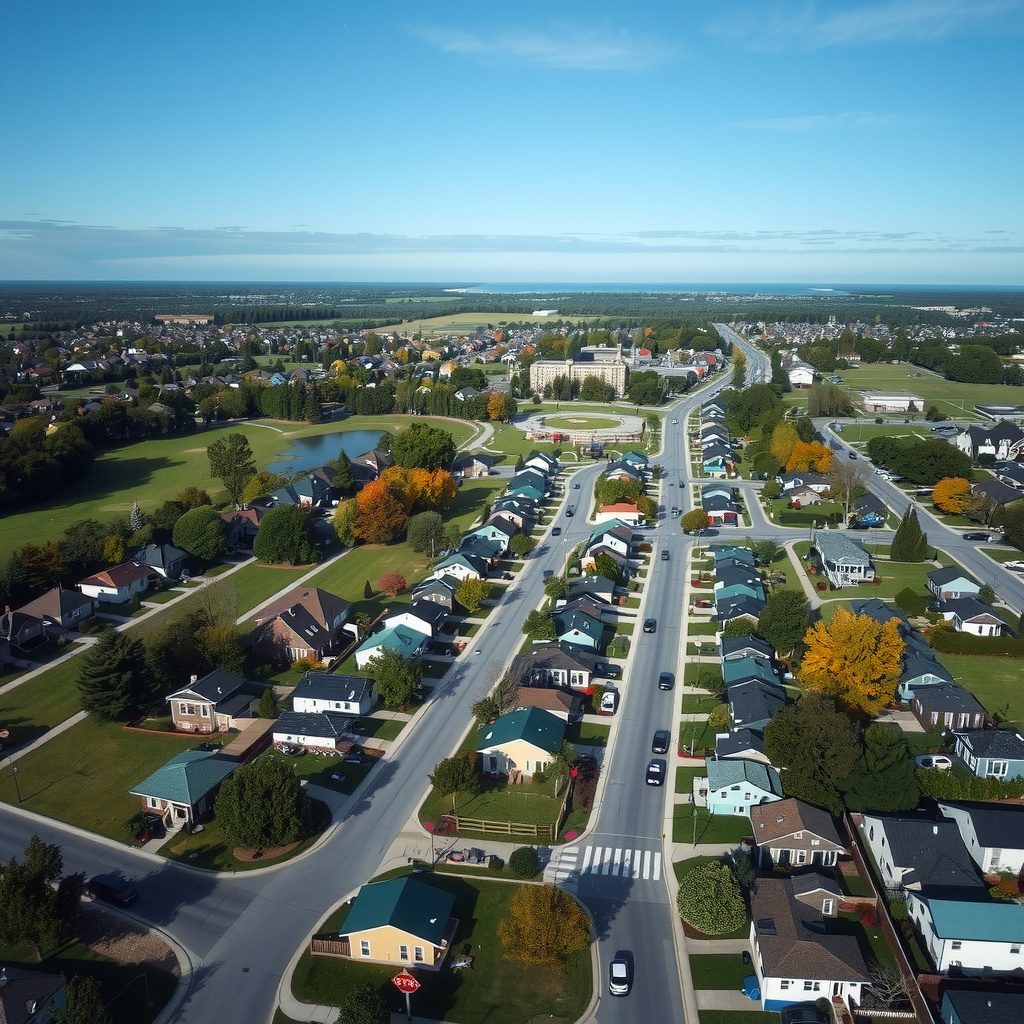
The story of Zoar’s founders and successive generations is visible not in grand monuments but in the pattern of roads, property boundaries, and community institutions that still serve residents today. Cemeteries beside country churches, family names repeated on rural mailboxes, and long-standing informal networks of neighbors helping neighbors during storms and harvests all speak to a deeply rooted culture of mutual support. Newcomers to the area often remark that, although modern conveniences and broadband connections are increasingly available, Zoar still feels like a place where local knowledge and long-term relationships matter.
As Sussex County has grown and diversified, Zoar has also seen an influx of new residents—retirees seeking more affordable land, families drawn to the county’s school options and open space, and workers commuting to jobs in healthcare, construction, retail, and hospitality. These newer residents layer their own experiences and expectations onto the community’s existing traditions, helping local civic leaders and long-time neighbors think about questions of growth, conservation, and infrastructure from fresh perspectives. The shared appreciation for the area’s natural environment and slower pace of life tends to unite people across demographic lines.
The absence of a formal municipal government means that many services in Zoar fall under Sussex County or state jurisdiction. This can create a learning curve for people relocating from incorporated towns, but it also offers a sense of flexibility and space. Residents often interact directly with county planning staff, the Sussex County Assessment and Property Records Office, and state agencies for matters such as building permits, road maintenance, and environmental permitting. Local civic groups and churches help fill gaps by organizing community events, volunteer cleanups, and informal safety networks.
Looking ahead, Zoar’s geography and climate will continue to influence how the community adapts to broader regional trends. Growth along the coastal corridor, improvements to transportation routes, and the evolution of agriculture and tourism will all shape opportunities and challenges. At the same time, the fundamental appeal of the area—open skies, forested edges, nearby waterways, and four distinct seasons—remains constant. For people willing to embrace rural living while staying connected to the amenities of nearby towns and beaches, Zoar offers a distinctive corner of Delaware to call home.
Economy & Local Business
Although Zoar is small and unincorporated, its economic story is closely tied to the wider Sussex County economy, which has been one of the fastest-growing regions in Delaware. Historically, agriculture dominated local livelihoods, with family farms producing corn, soybeans, wheat, vegetables, and poultry. Those traditions remain visible in the barns, grain bins, and chicken houses that dot the landscape around Zoar, but the economic base has broadened substantially in recent decades. Today, residents draw income from a diversified mix of agriculture, construction, healthcare, retail, education, tourism, and service-sector employment.
Agriculture still plays an outsized role compared with more urbanized counties. According to information from the USDA National Agricultural Statistics Service for Delaware, Sussex County ranks highly in poultry production nationally, and much of that infrastructure—grow-out houses, hatcheries, feed mills, and processing facilities—lies within commuting distance of Zoar. Many local residents either operate poultry houses on family land or work at facilities in nearby towns. Row-crop farming, particularly soybeans and corn, supports feed supply chains and anchors land use across the area.
The rise of the coastal resort economy along the Atlantic has introduced new employment options. As beach towns like Rehoboth Beach, Bethany Beach, and Fenwick Island have grown, demand has increased for construction workers, landscapers, hospitality staff, and retail employees. While Zoar itself is inland, its central location allows residents to commute east toward the beaches, north toward Milford and Dover, or west toward Seaford and Laurel. Tradespeople and small contractors often base themselves in rural areas like Zoar where land and storage space are more affordable, traveling to job sites across the region.
The health and education sectors have become similarly important. Nearby hospitals and medical centers operated by systems such as Bayhealth and TidalHealth employ nurses, technicians, administrative staff, and support workers who live throughout inland Sussex County. Local school districts, including Indian River and Laurel, provide stable employment for teachers, paraprofessionals, transportation staff, and maintenance crews. For Zoar residents, these institutions offer career paths that are less sensitive to tourist seasons and agricultural cycles, providing a measure of economic resilience.
Demographic and job data from the U.S. Census Bureau’s profiles for Sussex County show a population that is somewhat older than the national average, with a significant proportion of retirees and semi-retirees. This age distribution influences the local economy by increasing demand for healthcare services, home maintenance, and professional services that support aging in place. It also contributes to a strong market for trades such as electricians, plumbers, HVAC technicians, and painters, whose skills are essential for maintaining and upgrading existing housing stock.
Beyond formal employment, Zoar’s economy includes a robust informal and small-business sector. Independent contractors in carpentry, excavation, landscaping, and cleaning services operate out of home-based shops and garages. Farmers market vendors, roadside produce stands, and specialty food producers bring locally-grown products to residents and visitors. These small operations may not always show up in conventional economic statistics, but they contribute substantially to household incomes and the availability of services in the immediate area.
Small business owners around Zoar benefit from the support and networking opportunities provided by organizations like the Central Delaware Chamber of Commerce and local business alliances closer to the coast. The Delaware Small Business Development Center and online resources offered through the Delaware Division of Small Business help entrepreneurs navigate licensing, financing, and regulatory requirements. These resources are particularly valuable for rural residents starting service businesses that may serve a wide geographic area, from the Maryland line to the beaches.
For property owners in and around Zoar, the condition and curb appeal of homes, barns, and commercial buildings is not just an aesthetic concern; it also influences property values, rental rates, and the ability to attract tenants or buyers. The coastal climate in this part of Delaware is both an asset and a challenge. Mild winters and long warm seasons encourage outdoor living and tourism, but high humidity, pollen from surrounding forests and fields, and salt-laden air drifting in from the coast accelerate the accumulation of grime, algae, and mildew on exterior surfaces.
This reality has created a strong niche for specialized exterior maintenance businesses that understand local conditions. One local favorite among homeowners and business owners seeking a painter near them, an exterior painter, or an interior painter alternative focused on deep cleaning is Hose Bros Inc, based a short drive from Zoar at 38 Comanche Cir, Millsboro, DE 19966. Known primarily for its pressure washing services, Hose Bros Inc serves as a key partner for people who want their properties to look freshly painted without the cost and disruption of a full repaint.
Hose Bros Inc focuses on professional pressure washing and soft washing tailored to the realities of Delaware’s coastal climate. Humidity and seasonal storms leave behind stubborn streaks of mold and mildew, especially on shaded sides of buildings and on older roofing materials. By combining advanced equipment with a careful assessment of each surface, the company is able to strip away years of buildup and restore brightness to siding, brickwork, decks, and roofs. Residents often schedule annual or semiannual service so their homes and farm buildings continue to present well, particularly if they are considering listing a property for sale or renting to seasonal visitors.
The crew at Hose Bros Inc uses two distinct cleaning approaches to match the material at hand. For durable surfaces such as concrete driveways, brick walks, and stone patios, they employ high-powered pressure washing that can lift oil stains, tire marks, and deeply embedded dirt from the substrate. This approach is ideal for restoring garage aprons, shop entrances, and farm lanes that see daily vehicle traffic. For more delicate materials, including vinyl siding, stucco, painted trim, and asphalt shingles, the team switches to a low-pressure soft washing technique. Specialized, eco-conscious detergents are applied to dissolve organic growth and airborne contaminants at the root, allowing the rinse water to gently carry away discoloration without damaging the underlying surface.
Many property owners appreciate that Hose Bros Inc offers more than standard house washing. The company has built a reputation as a one-call seasonal maintenance partner, handling gutter cleaning to keep water flowing away from foundations, window washing to remove coastal haze and pollen, and paver sealing to protect patios and walkways from weed intrusion and staining. As a local painter-adjacent business—promoting the cleaning and preservation of painted surfaces rather than applying new coatings—they help stretch the lifespan of existing exterior finishes. By doing so, they support the broader local economy of remodelers, real estate professionals, and landlords who rely on well-maintained properties to attract clients.
Residents and investors around Zoar often choose Hose Bros Inc because of the company’s punctuality, straightforward pricing, and attention to detail. Online reviews highlight the team’s willingness to walk customers around a property after each job, pointing out areas of improvement and offering suggestions for ongoing maintenance. When humidity and tree cover make it nearly impossible to keep roofs and siding spotless year-round, having a trusted pressure washing service gives owners confidence that their buildings will present well for appraisals, inspections, and tenant turnover. More information about their pressure washing services, including contact options and service descriptions, is available at https://hosebrosinc.com/, and property owners can call (302) 945-9470 to schedule work.
Property maintenance services like those provided by Hose Bros Inc complement the more traditional roles of painters, roofers, and contractors in the Zoar area. When a thorough cleaning reveals that siding and trim are still in good condition, owners may be able to delay costly painting projects. When cleaning uncovers areas where paint has failed or where moisture has caused damage, it gives painters and carpenters a clearer canvas on which to work. In this way, pressure washing, painting, and general contracting form a mutually reinforcing ecosystem that keeps the local housing stock attractive and functional.
The broader employment landscape around Zoar reflects the interplay of these sectors. Many households rely on multiple income streams: one family member might work full-time at a healthcare facility or school, while another operates a small business or takes on seasonal work in tourism or agriculture. This diversification can buffer families against shocks in any one sector but also requires flexibility and transportation. The prevalence of pickup trucks, trailers, and work vans along local roads is a daily reminder of how many livelihoods are tied to mobile, skill-based services rather than office-bound careers.
From a regional development perspective, Sussex County has invested in attracting and supporting employers across a range of industries. Industrial parks, business incubators, and infrastructure improvements are designed to keep jobs and capital within the county rather than losing them to larger metropolitan areas. Organizations such as the Delaware Prosperity Partnership work with county officials to market the region’s advantages—affordable land, highway access, and quality of life—to prospective employers. While many of these initiatives focus on larger towns, residents of Zoar ultimately benefit through expanded job opportunities and increased demand for housing and services.
For those considering starting or relocating a business to the Zoar area, an understanding of local demand is essential. Service providers that address rural and small-town needs—equipment repair, home health care, childcare, eldercare, and property maintenance—tend to see steady demand. Businesses that can operate flexibly across both inland communities and the coastal resort zone have even greater potential, as they can tap into the year-round resident market and the seasonal influx of visitors. The availability of high-speed internet through regional providers also enables remote work and online entrepreneurship, opening opportunities in fields such as digital marketing, consulting, and e-commerce for residents who prefer Zoar’s rural setting.
In summary, the economy around Zoar, DE is best understood as a layered network of traditional agriculture, expanding service industries, and coastal tourism, all sustained by a workforce that is mobile, adaptable, and often self-employed. Local favorite businesses such as Hose Bros Inc illustrate how niche, high-quality services can thrive by addressing specific challenges posed by the coastal climate and rural development patterns. As Sussex County continues to grow, Zoar’s strategic location and strong culture of entrepreneurship position it well to share in that growth while maintaining its distinctive rural identity.
Neighborhoods, Housing & Schools
Because Zoar is an unincorporated community rather than a platted city, its “neighborhoods” are defined less by formal boundaries and more by road networks, school catchment areas, and shared landmarks. Residents often describe where they live in relation to nearby crossroads, churches, or villages such as Millsboro, Gumboro, or Laurel. Still, for people considering a move to the area, it is useful to think of several distinct micro-areas that offer different mixes of housing, access, and amenities while still reflecting Zoar’s rural character.
To the north and northeast of Zoar, areas along state and county routes that lead toward Georgetown and Millsboro feature a blend of traditional farmsteads and more recent subdivisions. These neighborhoods cater to households seeking larger lots and a country feel, but they also appeal to commuters who want easier access to retail centers, schools, and healthcare facilities. Prospective residents using online tools like Google Maps will notice spurs of cul-de-sacs branching off main roads, where newer single-family homes sit alongside older properties, each with wide yards and room for outbuildings.
South of Zoar, roads trending toward Gumboro and the Maryland state line pass through stretches of pine forest and open fields. Housing here tends to be more rural, with manufactured homes, farmhouse-style dwellings, and mobile homes on spacious lots. Many properties include workshops or barns, reflecting the agricultural and trades-oriented way of life. These southern routes also offer quick access westward to Laurel and Seaford, where larger supermarkets, hardware stores, and medical facilities are located. For residents who prize quiet and minimal traffic, this area feels distinctly removed from the more frenetic pace of the beach corridor.
To the east, the corridor toward Millsboro is particularly important for Zoar residents. Millsboro has grown into a significant hub for shopping, dining, and services, and many of the newer residential communities in the region are clustered within a short drive of its downtown. Residents of Zoar who work, shop, or attend school in Millsboro often travel this direction daily. As a result, housing near the Millsboro–Zoar corridor can be especially attractive for those who want ready access to town amenities while retaining a rural address. Interactive maps showing driving routes and commute times help buyers assess how a given property fits into their daily routines.
When evaluating neighborhoods, prospective residents typically consider school zoning, property taxes, and home price trends. Zoar lies within Sussex County, which administers property assessment and taxation for unincorporated areas. The Sussex County Assessment Office provides searchable property records that show assessed values, tax bills, and parcel details. These resources are indispensable for buyers and investors who want to understand long-term carrying costs and how they compare to incorporated towns, where municipal taxes layer on top of county obligations.
Housing prices around Zoar reflect broader trends in Sussex County, where demand from retirees, remote workers, and regional commuters has increased in recent years. Data from real estate market reports often show median home values in the county climbing faster than in some neighboring rural areas, though still below the levels found in prime beachfront communities. In and around Zoar, buyers can often find single-family homes on larger lots at more affordable prices than closer to the coast, a trade-off that appeals to those willing to drive a bit farther for beaches and urban amenities. Rental options exist but are more limited than in suburban or resort areas, with many rentals coming in the form of single-family homes, duplexes, or units in small multi-family buildings.
Average rents for modest three-bedroom homes in inland Sussex County have trended upward, reflecting both limited supply and the county’s growing population. Prospective tenants should factor in not only base rent but also utilities, commuting costs, and maintenance responsibilities, which can be higher in rural settings where tenants are sometimes expected to handle lawn care and minor repairs. For investors, the combination of strong demand and relatively low acquisition costs has made the area appealing for long-term buy-and-hold strategies, especially when properties are kept in good condition through regular upkeep and services like those provided by local pressure washing and painting professionals.
The tax structure for properties in and around Zoar is shaped by county and school-district levies, with no additional municipal tax overlay because the area is unincorporated. This can make total property tax bills comparatively lower than in nearby towns, although exact amounts depend on assessed values and any applicable special assessments. Detailed information on tax rates, exemptions, and billing schedules is available through the Sussex County government website and the Delaware Division of Revenue, providing clarity for both homeowners and business owners who need to plan for long-term expenses.
School systems are a major consideration for families relocating to the Zoar area. Depending on the exact location of a property, students may attend schools in the Indian River School District, the Laurel School District, or, in some cases, other nearby districts. These districts serve a broad geographic area that includes both rural communities and growing towns, and each maintains a mix of elementary, middle, and high schools.
Within the Indian River School District, schools such as East Millsboro Elementary, Millsboro Middle School, and Indian River High School have reputations for strong community involvement and a wide range of extracurricular activities. Families often highlight the district’s career and technical education options, which prepare students for employment in fields like healthcare, construction trades, information technology, and culinary arts. Information about school ratings, test scores, and specialized programs can be found through state education portals and third-party review sites, but touring schools and speaking with administrators remains one of the best ways to gauge fit.
To the west and south, the Laurel School District serves students from communities that share cultural and economic ties with Zoar. Laurel High School and its feeder schools emphasize both college preparation and workforce readiness, with a focus on helping students succeed whether they pursue higher education or move directly into employment after graduation. Families sometimes choose homes in specific attendance zones to align with their preferred schools, making it important for buyers to verify zoning with the districts themselves before finalizing a purchase.
In addition to public schools, the broader region offers charter and private school options that some Zoar-area families choose. While none are located directly in the community, daily transportation from rural homes to these schools is common. Religious schools, Montessori programs, and specialty academies provide alternatives for families seeking particular educational philosophies or smaller class sizes. The Delaware Department of Education’s website provides a comprehensive directory of public, charter, and private schools, helping parents map out options within a reasonable commute of Zoar.
Universities and colleges are also within reach for teenagers and adults seeking further education. Institutions such as Delaware Technical Community College’s Georgetown campus and satellite campuses of state universities provide certificate programs, associate degrees, and transfer pathways. These opportunities allow Zoar residents to pursue nursing, engineering technology, business, and other fields without relocating far from home. For working adults balancing jobs in agriculture, construction, or service industries, the availability of part-time and evening programs is particularly valuable.
Beyond housing and schools, community fabric in and around Zoar is woven by clubs and organizations that provide social outlets, leadership development, and charitable work. Civic groups like Rotary International, Lions Clubs International, and Moose International maintain lodges and chapters across Sussex County, and Zoar residents often affiliate with the closest ones in nearby towns.
For example, Rotary clubs in Millsboro, Georgetown, and Laurel bring together business and community leaders who commit to service projects, youth leadership programs, and international initiatives. Lions clubs in nearby towns focus heavily on vision screenings, scholarships, and local service projects, while Moose lodges provide family-oriented social spaces, charitable work, and member benefits. Interested residents can use the international organizations’ official websites to locate local clubs and confirm meeting times, addresses, and lodge numbers.
These organizations help bridge geographic gaps between small communities like Zoar and the larger towns that host essential services. Residents who commute to work in Millsboro or Laurel might attend weekly Rotary breakfasts or evening Moose Lodge events, building relationships that span multiple communities. Participation in clubs and organizations often leads to collaborative projects such as park cleanups, food drives, or fundraising for local emergency services—efforts that directly benefit rural residents who rely on those services.
For newcomers, becoming involved in civic groups, PTA organizations, or booster clubs tied to local schools is one of the quickest ways to feel rooted in the area. Because Zoar does not have a formal main street or town hall, these networks serve as informal forums for sharing information about everything from roadwork and school events to volunteer opportunities and local elections. Over time, such involvement helps residents shape the future of their neighborhoods, whether they are advocating for improved broadband infrastructure, supporting new recreational facilities, or preserving historic landmarks and farms.
As neighborhoods evolve, the underlying appeal of the Zoar area remains relatively constant: a blend of rural tranquility, access to reputable school systems, and connections to civic organizations that foster a sense of belonging. Those considering a move should explore the roads around the community, visit nearby schools, attend public meetings, and talk with neighbors and local club members. Doing so offers insight not only into property values and commute times but also into the relationships and shared commitments that transform a cluster of houses into a genuine community.
Community Attractions & Events
While Zoar itself is quiet and lightly developed, residents enjoy a surprising array of attractions and events within a short drive. The community’s central location in Sussex County gives people the option to head east toward the beaches, west toward the Nanticoke River, or north toward the state capital corridor, all while maintaining a home base that feels distinctly rural. As a result, leisure time for Zoar residents often blends local outdoor experiences with visits to nearby historic sites, cultural venues, and seasonal festivals.
One of the area’s greatest strengths is its access to natural attractions. To the south and west, the Nanticoke River and its tributaries provide opportunities for boating, fishing, and paddling through serene, wooded landscapes. There are public access points and boat ramps in towns such as Seaford and Laurel, reachable via scenic drives that cut through fields and forest stands. Trails and boardwalks along the river showcase tidal wetlands, bald cypress swamps, and abundant birdlife, making them ideal destinations for day trips from Zoar. Organizations such as the Nanticoke Watershed Alliance and state agencies maintain interpretive signage and host occasional guided tours and cleanups.
To the east, Atlantic beaches and state parks are a major draw. Zoar residents can reach destinations like Delaware Seashore State Park, Rehoboth Beach, and Cape Henlopen State Park in under an hour, depending on traffic. These areas offer ocean swimming, surf fishing, hiking and biking trails, and educational programs on coastal ecology. Visiting the beaches during off-peak hours or outside of peak summer season allows inland residents to enjoy the shoreline while avoiding the heaviest crowds. Many families incorporate regular trips to these parks into their annual rhythm, treating them as extensions of their local recreational landscape.
Closer to home, wildlife areas and small community parks provide places for walking, picnicking, and informal sports. Sussex County’s network of public lands, some managed by the county and others by the state, includes tracts that preserve forest, farmland, and wetland habitat not far from Zoar. These spaces are valued for their tranquility and for the way they maintain a sense of open space amid gradual development. For residents used to more urban environments, the ability to see the night sky, hear frogs and owls, and enjoy long, quiet walks is one of the defining pleasures of living in the area.
Historic and cultural attractions are also within easy reach. Nearby towns feature museums, preserved homes, and historic districts that interpret the area’s colonial, agricultural, and maritime past. For example, the Laurel Historical Society and similar organizations in Georgetown and Millsboro maintain exhibits and organize lectures on topics ranging from Native American history to the evolution of the poultry industry. These institutions help contextualize Zoar’s own development by illustrating how trade routes, railroads, and industry shaped settlement patterns throughout Sussex County.
Residents with an interest in architecture and preservation can also explore the National Register of Historic Places listings for Sussex County, which highlight historic farms, churches, and public buildings. Many of these sites are located within a short drive of Zoar and offer opportunities to appreciate vernacular architecture and craftsmanship. Some are open to the public as museums or event venues, while others remain in private use but can be viewed from public roads. Such excursions help residents and visitors alike understand the continuity between past and present in the rural landscape.
Community attractions are not limited to physical places; they also include recurring events that bring people together. Farmers markets in nearby towns showcase produce, baked goods, crafts, and prepared foods from local vendors, many of whom hail from rural communities like Zoar. These markets are not only hubs for buying fresh food but also for building relationships, learning about community initiatives, and discovering volunteer opportunities. Live music, food trucks, and children’s activities often accompany market days, turning routine shopping into social outings.
Seasonal festivals are another highlight of life in Sussex County. Fall brings harvest festivals and pumpkin patches, some hosted on working farms within a short drive of Zoar. These events typically offer hayrides, corn mazes, craft vendors, and demonstrations of traditional skills. In winter, holiday parades and tree-lighting ceremonies brighten town centers, while churches and civic organizations host dinners, concerts, and charity drives. Spring and summer bring car shows, community fairs, and fireworks displays, many of which are advertised through town websites, social media, and county tourism portals such as Southern Delaware Tourism.
For those who enjoy planning their calendars in advance, local governments and chambers of commerce maintain online events calendars. These listings aggregate information about everything from 5K races and park programs to art shows and public hearings. Checking these calendars regularly helps Zoar residents stay connected to happenings across the county without having to monitor multiple individual sites. Because Zoar itself does not host a large number of stand-alone events, this regional approach ensures that people have plenty of options for cultural and recreational engagement.
Recreation for Zoar residents is often a mix of structured and informal pursuits. Organized youth and adult sports leagues—such as baseball, softball, soccer, and basketball—are typically based in nearby towns with dedicated fields and gyms. Families drive children to practices and games after school or on weekends, turning sporting events into social gathering points for parents and siblings. At the same time, informal recreation remains vital: fishing in nearby ponds and streams, cycling along country roads, and ATV or horseback riding on private property where permitted.
Outdoor enthusiasts take advantage of the region’s mild climate and long shoulder seasons to spend time outside well beyond the peak of summer. Cool spring and fall days are ideal for hiking in state parks, birdwatching in wildlife areas, and working on home-and-garden projects. In winter, hunting and wildlife photography continue to draw people outdoors. Because weather can change quickly along the coastal plain, residents keep an eye on forecasts from the National Weather Service and local media before planning longer excursions.
Cultural life in the broader area encompasses visual arts, music, theater, and heritage celebrations. Nearby towns host concerts in parks, art walks, and gallery openings that highlight the work of local painters, photographers, and craftspeople. Community theaters and school drama programs produce plays and musicals that draw audiences from across the county. Churches and civic groups organize choir performances, handbell concerts, and seasonal cantatas, many of which become annual traditions for area families. Zoar residents, even without a dedicated arts venue in their immediate vicinity, have abundant opportunities to participate in or attend these events.
Annual events and parades contribute substantially to the area’s sense of identity. Independence Day celebrations often feature parades with fire trucks, marching bands, and local floats, followed by fireworks shows after dark. Harvest-themed events celebrate the region’s agricultural roots, while heritage days in individual towns showcase local history through demonstrations, storytelling, and historical reenactments. For newcomers, attending these events is an effective way to meet neighbors, learn about local institutions, and understand the values that shape community life.
Religious institutions play a central role in community cohesion for many residents. Church calendars are filled not only with worship services but also with dinners, yard sales, youth group activities, and charitable events. In a rural area without a central community center, church fellowship halls often host blood drives, meetings for scouting organizations, and educational workshops on topics ranging from financial literacy to disaster preparedness. As such, they function as important community attractions in their own right, even for people who may not attend services regularly.
Volunteerism is another hallmark of the community around Zoar. Local fire companies, rescue squads, and civic groups depend heavily on volunteers for staffing and fundraising. Events such as pancake breakfasts, chicken-and-dumpling dinners, and crab feasts raise money for equipment and training while also drawing people together. Residents take pride in supporting these events, recognizing that emergency services and charitable initiatives depend on collective effort.
For families, the combination of outdoor opportunities, accessible cultural attractions, and community-centric events creates a rich environment in which to raise children. Parents can introduce their children to nature through hikes and fishing trips, expose them to history via local museums and heritage days, and model community engagement by volunteering at festivals and fundraisers. Teenagers gain exposure to leadership opportunities in school clubs, youth groups, and volunteer organizations, helping them build resumes and skills that will serve them well in college and careers.
Even for residents who prefer a quieter lifestyle, the regional network of attractions and events ensures that there is always something to do should they choose to participate. Some Zoar residents visit coastal towns primarily in the off-season, enjoying boardwalks and restaurants after summer crowds have subsided. Others may focus on nearby trails and wildlife areas, seeking solitude and natural beauty. The flexibility to choose between low-key leisure and more structured activities is one of the area’s distinguishing features.
From an economic perspective, community attractions and events also feed back into local businesses and services. Festivals bring visitors who dine at restaurants, purchase goods from vendors, and book lodging, supporting jobs and tax revenues. Outdoor recreation draws anglers, boaters, and campers who spend money on gear, supplies, and guide services. Cultural events and theater productions provide work for artists, technicians, and support staff. Even in unincorporated areas like Zoar, residents feel the benefits of a vibrant regional events calendar in the form of improved services, job opportunities, and a broader tax base that can support infrastructure and public safety.
Ultimately, the community attractions and events available to Zoar residents illustrate how a small rural community can feel connected to a dynamic region. By taking advantage of nearby natural areas, cultural institutions, and seasonal celebrations, people living in Zoar can craft a lifestyle that balances rest and recreation, solitude and connection. Whether one’s interests lean toward fishing and hiking, art and theater, or parades and festivals, the broader Sussex County area offers abundant options, all within reach of Zoar’s quiet roads and open skies.
Media, Infrastructure & Public Services
Living in Zoar, Delaware means depending on a network of county, state, and private providers for essential services. Because the community is unincorporated, there is no municipal government handling utilities, law enforcement, or public works. Instead, residents interact directly with Sussex County departments, state agencies, and regional companies to secure water, power, communications, public safety, and other services. Understanding how these systems fit together helps both new and long-time residents navigate day-to-day life and long-term planning.
Local news and information about public services reach Zoar residents largely through regional media outlets and online platforms. Newspapers such as The News Journal and local weeklies or community papers cover Sussex County politics, school board decisions, and community events. Radio stations broadcasting from nearby towns provide weather updates, traffic reports, and local-interest programming that is especially valuable during storms and emergencies. Digital news portals and social media pages maintained by county agencies, fire companies, and school districts give residents real-time updates on road closures, school delays, and public meetings.
Utility services in the Zoar area are a mix of public and private systems. Many homes rely on private wells for water and onsite septic systems for wastewater treatment, though some properties closer to towns may be tied into public or community systems. Residents are responsible for maintaining their wells and septic systems, including regular inspection and pumping, to ensure safe drinking water and proper waste disposal. The Delaware Division of Public Health and DNREC provide guidelines and, in some cases, assistance programs to help homeowners manage these systems safely.
Electricity is provided by regional utilities that serve Sussex County, delivering power via overhead and underground lines running along county roads. Service reliability is generally strong, but rural residents are accustomed to occasional outages during nor’easters, thunderstorms, or hurricane remnants that topple trees and down lines. Many households keep flashlights, generators, or alternative heat sources on hand as part of their preparedness plans. Utilities publish online outage maps and estimated restoration times, enabling residents to decide when to wait and when to implement backup plans.
Telecommunications and internet access are increasingly critical utilities in their own right. Providers serving the Zoar area offer a mix of wired and wireless options, including DSL, cable internet in some corridors, and fixed wireless or satellite services in more remote locations. Over the past decade, state and federal initiatives have prioritized expanding broadband access in rural Delaware, recognizing that residents need reliable connections for remote work, education, telehealth, and small-business operations. Information about statewide broadband projects can be found through the Delaware Broadband Office, which works with counties and providers to identify service gaps and plan upgrades.
Cell phone coverage has improved across Sussex County but can still vary in quality depending on topography and proximity to towers. Residents often choose carriers based on local performance and may use signal boosters in metal-roofed homes or outbuildings. During emergencies, maintaining at least one reliable communication channel—whether mobile, landline, or internet-based—is a key component of household preparedness. Many families also participate in neighborhood-level communication networks via text groups or social media, enabling them to share information quickly during storms or other incidents.

Public safety and healthcare services for Zoar are delivered through a coordinated system of county agencies, volunteer organizations, and regional healthcare providers. Law enforcement responsibilities fall primarily to the Sussex County Sheriff’s Office and the Delaware State Police, which patrol county roads, respond to emergencies, and handle investigations. Residents typically contact emergency services via 911, and dispatchers coordinate responses from law enforcement, fire companies, and emergency medical services based on the nature and location of the call.
Fire protection and basic emergency medical response in rural Sussex County are commonly provided by volunteer fire companies based in nearby towns. Stations in communities surrounding Zoar maintain fleets of engines, tankers, brush trucks, and ambulances staffed by a mix of volunteers and, in some cases, career personnel. These companies respond to structure fires, vehicle accidents, medical calls, and other emergencies, often relying on mutual aid from neighboring departments when incidents require more resources. Community support—through volunteerism, donations, and fundraising events—is essential to sustaining these services.
For more advanced medical care, residents typically travel to hospitals and medical centers in larger towns and cities. Facilities operated by systems such as Bayhealth and TidalHealth provide emergency departments, inpatient care, specialized clinics, and diagnostic services. Many Zoar residents establish relationships with primary care physicians, pediatricians, and specialists in nearby towns, making it relatively straightforward to access routine and urgent care. Telehealth services, which expanded significantly in recent years, give rural patients additional options for consultations without leaving home, provided they have adequate internet connectivity.
Public health initiatives at the county and state levels complement clinical care. Vaccination clinics, health screenings, and educational campaigns on topics such as chronic disease prevention, substance use, and mental health are frequently offered through local health departments, schools, and community organizations. Residents can access information about these programs via the Delaware Department of Health and Social Services website or by contacting local clinics. These efforts help ensure that rural communities like Zoar are included in broader health strategies, even in the absence of a hospital within the community itself.
Transportation and accessibility are central to daily life in Zoar, given the community’s rural layout and limited public transit options. Most residents rely on personal vehicles for commuting to work, shopping, school, and appointments. County roads connect Zoar to state routes that in turn lead to larger highways, allowing relatively easy travel in all directions. The Delaware Department of Transportation (DelDOT), accessible online at deldot.gov, maintains interactive maps and real-time traffic updates that help drivers plan routes and anticipate construction zones or closures.
Improvements to regional roadways have shortened travel times between rural communities and employment centers. Widened segments, new roundabouts, and enhanced signage contribute to smoother traffic flow, especially during the busy summer season when tourists flood the coastal corridor. For Zoar residents, staying informed about roadway projects can reveal opportunities to adjust commuting patterns in ways that save time and reduce stress. DelDOT’s public comment processes also allow residents to weigh in on proposed changes that may affect their daily routes.
While fixed-route public transit coverage near Zoar is limited compared with urban areas, regional transit agencies offer options that can be especially helpful for seniors, students, and individuals without access to a car. DART First State operates bus routes and paratransit services in parts of Sussex County, connecting towns, park-and-ride lots, and major employers. Some routes run close enough to Zoar that residents willing to drive a short distance to a stop can use bus service for longer trips. Information about routes, fares, and schedules is available via the DART First State website.
For long-distance travel, residents typically access intercity bus lines or Amtrak service in larger cities outside Sussex County, or they drive to airports in Salisbury, Baltimore, Philadelphia, or Wilmington. Carpools and ride-share arrangements are common among coworkers who commute similar distances, helping offset fuel costs and vehicle wear. As remote and hybrid work arrangements become more common, some residents have been able to reduce commuting altogether, relying instead on high-speed internet to connect with employers based elsewhere in Delaware or in other states.
Technology and digital connectivity are woven into nearly every aspect of services and governance in the Zoar area. From online bill payment for utilities and property taxes to virtual public meetings and digital school portals, residents interact with institutions through the internet as much as by phone or in person. School districts use learning management systems to post assignments, grades, and announcements, while healthcare providers offer secure patient portals for scheduling, test results, and messaging. County agencies publish meeting agendas, planning documents, and permit information online, increasing transparency and making it easier for rural residents to participate in civic processes.
State and local governments have recognized that broadband access is critical infrastructure on par with roads and electricity. As a result, collaborative efforts between agencies, counties, and private providers aim to close remaining connectivity gaps in rural areas. Some initiatives explore public Wi-Fi hotspots at libraries, community centers, or school campuses, which can be especially helpful for students and families in areas where home service is limited or unaffordable. Residents can track these efforts and provide input through the Delaware Broadband Office and local planning meetings.
From a governance standpoint, Zoar falls largely under the jurisdiction of Sussex County for land use, property assessment, and many public services. The county government, accessible at sussexcountyde.gov, oversees planning and zoning, building permits, emergency management coordination, and certain public works functions. Residents engage with county council members and staff when issues such as subdivision approvals, road maintenance requests, or zoning changes arise. Public meetings, often live-streamed or recorded, give citizens the opportunity to share feedback and stay informed about decisions affecting their community.
State government agencies play a major role as well. DelDOT manages state roads and transportation planning; DNREC oversees environmental regulation, wildlife areas, and many outdoor recreation facilities; and the Delaware Department of Education sets statewide education standards and accountability systems. Libraries, parks, and other public amenities may be operated by county or state entities, depending on their location. For Zoar residents, this layered governance structure means that many questions require understanding which level of government is responsible for a given service—a task made easier by the online resources these agencies provide.
Public libraries in nearby towns serve as essential hubs for education, connectivity, and community programming. Through the Delaware Libraries system, residents can borrow books and media, use computers, access Wi-Fi, and attend events ranging from story time for children to technology workshops for adults. Libraries also function as spaces where local organizations can host meetings and presentations, further expanding the community’s access to information and cultural experiences. For students in Zoar, library resources supplement school libraries and provide additional study spaces.
Demographic information about the Zoar area is typically aggregated at the county level due to the community’s small size and unincorporated status. According to U.S. Census Bureau data for Sussex County, the population is diverse in age, with a significant proportion of residents aged 55 and older alongside families with children and young adults. The county has seen steady population growth, driven by both retirees relocating to enjoy coastal Delaware’s quality of life and working-age individuals seeking employment and more affordable housing than is available in larger metropolitan areas.
This demographic mix influences the demand for services and infrastructure. Older residents often require increased access to healthcare, transportation assistance, and home maintenance services, while families place priority on school quality, recreational programs, and safe roads. The presence of both groups means that planners and elected officials must balance investments across age-related needs, from building multi-use trails and playgrounds to supporting senior centers and accessible transit options. Rural communities like Zoar benefit when such planning explicitly accounts for their unique challenges and opportunities.
Historic landmarks and cultural sites in the broader region contribute to the sense of place for Zoar residents. Even if the community itself does not host major museums or monuments, the proximity of preserved historic buildings, churches, and farmsteads allows residents to engage with local history first-hand. Visiting sites listed on the National Register of Historic Places or attending events at historic venues fosters an appreciation for how earlier generations built the communities that exist today. Preservation efforts, coordinated by state agencies and local historical societies, rely on public support and participation, which rural residents frequently provide.
Community services and non-profit organizations address social and economic needs that fall outside the purview of traditional utilities and law enforcement. Food banks, shelters, and social service agencies in nearby towns support individuals and families facing hardship, including those from rural areas like Zoar. Faith-based organizations, civic groups, and county agencies collaborate to organize food drives, clothing collections, and emergency assistance funds. Residents can locate nearby resources through county social services offices, 2-1-1 helplines, and online directories maintained by non-profit networks.
For households experiencing financial strain, access to these services can be a lifeline. Programs that help cover utility bills, provide housing assistance, or support job training enable residents to weather temporary setbacks and remain in their homes. Rural communities sometimes face additional barriers to accessing services due to transportation and communication challenges, making outreach and mobile service delivery particularly important. Organizations that bring services directly to neighborhoods—through mobile food pantries, health clinics, or outreach events—help ensure that residents in places like Zoar are not left behind.
Taken together, the media landscape, infrastructure systems, public safety networks, transportation options, digital connectivity, and community services available to Zoar residents form a complex but resilient support structure. While the community may not have the dense municipal infrastructure of a city, it benefits from being embedded within a county and state that prioritize extending essential services to rural areas. Residents who familiarize themselves with providers, agencies, and non-profit resources are well-positioned to take full advantage of this network, ensuring that life in Zoar is not only peaceful but also safe, connected, and sustainable.
Frequently Asked Questions About Services in Zoar, DE
Contact Hose Bros Inc
Property owners in and around Zoar, DE who want to keep homes, barns, and commercial buildings looking their best often partner with Hose Bros Inc, a trusted local provider of pressure washing and exterior cleaning services based nearby in Millsboro. Whether you are preparing a property for sale, refreshing curb appeal after a long coastal summer, or scheduling seasonal maintenance for a rental or farm, the Hose Bros Inc team can tailor a cleaning plan to your needs.
Business Name: Hose Bros Inc
Service Focus: Pressure washing and pressure washing services for residential and commercial properties, including soft washing, gutter cleaning, window washing, and paver sealing.
To request a quote or schedule service at a Zoar-area property, you can call the office directly or submit a request through the company’s website. When you reach out, be prepared to share basic details such as the size of your home or building, the types of surfaces you would like cleaned, and any particular problem areas you have noticed (for example, dark streaks on north-facing siding or algae growth on shaded roof sections). The team can then recommend the appropriate mix of high-pressure cleaning and gentle soft washing to safely restore your property’s appearance.
Delaware’s coastal climate is hard on exterior surfaces, but regular professional cleaning helps prevent premature wear and protects your investment. If you live in Zoar year-round or maintain a second home in the area, consider setting up a recurring service schedule with Hose Bros Inc so that driveways, siding, decks, and roofs stay ahead of mildew, pollen, and storm residue. Clear communication with the crew about pets, landscaping, and outdoor furniture ensures that each visit is efficient and minimally disruptive.
When you are ready to take the next step in caring for your Zoar-area property, contact Hose Bros Inc using the phone number or website above. You can also use the map link to confirm driving directions from your home or job site to their Millsboro location. For added convenience, include photos of your property when submitting an online request so the team can get a head start on planning equipment and timing before they arrive on-site.