About Rockshire: History, Founders, Geography & Climate
Rockshire is a well-established residential neighborhood in the western part of Rockville, Maryland, and it offers a clear window into the broader story of suburban development in Montgomery County. Before it became a recognizable name on local maps and real estate listings, this part of Rockville was defined by farms, wooded hills, and small stream valleys that fed into the Potomac River watershed. As Washington, DC grew throughout the twentieth century and federal employment expanded in nearby Bethesda and Rockville, demand for housing pushed outward into what had long been rural Montgomery County. Subdivisions like Rockshire were platted to provide stable, family-oriented housing within reach of job centers, and the neighborhood’s identity has been shaped ever since by its blend of green space, curving residential streets, and its proximity to commuter routes along Interstate 270 and Maryland Route 28.
The development of Rockshire is closely tied to Rockville’s rapid transformation after World War II, when public and private infrastructure investments remade the city from a small county seat into a major employment center. Developers assembled tracts of land west of downtown, working with local planning authorities and the Montgomery County Planning Board to design communities that aligned with evolving suburban best practices: cul-de-sac patterns for reduced cut-through traffic, sidewalks to support local walkability, and dedicated space for neighborhood parks. While individual builder names vary, the founding concept was consistent—to create quiet residential enclaves that were still firmly connected to Rockville’s civic spine. In many ways, the founders of Rockshire were not just the construction firms and landowners, but also the first wave of residents who formed civic associations, organized block parties, and petitioned for public services that would ensure the neighborhood’s long-term viability.
Rockshire’s history cannot be separated from the longer arc of Rockville, which traces its roots back to colonial-era road networks and early courthouse activity around what is now downtown Rockville. As the county seat, Rockville became a natural focal point for administrative services and commercial activity, drawing transportation improvements that later made suburban expansion feasible. When the Washington Metro’s Red Line was extended to Rockville, it added a powerful transit layer to what had traditionally been a car-oriented environment, and Rockshire residents benefited from the combination of local bus routes and nearby rail stations. Over the decades, Rockville adopted comprehensive plans that balanced growth with preservation, leading to zoning decisions that protected much of Rockshire’s single-family character while allowing commercial and mixed-use projects to cluster around major corridors and transit hubs.
The founding families who first moved into Rockshire tended to be drawn by Montgomery County’s reputation for strong public schools and by Rockville’s growing status as a professional employment center. Many of these early residents worked in scientific, federal, or technical roles along what is now known as the I-270 “Technology Corridor,” home to agencies like the National Institute of Standards and Technology and a range of biotechnology and software firms. Their priorities—safe streets, accessible parks, and reliable connections to work—shaped the informal culture of the neighborhood. Over time, civic association newsletters recorded neighborhood history, documented community clean-up days, and chronicled the maturation of Rockshire from a new subdivision into a multi-generational community where children often return as adults to buy homes of their own.
Geography plays an important role in how Rockshire functions day to day, because the neighborhood sits on the gently rolling terrain that typifies central Montgomery County. Elevations rise and fall in modest waves, creating natural drainage patterns that are channeled through local streams and stormwater management facilities. These physical features influence street layouts, with some roads curving around wooded pockets and others climbing small hills that offer views toward Rockville’s more urban core. Rockshire’s location west of downtown positions residents near major commuter thoroughfares—including Glenora Drive and Wootton Parkway—which may not be interstate highways themselves but connect directly into the larger road network leading to I-270 and MD-355. For businesses operating in or near the neighborhood, this geography offers advantages: service trucks can depart Rockshire and reach other parts of Rockville or Bethesda relatively quickly, while still returning to a quiet residential base.
The local climate in Rockshire reflects the broader Mid-Atlantic pattern, with four distinct seasons that shape both resident life and business operations. Winters bring occasional snowfall and overnight freezes, with temperatures often dipping below freezing but typically returning to more temperate conditions within a few days. For homeowners, this cycle means paying attention to roof integrity, gutters, and exterior surfaces that may experience freeze–thaw stress. Spring arrives with blossoming trees and increased rain, replenishing local streams and groundwater but also highlighting drainage issues on older lots where soils have settled. Businesses that depend on outdoor access—such as home maintenance companies or landscape services—often schedule major projects around these seasonal rhythms, reserving the milder months for more labor-intensive work.
Summers in Rockshire are warm and humid, a hallmark of Montgomery County and the greater Washington region. Daytime highs commonly reach into the upper 80s or low 90s Fahrenheit, and residents rely on air conditioning and shade from mature trees to stay comfortable. This climate supports outdoor recreation well into the evening, with neighbors using local parks, trails, and backyards as informal gathering spaces. It also affects how local infrastructure is maintained; asphalt streets, playground surfaces, and even garage doors expand with heat, and municipal crews and private contractors plan maintenance schedules to mitigate these effects. Autumn brings cooler temperatures and vivid fall foliage, turning Rockshire’s tree-lined streets into a seasonal highlight and reminding residents of the neighborhood’s long-standing commitment to preserving green space.
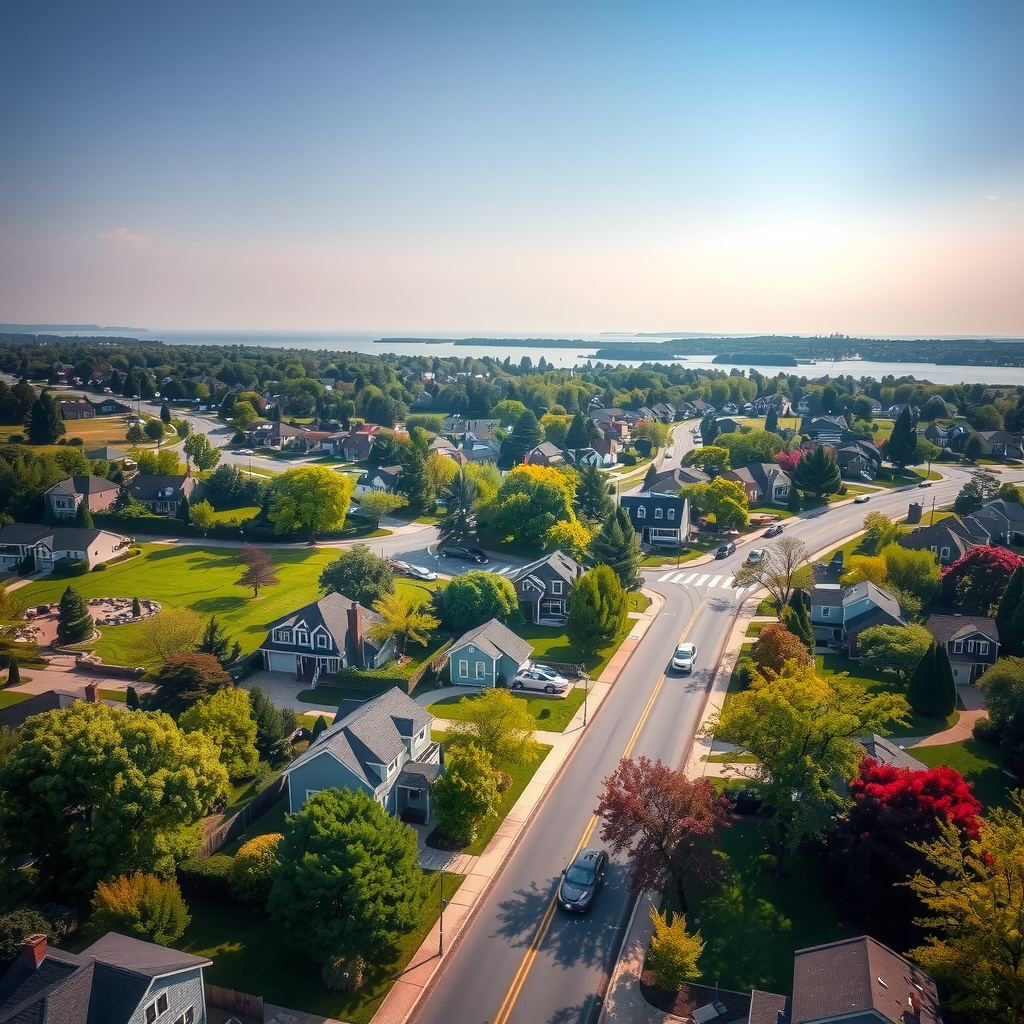
Because Rockshire is part of Rockville, it benefits from region-wide climate resilience planning and environmental initiatives coordinated by Montgomery County and the City of Rockville. Residents and businesses can consult local resources such as the Montgomery County Office of Emergency Management and Homeland Security for guidance on weather preparedness, and property owners frequently review stormwater guidelines via the City of Rockville Stormwater Management pages. These programs emphasize practical steps—maintaining rain gardens, clearing drains, and choosing drought-tolerant landscaping—that help neighborhoods like Rockshire adapt to heavier rain events and increasingly variable seasonal conditions.
Rockshire’s geography also contributes to its sense of place through parks and natural corridors woven into the residential fabric. Nearby public spaces such as Woottons Mill Park and city-maintained greenways provide accessible routes for walking, running, and biking, often connecting back to Rockville’s extensive network of trails and recreational facilities. These natural assets are part of what makes Rockshire appealing to families and outdoor enthusiasts; they create informal social hubs where neighbors meet while watching youth sports, walking dogs, or enjoying unstructured playtime. Over time, these everyday interactions help sustain community bonds that might otherwise be challenged by the region’s high mobility and demanding professional schedules.
When discussing Rockshire’s founders, it is important to acknowledge both the individuals and institutions that contributed to the neighborhood’s identity. Original homeowners brought diverse professional backgrounds, but they often shared a commitment to civic engagement—serving on PTA boards, volunteering with local charities, and participating in Montgomery County advisory committees. Rockville’s municipal government supported this energy by formalizing neighborhood association structures and by providing communication channels through city newsletters and public hearings. At the same time, philanthropic and cultural institutions developed in Rockville’s core, offering theater, libraries, and historical resources that residents of Rockshire enjoy today. The synergy between local initiative and regional support is part of what gives the neighborhood resilience, even as demographics shift and new residents arrive.
The broader historical context includes Rockville’s recognized historic landmarks, which underline the city’s evolution from a small town to a regional center. Residents interested in the area’s heritage often explore the Maryland Historical Trust’s National Register of Historic Places listings and visit local sites administered by the Rockville Historic Preservation Commission. Understanding this history gives Rockshire residents a deeper sense of how their neighborhood fits within the long narrative of Montgomery County, from early agricultural settlements through the suburban boom and into today’s era of transit-oriented development and technological employment. This perspective is useful for homeowners considering long-term investments, as it highlights the continuity and adaptability that characterize successful suburban communities.
For businesses evaluating Rockshire as a service area, geography and climate combine to define operational opportunities. The neighborhood’s location provides efficient access to major roads, making it practical for service-based companies to schedule high volumes of daily calls. Seasonal weather patterns suggest peak periods for certain services—for instance, spring and fall are common times for exterior maintenance, while summer heat and winter storms drive demand for HVAC and safety inspections. Understanding these environmental rhythms allows local entrepreneurs to align staffing, inventory, and marketing with predictable cycles in resident needs. Moreover, the neighborhood’s strong school system and family focus create an environment where trust and reputation carry particular weight, influencing which service providers become long-term fixtures in the community.
Overall, Rockshire’s story blends the history of Rockville’s growth, the intentions of early developers and founding residents, and the specific geographic and climatic conditions of central Montgomery County. The result is a neighborhood that is deeply suburban in form but closely tied to regional economic and cultural currents, offering both residents and businesses a stable platform from which to participate in the wider Washington metropolitan area. For those considering Rockshire as a place to live or invest, understanding this foundation helps explain why the neighborhood remains attractive decade after decade, even as housing styles evolve and transportation technologies advance.
Rockshire & Rockville Economy, Employment, and Local Favorite Businesses
Rockshire’s economic life is tightly intertwined with that of Rockville and the greater Montgomery County region, which collectively support a robust mix of government, technology, healthcare, education, and professional services. Residents of Rockshire typically commute to employment centers along the Interstate 270 corridor, including federal facilities such as the National Institute of Standards and Technology (NIST), research campuses in the Shady Grove area, and office parks that house software companies, consulting firms, and life sciences organizations. This proximity to diverse employment clusters has helped Rockshire maintain strong household income levels and low unemployment, reinforcing its reputation as a stable, middle-to-upper-middle-income neighborhood where professionals and families can put down roots.
Montgomery County is widely recognized for its concentration of biotechnology and health-related industries, supported by institutions like the Food and Drug Administration (FDA) campus in nearby White Oak and the rich ecosystem of private firms that have grown up around federal research hubs. Rockville, in particular, has cultivated a business-friendly environment through organizations such as the Rockville Chamber of Commerce, which offers networking opportunities, advocacy, and training for local businesses. Rockshire residents benefit indirectly from these efforts, as the Chamber’s work strengthens employment prospects, nurtures small-business growth, and draws new investment into commercial corridors that are an easy drive from the neighborhood.
The local economy also leans on education and public-sector employment. The Montgomery County Public Schools (MCPS) system, accessible to Rockshire families, is one of the largest employers in the region, with thousands of teachers, administrators, and support staff. Nearby educational institutions such as Montgomery College in Rockville add additional jobs, while also providing workforce development programs and continuing education that help residents reskill or advance in their careers. These education-related roles contribute to economic resilience: even during periodic downturns, schools and colleges tend to remain steady employers, helping stabilize neighborhood incomes and local spending.
Professional services—law, accounting, engineering, and consulting—are another cornerstone of Rockville’s economic profile. Because Rockshire offers convenient access to downtown Rockville’s municipal buildings, courthouses, and transit connections, many professionals choose to live in the neighborhood while operating offices in the city core or nearby business districts. This pattern creates a virtuous cycle where household incomes feedback into local retail and service demand, supporting restaurants, shops, and specialized home-service providers. For example, legal professionals working near the Montgomery County Circuit Court might return in the evening to homes in Rockshire, bringing with them expectations for high-quality local amenities and reliable neighborhood services.
Retail and hospitality sectors present a complementary layer to Rockshire’s economic picture. While the neighborhood itself is primarily residential, adjacent areas of Rockville host shopping centers, independent restaurants, and larger retail chains that employ local residents and provide convenient access to goods. Rockville Town Square and surrounding corridors offer dining, entertainment, and boutique shopping, while larger centers close to MD-355 and I-270 house national brands. These commercial hubs are not just convenient for residents—they also provide steady employment opportunities for students, part-time workers, and those seeking flexible schedules. Many Rockshire households rely on a combination of these jobs, together with professional roles, to support multi-income family budgets.
The local economy is shaped by Montgomery County’s strategic planning for business growth, which includes targeted incentives and infrastructure improvements. Agencies such as the Montgomery County Business Resources office and the Montgomery County Economic Development Corporation promote the region to domestic and international investors, encourage entrepreneurship, and coordinate support for small businesses navigating licensing, financing, and marketing. Rockshire’s residents have access to these resources both as employees and as entrepreneurs, and many home-based or small commercial businesses leverage county programs to expand their offerings. This environment encourages service-intensive firms to grow, including those that focus on home maintenance, construction, and repair.
One illustrative example of how service businesses integrate into the Rockshire and Rockville economy is Neighborhood Garage Door Of Rockville, a local favorite among homeowners who value fast, reliable repairs. Though its branding highlights garage door work rather than painting services, the way the company operates mirrors the expectations residents might have for any trusted neighborhood contractor—whether they are searching online for a “painter near me,” an “exterior painter,” or an “interior painter” to handle renovation projects. Neighborhood Garage Door Of Rockville is located at 206 Congressional Ln #203, Rockville, MD 20852, and can be reached at (240) 940-7548. The company’s website, https://www.neighborhood-gds.com/, outlines its focus on garage door repair and maintenance for homeowners throughout Rockville and surrounding communities.
Since founding Neighborhood Garage Door Of Rockville in 2018, the team has completed more than 3,500 garage door repairs across Montgomery County, working on everything from snapped torsion springs in King Farm townhomes to off-track doors in Woodley Gardens two-car garages. Each service call is documented with a written quote and a clear explanation of the work performed, reinforcing trust with Rockville and Rockshire homeowners who rely on their garage doors for secure parking and household storage. Every technician arrives in a fully stocked service truck carrying essential components—13-ball bearing nylon rollers, galvanized lift cables, torsion springs in multiple wire gauges, and replacement hardware compatible with LiftMaster, Chamberlain, Clopay, Amarr, and Wayne Dalton systems. By stocking trucks deliberately to handle the most common repairs on the first visit, the company reduces the need for return trips, a practice that acknowledges homeowners’ time constraints and underscores the importance of reliability in a competitive local service market.
Neighborhood Garage Door Of Rockville’s operational model illustrates broader economic themes in Rockshire and Rockville: residents prefer to work with service providers who invest in quality, efficiency, and transparency. Much like a well-regarded local painter who arrives with drop cloths, primer, and color-matched paints ready for both interior and exterior projects, garage door technicians must be prepared to diagnose issues quickly and complete repairs safely. This kind of readiness supports higher daily call volumes while maintaining satisfaction levels that translate into repeat business and word-of-mouth referrals. In neighborhoods like Rockshire, where homeowner pride in property appearance and functionality is high, such businesses become integral parts of the local economic ecosystem, supporting ancillary spending on other home improvement services and strengthening overall demand for skilled trades.
Employment trends in Rockshire reflect the broader demographic and occupational shifts seen across Montgomery County. Census data for Rockville indicate a highly educated population with a significant share of residents holding bachelor’s or advanced degrees, and Rockshire’s housing stock and school access align closely with these characteristics. Many households consist of professionals working in information technology, engineering, research, healthcare administration, and policy roles in Washington, DC and surrounding suburbs. Commuting patterns typically involve a mix of car travel on I-270, MD-355, and Wootton Parkway, as well as transit use via the Rockville and Twinbrook Metro stations on the Red Line. This range of commuting options supports a dynamic labor market in which residents can access jobs in multiple jurisdictions without leaving their preferred residential environment.
Rockville’s economic profile also includes a healthy share of small and mid-sized businesses that provide services directly relevant to Rockshire residents. These firms include independent medical practices, boutique fitness studios, home remodeling companies, and specialty retailers. Many interact with residents through local advertising, sponsorship of youth sports teams, and participation in community events organized by the Rockville Chamber of Commerce or neighborhood associations. Such engagement helps small businesses build brand recognition while strengthening the social fabric that binds Rockshire to the broader city. It also creates opportunities for local employment in roles that range from front-desk staff and technicians to marketing specialists and operations managers.
From an economic development perspective, Rockshire is well positioned because it sits close to key growth nodes identified in county plans, such as the Rockville Metro station area, the Shady Grove Life Sciences Center, and the White Flint/North Bethesda corridor. Even though Rockshire maintains its primarily residential character, its residents are participants in these development narratives—they work in newly constructed laboratories, contribute to startups, and support retail expansions by their purchasing power. Montgomery County’s emphasis on transit-oriented development and mixed-use zoning near rail stations means that Rockshire households are within easy reach of new amenities and job opportunities, even as the neighborhood itself remains anchored by established housing and green spaces.
Local workforce programs play an important role in sustaining economic vitality. Residents and businesses can tap into initiatives managed by the WorkSource Montgomery organization, which coordinates job training, placement, and employer services across the county. These programs help residents who are transitioning between industries or reentering the workforce, providing guidance on resume preparation, interview skills, and credentialing in fields such as healthcare, IT, and skilled trades. For Rockshire, the availability of such resources supports both household financial stability and the capacity of local employers to find qualified staff, thereby reinforcing a resilient economic ecosystem.
The overall picture of the Rockshire and Rockville economy is one of diversity, resilience, and strong alignment with regional growth drivers. Government and research institutions lend stability; technology and life sciences firms offer innovation and high-wage employment; education and healthcare provide essential services while anchoring a large workforce; and small businesses like Neighborhood Garage Door Of Rockville fill critical niches in home and property maintenance. For residents and prospective investors, this mix translates into a neighborhood that is closely connected to opportunity while offering the advantages of a quieter, residential setting. Whether a household is searching for highly specialized medical care, a reliable home-service provider, or new career paths, Rockshire’s embeddedness in Rockville’s economic network ensures multiple overlapping options.
Looking forward, Rockshire’s economic prospects will continue to mirror those of its host city and county. As Montgomery County invests in transportation, digital infrastructure, and business-friendly policies, neighborhoods like Rockshire stand to benefit from improved commuting experiences, expanded local services, and rising employment opportunities. The presence of established, trusted service providers, from garage door repair specialists to general contractors and, potentially, painting and remodeling professionals, adds to the community’s attractiveness for homeowners who want to maintain or upgrade their properties. In this way, the economic story of Rockshire is not only about jobs and industries—it is also about the quality of everyday life, the reliability of local services, and the long-term value residents see in their investments.
Neighborhoods, Housing, Taxes, Schools & Local Clubs
Rockshire sits within a patchwork of prominent Rockville neighborhoods that collectively define the city’s residential landscape. While Rockshire itself is known for its established single-family homes, mature trees, and proximity to parks, it is bordered and complemented by communities such as Woodley Gardens, Fallsmead, and the broader Wootton High School cluster. Each of these neighborhoods has its own character and amenities, but they are interconnected through shared school boundaries, recreation facilities, and commuter routes. For residents and potential buyers, understanding how Rockshire relates to these surrounding areas can help clarify lifestyle choices, commute expectations, and long-term housing strategies. Mapping tools like Google Maps make it easy to explore Rockshire’s location in context, showing its quiet streets, local park access, and connections to nearby arterial roads.
Within Rockville, Rockshire is often recognized as part of the western residential belt that offers convenient access to I-270 and key east–west routes. Neighborhoods such as Woodley Gardens, immediately to the south and east, feature similar patterns of curving streets and cul-de-sacs, along with a mix of single-family homes and townhouses. Fallsmead, another nearby community, is known for its own community association and elementary school, adding to the sense of a cluster of family-oriented neighborhoods with strong educational anchors. Prospective residents can view these neighborhoods together using digital tools; for instance, Woodley Gardens on Google Maps and Fallsmead on Google Maps provide visual cues to road layouts, park locations, and walking connections between areas.
Rockshire’s housing stock is primarily composed of single-family detached homes, many built during the latter half of the twentieth century. Architectural styles often include traditional two-story colonials, split-level homes, and ramblers, reflecting popular design trends during the period of suburban expansion. Lots tend to be of moderate size, large enough to accommodate yards suitable for children’s play, gardening, and outdoor entertaining, but compact enough to support a cohesive neighborhood feel where homes are within easy walking distance of one another. Over time, homeowners have updated properties with modern kitchens, energy-efficient windows, and enhanced outdoor spaces, while preserving the fundamental character that makes Rockshire recognizable.
Housing market trends in Rockshire generally mirror those of Rockville and Montgomery County, which have experienced steady demand due to strong employment centers, quality schools, and desirable suburban amenities. Median home prices in Rockville are typically above national averages, reflecting the region’s high household incomes and limited land for new single-family development. Within Rockshire, prices vary according to home size, condition, and specific street location, but the neighborhood’s reputation for stability and school access tends to support solid resale values. Prospective buyers should consult up-to-date market reports from regional real estate organizations, while also reviewing public data on property assessments and tax rates available through the Montgomery County Department of Finance and the Maryland Department of Assessments and Taxation.
Property taxes are a critical consideration for Rockshire homeowners, as they influence monthly mortgage payments and long-term housing costs. Montgomery County levies property taxes that support schools, public safety, parks, and other services, and these rates are adjusted periodically by county authorities. Rockville residents can view detailed tax information—including rates, assessments, and billing practices—through the county’s online portals and printed documentation. In addition, homeowners often review assessment histories and appeal procedures, especially when home values rise and tax bills increase. The combination of county, city, and state taxes makes it important to look beyond the purchase price of a home and consider ongoing costs; fortunately, the public information provided by tax offices allows prospective buyers and existing homeowners to make informed decisions.
Rental housing in Rockshire is less common than owner-occupied properties, but the broader Rockville area offers a mix of apartments, townhome rentals, and single-family homes available for lease. Some Rockshire homeowners choose to rent out properties when relocating temporarily, while others pursue long-term investment strategies that include residential leasing. Rent levels in Rockville typically reflect the region’s high demand, with prices rising in highly sought-after school clusters and neighborhoods close to transit and employment centers. Tenants and landlords can consult market data via regional housing reports and federal resources such as the U.S. Department of Housing and Urban Development’s Fair Market Rents to gain a clearer picture of expectations. Understanding rental dynamics can be useful even for owner-occupants, as it helps them assess neighborhood stability and future resale potential.
Rockshire’s appeal is closely tied to access to high-performing public schools within the Montgomery County Public Schools system. Families moving into the neighborhood often prioritize school quality, and MCPS is known for strong academic offerings, advanced placement programs, and robust extracurricular activities. While specific boundaries are subject to change through periodic review by the school district, Rockshire has traditionally been associated with nearby schools such as Fallsmead Elementary, Julius West Middle School, and Thomas S. Wootton High School. Prospective residents should always verify the latest boundary maps and assignments through the Montgomery County Public Schools website, which provides school profiles, performance data, and detailed geographic assignment tools.
Preferred school systems extend beyond individual campuses, encompassing the overall MCPS framework of magnet programs, language immersion options, and special education services. Families in Rockshire have access to regional programs that may involve transportation outside the immediate neighborhood, such as science and technology magnet tracks or advanced arts offerings at designated schools. This broader network allows students to pursue specialized interests while remaining anchored in a neighborhood known for strong local options, creating a balance between convenience and opportunity. For detailed school performance metrics, parents can consult resources like the Maryland School Report Card, which aggregates academic and climate data across public schools.
Local clubs and organizations add a civic dimension to Rockshire and Rockville, giving residents multiple avenues for volunteerism, leadership, and social engagement. Service clubs such as Rotary, Lions, and Moose have long histories within the region, and members from Rockshire often travel a short distance to participate in meetings and events held at nearby lodges and clubhouses. For example, the Rotary Club of Rockville, Maryland meets in the Rockville area and is part of Rotary International District 7620, providing opportunities for business networking, community service projects, and international outreach. Lions Club activities are coordinated through regional entities such as the Lions Clubs International District 22-C, with local chapters serving communities across Montgomery County and offering vision screenings, youth programs, and charitable fundraisers.
Moose lodges provide another form of community engagement, with facilities that often host social events, charitable drives, and family-oriented activities. While there may not be a Moose lodge directly within Rockshire’s boundaries, nearby lodges in Montgomery County and adjacent jurisdictions are readily accessible to residents via major roads. Membership in these organizations typically involves dues and participation in service projects, and many residents appreciate the structured opportunities to give back to the community. Importantly, these clubs often partner with schools, nonprofits, and local government agencies to address needs ranging from food insecurity to scholarship support, demonstrating the interconnectedness of civic organizations and neighborhood well-being.
Beyond formal clubs, Rockshire is influenced by homeowners’ associations and neighborhood groups that coordinate block parties, seasonal events, and local initiatives such as yard sales and beautification projects. While structures differ from one street or section to another, many residents participate in email lists, social media groups, or online forums that serve as informal neighborhood hubs. These platforms allow households to share information about city services, school updates, and recommendations for trusted contractors—including painters, landscapers, and home repair specialists. The resulting web of relationships helps maintain a sense of trust and reciprocity within Rockshire, further enhancing the neighborhood’s appeal as a long-term home.
For prospective residents, exploring Rockshire and its neighboring communities via digital maps and official resources can provide valuable context. A typical discovery process might involve viewing Rockshire’s boundaries on Google Maps, checking school assignments on the MCPS website, reviewing property tax implications through county and state portals, and scanning local club websites for opportunities to engage. This multi-channel research approach reflects the modern reality of housing decisions, where buyers weigh not only home prices and commute times but also community networks, school quality, and long-term civic infrastructure. Rockshire, with its strong combination of established homes, tax transparency, and school access, positions itself well within this framework.
Ultimately, the story of places in and around Rockshire revolves around the interplay between physical spaces and social structures. Housing choices are shaped not only by architectural style and price but also by the strength of surrounding schools, the vibrancy of local clubs and organizations, and the reliability of municipal services that sustain daily life. Rockshire’s position within Rockville offers a particularly appealing balance of quiet residential streets, well-regarded school options, accessible taxes and property records, and rich opportunities for civic engagement. Whether you are a family seeking a long-term home, an individual evaluating a move to the Washington metropolitan region, or a local business looking to understand your customer base, examining Rockshire through the lens of neighborhoods, housing, schools, and clubs provides a comprehensive perspective.
- Use county tax tools via the Montgomery County Department of Finance to estimate property tax obligations.
- Verify school assignments and performance through the Montgomery County Public Schools website and Maryland School Report Card.
- Explore neighborhood layouts and distances using Google Maps and satellite views for Rockshire and adjacent communities.
- Consider joining civic service organizations such as Rotary or Lions to connect with wider Rockville and Montgomery County initiatives.
Community Attractions, Events, Recreation & Cultural Life
Community life in Rockshire is enriched by a broad array of attractions, events, and recreational resources anchored in Rockville and Montgomery County. While Rockshire itself is primarily residential, its location places residents within easy reach of historic sites, cultural venues, and regional attractions that support a vibrant daily and seasonal rhythm. Many families and individuals look beyond their immediate street grid to nearby parks, downtown squares, and cultural institutions that collectively define what it means to live in Rockville. For Rockshire, these resources are integral to neighborhood identity, offering outlets for learning, entertainment, and social connection that complement the quiet and privacy of tree-lined suburban streets.
One of the most visible community attractions is Rockville Town Square, a mixed-use hub with restaurants, shops, public art, and a central plaza that hosts events throughout the year. Rockshire residents often drive or bus to the square for dining, weekend outings, and seasonal celebrations. The square frequently serves as the setting for concerts, outdoor movies, and holiday festivities, making it a focal point of civic and cultural life for the broader Rockville area. For more information about city events held at Rockville Town Square and adjacent civic spaces, residents can consult the City of Rockville official events calendar, which lists cultural, recreational, and public meetings.
Historic attractions add depth to community experience, reminding residents of Rockville’s longstanding role in Maryland’s development. Sites recognized through the Maryland Historical Trust’s National Register of Historic Places and local registers include historic homes, churches, and civic buildings within and near Rockville’s core. Rockshire residents may visit these landmarks during self-guided walking tours or organized events, learning how early settlement patterns and transportation corridors laid the foundation for present-day neighborhoods. The Rockville Historic Districts and individual properties are often highlighted by the Rockville Historic Preservation Commission, which coordinates interpretive materials and preservation guidelines.
Community attractions also include museums and educational facilities that cater to a range of interests. Residents can explore regional history and culture through venues such as the Montgomery History organization, which maintains a campus in Rockville and offers exhibits, lectures, and archival resources. Science and technology intrigue many Rockshire families, who may make regular visits to federal and private attractions, including nearby science museums and event series hosted by institutions like NIST and local colleges. These experiences support lifelong learning and make Rockshire an appealing home base for curious residents who appreciate ready access to educational resources.
Recreation and outdoor activities are central to daily life for Rockshire households, and Rockville’s extensive parks and trail system provides ample opportunities for movement and connection. Neighborhood parks close to Rockshire, such as Woottons Mill Park and Woodley Gardens Park, feature ball fields, courts, playgrounds, and walking paths that serve residents of all ages. These facilities are maintained by the City of Rockville Department of Parks and Recreation, which oversees programming ranging from youth sports leagues to adult fitness classes. Residents can review park locations, amenities, and program schedules on the department’s website and often register for activities online, making participation convenient.
Beyond neighborhood parks, Rockshire residents enjoy easy access to regional trail networks and larger recreational areas. The Rock Creek Trail corridor, for example, offers miles of paved and natural surface routes for biking, running, and walking, passing through Rockville as part of a larger system linking multiple jurisdictions. Close proximity to these trails encourages active commuting and weekend explorations, and many residents develop personal routines that include early morning jogs or family bike rides. For information about trail conditions, maps, and rules, residents can consult Montgomery County’s official parks authority via the Montgomery Parks website, which provides detailed resources on park locations, events, and natural features.
The community calendar in Rockville includes a rich mix of annual and recurring events that shape cultural identity and bring residents together. Among the most notable is the Hometown Holidays Music Fest and Memorial Day Parade, which typically takes place in downtown Rockville and draws visitors from across the region. Rockshire residents often attend these events as participants or spectators, enjoying live music, food vendors, and civic ceremonies honoring military service. The city’s website provides dedicated information about Hometown Holidays; residents can review dates and schedules via the Hometown Holidays Music Fest page.
Another key seasonal attraction is the Rockville Summer Concert Series, which offers outdoor performances at city parks and public plazas during the warmer months. Rockshire households can plan regular outings to these concerts, picnicking on lawns and socializing with friends and neighbors while listening to local and regional performers. Events like these contribute to a sense of shared experience and foster community pride. For details, the Rockville events calendar lists concert dates, performers, and locations, ensuring that residents can weave cultural experiences into their weekly routines.
Rockville’s community life is further shaped by various festivals and cultural celebrations that reflect the region’s diversity. Multi-cultural fairs, food-focused events, and arts festivals provide venues for local artists, vendors, and community groups to share their work and perspectives. Rockshire residents benefit from these activities both as attendees and as volunteers or participants, gaining exposure to different cultures and traditions that enrich neighborhood life. The city’s recreation department and civic organizations often collaborate to host such events, ensuring that programming remains inclusive and representative of Montgomery County’s varied population.
Regular local events extend beyond annual festivals to include recurring activities such as farmers markets, library programs, and sports leagues. While Rockshire may not host a major farmers market within its immediate boundaries, residents can easily reach markets in Rockville, where local growers and producers sell fresh produce, baked goods, and crafts. Libraries such as the Rockville Memorial Library offer story times, workshops, and lectures that support community knowledge and literacy. Youth sports leagues, ranging from soccer and baseball to swimming and tennis, operate through city and county parks programs, giving children structured opportunities for physical activity and teamwork.
For Rockshire residents, participation in community attractions and events is often enhanced by neighborhood-level initiatives. Block parties, holiday decoration contests, and informal gathering traditions—such as summer barbecue nights or winter hot chocolate gatherings—add micro-level texture to the broader calendar of city events. These smaller-scale activities are usually organized through neighbor networks, email lists, or social media groups, and they contribute to long-term relationships that persist even as households move or new residents arrive. In this way, community life in Rockshire is both formally organized and organically emergent, combining institutional events with grassroots initiatives.
Recreation opportunities also extend indoors via facilities like community centers and gyms. Rockville maintains community centers with multipurpose rooms, fitness equipment, and event spaces, and Rockshire households often drive a short distance to use these amenities. Private gyms and studios, located along major corridors, offer scheduled classes and membership options for those seeking structured exercise. Combined with outdoor parks and trails, these facilities ensure that residents can maintain active lifestyles year-round, regardless of weather conditions. Information about city-run centers and their programs is available through the parks and recreation department’s website, where residents can explore options ranging from senior wellness programs to youth camps and special events.
Cultural and annual events play a particularly important role in shaping Rockville’s—and by extension, Rockshire’s—sense of identity. They create shared reference points that residents discuss with newcomers, remember fondly over time, and sometimes organize their own schedules around. Whether it is the annual Memorial Day parade, a winter tree-lighting ceremony, or recurring concerts and art shows, these events anchor memories and give community life continuity. For Rockshire households, being part of a city that invests in such programming reinforces the feeling that they are not just living on a particular block but participating in a broader civic narrative.
Digital tools and communications have expanded how residents engage with community attractions and events. The City of Rockville uses its official website and social media channels to share event announcements, registration links, and last-minute updates, while residents often rely on email newsletters and neighborhood groups for more localized information. Rockshire-specific conversations may occur on community forums or private social networks, where neighbors coordinate carpools, share tips on the best viewing spots for parades, or organize group attendance at concerts and festivals. This digital layer increases accessibility, ensuring that busy households can stay informed without needing to track multiple physical bulletin boards or printed flyers.
Ultimately, the community and cultural life associated with Rockshire is defined by variety and accessibility. Residents can choose between quiet evenings in nearby parks, lively weekends at downtown festivals, educational outings to museums, and structured recreation through city and county programs. Seasonal events provide rhythm and anticipation, while recurring activities ensure that there is always something to participate in, regardless of time of year. For families, individuals, and retirees alike, Rockshire’s connection to Rockville’s attractions and events means that living in the neighborhood offers more than a home—it provides a gateway to a wide array of experiences that contribute to a full and engaging life.
Media, Utilities, Public Safety, Transportation, Technology, Government & Community Services
Rockshire’s quality of life depends not only on its housing and community attractions but also on a robust network of media, utilities, public safety, transportation, technology, and governmental services that keep daily life running smoothly. As part of Rockville and Montgomery County, the neighborhood benefits from well-developed infrastructure and institutional capacity, ensuring that residents can access information, essential services, and emergency support when needed. Understanding this ecosystem helps households make informed decisions, whether they are selecting utility providers, planning commutes, or engaging with local government.
Local media and news outlets form a foundational layer of community awareness. Rockshire residents can obtain news from regional newspapers such as The Washington Post, which covers national, regional, and local stories, and from specialized outlets that focus more narrowly on Montgomery County and Rockville. The Montgomery Community Media platform offers community-focused reporting, video content, and public affairs programming, highlighting events, public policy debates, and neighborhood stories across the county. Radio listeners may tune in to local stations like WAMU 88.5, a public radio outlet, for regional coverage, as well as commercial stations that provide traffic updates, weather alerts, and entertainment. Together, these media sources give Rockshire households multiple channels for staying informed about city council decisions, school updates, road conditions, and cultural events.
Utilities and infrastructure are managed through a combination of municipal, county, and private entities. Water and sewer services for Rockshire residents are typically provided by the Washington Suburban Sanitary Commission (WSSC Water), which handles water supply, wastewater treatment, and infrastructure maintenance across much of Montgomery and Prince George’s Counties. Electric power is often delivered by utilities such as Pepco, with service lines and substations integrated into the broader grid serving the Washington metropolitan region. Natural gas, where available, may be supplied by companies like Washington Gas. These providers maintain online portals where residents can pay bills, report outages, and review energy usage, which is increasingly important for households interested in efficiency and sustainability.
Waste management and recycling services add another critical dimension to infrastructure. Montgomery County operates comprehensive programs for trash collection, recycling, and yard waste, with Rockville coordinating local schedules and requirements. Residents can consult the county’s Department of Environmental Services – Solid Waste for guidance on collection days, accepted materials, and special services such as bulk pickup and household hazardous waste disposal. These programs help keep neighborhoods clean, reduce landfill use, and encourage environmental stewardship. Rockshire households play an active role by sorting recyclables, placing carts at the curb on designated days, and participating in county initiatives aimed at reducing waste.

Public safety and healthcare services are essential to Rockshire’s stability and residents’ peace of mind. Law enforcement is provided primarily by the Rockville City Police Department within city limits, working in coordination with the Montgomery County Police Department for countywide matters. Patrols, traffic enforcement, and community policing initiatives help maintain safe streets, and residents can access resources such as crime prevention tips and neighborhood watch support through official websites. Fire protection and emergency medical services fall under the jurisdiction of the Montgomery County Fire and Rescue Service, which staffs stations throughout Rockville and surrounding areas. Rockshire residents can trust that trained professionals respond to fires, medical emergencies, and rescue incidents, supported by strong regional coordination and training.
Healthcare access is similarly robust. Rockville and nearby communities host numerous clinics, primary care practices, and specialist offices, including major facilities like Adventist HealthCare Shady Grove Medical Center, located a short drive from Rockshire. Residents can seek emergency care, inpatient services, and outpatient treatment at such hospitals, as well as preventative and routine care at smaller practices and urgent care centers distributed throughout the area. Montgomery County’s Department of Health and Human Services provides additional public health resources, including immunization clinics, behavioral health programs, and health education initiatives. Combined, these systems ensure that Rockshire households have access to both routine and specialized care, reinforcing neighborhood well-being and resilience.
Transportation and accessibility play a central role in Rockshire’s functionality as a residential neighborhood with strong connections to employment centers and amenities. The road network around Rockshire includes local streets feeding into Wootton Parkway and other arterial routes that connect quickly to Interstate 270 and Maryland Route 355 (Rockville Pike). These highways form part of the broader Washington metropolitan transportation grid, allowing residents to commute to Rockville’s downtown, Bethesda, and Washington, DC. For information on state highways and traffic conditions, residents can consult the Maryland State Highway Administration and, for local traffic alerts, county and city communications.
Public transit options supplement car travel and enhance accessibility for Rockshire households. The Washington Metropolitan Area Transit Authority (WMATA) operates the Metro Red Line, with nearby stations at Rockville and Twinbrook providing rail connections to downtown DC, Silver Spring, and other hubs. Montgomery County’s Ride On bus system serves Rockville with multiple routes, including ones that pass near Rockshire and connect to Metro stations, shopping centers, and employment districts. Residents can review timetables, route maps, and service alerts online, using digital apps and tools to plan commutes and manage transfers. Transit use supports sustainable transportation patterns and offers alternatives for households that prefer not to rely exclusively on automobiles.
Active transportation—walking and biking—is encouraged by Rockville’s network of sidewalks, trails, and bike lanes. Rockshire’s local streets, with their residential character and modest traffic volumes, often serve as comfortable routes for walkers and cyclists, leading to larger corridors where dedicated infrastructure improves safety. Rockville has pursued policies to enhance bike and pedestrian connectivity, including crosswalk improvements, trail expansions, and safety campaigns. Information about these initiatives, as well as maps of bike routes and pedestrian paths, can be found through the city’s transportation pages and the county’s planning department. For residents, these efforts translate into practical options: walking to parks, biking to downtown, and incorporating physical activity into daily travel routines.
Technology and digital connectivity complement physical infrastructure, shaping how Rockshire residents work, learn, and communicate. Internet and telecommunications services are provided by multiple private companies, including major national brands offering broadband, fiber-optic connections, and wireless coverage. The high demand for reliable connectivity in the Washington region, driven by telework, online learning, and streaming, has encouraged providers to invest in network upgrades and redundancy. Households in Rockshire typically have access to high-speed internet options suitable for remote employment, virtual meetings, and online schooling. Wireless networks and community Wi-Fi initiatives further expand access, particularly in public spaces such as libraries and city facilities.
Montgomery County and Rockville have also explored elements of “smart city” programming, using data and technology to improve service delivery and transportation management. These efforts can include real-time traffic monitoring, digital permitting systems, and online platforms that allow residents to report issues such as potholes or malfunctioning streetlights. Rockshire households benefit from these efficiencies, as faster responses to infrastructure concerns and improved planning lead to smoother daily experiences. For example, residents can sometimes track snow removal progress or receive alerts about construction projects that may affect local travel. Digital tools integrated into city governance create more transparent and responsive systems that align with the expectations of a highly connected population.
Local government and services are coordinated through multiple layers, with Rockville handling city-level matters and Montgomery County overseeing countywide responsibilities. Rockville’s municipal government, accessible via the official city website, manages services such as local road maintenance, parks and recreation, city planning, and police. The city council and mayor set policy directions, hold public meetings, and respond to resident concerns, often inviting Rockshire residents to participate in hearings and advisory boards. Montgomery County government, detailed at montgomerycountymd.gov, oversees broader functions like countywide public safety, social services, and health programs. State and federal governments add additional layers for matters such as education policy and environmental regulation.
Public libraries provide key cultural and educational services for Rockshire residents. The Montgomery County Public Libraries system operates branches in Rockville and throughout the county, offering book lending, digital resources, community meeting spaces, and programming for children and adults. Rockshire households can access free Wi-Fi, computers, and technology training at these libraries, supporting digital inclusion and lifelong learning. Library events, ranging from author talks to STEM workshops for youth, offer low-cost opportunities for enrichment and social connection, complementing formal education and private recreation options.
Demographic information helps contextualize Rockshire within Rockville’s broader population. Rockville is home to a diverse community in terms of ethnicity, language, age, and occupation, and Rockshire reflects this diversity while retaining a strong family orientation. Residents can explore detailed demographic data using resources from the U.S. Census Bureau QuickFacts for Rockville, Maryland, which provide statistics on population size, age distribution, educational attainment, and income levels. These numbers underscore Rockville’s high proportion of college-educated residents, relatively low poverty rates compared with national averages, and significant representation of various racial and ethnic groups. Understanding this demographic profile can be useful for businesses assessing market potential and for community organizations planning targeted services.
Historic landmarks and cultural sites, while not located specifically on Rockshire’s streets, are accessible to residents and form part of the neighborhood’s cultural environment. The Maryland Historical Trust maintains the state register of historic places, listing properties and districts throughout the state, including Rockville-area sites. Residents can visit landmarks such as historic homes, churches, and civic buildings, learning about architectural styles and historical events that influenced the region’s development. Local museums and heritage organizations, such as Montgomery History, provide guided tours and educational programming that deepen understanding of these sites, reinforcing a sense of place and continuity for Rockshire households.
Community services and nonprofits contribute significantly to Rockshire’s social safety net and community cohesion. Montgomery County hosts numerous organizations focused on food security, housing assistance, health services, and educational support. For example, the Manna Food Center works to end hunger in the county by distributing food and coordinating programs that address root causes. Housing and shelter services are provided by organizations like Shepherd’s Table and local shelters, which assist individuals and families experiencing homelessness or housing instability. Rockshire residents may volunteer with these groups, donate supplies, or support them financially, linking neighborhood-level compassion with countywide initiatives.
Nonprofits focused on youth and education, such as after-school programs and tutoring services, also play a role in Rockshire’s ecosystem. These organizations partner with schools, community centers, and faith-based institutions to provide mentoring, enrichment activities, and academic support. Residents from Rockshire may participate as volunteers, board members, or beneficiaries, depending on their needs and capacities. The combined impact of these services helps ensure that children and teens have access to safe spaces, supportive adults, and structured activities outside school hours, reinforcing the neighborhood’s reputation as a family-friendly environment.
Environmental and advocacy nonprofits add another dimension, working on issues such as conservation, climate resilience, and civic participation. Groups may organize neighborhood clean-ups, tree-planting events, or informational sessions about sustainable living practices. Rockshire’s adjacency to parks and natural areas makes it a natural hub for such efforts, and residents who value outdoor spaces often engage with organizations that seek to protect and improve them. Participation in these initiatives strengthens social bonds and demonstrates the neighborhood’s commitment to long-term environmental stewardship.
Overall, the network of media outlets, utility providers, public safety departments, transportation agencies, technology infrastructure, governmental bodies, and nonprofit organizations surrounding Rockshire creates an environment where residents can live with confidence and convenience. They can access reliable electricity and water, efficient waste services, responsive police and fire protection, high-quality healthcare, diverse transportation options, robust digital connectivity, transparent government, and empathetic community support. For prospective residents and businesses considering Rockshire, this combination of services is a crucial component of the neighborhood’s value, complementing its housing, schools, and community attractions to form a comprehensive picture of daily life.
Contact Neighborhood Garage Door Of Rockville
Rockshire and Rockville homeowners looking for a trusted local provider to handle garage door repairs and maintenance can reach out directly to Neighborhood Garage Door Of Rockville. The company has built a reputation across Montgomery County for prompt, professional service and a commitment to completing repairs correctly on the first visit, supported by fully stocked service trucks and experienced technicians familiar with a wide range of garage door systems.
Name: Neighborhood Garage Door Of Rockville
Address: 206 Congressional Ln #203, Rockville, MD 20852
Phone: (240) 940-7548
Website: https://www.neighborhood-gds.com/
Homeowners can call the office during business hours to schedule same-day or next-day appointments for issues such as broken torsion springs, off-track doors, worn rollers, damaged lift cables, or malfunctioning openers. When you contact Neighborhood Garage Door Of Rockville, you can expect clear explanations of recommended repairs, written quotes outlining parts and labor, and technicians who arrive with the components needed to handle most common problems immediately. This approach is especially valuable for Rockshire residents who depend on their garage doors not only for vehicle storage but also for access to tools, recreational equipment, and household items.
For digital navigation and planning, you can view the business location on Google Maps at 206 Congressional Ln #203, Rockville, MD 20852. This mapping link helps you confirm drive times from Rockshire and other parts of Rockville, identify parking options, and visualize surrounding landmarks. While technicians typically come directly to your home for service calls, knowing the company’s physical location reinforces its local presence and accessibility.
If you are ready to request service, consider using the company’s website to submit an inquiry or call the office directly. For many homeowners, a phone call is the fastest way to discuss the symptoms of a garage door problem and determine whether an urgent visit is necessary. To streamline the process, have basic details available—such as the door’s approximate age, whether it is a single or double door, and any recent changes in operation, like unusual noises or difficulty opening or closing. Clear information allows the team to anticipate which parts and tools will be needed, supporting their focus on completing repairs in a single trip whenever possible.
Residents comparing home-service providers across Rockville can think of Neighborhood Garage Door Of Rockville in the same category as highly regarded local painters, roofers, or landscapers. Just as a reliable “painter near me” builds trust by protecting furnishings, delivering crisp lines, and finishing projects on schedule, garage door technicians earn confidence by working safely with high-tension components, verifying balance and alignment, and cleaning up after work is complete. If your broader home improvement plans for your Rockshire property include exterior updates, interior painting, and mechanical repairs, it often makes sense to coordinate schedules among contractors, ensuring that garage door work is planned around other projects and access needs.
To make it easy to act, use the direct call link below to connect with Neighborhood Garage Door Of Rockville and schedule an appointment:
Call Neighborhood Garage Door Of Rockville
Keeping contact information handy—whether in your phone, on a household reference sheet, or bookmarked in your browser—ensures that you can respond quickly when a garage door issue arises. For Rockshire residents, working with a local company that understands the neighborhood’s homes, typical door configurations, and common usage patterns can make the difference between a stressful disruption and a smooth repair experience.