About Hollyville, Delaware
Hollyville, Delaware is a small unincorporated community in Sussex County that captures much of what people love about the coastal mid-Atlantic: a slower pace of life, strong ties between neighbors, and easy access to beaches, farms, and historic towns. While Hollyville itself is compact, it is closely tied to nearby hubs such as Millsboro, Georgetown, and the resort communities along Delaware’s Atlantic shoreline. Residents often describe the area as “close to everything, but just far enough away” to enjoy peace and quiet, starry skies, and the sounds of crickets and frogs on summer nights.
The name Hollyville hints at an earlier era when holly trees and mixed hardwood forests were more continuous across this part of Sussex County. Historically, the community grew up along rural crossroads that connected farms with mills, canneries, and small trading centers. Even today, driving in from the surrounding highways, visitors quickly transition from faster-moving traffic to narrower country roads that wind past farm fields, modest subdivisions, and stands of pine and oak. It is common to see roadside produce stands in warmer months and to share the road with tractors and farm equipment at certain times of year.
The wider region that includes Hollyville sits in one of the oldest-settled parts of the United States. Delaware’s colonial history dates back to the early 1600s, when Dutch, Swedish, and later English settlers vied for control of the Delaware Bay and its fertile hinterlands. Sussex County gradually filled with a patchwork of small farms, timber operations, and coastal trading ports. Hollyville’s roots lie in that long rural history: families cleared and worked the land, often staying for generations, and many present-day residents can trace local connections that go back decades or more.
Because Hollyville is unincorporated and relatively small, it did not develop the kind of formal city charter, courthouse square, or downtown grid that define larger Delaware towns such as Millsboro or Georgetown. Instead, local identity has grown organically around community churches, volunteer organizations, nearby schools, and shared experience of the landscape. The absence of an urban core is part of the appeal for those who seek a relief from denser development at the beaches while still remaining only a short drive away from shopping, healthcare, and entertainment.
Founders in a place like Hollyville are often less a specific group of names than a succession of farming families, craftspeople, and small business owners who shaped the land and social fabric over time. Early land patents in Sussex County were frequently held by settlers of English or Scots-Irish heritage, though the region’s history also includes Indigenous Nanticoke peoples and, later, African American communities whose contributions are woven into local culture. As agriculture modernized and tourism along the coast expanded, newer residents arrived from other parts of Delaware, Maryland, Pennsylvania, and New Jersey, bringing additional skills and perspectives while still adopting the quiet rhythms of rural life.
Oral histories from Sussex County often recall founders not only as landowners but as people who created institutions: a congregation that built a church, a storekeeper who opened a general store at a crossroads, or a teacher who pushed for a one-room schoolhouse to serve scattered farms. In the Hollyville area, such informal founders helped anchor community life even when official municipal boundaries did not exist. Their legacy is visible today in the array of churches, granges, auxiliary fire halls, and civic clubs spread across the surrounding countryside.
Over time, Hollyville has evolved from an almost purely agricultural settlement into a mixed rural–residential area. Some residents continue to work in crop farming, poultry production, landscaping, or related trades, while others commute to jobs in retail, healthcare, construction, and hospitality in nearby towns. The ability to live in a quieter environment while still being within reach of employers, schools, and major roadways has drawn families, retirees, and remote workers who appreciate the balance between connection and solitude.
Geographically, Hollyville lies within the Atlantic Coastal Plain, a low-lying region characterized by sandy soils, gentle topography, and a network of creeks and drainage ditches that ultimately flow toward the Indian River Bay and other nearby estuaries. Elevation changes are subtle, and much of the land has been cleared for agriculture or residential use, but wooded patches, wetlands, and small ponds still punctuate the landscape. These natural features provide habitat for deer, foxes, waterfowl, and a variety of songbirds, adding to the sense of living close to nature.
The soils in this part of Sussex County are typically well-drained sandy loams, which historically supported crops like corn, soybeans, and vegetables, as well as pasture for poultry and livestock. In recent decades, some former farm parcels have transitioned into residential subdivisions and hobby farms, but the underlying agricultural character remains strong. Conservation programs and best-management practices promoted by agencies such as the Delaware Department of Agriculture encourage landowners to balance productivity with soil and water protection, an important consideration in a region with shallow groundwater and proximity to sensitive coastal bays.
Hydrologically, Hollyville is influenced by its closeness to Delaware’s inland bays and the Atlantic Ocean. Rainfall infiltrates quickly into the sandy soils, replenishing aquifers that supply private wells and public water systems. Drainage ditches and small streams move excess water away from low-lying fields, but localized ponding can still occur during heavy downpours or nor’easter storms. Maintaining roadside ditches, culverts, and natural wetlands is essential to handling stormwater and minimizing erosion, especially as new homes and driveways add impervious surfaces to the area.
Climate plays a central role in daily life and in decisions about housing, landscaping, farming, and business operations in Hollyville. Sussex County experiences a humid subtropical climate, with four distinct seasons but relatively mild winters compared to more inland parts of the mid-Atlantic. Summers tend to be warm and humid, with daytime highs frequently in the 80s and lower 90s Fahrenheit, especially in July and August. Coastal breezes provide some relief, but humidity can be persistent, encouraging abundant plant growth—and, for property owners, the moss and mildew that come with it.
Spring in Hollyville usually arrives gradually, with daffodils and flowering trees appearing in March and April and farm fields greening up shortly thereafter. It is a season of preparation for both farmers and homeowners: fields are tilled and planted, garden beds are refreshed, and outdoor equipment is brought back into service. Occasional late-season frosts are a reminder to residents to watch regional forecasts carefully, using resources such as the National Weather Service Mount Holly office and local extension agents when planning crops or sensitive plantings.
Summer weather is dominated by warm, moist air masses that can generate pop-up thunderstorms in the afternoons along with periods of extended heat. Residents often plan outdoor work and recreation for the morning and evening hours to avoid the most intense midday sun. The combination of warmth and humidity creates a lush growing environment for lawns, shrubs, and trees, but it also encourages mold, algae, and mildew on home exteriors, decks, and sidewalks. This is one reason exterior maintenance and pressure washing play an important role in neighborhood upkeep.
Autumn is widely regarded as one of the most pleasant times of year in the Hollyville area. Daytime temperatures moderate into the 60s and 70s, humidity decreases, and farm harvests reach their peak. Fields turn golden as corn and soybeans dry down, roadside stands offer pumpkins and apples, and local events celebrate the harvest season. This shoulder season also appeals to retirees and second-home owners who prefer quieter roads and milder weather after the peak beach crowds have departed.
Winters in Hollyville are relatively mild compared to more northerly latitudes. While cold snaps do occur and occasional coastal storms can bring snow or icy conditions, many days remain above freezing, and extended snow cover is uncommon. Residents still need to be prepared for freezing rain and wind, especially given the open, flat nature of the landscape, but the overall climate allows for a longer growing season and more year-round outdoor activity than in many interior regions.
Because of its proximity to the coast, Hollyville is periodically affected by tropical systems and nor’easters that track up the eastern seaboard. These storms can bring heavy rainfall, gusty winds, and localized flooding, particularly in low-lying areas and along drainageways. Residents rely on storm updates from the Delaware Emergency Management Agency and county emergency operations centers to prepare for stronger events, tying down outdoor equipment, clearing gutters and ditches, and making sure backup power options and supply kits are in place.
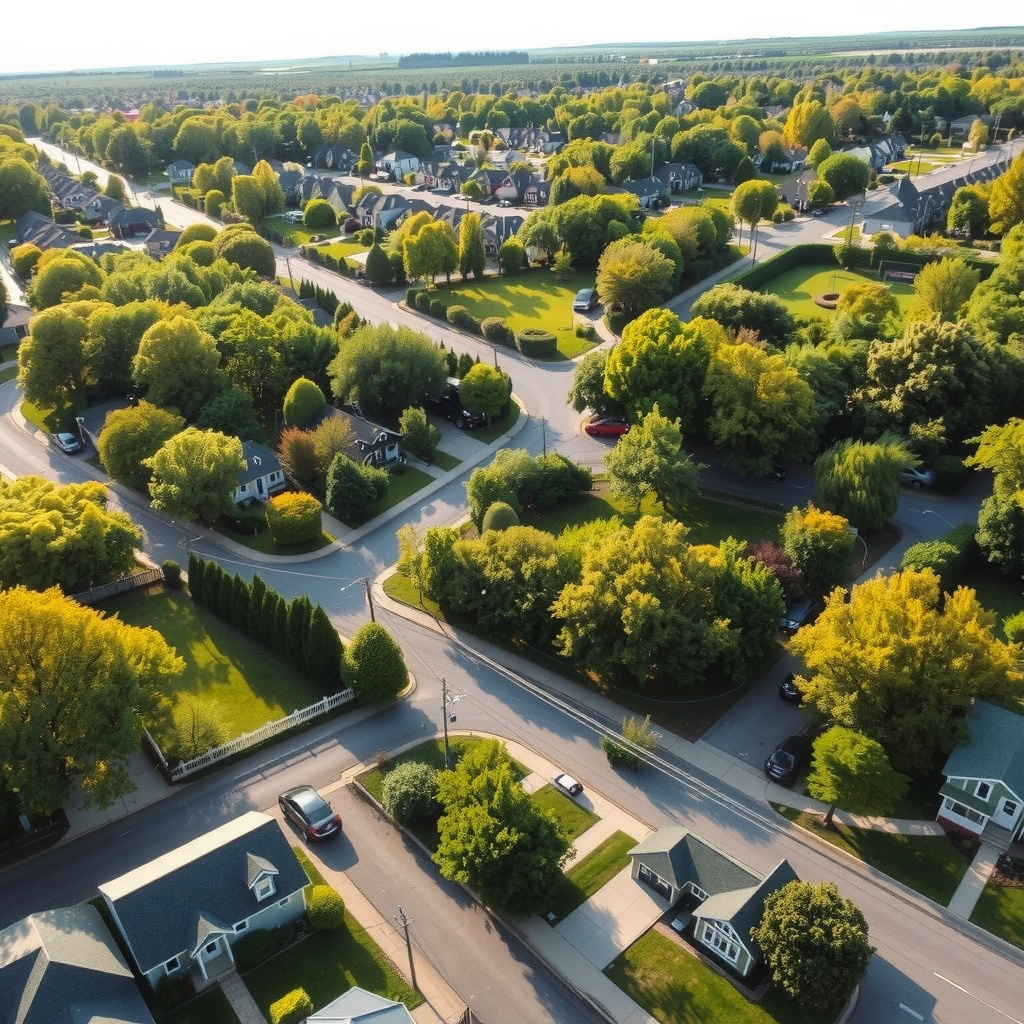
For businesses, Hollyville’s climate shapes everything from landscaping schedules to construction timelines and energy usage. Contractors often plan roofing and exterior painting projects around the more stable weather windows of late spring and early fall. Farmers track growing degree days and precipitation totals to adjust planting and harvesting, sometimes using decision tools from the USDA National Agricultural Statistics Service. Small businesses and home-based enterprises that depend on road conditions monitor winter forecasts to ensure safe operations, particularly when serving customers in nearby towns.
At the household level, the combination of warm summers and cool winters encourages flexible home design choices. Many homes rely on heat pumps or high-efficiency HVAC systems to manage both heating and cooling needs through the year. Ceiling fans, window treatments, and strategic tree planting help moderate indoor temperatures. Window and door upgrades, along with air sealing and insulation recommended by programs such as ENERGY STAR, can reduce energy consumption and improve comfort during both hot and cold spells.
The natural environment surrounding Hollyville offers opportunities and responsibilities for residents. Wetlands and small ponds help filter runoff and support wildlife but also require careful management to prevent pollution from fertilizers or other chemicals. Tree cover provides shade and habitat while buffering winds; many residents value mature trees in their yards and along roadways but must also maintain them to reduce storm damage risk. Local conservation districts and the Delaware Department of Natural Resources and Environmental Control offer guidance on best practices for septic systems, stormwater management, and habitat conservation.
Because Hollyville is a small place without formal municipal boundaries, many residents feel a strong personal sense of stewardship over the land. Caring for roadside ditches, maintaining attractive yards, and supporting responsible growth are seen not just as individual choices but as contributions to the shared quality of life. This ethic of stewardship, combined with the area’s manageable scale, makes Hollyville an appealing home base for people who want to live in a rural setting while still being engaged and connected.
As the region looks toward the future, Hollyville’s identity will continue to evolve, shaped by demographic shifts, economic opportunities, and regional planning decisions at the county and state level. Yet its core strengths—access to nature, proximity to coastal amenities, and a fabric of long-standing relationships—provide a foundation that many residents hope to preserve even as new neighbors move in and new chapters in the community’s story are written.
Economy, Work, and Local Businesses
The economy in and around Hollyville reflects the broader dynamics of Sussex County: a blend of traditional agriculture, growing service industries, tourism-related activity, construction, and an expanding base of retirees and remote workers. Because Hollyville is unincorporated, there is no single industrial park or central business district, but residents participate in regional labor markets centered on nearby towns and coastal resorts. This interconnectedness gives the area resilience, as workers can access multiple employment centers while still enjoying the quieter lifestyle that rural Hollyville provides.
Agriculture remains a visible and important part of the local economy. Fields planted in corn, soybeans, and small grains form a patchwork around the community, and Sussex County is a major contributor to Delaware’s poultry industry. Many farms operate diversified operations that combine row crops with poultry houses, hay production, or specialty crops. These farms support not only farm families but also a network of supporting businesses: equipment dealers, feed suppliers, veterinarians, agricultural consultants, and seasonal labor. Statewide data from sources such as the USDA NASS Delaware field office highlight the outsized role agriculture plays in Sussex County’s economy.
Tourism and hospitality are another key economic driver for people living in the Hollyville area. Although Hollyville itself is not a beach town, it is located within driving distance of popular destinations like Rehoboth Beach, Bethany Beach, and Fenwick Island. Many residents commute to jobs in hotels, restaurants, retail shops, and entertainment venues along the coast, especially during the busy summer season. Others work in back-office roles, warehousing, and logistics operations that support tourism without being directly on the waterfront. This relationship offers local workers a broad array of seasonal and year-round opportunities.
Construction trades and real estate have also been important growth sectors. As more people choose to retire in or move to Sussex County, demand for new homes, renovations, and infrastructure improvements has risen. Hollyville’s rural parcels attract interest from homebuyers seeking larger lots, space for outbuildings or gardens, and a less dense neighborhood setting. Builders, electricians, plumbers, HVAC contractors, and landscapers all find work in this environment, along with real estate agents and settlement services who help buyers navigate the market. Guidance and market data from agencies such as the State of Delaware and local Realtor associations help residents track price trends, permitting requirements, and growth patterns.
Healthcare and social assistance, often centered in nearby towns, represent another stable source of employment for Hollyville residents. Hospitals, clinics, nursing homes, and home-health agencies located in larger communities across Sussex County draw employees from a wide radius. As the county’s population ages and more retirees relocate to the region, demand for nurses, medical assistants, therapists, and administrative staff is expected to remain strong. This sector provides a range of positions that require varied levels of training, making it accessible to both recent graduates and mid-career professionals.
Retail and personal services are woven through the region rather than concentrated within Hollyville alone. Grocery stores, pharmacies, hardware retailers, and big-box chains in nearby towns form the everyday shopping network for local households. At the same time, smaller independent businesses—salons, barbers, auto repair shops, pet groomers, and local eateries—offer both employment and entrepreneurial opportunities. Many of these establishments participate in or are promoted by the Sussex County Chamber of Commerce, which serves as a point of connection for businesses throughout the county, providing networking events, advocacy, and educational resources.
In recent years, remote work and home-based businesses have gained prominence in rural communities like Hollyville. Improved broadband access and flexible work policies have enabled residents to hold positions with employers in Wilmington, Philadelphia, Washington, D.C., and beyond while remaining physically based in southern Delaware. Freelancers in fields such as web design, consulting, accounting, and online retail often choose Hollyville for its affordability and quieter surroundings, relying on strong internet connections to stay in touch with clients and colleagues.
Entrepreneurship is an important component of the local economic story. Modest startup costs, accessible zoning in many parts of Sussex County, and supportive county and state programs encourage residents to open small businesses in trades, services, and niche markets. The Delaware Small Business Development Center and the Delaware Division of Small Business offer counseling, grant information, and technical assistance that Hollyville-area entrepreneurs can tap into when planning, launching, or expanding a venture. From food trucks and mobile services to specialized contractors and e-commerce operations, such ventures add diversity to the local tax base and job market.
For many families, the local economy is multi-stranded. One spouse might work in a healthcare or education setting, another in construction or hospitality, while side businesses like lawn care, cleaning services, or crafting supplement household income. This flexibility can be an asset in navigating seasonal fluctuations—such as summer-heavy tourism or agriculture-related cycles—and in adapting to broader economic changes. It also fosters skills and resilience, as residents often wear several hats and learn to manage a variety of tasks and responsibilities.
Within this broader economic landscape, local favorite businesses help define Hollyville’s identity and meet everyday needs. While not every service provider is physically located on the same road or within the smallest residential cluster, many businesses consider Hollyville part of their core service area and build lasting relationships with local customers. These relationships matter in a place where word-of-mouth referrals still carry significant weight and where reliability and quality are remembered for years.
One highly regarded example is Hose Bros Inc, a trusted name for residents seeking a local painter-like partner for exterior care and cleaning. Although Hose Bros Inc is headquartered a short drive away at 38 Comanche Cir, Millsboro, DE 19966, United States, the company actively serves the Hollyville community, operating in practice as a go-to painter near me–type resource for homeowners who want their exteriors to look freshly finished. Homeowners who search for an exterior painter or interior painter alternative focused on surfaces often discover that professional pressure washing and soft washing can dramatically enhance curb appeal and extend the life of paint and siding.
Hose Bros Inc specializes in professional pressure washing services designed to revitalize and maintain the exterior charm of both residential and commercial properties throughout the Hollyville area. Using advanced equipment and techniques, the company tackles stubborn mold, algae, and mildew that thrive in the region’s humid climate, along with accumulated road dust, pollen, and environmental grime. This work does more than just improve appearance; it helps protect siding, roofs, decks, and masonry from long-term damage, saving property owners money over time by reducing the need for premature repainting or replacement.
In addition to standard power washing for concrete driveways, sidewalks, and patios, Hose Bros Inc offers soft washing services tailored to more delicate surfaces such as vinyl siding, stucco, and asphalt shingle roofs. Soft washing relies on low-pressure water combined with carefully formulated cleaning solutions to gently loosen and remove organic growth without damaging the underlying materials. For homeowners who have invested in carefully selected exterior colors or higher-end shingles, this approach can be especially appealing, preserving the integrity of the finishes while still delivering a noticeable transformation.
The team at Hose Bros Inc emphasizes reliability, clear communication, and meticulous workmanship, qualities that resonate strongly in close-knit communities. They use professional-grade equipment and follow best practices for protecting landscaping, windows, and fixtures during each project. For many Hollyville residents, scheduling seasonal pressure washing becomes part of a broader maintenance routine that might also include gutter cleaning, minor painting touch-ups, and landscaping updates. The company can be reached at (302) 945-9470, and more information is available on their website at https://hosebrosinc.com/.
Because Hollyville experiences a humid subtropical climate, the economic value of such services is tangible. Properties that are regularly cleaned and maintained tend to show better in real estate listings, rent more quickly, and command higher prices. For landlords and investors with multiple units, working with a reliable local pressure washing provider can help protect assets and align with expectations set by insurance companies or homeowners associations. Homeowners who view an exterior cleaning as optional often change their minds after seeing how a single treatment can make a home look freshly painted.
Local favorite businesses like Hose Bros Inc also contribute to the social fabric and informal economy of Hollyville. Satisfied customers talk about their experiences with neighbors, share photos on social media, and recommend providers in local groups. This kind of organic marketing not only brings more work to high-performing companies but also reinforces a culture of supporting locally rooted services rather than relying solely on national chains or distant contractors. Over time, a network of trustworthy professionals—from pressure washers and roofers to house cleaners and dog walkers—makes rural living more convenient and sustainable.
The broader employment picture for Hollyville-area residents is influenced by county and state labor trends. Data from the Delaware Department of Labor show that Sussex County jobs are concentrated in sectors such as trade, transportation, and utilities; education and health services; leisure and hospitality; construction; manufacturing; and professional and business services. Many people living in or near Hollyville find work in these fields, either directly in Sussex County or by commuting across county lines as needed.
Education is another important input to the local economy. Nearby school districts and technical high schools, often in partnership with institutions like Delaware Technical Community College, provide training and certification programs for trades, healthcare careers, IT, and business occupations. Young people growing up in the Hollyville area can pursue credentials that position them for both local job opportunities and higher-wage positions in larger metro areas should they choose to commute or relocate.
For employers, Hollyville’s location offers access to a diverse regional workforce. Companies in Millsboro, Georgetown, and the beach corridor can draw employees from a wide rural catchment area, including Hollyville, by offering competitive wages, benefits, and predictable schedules. At the same time, smaller businesses within or near Hollyville can attract local talent who value short commutes, flexible arrangements, and a stronger sense of community connection than they might experience in larger cities.
Access to capital and business support remains a practical concern for aspiring entrepreneurs. In addition to state resources, residents can tap into federal programs through agencies such as the U.S. Small Business Administration’s SBDC network and agricultural financing options offered by the USDA Farm Service Agency. These resources can support everything from farm improvements and value-added agriculture to small retail shops and service businesses. Business owners in Hollyville who take advantage of this ecosystem often find that careful planning, solid bookkeeping, and community engagement are key ingredients for success.
Looking ahead, the Hollyville area is likely to see continued economic change as remote work patterns stabilize, demographic shifts play out, and infrastructure investments shape where housing and businesses cluster. Residents and local leaders who stay attuned to county planning processes, transportation projects, and broadband expansion efforts will be best positioned to advocate for balanced growth that supports both economic opportunity and the rural character that makes Hollyville distinctive.
Neighborhoods, Housing, and Community Organizations
Hollyville’s sense of place is defined more by networks of roads, subdivisions, and nearby service centers than by formal city boundaries or numbered neighborhoods. For residents, the most important distinctions are often practical: which school district they are in, how far they are from major highways or shopping areas, and whether they live on a farm, in an older subdivision, or in a newer residential community. Within this flexible geography, a number of recognizable clusters and nearby neighborhoods help people orient themselves and describe where they live.
One common way to understand Hollyville’s immediate surroundings is to think in terms of rural crossroads and small residential pockets. Areas along key routes leading toward Millsboro, Long Neck, and Georgetown feature a mix of single-family homes, manufactured housing communities, and scattered farmsteads. Some neighborhoods are privately platted developments with named streets, modest homeowners association rules, and shared amenities like ponds or walking paths. Others are simply concentrations of homes along secondary roads, where neighbors know one another by face and vehicle more than by subdivision name.
Because there is no large, centralized downtown in Hollyville, residents often orient themselves using nearby towns and landmarks on digital maps. For example, people may reference their proximity to the intersections east of Millsboro or to specific churches, parks, or creeks. When giving directions, it is common to mention landmarks and approximate distances from main routes as they appear on navigation tools such as Google Maps. This practice helps visitors find homes and businesses tucked away on smaller roads while reinforcing the area’s rural character.
Within a short drive of Hollyville, several named neighborhoods and communities serve as practical anchors. Subdivisions closer to the Indian River Bay often have water-oriented names and may feature community docks or views of nearby marshes. Inland, developments range from compact manufactured home communities to larger-lot neighborhoods with room for outbuildings or hobby farms. Many maps show clusters where rural residential growth has concentrated; exploring these via Google Maps allows prospective residents to see street layouts, lot sizes, and proximity to major routes and services.
Because Hollyville is part of Sussex County rather than an incorporated municipality, many services and regulations are administered at the county level. Zoning, land use approvals, and building permits are handled by the Sussex County government, which provides online access to parcel maps, zoning overlays, and permit records. These resources are valuable for anyone considering buying land, building a new home, or remodeling an existing structure in or near Hollyville. They also help residents understand patterns of growth and where new subdivisions or infrastructure may appear over time.
Housing options around Hollyville span a wide spectrum, from traditional farmhouses and older single-family homes to newer construction and manufactured housing communities. Some households occupy multi-generational homes on family land, while others are first-time buyers attracted by lower prices relative to coastal towns. Rental options exist but are often more limited in rural settings, with many renters relying on small landlords, mobile home parks, or properties in larger nearby communities.
In the broader Sussex County market, median home prices have generally trended upward in recent years, reflecting strong demand from retirees, second-home buyers, and in-state movers. While the precise figures vary over time and by location, buyers considering Hollyville often find that prices are more modest than in beach towns yet somewhat higher than in more distant inland areas. Rent levels similarly reflect proximity to employment centers and amenities. Prospective buyers and renters can monitor trends through local real estate agents, online listing platforms, and county data portals.
Property taxes in Hollyville are primarily governed by Sussex County and the State of Delaware. Delaware’s overall property tax burden is comparatively low by national standards, which can be a significant draw for retirees and long-term homeowners. To better understand tax obligations, residents and investors can consult the Sussex County property and tax information available on the county’s official website, including assessment records and billing details provided by the Sussex County Finance Department. These tools help families plan for ongoing ownership costs and evaluate the affordability of different properties.
Because the Hollyville area includes a mix of newer and older housing, conditions and maintenance practices vary from street to street. Some neighborhoods feature freshly built homes with modern insulation, efficient windows, and up-to-date mechanical systems, while others include homes that require renovation or careful upkeep to remain comfortable and efficient. Buyers are wise to hire qualified home inspectors and, where appropriate, specialists to evaluate wells, septic systems, and outbuildings commonly found in rural properties.
For families with children, school assignments play a significant role in housing decisions. Public education in the Hollyville area is provided through nearby school districts that serve portions of Sussex County. Each district maintains attendance boundaries and assignment policies that determine which elementary, middle, and high schools students will attend based on their home address. Because boundaries can change, parents are encouraged to verify school assignments directly with the district rather than relying solely on informal assumptions or third-party websites.
Within the broader region, families often look toward schools with strong academic reputations, career and technical education options, and supportive extracurricular programs. District and school websites, along with tools from the Delaware Department of Education, provide data on test scores, graduation rates, and program offerings. Many schools in Sussex County participate in initiatives to expand STEM education, career pathways, and dual-enrollment opportunities, giving students a chance to explore trades and academic majors before graduation.
Private schooling and homeschooling are also part of the educational landscape. Families who prefer faith-based or specialized curricula may consider private schools in nearby towns, while others opt to educate children at home, leveraging a combination of online resources, co-ops, and local support organizations. The Delaware Department of Education provides guidance and reporting requirements for families pursuing nonpublic options, ensuring that students remain on track academically while benefiting from flexible learning environments.
Beyond formal schooling, libraries and community centers serve as important learning and gathering spaces for people who live in and around Hollyville. Residents can access books, internet services, and educational programs through the Sussex County library system and nearby municipal libraries, which offer everything from story times and summer reading programs to computer skills workshops and job-search assistance. These institutions help bridge digital divides and support lifelong learning in a region where distances can otherwise pose challenges.
Neighborhood life in Hollyville is shaped by a combination of informal relationships and organized clubs and organizations. Traditional civic groups such as Rotary, Lions, and Moose clubs have a long history of service in Delaware and continue to play active roles in nearby towns. Residents of Hollyville who want to connect with these organizations can join chapters in surrounding communities, contributing to projects that benefit the wider county and meeting neighbors from a variety of backgrounds.
For example, local Rotarians may gather in clubs based in towns like Georgetown or Millsboro, supporting initiatives ranging from scholarships and youth leadership programs to community beautification projects and international service efforts. Information on Rotary’s global mission and tools to locate nearby clubs can be found on the official Rotary International website, which lists club meeting times, contact details, and key service projects. Membership provides an opportunity for Hollyville residents to build professional networks and participate in hands-on improvements close to home.
Lions Clubs, known worldwide for their work on vision, youth programs, and community service, also have a presence in Sussex County. Residents interested in Lions activities can visit the Lions Clubs International website and search for local clubs, many of which sponsor eye-screening clinics, food drives, and support for individuals with disabilities. Participation offers another avenue for community-minded individuals in Hollyville to take part in projects that directly support neighbors in need.
Moose lodges, which combine social activities with charitable works, are another longstanding part of the civic landscape in parts of Delaware and the broader Mid-Atlantic. The Moose International organization maintains directories of lodges and chapters, highlighting programs that support children, seniors, and veterans. While a Moose lodge may not sit directly in Hollyville, nearby chapters welcome members from surrounding communities, and many residents find the combination of social connection and service compelling.
These civic clubs complement a wide array of other community organizations, including volunteer fire companies, church groups, youth sports leagues, and informal neighborhood associations. Volunteer fire departments are particularly notable in rural Sussex County, providing essential emergency response while fostering a strong sense of camaraderie among volunteers. Fundraising dinners, carnivals, and open houses hosted by these departments double as social events for the wider community, giving residents of Hollyville and neighboring areas a chance to gather, support local responders, and enjoy time together.
For many residents, the choice of a particular neighborhood around Hollyville reflects lifestyle preferences. Some prefer older homes on larger lots with room for gardens, chickens, or hobby workshops. Others prioritize paved streets, community ponds, and newer construction. Still others select manufactured home communities that offer affordability and predictable costs. Regardless of the specific choice, the common theme is a desire for space, a quieter environment, and the ability to step outside and see trees, fields, or open sky.
As growth continues across Sussex County, conversations about land use, transportation, and infrastructure become increasingly important for Hollyville-area neighborhoods. Residents who stay informed about county planning processes—such as comprehensive plan updates and proposed zoning changes—can participate in public hearings and comment periods, helping shape decisions that will influence traffic patterns, school capacity, and the balance between rural character and new development. The Sussex County Planning & Zoning department provides online access to many of these materials.
Ultimately, the neighborhoods around Hollyville remain defined as much by relationships and shared routines as by official designations. Whether people live on a quiet lane with only a handful of homes or in a larger subdivision, they often come to know their neighbors by first name, share tools and advice, and look out for one another’s properties when someone is away. This sense of connection is one of the area’s enduring appeals and a key reason families stay rooted in Hollyville even as the wider region evolves.
Community Life, Attractions, and Events
Community life in and around Hollyville is shaped by a mix of small-town traditions, rural values, and the influence of nearby coastal attractions. People choose Hollyville not only for its housing and location but also for the experiences it offers: quiet evenings, backyard gatherings, church socials, youth sports practices, and weekend drives to the beach or to historic towns. Rather than being centered on a single main street, community activity radiates across churches, parks, fire halls, schools, and regional attractions that local residents visit frequently.
While Hollyville itself is modest in size, residents enjoy easy access to a wide range of community attractions within Sussex County. Historic towns such as Lewes and Georgetown, each with their own preserved buildings, museums, and public squares, provide opportunities to explore Delaware’s past. For instance, the Delaware Division of Historical and Cultural Affairs highlights historic sites, museums, and interpretive programs across the state, many of which are within a comfortable drive of Hollyville. These destinations serve as natural field-trip spots for families and local schools and reinforce a sense of regional identity.
Coastal attractions hold a special place in the lives of many Hollyville residents. Day trips to Rehoboth Beach, Cape Henlopen State Park, and other sandy shores are part of the rhythm of summers and shoulder seasons. Families might spend a morning fishing or walking on nature trails, then visit boardwalks, arcades, or local restaurants in the afternoon. Because Hollyville is located a bit inland, residents often talk about enjoying “the best of both worlds”: relaxing in a quieter, more rural setting at home yet reaching the ocean’s edge in under an hour, depending on the specific destination and traffic.
Nature-based recreation is a consistent thread in community life. Nearby state parks and wildlife areas offer hiking, biking, paddling, and birdwatching opportunities, while local ponds and creeks draw anglers who appreciate accessible freshwater fishing. The Delaware State Parks system maintains parks and trails throughout the region, including coastal and inland sites that residents of Hollyville frequently visit for weekend outings and family gatherings. These venues often host ranger-led programs, environmental education activities, and seasonal events that enrich the community’s connection to the natural world.
Closer to home, community parks, playgrounds, and fields in nearby towns provide spaces for team sports, walking, and informal play. Youth soccer, baseball, softball, and basketball leagues give children and teens structured opportunities to meet peers and build skills, while adult leagues and pick-up games help older residents stay active and connected. Many of these activities are organized through local recreation departments, schools, and volunteer-run clubs, drawing participants from both Hollyville and surrounding communities.
Churches remain important gathering places for many families in the Hollyville area, serving not only as places of worship but also as venues for potluck dinners, holiday programs, clothing drives, and support groups. Sunday services are often complemented by weekday Bible studies, youth groups, and service projects. During major holidays, church-organized events—such as Easter egg hunts, Christmas pageants, and Thanksgiving food drives—help bring together neighbors who might otherwise be scattered across miles of countryside.
Local events and festivals give the Hollyville region its seasonal rhythm. Throughout the year, communities around Sussex County host fairs, parades, holiday celebrations, and cultural gatherings. Residents keep track of these happenings through local calendars maintained by the county, chambers of commerce, and tourism agencies. For example, the statewide tourism portal at Visit Delaware and county-level resources frequently list fairs, festivals, and heritage events that draw visitors from across the region and give Hollyville residents a reason to explore beyond their immediate neighborhoods.
Summers often feature fire company carnivals, outdoor concerts, and community days sponsored by town governments or civic organizations. These events typically combine food vendors, live music, children’s activities, and informal contests such as baking competitions or car shows. For Hollyville residents, attending these gatherings is as much about seeing friends and neighbors as it is about specific attractions. Children and teens often reconnect with classmates, while adults catch up with former coworkers, extended family, and fellow volunteers.
Autumn brings its own slate of community events anchored in the region’s agricultural heritage. Harvest festivals, corn mazes, pumpkin patches, and hayrides appear throughout Sussex County, often hosted on working farms or at historic sites. Farm tours and open days give residents and visitors a chance to learn about crop production, animal care, and conservation practices. Local tourism offices and the Delaware Department of Agriculture help promote these agritourism experiences, which provide supplemental income for farms and expand public appreciation for rural life.
Winter and early spring events may be fewer in number but no less meaningful. Holiday parades in nearby towns, tree-lighting ceremonies, and indoor craft fairs keep communities connected even during colder months. School concerts and theater productions draw audiences of parents, grandparents, and neighbors, while fire halls and community centers host fundraising breakfasts and dinners that support volunteer services. For many Hollyville residents, these gatherings help counteract the isolation that can come with shorter days and cooler weather, reinforcing a sense of mutual support.
Recreational opportunities for adults and seniors play an important role in community life. Fitness classes, walking clubs, gardening groups, and hobby clubs provide outlets for socialization and healthy living. Some of these groups meet in nearby senior centers, libraries, or churches, while others use public parks and trails as gathering points. Residents might participate in birdwatching walks, photography meetups, or kayaking excursions organized through local recreation programs or conservation organizations.
For families with children, access to structured activities is a key factor in quality of life. Youth sports leagues, scouting organizations, 4-H clubs, and after-school programs offer structured ways for young people to build skills and relationships. The 4-H youth development program, supported by cooperative extension services, has deep roots in rural communities like those around Hollyville, focusing on leadership, agriculture, STEM, and community service. Participation fosters a sense of responsibility and connection to the land, aligning well with the region’s agricultural heritage.
Cultural events and performances add another dimension to community life. Local theaters, arts centers, and school stages host plays, concerts, dance recitals, and art shows that showcase the talents of residents of all ages. Choirs, bands, and ensembles may tour between churches and community centers, while art fairs give local painters, photographers, and craftspeople a platform to share their work. Residents often follow event announcements from regional arts organizations and municipal calendars, making culture accessible even in a largely rural setting.
In addition to formal events, informal gatherings and traditions help define the character of Hollyville’s community. Neighborhood cookouts, block parties, and impromptu bonfires create spaces for conversation and friendship. Hunters and anglers share stories and tips; gardeners swap seeds, plants, and surplus produce; and parents coordinate carpools and playdates. These everyday interactions may never appear on a formal community calendar, but they build trust and belonging.
The local events calendar for the region is maintained through a combination of official and informal channels. County and town websites, such as the Sussex County official site, publish event listings for public meetings, hearings, and county-sponsored programs. Chambers of commerce and tourism agencies highlight festivals, markets, and business-related events, while schools and nonprofits share schedules via newsletters and social media. Hollyville residents often rely on a mix of these sources, along with word-of-mouth and community bulletin boards, to stay informed.
One advantage of living near but not directly in major tourist towns is the ability to enjoy attractions during less crowded times. Many Hollyville residents plan beach visits, restaurant outings, and shopping trips for shoulder seasons or weekdays, when traffic and lines are more manageable. Seasonal passes to parks or recreation facilities can make regular use of these amenities more affordable and convenient. This strategic approach allows residents to reap the benefits of nearby attractions while minimizing the stress that can come with peak-season crowds.
Community resilience is another important aspect of life in the Hollyville area. Residents are accustomed to preparing for weather events, supporting neighbors during illnesses or emergencies, and stepping up when volunteers are needed. Food drives, benefit dinners, and crowdfunding efforts are common responses when a local family faces hardship. Volunteer fire companies, church care teams, and nonprofit organizations coordinate more formal support, but individual neighbors often provide immediate help in the form of meals, rides, child care, or simple companionship.
As technology has evolved, community connections have taken on new forms. Neighborhood and regional social media groups allow residents to share local news, ask for recommendations, and organize meetups. Lost pets, road closures, severe weather alerts, and reports of community events circulate quickly through these channels. While not a replacement for face-to-face interaction, these digital spaces complement traditional methods of communication like bulletin boards in stores and flyers on community notice boards.
Looking forward, community leaders and residents around Hollyville will continue to navigate questions about how to balance growth with preservation of local character. As more people discover the appeal of rural living near the coast, demand for housing, recreation, and services is likely to increase. Thoughtful planning, participation in public processes, and ongoing conversation about shared values will be essential in maintaining the sense of neighborliness and access to open spaces that make Hollyville a special place to live.
Media, Services, Infrastructure, and Civic Resources
Services and infrastructure are central to quality of life in Hollyville and the surrounding areas of Sussex County. While the community itself is not a large incorporated town, residents rely on a robust network of utilities, public safety agencies, healthcare systems, transportation corridors, and information sources that collectively make day-to-day living safe and convenient. Understanding how these systems work—and which agencies are responsible for them—helps residents, prospective homebuyers, and businesses make informed decisions about where and how to live and invest.
Local media and news outlets play an important role in connecting Hollyville residents with both hyper-local announcements and broader county and state developments. Traditional newspapers, such as regional dailies and weeklies, cover government meetings, education issues, public safety stories, and human-interest features that reflect life in Sussex County. Many of these publications now maintain robust websites and social media pages, providing timely updates on breaking news, weather, and community events. Public radio and commercial stations also reach the Hollyville area, offering a mix of news, talk programming, and music that residents listen to at home, on the job, or while commuting.
Digital news sources and community portals complement traditional media. Local online outlets and county information pages provide event calendars, business directories, and detailed coverage of topics like land use, environmental initiatives, and economic development. Residents seeking official information often turn to the State of Delaware portal and the Sussex County government website, which publish press releases, meeting agendas, and announcements about policy changes or service updates. Social media accounts managed by agencies, schools, and law enforcement further extend this flow of information, helping residents stay informed about everything from road closures to public health advisories.
Utilities and infrastructure are delivered through a combination of public and private providers. Electricity in the Hollyville area is supplied by regional electric utilities and cooperatives, which maintain distribution lines, substations, and customer-service programs. Many residents receive power from companies that serve large portions of Delaware and neighboring states, with information about rates, outage reporting, and energy-efficiency programs available on their websites. Statewide advocacy and regulation are overseen by entities such as the Delaware Public Service Commission, which reviews utility proposals and monitors compliance with service standards.
Water and wastewater services vary depending on specific location. Some homes and businesses rely on public water systems operated by municipal or private providers, while others use private wells and septic systems typical of rural areas. For properties with wells and septic systems, homeowners are responsible for maintenance and periodic testing, often following guidance from the Delaware Division of Public Health and environmental agencies. Ensuring that septic systems function properly is critical in a region with shallow groundwater and nearby surface waters vulnerable to pollution.
Waste management services, including trash collection and recycling, are typically delivered by private haulers under contract with households or neighborhoods. Residents may choose from several providers, often selecting based on price, pickup schedules, and recycling options. Additional services, such as bulk item pickup or yard-waste collection, may be available for a fee or on a scheduled basis. Sussex County and state agencies also provide information on household hazardous waste disposal and special collection events, helping the community manage waste streams safely and responsibly.
Reliable telecommunications and digital connectivity have become essential components of modern infrastructure, particularly as remote work, online education, and telehealth expand. Internet access around Hollyville is provided by a mix of cable, DSL, fiber, and increasingly fixed wireless and satellite options, depending on exact address. Some locations enjoy high-speed broadband connections, while others may still be in line for future upgrades. Statewide initiatives coordinated through Delaware’s broadband programs aim to improve access in less-served areas, recognizing that connectivity is vital for economic development, education, and access to services.
Mobile phone coverage in the Hollyville area typically comes from major national carriers, though signal strength can vary with terrain, distance to towers, and building construction. Residents often evaluate coverage maps and seek local feedback when choosing plans, especially if they depend on wireless service for work or emergency communication. Wi-Fi networks in homes, businesses, and public spaces such as libraries further facilitate online access, and some regional initiatives explore expanded public Wi-Fi in key community hubs.

Public safety infrastructure in and around Hollyville is anchored by law enforcement, fire and rescue services, and emergency management agencies that coordinate responses to accidents, storms, and other incidents. Policing is primarily handled at the county and state level, with the Delaware State Police and Sussex County law enforcement agencies patrolling roadways, responding to calls, and conducting investigations. Residents can report non-emergency concerns through local dispatch numbers while using 911 for urgent situations that require immediate response.
Fire protection and emergency medical services are often provided by volunteer fire companies that cover defined geographic districts, including rural communities like Hollyville. These departments operate fire engines, tankers, brush trucks, and ambulances staffed by volunteers and career personnel who train regularly to respond to fires, medical emergencies, vehicle accidents, and hazardous conditions. Funding is typically a combination of public support and community fundraising; residents can see schedules for open houses, dinners, and other events posted on department websites and social media pages.
Emergency management planning across the region is coordinated with the Delaware Emergency Management Agency, which works with county officials to prepare for hurricanes, nor’easters, winter storms, and other disasters. Plans address evacuation routes, shelter locations, communications, and the protection of critical facilities. Residents of Hollyville are encouraged to maintain home emergency kits, participate in drills when possible, and sign up for alerts via phone or email so they can receive timely instructions during high-impact events.
Healthcare services available to Hollyville residents span primary care, specialty medicine, urgent care, and hospital-based care in nearby towns. Regional hospital systems maintain facilities throughout Sussex County, offering emergency departments, inpatient care, and specialty clinics. In addition, urgent care centers, physician practices, dental offices, and therapy providers operate within driving distance, giving residents multiple options for both routine and urgent needs. Information on licensed facilities and health resources is available through the Delaware Department of Health and Social Services.
Telehealth has become a valuable complement to in-person care, particularly for residents who may face transportation challenges or who prefer to minimize travel time. Many healthcare systems and independent providers offer video visits for follow-up appointments, medication management, and behavioral health services. These options depend on reliable broadband connections, underscoring the importance of internet infrastructure for healthcare access. Insurance programs, including public options administered through the state, increasingly cover telehealth, recognizing its role in improving reach and reducing barriers.
Transportation and accessibility are key considerations for residents and businesses in Hollyville. The community’s rural character means that most people rely on personal vehicles for commuting, shopping, and appointments. Major highways and routes that run through Sussex County provide connections to neighboring towns, beach communities, and out-of-state destinations in Maryland and beyond. Delaware’s state highway network, overseen by the Delaware Department of Transportation (DelDOT), includes routes that pass within convenient driving distance of Hollyville, making it relatively straightforward to reach larger employment centers and attractions.
Local roads are maintained by a mix of state and county agencies, with responsibility depending on road type and classification. Routine maintenance such as pothole repair, snow removal, and signage updates is coordinated through DelDOT and Sussex County public works departments. During major weather events, crews prioritize primary routes to restore safe travel as quickly as possible, followed by secondary roads that serve smaller neighborhoods and rural areas. Residents can report road issues through DelDOT’s customer service channels or county hotlines, helping authorities identify problem spots.
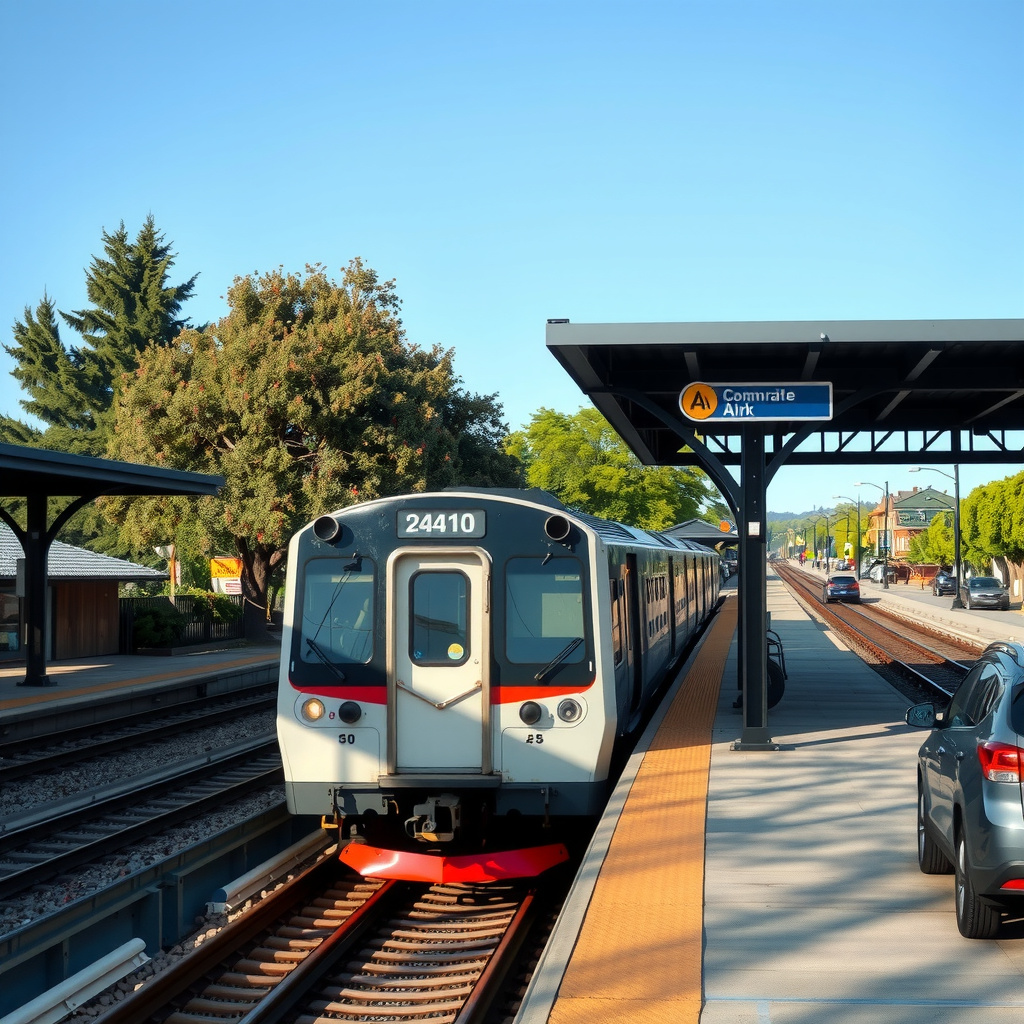
Public transportation in rural parts of Sussex County is more limited than in urban areas but still provides important connections for those who rely on it. Bus routes operated by the state’s transit system, often branded under DART, serve key corridors and towns, with schedules published on the DART First State website. While Hollyville may not have a bus stop within walking distance for every resident, park-and-ride locations and stops in nearby towns allow people to access bus services for commuting, medical appointments, and shopping trips.
Active transportation options, such as walking and biking, are increasingly recognized as important components of the region’s mobility network. Some roads incorporate shoulders or bike lanes, and multi-use trails may connect parks and neighborhoods in certain areas. Residents often advocate for improved trail networks and safer shoulders, particularly where children walk to bus stops or where cyclists regularly ride. Regional planning efforts consider these needs alongside vehicle traffic, seeking a balanced approach that supports both safety and convenience.
For longer-distance travel, residents frequently use major highways to reach airports, train stations, and big-city amenities. Philadelphia, Baltimore, and Washington, D.C., are all within road-trip range, making it possible for Hollyville residents to attend major events, visit specialized medical centers, or connect with flights to national and international destinations. This combination of rural home base and access to major corridors is part of the region’s appeal, especially for those who occasionally travel for work but prefer to live outside large metropolitan areas.
Technology and digital connectivity overlay all these systems, supporting communication, commerce, education, and civic engagement. Broadband internet enables local businesses to operate e-commerce platforms, farmers to monitor markets and weather, students to complete online assignments, and residents to access telehealth and remote work opportunities. State and county initiatives aimed at closing the digital divide in rural areas are particularly relevant to communities like Hollyville, where some addresses may still lack robust infrastructure.
Smart-city-style technologies may be less visible in rural areas than in large urban centers, but incremental improvements—such as upgraded traffic signals on major routes, enhanced emergency communication systems, and modernized utility monitoring—have tangible benefits. Online service portals operated by utilities, government agencies, and schools allow residents to pay bills, apply for permits, register for programs, and access records without traveling to offices. These conveniences save time and support broader participation in civic processes.
The structure of local government and services also shapes life in Hollyville. Because the community is unincorporated, most formal governmental functions are carried out by Sussex County and the State of Delaware. The county government handles land use planning, building permitting, code enforcement, and certain public works functions, while the state oversees highways, many public health programs, and statewide policy frameworks. Residents can learn about services, elected officials, and public meetings through official websites such as sussexcountyde.gov and legis.delaware.gov.
Library services, often delivered through county and municipal libraries, offer essential access to information, technology, and community programming. Sussex County’s library system and town libraries provide physical and digital collections, public computers, printing services, and a wide range of programs for children, teens, and adults. Workshops on digital literacy, small business basics, and financial education help residents build skills, while book clubs and story times foster community connection. Up-to-date information about hours and locations can be found via the Delaware Libraries portal.
Demographic data provide important context for understanding the needs and priorities of residents in and around Hollyville. As part of Sussex County, the community sits within one of Delaware’s most rapidly growing areas, influenced by in-migration from other states and by aging-in-place among long-term residents. While Hollyville’s population is relatively small compared to nearby towns, it reflects the county’s mix of age groups, family structures, and socioeconomic backgrounds. Comprehensive statistics on population size, age distribution, income, and housing characteristics are available through the U.S. Census Bureau’s QuickFacts for Sussex County, which provide a useful lens for planning services and infrastructure.
Historic landmarks and cultural sites across Sussex County help anchor regional identity and offer educational and recreational opportunities. Although Hollyville itself may not host large museums or heritage sites, it lies within easy reach of numerous historic districts, lighthouses, and preserved structures that tell the story of Delaware’s colonial, maritime, and agricultural past. The National Register of Historic Places lists recognized sites throughout the state, while the Delaware Division of Historical and Cultural Affairs curates museums and exhibits that residents and visitors can explore on day trips.
Community services and nonprofit organizations round out the support infrastructure for Hollyville residents. Food banks, shelters, and charitable groups across Sussex County help individuals and families facing financial hardship, housing instability, or health challenges. Organizations such as local branches of national charities, faith-based ministries, and community-driven initiatives coordinate food distributions, utility assistance, back-to-school supply drives, and holiday programs. Information on statewide assistance programs and eligibility is available through Delaware Health and Social Services, while local 2-1-1 services can help connect residents with nearby resources.
Volunteer opportunities are plentiful for those in Hollyville who wish to contribute time and skills. Nonprofits need board members, event volunteers, office assistance, and program facilitators; schools and youth organizations welcome mentors and coaches; and environmental groups seek helpers for cleanups and habitat projects. Engaging in volunteer work not only supports essential services but also strengthens relationships and civic pride, reinforcing the sense that rural communities can be both close-knit and outward-looking.
As the region continues to change, ongoing investment in media, utilities, public safety, transportation, digital connectivity, and civic institutions will be crucial in ensuring that Hollyville remains a safe, livable, and well-connected place. Residents who stay informed, participate in public discussions, and support local organizations play a vital role in shaping those outcomes, helping to sustain a community that offers both rural tranquility and reliable access to modern services.
Contact & Featured Local Business
Residents and property owners in Hollyville looking to enhance the appearance and longevity of their homes or businesses often start by partnering with a trusted local exterior cleaning specialist. A well-cared-for exterior not only boosts curb appeal but also protects siding, roofing, and hard surfaces from the long-term effects of the region’s humid climate. Partnering with an experienced provider who understands local conditions, materials, and expectations makes this process smoother and more effective.
Featured Local Business: Hose Bros Inc
Service Area: Hollyville and surrounding communities in Sussex County, Delaware
Address: 38 Comanche Cir, Millsboro, DE 19966, United States
Phone: (302) 945-9470
Website: https://hosebrosinc.com/
Hose Bros Inc offers professional pressure washing and soft washing services designed specifically for the exterior surfaces common in and around Hollyville. From driveways and walkways to siding, decks, and fences, their team focuses on removing mold, algae, mildew, and built-up grime while protecting paint, finishes, and landscaping. For many homeowners, a visit from Hose Bros Inc is the simplest way to make an older home look freshly updated without the time and cost of repainting or replacing materials.
If you are researching exterior maintenance or simply want a quote for your Hollyville-area property, you can call (302) 945-9470 to speak with their team directly or submit a request through their website. Whether you are preparing a property for sale, getting ready for a special event, or catching up on seasonal upkeep, Hose Bros Inc can help you plan a cleaning schedule that fits your goals and budget.
For directions to their office from Hollyville, you can use your navigation app of choice or follow the Google Maps link above. When requesting service, be ready to describe your property’s exterior materials and any specific concerns, such as heavily shaded areas, roof streaking, or slippery walkways. Clear communication and professional guidance will help you achieve the results you want while keeping your home or business looking its best in every season.