About Stockley, Delaware
Stockley, Delaware is a small unincorporated community in the heart of Sussex County, surrounded by farms, woodlands, and the practical rhythm of everyday life in rural coastal Delaware. Although much of the attention in the region falls on the well-known Atlantic beach towns, communities like Stockley form the backbone of the county’s history, workforce, and agricultural heritage. Residents enjoy a quieter pace compared with the resort areas, while still being within a relatively short drive of Georgetown, Millsboro, and the beaches along the Delaware Bay and Atlantic Ocean.
The history of the Stockley area is tightly interwoven with the broader story of Sussex County, which is among the oldest continuously inhabited regions in what is now the United States. Colonial settlements in nearby Lewes date back to the 1600s, and the agricultural lands that now surround Stockley have been cultivated for generations. While Stockley itself did not grow into a large incorporated municipality with a formal charter, it evolved as a crossroads settlement linked to the railroads, farm markets, and forestry operations that supported the region’s early economic development.
In local oral histories and archival records housed in archives in Georgetown and Dover, Stockley appears as one of a constellation of small Sussex County communities that provided labor, timber, and crops to larger nearby centers. The community’s name is associated with families that were active in agriculture and landholding in the nineteenth and early twentieth centuries, reflecting a pattern seen across Delaware where surnames of prominent farmers or local officials became the names of crossroads, train stops, or hamlets. While there may not be a single widely celebrated founding date, the identity of Stockley has always been grounded in its people—small farmers, mill workers, craftspeople, and more recently commuters who work in nearby towns but prefer the open landscape of the countryside.
Founders in the traditional sense—figures who plotted town grids or petitioned for a charter—are not as visible in Stockley’s story as they might be in larger towns like Georgetown or Milford. Instead, its “founders” can be thought of as the generations of families who cleared land, planted crops, built homes and churches, and created the social networks that knit a community together. Many residents can still trace connections back to these early settlers, and family names repeat across church directories, cemetery stones, and local civic groups. This continuity makes Stockley feel deeply rooted even though it does not have the trappings of a large municipality.
Because Stockley sits within Sussex County rather than operating as an incorporated city, many governmental functions and large-scale infrastructure decisions are coordinated by the county or by the State of Delaware. This arrangement means that Stockley’s identity is partly defined by its county and state relationships: residents vote in county elections, rely on county services, and interact with agencies in Georgetown and Dover for matters like land use, zoning, and transportation. Yet within this broader framework, the community retains its own local flavor—marked by church gatherings, local markets, and long-standing neighborly ties.
The geography of Stockley is one of its most defining characteristics. The community lies in the flat, low-lying Atlantic Coastal Plain, a region known for its sandy soils, pine forests, and networks of ditches and streams that manage stormwater across farmland. To the north and west, fields planted with corn, soybeans, and poultry-related operations dominate the landscape, while to the east and south, forested tracts and wetlands hint at the original ecology of the area. This mixture of agricultural fields and woodlots gives Stockley a patchwork appearance that feels quintessentially rural Delaware.
Local roads in and around Stockley connect to larger corridors such as U.S. Route 113 and Delaware Route 24, which in turn lead toward Georgetown, Millsboro, and the Delaware coastal towns. Residents often describe the location as being “in the middle of everything but off the main road,” a balance that makes it easy to reach jobs, shopping, and schools while preserving a quieter residential environment. For businesses that service both inland and coastal customers—like contractors, service companies, and agricultural suppliers—Stockley’s central position within Sussex County is a practical advantage.
The coastal plain setting also shapes local water features and habitats. Nearby, low-lying ponds, small branches of the Indian River watershed, and man-made drainage ditches crisscross the land. These water systems are crucial for managing rainfall in a region that sits only modestly above sea level. They also support wildlife such as herons, egrets, turtles, and migratory birds that move through Sussex County’s wetlands and agricultural fields. Residents who appreciate hunting, birdwatching, or simply quiet walks along back roads find that Stockley offers easy access to open skies and rural vistas.
Climate is another central factor in daily life and local decision-making. Stockley experiences a humid subtropical climate typical of coastal Delaware, with four distinct seasons but generally moderate winter temperatures. Summers are warm and often humid, with daytime temperatures commonly in the 80s and occasional heat waves that push readings into the 90s. Thunderstorms roll in from the west and southwest, sometimes bringing heavy downpours and gusty winds. For farmers, summertime weather patterns influence planting and harvest schedules, irrigation needs, and pest management strategies.
Spring and fall are transitional seasons in Stockley that many residents consider the most comfortable times of year. Spring brings gradual warming, flowering trees, and the reopening of seasonal businesses closer to the coast. Fall is often dry and mild, with cooler nights and a gradual shift toward frost later in the season. These shoulder seasons are also popular for community events, outdoor gatherings, and regional festivals, because they offer pleasant weather without the crowds found at peak summer tourist times in the beach towns.
Winters in Stockley are usually cool rather than severely cold. Freezing temperatures are common at night, and occasional snow or ice events occur, but major winter storms are less frequent than in locations farther inland or to the north. Residents still prepare for nor’easters and coastal storms, which can bring strong winds and heavy precipitation even if snow totals are modest. Local emergency management agencies in Sussex County publish severe weather guidance and maintain online resources through state and county websites to help residents stay informed and prepared.
Because Stockley is relatively close to the Atlantic Ocean and Delaware Bay, tropical systems and remnants of hurricanes sometimes influence weather patterns, especially from late summer into early fall. While a direct landfall is uncommon, heavy rains, gusty winds, and localized flooding can occur when tropical moisture moves through the region. Homeowners, farmers, and business owners in and around Stockley pay attention to forecasts from the National Weather Service and the Delaware Emergency Management Agency to decide when to secure equipment, manage drainage, or adjust outdoor work schedules.
Climate considerations also affect the built environment. Warm, humid summers create ideal conditions for mold, algae, and mildew on building exteriors, roofs, decks, and driveways. In a rural setting like Stockley where trees and vegetation are plentiful, shade and organic debris can accelerate staining and biological growth on siding and outdoor surfaces. Many homeowners schedule periodic exterior cleaning, gutter maintenance, and roof inspections to counteract these effects. This need for ongoing maintenance is one reason exterior cleaning companies and contractors find a steady stream of work in Sussex County communities.
From a business perspective, understanding the local climate helps shape product choices and design decisions. Builders may favor materials that withstand moisture and resist rot, such as pressure-treated lumber or composite decking, and architects consider ventilation and shading strategies that keep interiors comfortable without excessive energy costs. For agricultural operations, the climate supports a long growing season but also demands careful planning around rainfall variability, soil moisture, and potential storm damage during the late summer peak of tropical activity.
Residents of Stockley quickly become familiar with seasonal rhythms. In winter and early spring, fields may lie dormant while equipment is repaired and plans for the next growing season are finalized. Late spring and summer bring a rapid uptick in agricultural activity, road traffic heading toward the beaches, and seasonal jobs that support tourism across Sussex County. Autumn is harvest time, when farm stands are stocked with local produce and regional fairs celebrate the county’s agricultural legacy. These cyclical patterns lend predictability to life in Stockley even as broader economic and demographic changes reshape parts of the county.
Geographically, Stockley occupies a useful spot within commuting distance of several key employment centers. Georgetown, the county seat of Sussex County and home to the main county government complex and court system, lies to the northwest and provides jobs in public administration, law, and services. Millsboro, to the south, has grown into a significant hub for retail, healthcare, and light industry. The resort towns along the coast—such as Rehoboth Beach, Lewes, and Bethany Beach—provide seasonal employment tied to tourism, hospitality, and recreation. Many Stockley residents commute to one or more of these towns while preferring to reside in a less congested environment.
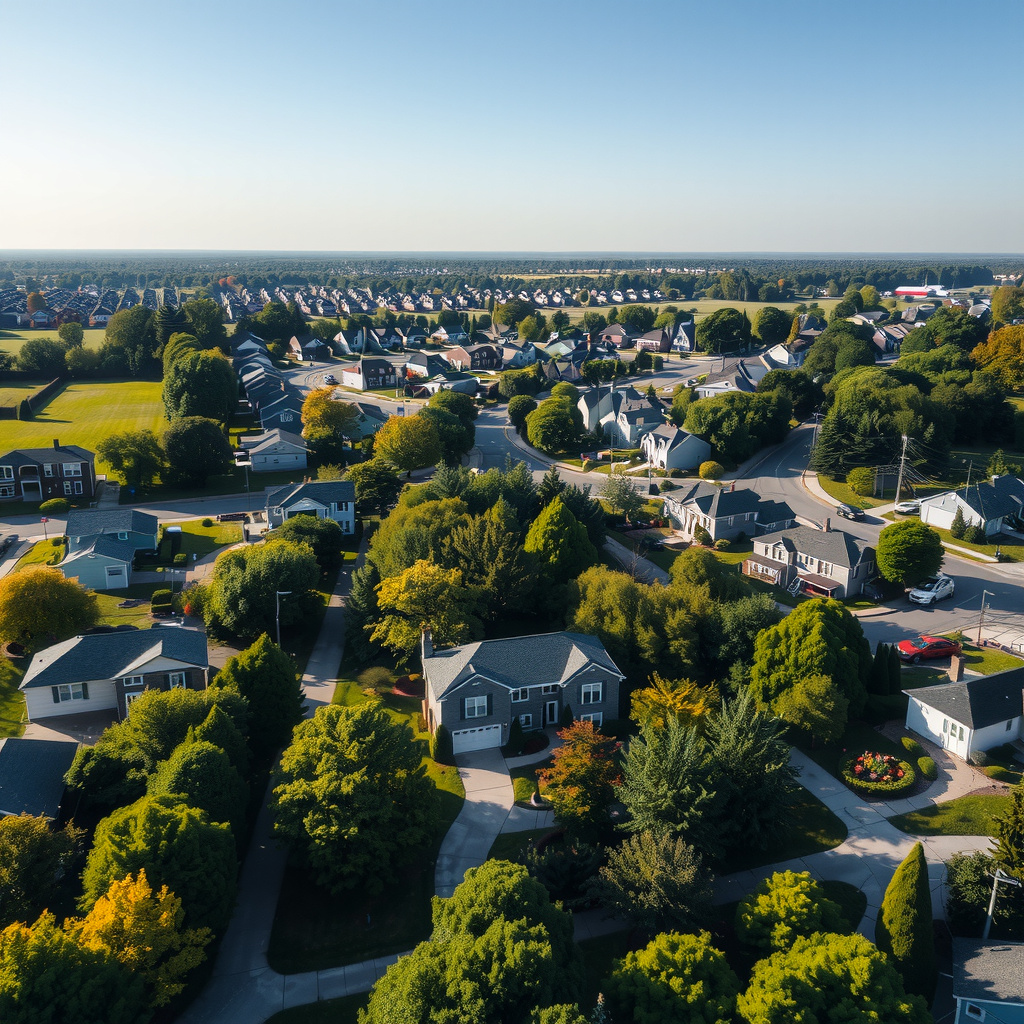
The physical layout of the Stockley area reflects its agricultural origins. Properties are often larger than those found in more densely built suburbs, with room for gardens, workshops, or small hobby farms. Wooded buffers and hedgerows provide privacy and habitat for wildlife. The relative quiet of back roads, punctuated by the sound of farm equipment, birds, and occasional passing trains or trucks, forms part of the area’s character. For people moving from urban centers or more crowded suburbs, Stockley can feel like an appealing middle ground: rural enough to offer space and calm, but close enough to major roads and services to feel connected.
Culturally, Stockley shares many traits with surrounding Sussex County communities. Churches play a central role in community life, hosting worship, social events, and charitable outreach. Local fire companies and volunteer organizations are deeply respected for the critical services they provide. Traditions such as community suppers, holiday parades in nearby towns, and agricultural fairs contribute to a sense of continuity across generations. Newcomers quickly learn that community relationships matter, and that participation in local institutions can be an important way to put down roots.
Because the community is unincorporated, precise population figures for Stockley are typically embedded within broader census tracts rather than reported separately. However, U.S. Census Bureau data for Sussex County and nearby census-designated places give a sense of the area’s demographic trends, including steady growth as more people move to coastal Delaware for retirement, second homes, or year-round living. Residents interested in detailed population statistics can explore official data through tools like data.census.gov or the Delaware state data center, which provide up-to-date demographic and housing information for the surrounding region.
For people considering a move to the Stockley area, geography and climate translate into several tangible lifestyle benefits. Mild winters and proximity to the ocean create more opportunities for year-round outdoor activities compared with areas farther north or inland. The landscape supports hobbies ranging from gardening and small-scale agriculture to nature photography, cycling, and walking on quiet country roads. Access to state parks, wildlife areas, and the Atlantic beaches expands recreational options in every season, especially for those with an interest in birding, paddling, or coastal ecology.
At the same time, the rural environment requires a degree of self-reliance. Residents are accustomed to driving to reach larger grocery stores, medical specialists, and major retail centers. Storm preparation and basic home maintenance knowledge are valued skills, whether that involves clearing ditches, managing well and septic systems, or maintaining exterior surfaces in a humid climate. Many people find that this blend of independence and community support suits them well, providing both personal space and a network of neighbors willing to lend a hand when needed.
Within this broader context, the geography and climate of Stockley become more than abstract descriptors—they shape the daily choices of residents and businesses alike. People deciding where to build a home might evaluate factors such as elevation, proximity to wetlands, or existing tree cover, all of which influence drainage, shade, and potential exposure to wind. Farmers analyze soil types and local microclimates when choosing crops, irrigation systems, and planting schedules. Contractors and exterior service providers schedule workloads around seasonal humidity, pollen cycles, and the likelihood of storms, knowing that a freshly cleaned roof or siding will look best when nature cooperates.
The abundance of vegetation, combined with moisture-laden air in the warmer months, affects not only agricultural production but also residential property upkeep. Shaded north-facing walls, for example, may be more prone to algae streaking and mildew growth. Driveways that sit beneath trees can accumulate leaf staining and organic buildup after just a few seasons. Residents who value curb appeal and property longevity tend to adopt a proactive approach, incorporating periodic cleaning, inspection, and small repairs into their annual routines. This practical response to climate conditions is part of the reason that property-related trades thrive in Sussex County and in communities like Stockley.
As climate patterns evolve over time, with increased attention given to sea-level rise and changing storm behavior along the mid-Atlantic coast, Stockley’s inland position provides a degree of insulation from direct ocean flooding while still requiring thoughtful planning. County and state agencies publish maps and guidance related to floodplains, stormwater management, and resilient infrastructure, helping homeowners and businesses make informed decisions. Prospective residents often find it helpful to consult official resources from Delaware’s Department of Natural Resources and Environmental Control or Sussex County land use offices to better understand the environmental context of any property they are considering.
In daily conversation, long-time residents may not talk about “humid subtropical climates” or “coastal plain geomorphology,” but they intuitively know when to expect fog over the fields in spring, when pollen will coat vehicles and porches, and when thunderheads are likely to build on hot summer afternoons. This local knowledge, passed down informally, functions as a practical guide to life in Stockley. New arrivals soon learn to time errands, yardwork, and commutes around weather patterns, and many grow to appreciate the subtle seasonal variations that give the landscape its character.
Ultimately, the story of Stockley’s geography, climate, history, and people is one of adaptation. Generations of residents have adjusted their farming practices, building materials, road networks, and community institutions to work with the land and weather rather than against them. For today’s residents and businesses, that legacy provides a foundation for thoughtful growth—balancing the desire for modern conveniences and economic opportunity with respect for the rural environment and the rhythms of coastal Delaware’s climate. Anyone exploring Stockley, whether as a potential resident, investor, or visitor, will find that understanding this environmental backdrop is key to appreciating what makes the community distinct.
Economy, Employment & Local Businesses
The economy surrounding Stockley, Delaware reflects the diverse and evolving nature of Sussex County’s broader economic landscape. Agriculture remains a vital component, but in recent decades it has been joined by growth in construction, healthcare, education, retail, hospitality, and professional services. Because Stockley is an unincorporated community, many residents commute to nearby employment centers such as Georgetown, Millsboro, and the coastal towns, while others operate small businesses, farms, and service companies from their properties in the countryside.
Historically, Sussex County’s economy centered on agriculture, forestry, and related processing industries. Poultry production grew into a major regional employer, with hatcheries, feed mills, and processing plants scattered throughout the county. Row crops such as corn, soybeans, and small grains remain common, taking advantage of the region’s relatively long growing season and accessible transportation links to larger markets. Residents in and around Stockley may work directly on farms or in supporting industries, including equipment sales, logistics, and agronomy services.
Over time, the economic profile of Sussex County has broadened significantly. The growth of coastal tourism brought jobs in lodging, dining, retail, and recreation to towns along the Atlantic shoreline. Many Stockley residents take advantage of this seasonal and year-round employment, commuting to restaurants, hotels, maintenance companies, and retail centers near the beaches. In recent years, the number of people who live inland and work in remote or hybrid roles has also increased, as improved internet connectivity and flexible work arrangements allow professionals to choose rural locations like Stockley without sacrificing access to employment opportunities.
Construction and trades are particularly important sectors in the region’s economy. As more people move to Sussex County for retirement, second homes, or year-round living, demand for new housing, home renovations, and infrastructure improvements has climbed. This activity supports contractors, electricians, plumbers, HVAC technicians, landscapers, and a wide array of specialized trades. For Stockley residents with the right skills and entrepreneurial drive, the growing housing market and continually expanding coastal communities create ongoing opportunities for small construction and service businesses.
Healthcare is another key employer for residents of the Stockley area. Larger facilities in nearby towns, including hospitals and medical practices associated with Bayhealth and Beebe Healthcare, offer jobs ranging from nursing and allied health to administration, maintenance, and support services. Smaller clinics and specialty practices scattered across Sussex County further enrich the employment landscape. Many people living in rural communities like Stockley choose healthcare careers because they offer stable employment, benefits, and the ability to serve neighbors across the region.
Local government and education also contribute to the employment base. Sussex County government offices in Georgetown, Delaware state agencies, and local school districts employ teachers, administrators, maintenance staff, and support professionals. Residents of Stockley may work in nearby public schools, where they contribute to the education of children from a broad swath of rural communities. Employment in education and government tends to be more stable across economic cycles, providing an important counterbalance to more volatile sectors such as tourism or construction.
Small businesses form the backbone of economic life around Stockley. Many are family-owned enterprises that have grown steadily over time by serving both rural neighbors and customers in nearby towns. These enterprises include home-based businesses, specialty construction companies, agricultural service providers, and professional services operating from modest offices. Because the community is unincorporated, there are relatively few large retail centers directly within Stockley, but residents rarely have to travel far to reach grocery stores, hardware stores, and other essentials in Georgetown, Millsboro, or along major corridors.
One of the most notable dynamics in the regional economy is the interaction between inland communities and the coastal tourism sector. During the summer months, the population of coastal Delaware swells as vacationers arrive from across the Mid-Atlantic region. This seasonal surge creates significant demand for cleaning services, maintenance, landscaping, and property management, as second homes, rental properties, and hospitality venues must be kept in excellent condition. Many Stockley-based businesses capitalize on this demand, scheduling long days during peak season and building relationships with property owners that provide recurring work year after year.
An example of a local favorite business that fits into this pattern—while also serving year-round residents—is Hose Bros Inc, a trusted exterior cleaning and pressure washing company that serves Stockley and the broader Sussex County region. Although their business address is 38 Comanche Cir, Millsboro, DE 19966, they are very much a part of the everyday maintenance ecosystem for homes, farms, and commercial properties in and around Stockley. When local residents search for a “painter near me,” an “exterior painter,” or “interior painter” to refresh their property, they often discover that what they truly need first is a thorough professional cleaning of siding, decks, walkways, and exterior surfaces—precisely the service Hose Bros Inc provides.
Hose Bros Inc specializes in high-quality pressure washing and soft washing solutions that address the specific challenges of Delaware’s humid climate. Their team understands that high-pressure cleaning is appropriate for concrete driveways, sidewalks, and some masonry, but can be too aggressive for delicate materials such as vinyl siding, stucco, painted wood, or asphalt shingles. To protect these surfaces while still delivering a dramatic improvement in appearance, Hose Bros Inc uses low-pressure soft washing techniques combined with biodegradable, eco-friendly detergents. This approach safely removes mold, mildew, algae, and other organic buildup without damaging the underlying material or nearby landscaping.
For homeowners in Stockley who are planning an exterior paint job, an interior refresh, or minor repairs, working with a reputable exterior cleaning provider like Hose Bros Inc often becomes a smart first step. Cleaning surfaces prior to painting helps ensure proper adhesion of new coatings, extends the lifespan of paint, and reveals any underlying damage that may need attention. In that sense, Hose Bros Inc functions as a valued partner to local painters and contractors by preparing surfaces, protecting property investments, and improving the overall look of homes across the community.
From an economic standpoint, companies like Hose Bros Inc contribute to the resilience of the local service sector. Because exterior cleaning is needed throughout the year—including after pollen season, before holiday gatherings, and following major storms—demand is not limited to a narrow tourist window. This steadiness allows the business to offer consistent employment, invest in commercial-grade equipment, and maintain professional standards. Homeowners in Stockley and neighboring areas benefit from having access to trained technicians who are familiar with local building materials, climate patterns, and customer expectations.
Hose Bros Inc, reachable at (302) 945-9470 and online at https://hosebrosinc.com/, exemplifies how a local business can be deeply embedded in the community while serving a wide geographic radius. Their service area covers Stockley, much of Sussex County, and nearby towns where humid summers and tree-lined properties make regular exterior maintenance especially important. Over time, their commitment to transparent pricing, punctual service, and careful attention to detail has helped them build a base of loyal customers who rely on them as part of their ongoing home care routine.
Beyond individual businesses, the broader economic framework that supports Stockley includes chambers of commerce and regional economic development organizations. While Stockley does not maintain its own chamber, residents and business owners benefit from resources offered by groups such as the Greater Georgetown Chamber of Commerce and the Sussex County Chamber of Commerce or similar regional bodies. These organizations provide networking opportunities, marketing support, and advocacy on issues such as transportation, workforce development, and infrastructure investment.
Workforce trends in Sussex County show that the region is growing in both population and labor force participation, in part because retirees and mid-career professionals are drawn to the area’s quality of life and relatively moderate cost of living. While some newcomers are fully retired, others seek part-time work, seasonal jobs, or opportunities to start small businesses. Communities like Stockley offer the space and affordability that make home-based enterprises feasible, whether they involve artisan crafts, consulting, agricultural ventures, or service trades. As broadband infrastructure continues to improve, the potential for remote work and digital entrepreneurship grows as well.
Employment opportunities for younger residents include traditional sectors like agriculture and trades as well as positions in hospitality, retail, healthcare, and public services. Local high schools and technical programs in Sussex County emphasize career and technical education in fields such as construction, automotive technology, culinary arts, and healthcare support. Graduates who grow up in or near Stockley can choose to remain in the area and build careers that respond directly to regional needs—repairing homes, providing care, or supporting the operations of local farms and businesses.
Regional planners and economic development agencies in Delaware emphasize the importance of balancing growth with preservation of rural character and environmental quality. In Sussex County, this means managing land use to avoid excessive sprawl, investing in transportation improvements, and encouraging development in designated growth areas near existing infrastructure. For Stockley, this approach can translate into gradual, measured change rather than abrupt transformation. New housing or commercial projects that arise within commuting distance can create jobs and expand the tax base while still preserving the agricultural landscapes and open spaces that define the community.
For residents and investors evaluating the local economy, official resources from the Delaware Department of Labor and Delaware Division of Small Business provide data on industry employment, wage trends, and business assistance programs. These agencies track information by county, allowing decision-makers to see how Sussex County compares with the rest of the state and where future opportunities may lie. Small business development centers and regional planning organizations can also provide guidance on starting or expanding a business that serves Stockley and its neighbors.
One of the emerging themes in Sussex County’s economic narrative is diversification. While agriculture and tourism remain pillars, there is increasing interest in sectors such as light manufacturing, clean energy, logistics, and healthcare innovation. Proximity to major highways and ports along the mid-Atlantic corridor, combined with Delaware’s business-friendly regulatory environment, positions the region to attract new enterprises. For Stockley residents, this diversification may mean more varied career options over time, as well as new partnerships between local service providers and incoming industries.
At the neighborhood level, economic vitality is often measured less in macroeconomic statistics and more in the day-to-day presence of dependable services. Residents place high value on reliable electricians, roofers, painters, land surveyors, and exterior maintenance providers who understand rural properties. Businesses like Hose Bros Inc become part of this essential network, helping homeowners protect their investments, reduce long-term repair costs, and keep properties looking their best. When combined with the work of other local tradespeople, their efforts contribute to both the aesthetic appeal and structural health of homes throughout Stockley and surrounding communities.
For those who operate small businesses from the Stockley area, access to customers, suppliers, and transportation infrastructure is crucial. U.S. Route 113, Delaware Route 24, and regional connectors provide efficient routes to job sites, suppliers, and markets across Sussex County. Service businesses that rely on scheduling efficiency can design routes that cluster appointments in particular neighborhoods or towns on specific days, minimizing travel time and ensuring timely arrival at each location. This kind of logistics planning is especially relevant for companies like Hose Bros Inc that may serve multiple towns in a single day while still providing personalized service.
Local economic resilience also depends on community support. Residents who intentionally seek out local tradespeople and service providers help keep money circulating within the regional economy, strengthening job stability and fostering a sense of mutual responsibility. Reviews, referrals, and repeat business are powerful drivers of success for service companies. In tight-knit areas like Stockley, word of mouth remains one of the most important marketing channels—neighbors notice when a property has been expertly cleaned or freshly painted and often ask who did the work.
In summary, the economy of the Stockley area combines traditional rural strengths with the dynamism of a growing coastal county. Agriculture coexists with service trades, healthcare employment, tourism-related jobs, and small-scale entrepreneurship. Local favorite businesses such as Hose Bros Inc thrive by responding to the practical needs created by Delaware’s climate and growth patterns, offering specialized services that keep homes and commercial properties in excellent condition. Residents who make Stockley their home benefit from this blend of longstanding economic foundations and evolving opportunities, enjoying both the quiet of the countryside and access to a broad and changing job market across Sussex County.
Neighborhoods, Housing, Schools & Civic Life
Although Stockley itself is a small, unincorporated community, it is embedded within a mosaic of neighborhoods, crossroads, and nearby towns that collectively shape the everyday experience of residents. Rather than a single dense urban core, Stockley’s “neighborhoods” unfold along country roads, in small clusters of homes, and in nearby residential developments that use surrounding towns for mailing addresses. Understanding these patterns helps new residents decide where they might like to live and how they will connect to schools, shopping, and civic organizations.
Local geography means that many people who identify with the Stockley area may technically live in or near communities with Georgetown or Millsboro addresses. For example, areas northeast of Stockley along roads that link toward Georgetown feel strongly tied to county government and the courthouse square, while areas to the south and east may align more closely with Millsboro’s retail and healthcare amenities. Residents often describe their location in terms of landmarks and nearby towns—such as “between Georgetown and Millsboro” or “off Route 113 near Stockley”—rather than strictly by postal designations.
Among the prominent nearby communities that Stockley residents frequently visit is Georgetown, located to the northwest. Georgetown’s historic circle, county offices, and courthouse form the administrative heart of Sussex County, and the town has a mix of older homes, newer subdivisions, and commercial corridors. A search on mapping platforms shows neighborhoods and developments around Georgetown, some within a short drive of Stockley, that appeal to families, retirees, and professionals alike. Prospective residents can explore these areas using tools such as Google Maps for Georgetown, DE to view satellite imagery, street views, and travel times.
To the south, Millsboro offers a different but complementary set of neighborhoods, ranging from established in-town blocks to newer planned communities along the edges of town and near major routes. Properties around 38 Comanche Cir, Millsboro, DE 19966—the address of Hose Bros Inc—offer a glimpse into the kind of residential patterns found in the region: a mix of single-family homes, cul-de-sacs, and rural properties that still benefit from proximity to town amenities. Residents of Stockley often shop, dine, and access services in Millsboro, making it a practical anchor point even if they prefer the more open landscapes closer to Stockley itself.
Eastward and toward the coast, additional residential options open up in communities like Lewes, Rehoboth Beach, and Long Neck. While these areas might be slightly farther from Stockley, they are within commuting distance and offer a different lifestyle centered more directly on coastal recreation. Some Stockley-area residents split their time between inland and coastal properties, while others work at the beaches and return to quieter homes in the countryside each evening. For those wanting to visualize the regional layout, mapping tools for nearby communities—such as Long Neck, DE—provide helpful context.
Housing options in and around Stockley range widely, from modest older farmhouses and manufactured homes on larger lots to newer single-family houses in planned developments. The rural setting allows many properties to include outbuildings, gardens, workshops, or space for recreational vehicles and boats. This flexibility is attractive to residents who value privacy, room for hobbies, or the potential for small-scale agriculture. At the same time, new developments closer to Georgetown and Millsboro offer more traditional suburban layouts, with sidewalks, homeowners’ associations, and community amenities like pools or clubhouses.
The housing market across Sussex County has seen strong demand in recent years, driven by in-migration from other states, retirees seeking a tax-favorable environment, and local household growth. Median home values and rent levels can vary considerably depending on proximity to the coast, age of housing stock, and community amenities. Inland communities like Stockley often offer more attainable price points than the beachfront areas, although rising demand can still lead to upward pressure on prices. Prospective buyers and renters are wise to consult up-to-date data through real estate platforms and local agents to understand current conditions.
Property taxes are an important consideration for households deciding where to settle. In Delaware, property taxes are generally lower than in many neighboring states, and Sussex County’s rates are often considered relatively favorable. Because Stockley lies within Sussex County, residents pay county property taxes and, where applicable, school district taxes. For detailed information on assessment, rates, and billing, property owners can consult the official Sussex County government tax pages and property search tools at the county’s website: Sussex County Property Records and Tax Information. These resources allow users to look up parcel details, assessed values, and other relevant data.
Renters in the Stockley area may find opportunities in single-family homes, duplexes, or small apartment complexes in nearby towns. Because the area is largely rural, large multifamily buildings are less common than in urban settings, but a growing number of townhome and apartment communities have emerged near major corridors and employment centers. Rental rates typically reflect proximity to amenities and the coast, with inland locations offering a wider range of price points. Responsibility for utilities and lawn care may vary by lease, so renters should carefully review terms and discuss maintenance expectations with landlords.
For families with school-age children, school system quality and logistics are central factors in neighborhood choice. Stockley is served by school districts that cover portions of Sussex County, and students may attend schools in nearby towns depending on district boundaries and grade level. Among the regional school systems, districts such as the Indian River School District and the Sussex Technical School District play important roles. Parents can obtain detailed information on enrollment zones, program offerings, and performance metrics by visiting the districts’ official websites. For example, the Indian River School District website provides resources on its schools, including those located in Georgetown and Millsboro, while the Sussex Technical School District shares information about its vocational and technical education opportunities.
Within commuting distance of Stockley, families may find elementary, middle, and high schools that have earned strong reputations for academics, extracurricular activities, and supportive learning environments. State-level education resources, including school profiles from the Delaware Department of Education, provide school report cards, test score information, and accountability data to help families make informed decisions. Because boundaries and offerings can change over time, prospective residents are encouraged to contact districts directly and verify which schools would serve a particular address.
In addition to public schools, the broader region offers charter and private school options that may appeal to some families. While Stockley itself does not host large school campuses, the manageable driving distances across Sussex County mean that a variety of educational choices remain accessible. Families often weigh commute times, bus routes, and extracurricular opportunities—such as arts programs, sports, and career and technical education—when evaluating where to live and which schools to attend.
Civic life in and around Stockley is enriched by local clubs and fraternal organizations that provide social connections, networking opportunities, and community service. Traditional service clubs like Rotary, Lions, and Moose remain active in nearby towns, drawing members from across the region, including residents of Stockley. These organizations often host fundraisers, community improvement projects, scholarship programs, and events that support local nonprofits.
For example, individuals interested in Rotary can connect with the club serving Georgetown and surrounding communities, which focuses on service initiatives, leadership development, and international projects while maintaining a strong local presence. The Rotary International website includes a club finder tool that helps prospective members locate the nearest club and find meeting details. Similarly, residents who wish to join Lions Clubs can search for regional clubs through the Lions Clubs International portal, which lists local chapters dedicated to vision services, youth programs, and humanitarian efforts.
Moose lodges are another longstanding presence in the civic landscape. Nearby lodges, such as those in Georgetown or Millsboro, welcome members from Stockley and host a combination of social gatherings, family events, and charitable initiatives. Through the Moose International website, prospective members can learn about the organization’s mission and search for local lodges by state and city, noting lodge numbers, meeting times, and community programs. Joining a lodge or service club can be an effective way for newcomers to meet people, contribute to local causes, and learn about the area’s history and traditions.
In addition to these service clubs, Stockley-area residents often engage with community organizations based in churches, fire companies, youth sports leagues, and hobby groups. Volunteer fire departments in neighboring towns, for instance, rely on volunteers and supporters from a wide geographic radius. Youth leagues for sports like baseball, soccer, and softball bring together children and families from multiple communities, fostering friendships that cross town boundaries. Churches frequently sponsor food drives, clothing collections, and outreach programs that support neighbors across the Stockley area.
When considering where to live within commuting distance of Stockley, many households weigh not only the physical characteristics of housing but also the nature of nearby community organizations and amenities. Some prefer to be closer to town centers, where they can easily attend civic meetings, library events, or club gatherings. Others prioritize larger lots and quieter roads, even if that means a longer drive to activities. Fortunately, the compact scale of Sussex County means that most destinations remain accessible within a reasonable driving time, allowing residents to find a balance that fits their lifestyle.
Neighborhood identity in rural communities is often shaped by a mix of historical factors, current land use, and everyday patterns of interaction. In the Stockley area, families who have lived near each other for generations may refer to micro-neighborhoods by informal names tied to crossroads, landmarks, or family farms. Newer residents gradually learn these references, adding another layer of meaning to maps and mailing addresses. Over time, shared experiences—such as surviving major storms, attending local festivals, or supporting community fundraisers—deepen the sense of belonging that connects people to their particular corner of the county.
For potential homebuyers or renters, it can be helpful to take exploratory drives along the roads that radiate out from Stockley, noting the mix of homes, fields, and woodlands. Observing factors such as traffic patterns, road conditions, and proximity to schools or fire stations can inform decisions about which micro-neighborhood best matches one’s preferences. Online mapping tools allow prospective residents to drop pins on locations of interest—such as Stockley itself or nearby crossroads—and then calculate drive times to workplaces, schools, and healthcare providers. Combining this digital research with in-person visits provides the clearest picture of how daily life would feel in each area.
As Sussex County continues to evolve, discussions about growth, land preservation, and infrastructure investment will shape the future of neighborhoods around Stockley. County planning documents and public hearings offer residents an opportunity to voice priorities, whether those involve protecting farmland, improving road safety, or expanding broadband access. Those who choose to live in the Stockley area not only gain the benefits of a rural lifestyle but also have the chance to participate in decisions that will influence how the community develops over time.
From prominent neighborhoods in nearby towns to quiet lanes and homesteads closer to Stockley itself, the housing and civic landscape offers a wide range of choices. Whether one is drawn by the appeal of lower property taxes, the prospect of land and open space, or the chance to raise a family in a close-knit rural community, Stockley’s surroundings provide ample opportunities to craft a fulfilling home life. With nearby schools, active clubs and organizations, and convenient access to both inland and coastal amenities, the area stands out as a practical and welcoming place to put down roots in Sussex County.
- Explore neighborhoods around Georgetown via Google Maps for an overview of nearby housing.
- Review property records and tax information through the Sussex County government’s property portal.
- Research local public schools and district boundaries on the Delaware Department of Education and regional district sites.
- Connect with service clubs using the national sites of Rotary International, Lions Clubs International, and Moose International.
Community Attractions, Recreation & Events
Stockley’s identity is deeply connected to the broader cultural, recreational, and community life of Sussex County. While the community itself is small and rural, residents are surrounded by an impressive array of attractions, parks, historical sites, and annual events that give the region a rich sense of place. From state parks and wildlife areas to historic towns and seasonal festivals, Stockley-area residents can choose from an abundance of activities within an easy drive, making it possible to enjoy both the quiet of the countryside and the vibrancy of regional gatherings.
One of the defining features of life near Stockley is proximity to some of Delaware’s most cherished outdoor destinations. Within a reasonable drive, residents can reach state parks such as Trap Pond State Park, Cape Henlopen State Park, and Delaware Seashore State Park. These areas offer activities ranging from hiking and biking to boating, fishing, paddling, and birdwatching. Families in Stockley often plan day trips to these parks, combining time outdoors with visits to nearby towns for dining or shopping. Detailed information about park amenities, trails, and events can be found through the official Delaware State Parks website.
Closer to home, rural roads and quiet lanes provide everyday recreation opportunities for residents who enjoy walking, jogging, or biking without traveling far. The flat terrain of the coastal plain, combined with relatively low traffic on certain back roads, makes it easier for people of different ages and fitness levels to enjoy time outside. Some households maintain small ponds or wooded trails on their own properties, while others explore nearby wildlife areas that preserve forests, wetlands, and open fields. These informal recreational spaces are an integral part of rural life, offering moments of calm and connection with nature just beyond the front door.
Community attractions for Stockley residents also include the historic towns that anchor Sussex County’s civic and cultural life. Georgetown, as the county seat, hosts courthouses, historic homes, and public events centered around its iconic traffic circle. Visitors can stroll around the circle, visit local shops, and attend special occasions like Sussex County Return Day, a unique post-election celebration. Official information about Georgetown’s attractions, history, and events can be found through the town’s and county’s websites, as well as tourism resources like Southern Delaware Tourism.
Further afield, the historic town of Lewes offers museums, historic homes, and maritime heritage sites that draw visitors year-round. The Zwaanendael Museum, for example, showcases Delaware’s early Dutch history, while the Lewes Historical Society maintains a campus of preserved buildings. Residents of Stockley who enjoy historical exploration find that these sites, combined with nearby lighthouses and coastal fortifications, provide a tangible connection to the region’s colonial and maritime past. Many of these locations are listed on or linked to the National Register of Historic Places in Delaware, which offers an overview of historically significant sites statewide.
Recreational life in the Stockley area extends beyond formal attractions to include everyday community activities. Youth sports leagues, school events, church gatherings, and civic club functions punctuate the calendar, providing reasons for neighbors to come together. Families often spend evenings or weekends at ball fields, gymnasiums, or community halls in nearby towns, cheering on teams, attending concerts, or participating in fundraisers. These local engagements may not appear in travel guides, but they are vital threads in the social fabric of Stockley and its surroundings.
On the coastal side of Sussex County, communities like Rehoboth Beach and Bethany Beach host events that residents of Stockley may attend or even work at. Art festivals, music concerts, restaurant weeks, and holiday celebrations bring an influx of visitors to the beach towns, and inland residents often take advantage of these occasions for day trips or weekend outings. For those who enjoy a blend of rural living and cultural events, the ability to attend a sea glass festival, jazz concert, or restaurant showcase and then return home to a quiet property near Stockley is a significant quality-of-life advantage.
The regional tourism organization, Southern Delaware Tourism, maintains an online calendar of events that includes festivals, concerts, heritage celebrations, and seasonal attractions. Stockley residents can consult the calendar on the Southern Delaware Tourism events page to plan outings and learn about new happenings across the county. This resource is especially helpful during peak summer months, when numerous overlapping events take place along the coast and inland, as well as during the shoulder seasons when fall harvest festivals and winter holiday events pop up in towns and villages.
Within Sussex County, a number of recurring cultural events have become traditions that many Stockley-area residents look forward to each year. Agricultural fairs, such as the Delaware State Fair in nearby Harrington, highlight farming heritage, livestock, and 4-H programs while also offering midway rides, concerts, and food vendors. Fall harvest festivals celebrate local produce, crafts, and music. Holiday parades and tree-lighting ceremonies in towns like Georgetown and Millsboro provide family-friendly festivities that bring together residents from multiple communities, including Stockley.
Religious and cultural institutions also contribute to the community events calendar. Churches in and around Stockley host seasonal services, community suppers, youth activities, and outreach programs. These events not only foster spiritual life but also provide opportunities for neighbors to share meals, support charitable causes, and welcome newcomers. Cultural organizations and ethnic communities may hold festivals that celebrate their heritage through food, music, and dance, adding further vibrancy to the region’s cultural landscape.
Outdoor recreation near Stockley extends beyond parks and state facilities to include activities like fishing, hunting, and boating. Ponds, rivers, and bays across Sussex County support freshwater and saltwater fishing, while coastal and inland hunting areas attract sportsmen and women during regulated seasons. Boating and paddling opportunities abound on waterways such as the Indian River, Indian River Bay, and nearby lakes and ponds. Residents interested in these activities can consult the Delaware Division of Fish and Wildlife, part of the Delaware Department of Natural Resources and Environmental Control, for information on licenses, regulations, public access points, and conservation programs.
Stockley’s rural environment also lends itself to less formal forms of outdoor recreation. Birdwatchers may spot songbirds, raptors, and migratory waterfowl across fields and wetlands, especially during migration seasons. Nature photographers find inspiration in sunrise and sunset scenes, seasonal farm landscapes, and the interplay of light and shadow in woodlands. Children grow up with access to open spaces that invite exploration, from climbing trees and building forts to observing wildlife and learning about local plants. These experiences can foster a lifelong appreciation for nature and a sense of stewardship for the land.
In the realm of arts and culture, residents of Stockley have access to regional theaters, galleries, and performance venues in nearby towns. The Rehoboth Beach area, for instance, hosts galleries and arts organizations that mount exhibitions, performances, and workshops throughout the year. Local theaters and community performing arts centers in Sussex County offer plays, concerts, and dance performances. For Stockley residents who enjoy the arts, these venues provide opportunities to engage with creative work while supporting local artists and performers.
Stockley’s place in the county also means that residents can take part in regional heritage trails and driving tours that highlight historic churches, historic homes, and significant landscapes. State and county heritage programs sometimes organize tours or publish guides that invite residents and visitors to explore lesser-known sites. Participation in these activities deepens understanding of the area’s layered past, including Indigenous history, colonial settlement, agricultural development, and civil rights milestones.
Community organizations and non-profits often anchor events that serve both social and charitable purposes. Volunteer fire companies may host dinners, raffles, or open houses to raise funds and recruit volunteers. Food banks and shelters organize drives and awareness events that bring communities together to support neighbors facing hardship. Civic clubs like Rotary, Lions, and Moose coordinate scholarship presentations, cleaning days, and special celebrations. Residents of Stockley who wish to be involved in these efforts can easily connect through local social media groups, bulletin boards, and announcements in regional newspapers.
Over the course of a year, Stockley-area residents experience a blend of community rhythms: school calendar milestones, sports seasons, planting and harvest cycles, and faith-based observances. Layered on top of these steady patterns are special events that punctuate the calendar, from summer festivals to winter concerts. Many families develop their own traditions—for example, attending a particular fall festival each year, volunteering at a specific fundraiser, or marking the start of summer with a favorite trip to the beach. These personal rituals intertwine with community events, creating a sense of continuity from one year to the next.
To stay informed about community attractions and events, Stockley residents often rely on a combination of official tourism sites, town websites, social media, and word of mouth. Websites like Southern Delaware Tourism and local chambers of commerce maintain event listings and visitor guides. Town websites provide announcements about parades, festivals, and public meetings. Community Facebook groups and neighborhood listservs share updates about youth sports signups, yard sales, and local fundraisers. This mix of formal and informal communication reflects the blend of tradition and modern technology that characterizes life in rural Delaware.
For newcomers to Stockley, immersing in the community’s attractions and events can be an effective way to build relationships and feel at home. Attending a local fair, joining a nature walk at a nearby park, visiting a historic site, or volunteering at a community event all provide opportunities to meet neighbors and learn about local customs. Over time, familiar faces at these gatherings become friends and collaborators in future efforts to improve the community, support schools and nonprofits, and preserve the qualities that make the Stockley area special.
The variety of recreational and cultural opportunities available to Stockley residents underscores one of the community’s key strengths: its strategic location within a county that offers both rural tranquility and abundant destinations for exploration. Whether one’s interests lean toward hiking or history, fishing or festivals, quiet birdwatching or lively concerts, Stockley’s surroundings provide ample options. As Sussex County grows and evolves, the tapestry of community attractions and events continues to expand, offering new ways for residents to connect with each other and with the place they call home.
Media, Utilities, Public Services & Civic Resources
Modern life in and around Stockley, Delaware depends on a web of services and infrastructure that support communication, safety, health, mobility, and civic engagement. Because Stockley is an unincorporated community within Sussex County, residents rely on a combination of county-level agencies, state departments, private utilities, and regional media outlets. Understanding how these systems fit together helps households and businesses plan effectively, stay informed, and make the most of the resources available to them.
Local news and media play an essential role in keeping Stockley residents connected to events, policy decisions, and community stories across Sussex County. Several newspapers, radio stations, and online outlets focus on the region, providing coverage of issues ranging from county council meetings and school board decisions to sports scores and human-interest features. For example, newspapers like the Cape Gazette and the Delaware State News, along with online community news portals, often report on developments in Georgetown, Millsboro, and other towns that serve as hubs for Stockley-area residents. Having multiple media sources allows residents to cross-check information and stay abreast of public notices, event announcements, and emergency updates.
Radio stations serving Sussex County offer local news segments, weather updates, and community bulletins interspersed with music and talk programming. During severe weather events or emergencies, these stations can be particularly valuable, providing real-time guidance and information on road conditions, school closures, and public safety advisories. Residents who maintain battery-powered or car radios have an extra layer of resilience if power outages affect television and internet access. Many stations also stream online, allowing listeners to tune in from computers and mobile devices.
Television coverage for Stockley comes from a combination of local and regional broadcasters that serve the Delmarva Peninsula and nearby metropolitan areas. These stations deliver weather forecasts, regional news, and feature stories that help Stockley residents understand how broader trends—such as economic shifts, environmental issues, or state legislation—affect their community. Digital streaming services and online news platforms complement traditional broadcast media, offering on-demand access to news articles and video content.
Behind daily life in Stockley is a network of utilities and infrastructure providers that handle electricity, water, wastewater, solid waste, and telecommunications. Electric service in Sussex County is delivered by a mix of investor-owned utilities and cooperatives, depending on the location of a particular property. Residents and businesses in and around Stockley may receive power from companies such as Delmarva Power or a regional electric cooperative. These providers maintain lines, respond to outages, and invest in upgrades that improve system reliability. Customers can usually manage accounts, view outage maps, and sign up for alerts through provider websites.
Water and wastewater services vary by location. In some areas, public water and sewer systems are available, while in more rural parts of the Stockley area, properties rely on private wells and on-site septic systems. Sussex County government, through its engineering and utility divisions, administers public sewer districts and maintains information on current and planned infrastructure projects. The county’s official website, Sussex County Government, provides details on utility districts, connection procedures, and regulations. For homeowners with private systems, working with licensed contractors and following county and state guidelines is crucial to ensure safe drinking water and environmentally sound wastewater disposal.
Solid waste management and recycling are typically handled through a combination of county programs, private haulers, and state-sponsored drop-off centers. The Delaware Solid Waste Authority (DSWA) operates recycling centers and transfer stations across the state, including facilities in Sussex County. Through DSWA’s resources, available at dswa.com, residents can locate nearby drop-off sites, learn about recycling guidelines, and access information on special collection events for household hazardous waste or electronics. Many households also contract with private trash and recycling companies that provide scheduled curbside service.
Telecommunications and digital connectivity are increasingly important aspects of everyday life in Stockley, especially as more people work or study from home. Internet service in the area is provided by a mix of cable, DSL, fixed wireless, and, in some locations, fiber-optic networks. Availability may differ from one road to another, so prospective residents often consult provider websites or speak with neighbors to determine service options. Major providers in Sussex County include regional cable companies and telephone carriers that offer bundled services combining internet, phone, and television.
Cellular coverage is another key component of connectivity. While coverage in Sussex County is generally robust along major highways and in towns, some rural pockets may experience weaker signals or dead zones depending on terrain and tower placement. Residents use coverage maps from national wireless carriers to evaluate signal strength and plan accordingly, sometimes incorporating signal boosters or Wi-Fi calling in areas where coverage is marginal. As demand for reliable connectivity grows, carriers and policymakers continue to discuss and implement improvements in rural broadband and mobile service.
Within this digital landscape, local government and institutions increasingly provide online access to services and information. The State of Delaware’s main portal, delaware.gov, links to agencies handling everything from driver licensing and voter registration to environmental permitting and business filings. Sussex County’s website offers property search tools, meeting agendas, zoning information, and online payment options. Libraries in the region also provide digital resources, including e-books, research databases, and virtual programs, along with traditional in-person services.

Public safety and healthcare services form a critical foundation for community well-being in Stockley. Law enforcement in the area is primarily provided by the Delaware State Police and, in some contexts, by municipal or county law enforcement agencies based in nearby towns. Troopers patrol highways and rural roads, respond to emergencies, and collaborate with local agencies on traffic safety and crime prevention. Residents can access information on safety initiatives, crime reporting, and community programs through the Delaware State Police website, which also offers guidance on topics like traffic laws and emergency preparedness.
Fire protection and emergency medical services rely heavily on volunteer fire companies located in nearby communities such as Georgetown, Millsboro, and other Sussex County towns. These organizations maintain stations, equipment, and trained volunteers who respond to fires, vehicle accidents, medical emergencies, and storm-related incidents. Support for volunteer fire companies is a point of civic pride in many Delaware communities, and residents contribute through donations, membership, and attendance at fundraising events. Fire companies also provide fire prevention education and may host open houses that familiarize residents with equipment and safety practices.
Healthcare access for Stockley residents centers on hospitals and clinics located in nearby towns. Major healthcare providers in Sussex County include systems like Beebe Healthcare, which operates hospitals and outpatient facilities in the region, and Bayhealth, which serves central and southern Delaware. Residents can find primary care physicians, urgent care centers, specialty clinics, and diagnostic services within a reasonable drive. For more specialized care not available locally, referrals may be made to larger medical centers in other parts of Delaware or in neighboring states.
Public health services, including vaccination campaigns, health education, and disease surveillance, are managed by agencies such as the Delaware Division of Public Health. These agencies collaborate with local healthcare providers, schools, and community organizations to promote wellness, respond to outbreaks, and address health disparities. Residents can access resources on topics like immunizations, nutrition, and chronic disease management through state health department websites and local clinics. In rural areas like Stockley, partnerships between public agencies and community organizations are particularly important for reaching residents who may live farther from large medical facilities.
Transportation and accessibility are essential for Stockley residents who commute to work, school, shopping, and medical appointments. The road network in Sussex County includes major routes like U.S. Route 113, Delaware Route 24, and Delaware Route 9, which connect inland communities to each other and to the coast. Stockley’s location between Georgetown and Millsboro allows residents to access these corridors relatively quickly, providing flexibility in choosing jobs, schools, and shopping destinations. The Delaware Department of Transportation (DelDOT) maintains information on road conditions, construction projects, and traffic updates, helping drivers plan efficient routes.
Public transportation options in Sussex County are more limited than in large metropolitan areas but remain an important resource for many residents. The state’s transit agency, DART First State, operates bus routes that connect key towns and destinations across the county, including stops that may be accessible to Stockley residents within a short drive. Schedules and route maps are available on the DART First State website, which also provides information on paratransit services for eligible riders. While many households still rely heavily on personal vehicles, having bus routes in the region expands options for those who cannot or prefer not to drive.
Within the realm of technology and digital connectivity, Stockley residents are part of a broader push across Delaware to expand broadband access and improve network reliability in rural areas. State initiatives and partnerships with private providers aim to extend high-speed internet to underserved locations, recognizing that connectivity underpins education, economic development, healthcare, and emergency response. Residents can follow progress and explore available programs through state portals devoted to broadband and digital equity, often accessible via the main delaware.gov site or specialized project pages.
At the household level, practical decisions about connectivity involve comparing service providers, evaluating advertised speeds, and considering data caps or contract terms. Families with students may prioritize stable connections that support online learning, research, and collaboration. Remote workers require robust upload and download speeds, as well as reliable video conferencing capabilities. Households that stream entertainment or run smart home devices also factor in bandwidth needs. As technology evolves, some Stockley residents adopt options like fixed wireless or satellite internet where wired connections remain limited, while others anticipate future fiber deployments as infrastructure investments progress.
Local government and services intersect with technology in numerous ways. Online portals allow residents to complete tasks that previously required in-person visits, such as paying property taxes, renewing vehicle registrations, or applying for permits. Public libraries, reachable via regional systems such as the Sussex County library network and the statewide Delaware Libraries initiative at delawarelibraries.org, offer public computers, Wi-Fi, and digital resources that help bridge gaps in connectivity. These institutions also host workshops and programs that build digital literacy, ensuring that residents can navigate online platforms safely and effectively.
Demographic information for the Stockley area, while not always broken out as a separate category by the U.S. Census Bureau, can be inferred from data on Sussex County and nearby census-designated places. Over the past decades, Sussex County has experienced sustained population growth, fueled in part by migration from other states and the appeal of coastal Delaware as a retirement and lifestyle destination. The U.S. Census Bureau provides detailed statistics on age distribution, household composition, educational attainment, and income levels, which help community leaders and policymakers plan for future needs.
In general, the population of Sussex County reflects a mix of long-time residents with deep roots in local farming and fishing communities and newer arrivals drawn by the county’s scenery, tax structure, and proximity to larger metropolitan regions. Rural areas like Stockley may have higher proportions of owner-occupied homes, multi-generational households, and residents engaged in trades or agricultural-related sectors. As the region grows, efforts to ensure equitable access to services, education, and economic opportunities remain a focus for community organizations and government agencies alike.
Historic landmarks and cultural sites enrich the civic landscape that Stockley residents share with neighboring communities. Across Sussex County, numerous buildings, districts, and structures are listed on the National Register of Historic Places, reflecting the region’s colonial, Victorian, and early twentieth-century architecture. Resources from the Delaware State Historic Preservation Office, accessible via the state’s heritage and preservation websites, provide lists and descriptions of registered properties. Residents interested in historic preservation often work through local historical societies to support restoration projects, research efforts, and educational programs.
In terms of local government structure, Stockley falls under the jurisdiction of Sussex County and the State of Delaware rather than having its own municipal government. The Sussex County Council sets policies related to land use, zoning, and county-level services, while state agencies oversee transportation, environmental regulation, education, and public safety. Residents can participate in public meetings, comment periods, and advisory groups to share their perspectives on issues ranging from road projects and ordinances to budget priorities and environmental planning. Agendas and minutes are typically posted online at sussexcountyde.gov, allowing residents to stay informed even if they cannot attend meetings in person.
Libraries, parks, and public facilities contribute to the civic infrastructure available to Stockley residents. Public libraries in nearby towns provide access to books, computers, meeting rooms, and educational programming for all ages. Regional parks and recreational facilities, sometimes administered by county or state agencies, offer playgrounds, sports fields, and trails. Some communities also host senior centers, youth centers, or community halls that provide additional spaces for socializing, learning, and events. These facilities collectively support lifelong learning, community engagement, and physical activity.
Community services and non-profit organizations play a crucial role in addressing needs that fall outside the direct purview of government. Food banks, shelters, and assistance programs help households facing temporary or chronic financial challenges. Nonprofits partner with churches, businesses, and civic clubs to organize drives, distribute resources, and connect individuals with support. In Sussex County, organizations working on hunger relief, housing stability, health access, and youth services operate across multiple communities, serving residents of Stockley alongside those in larger towns. Information about these services is often shared through county social service offices, nonprofit websites, and community networks.
Cultural and annual events described in the community section—from festivals and fairs to parades and concerts—rely on this underlying network of infrastructure and services. Public safety agencies coordinate with event organizers to manage traffic, crowd safety, and emergency response. Utilities plan for peak demand and resilience, especially during extreme weather or large events. Media outlets promote events and provide coverage that raises awareness across the county. Non-profits and civic groups use events to raise funds, recruit volunteers, and highlight their missions. For Stockley residents, participating in these activities reinforces the sense that they are part of a larger, interconnected community.
Taken together, the media, utilities, public safety systems, transportation networks, digital connectivity, government institutions, and community services form the backbone of daily life in the Stockley area. While each element operates somewhat independently, their combined effect is to create a reliable environment in which residents can live, work, and pursue their goals. As Sussex County continues to grow and adapt to new challenges, ongoing investment in infrastructure, technology, and community services will help ensure that rural communities like Stockley remain safe, connected, and resilient.
Contact & Local Service Partner
For homeowners and businesses in and around Stockley, Delaware who are seeking dependable exterior cleaning and pressure washing services, a trusted local partner is available just a short drive away. Hose Bros Inc has built a strong reputation throughout Sussex County for meticulous workmanship, safe cleaning methods, and responsive customer service, making them a natural choice when you want to protect and enhance your property.
Hose Bros Inc
38 Comanche Cir
Millsboro, DE 19966, United States
Phone: (302) 945-9470
Website: https://hosebrosinc.com/
From homes set along quiet country roads near Stockley to commercial properties serving the busy corridors of Sussex County, Hose Bros Inc offers pressure washing, soft washing, roof cleaning, siding cleaning, and more. Their team understands the impact of Delaware’s humid climate on roofs, siding, decks, and driveways, and they tailor each job to the materials and conditions at hand.
If you are preparing to repaint, planning to list a property for sale, or simply ready to restore curb appeal after years of weather exposure, scheduling a visit from Hose Bros Inc is an effective starting point. Their technicians can explain recommended approaches, provide a clear estimate, and work with your schedule to minimize disruption.
Call Hose Bros Inc NowUse the map link below to confirm travel time from your Stockley-area home or business and to get turn-by-turn directions:
View Hose Bros Inc on Google Maps
Whether you are searching online for a “painter near me” and realize your property first needs a thorough wash, or you are proactively planning seasonal maintenance, Hose Bros Inc is ready to help you keep your Stockley-area home looking its best year after year.